Temple Bar Book Market
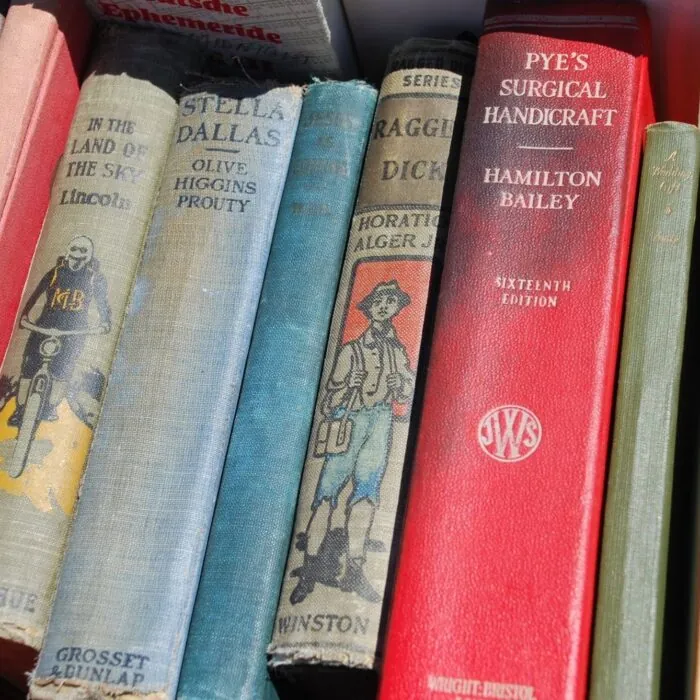
The Book Market is a second-hand book market held every weekend in the Temple Bar district.

 Tourist attractions
 Restaurants et pubs irlandais
 Hébergements partenaires
 Campings et hébergements
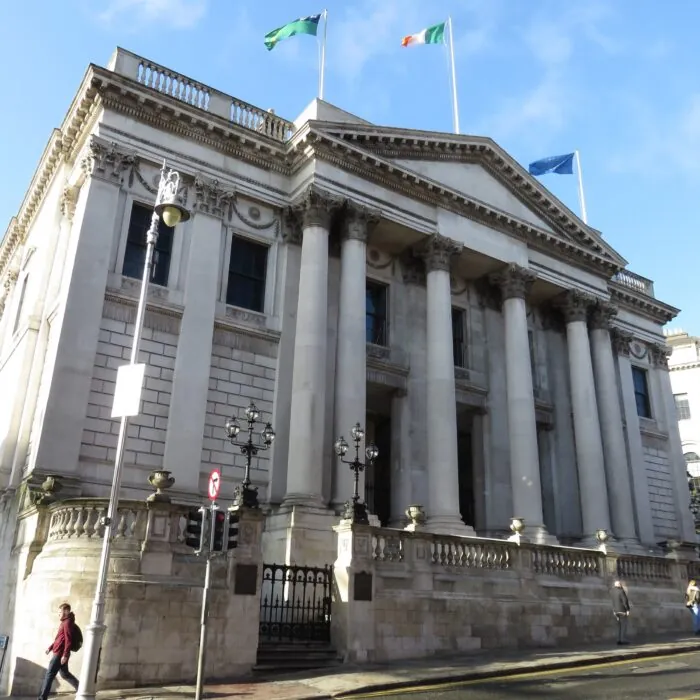
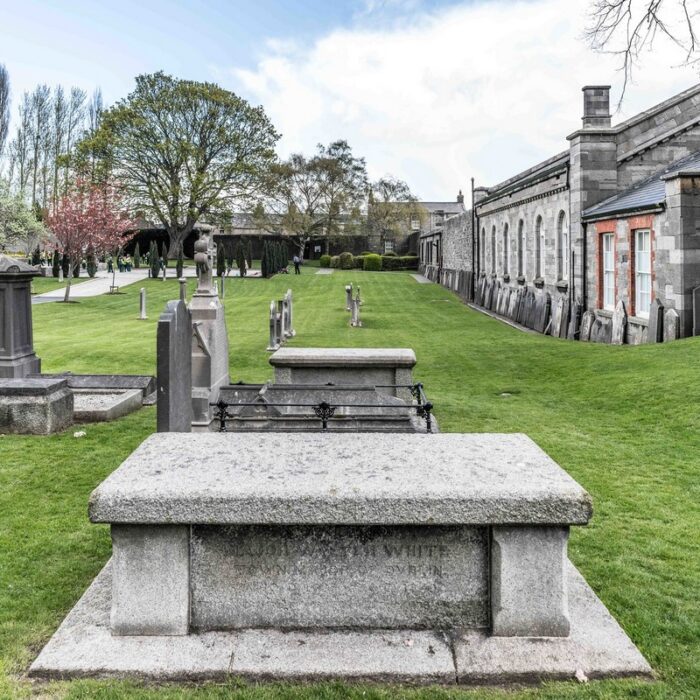

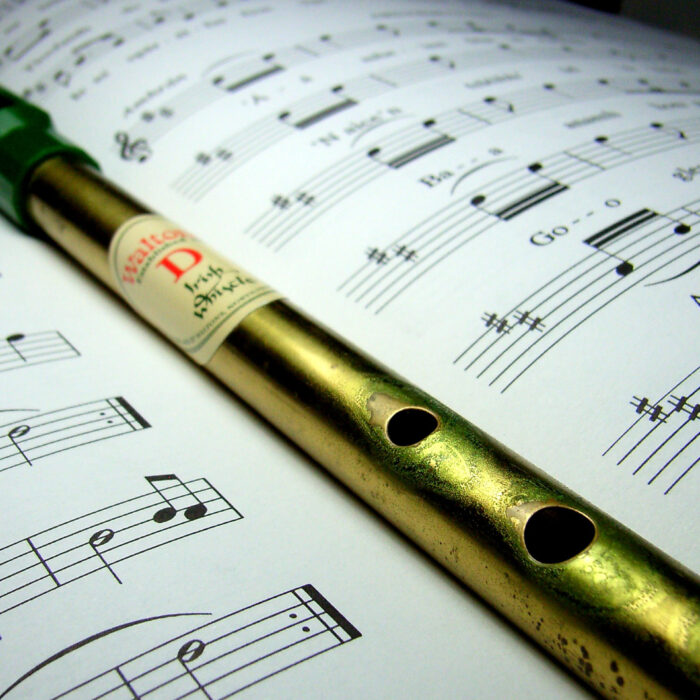
Randonnées, découvertes naturelles et expériences locales : retrouvez nos idées d’activités pour profiter pleinement de Dublin.
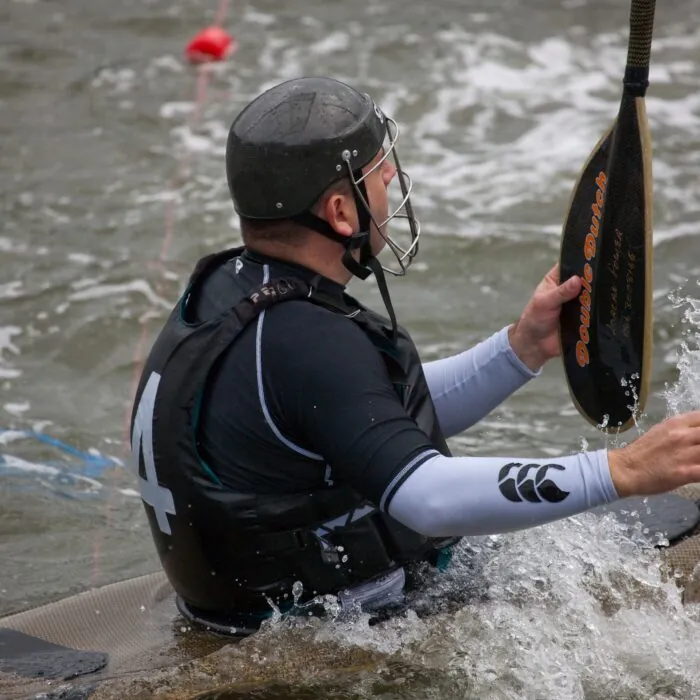
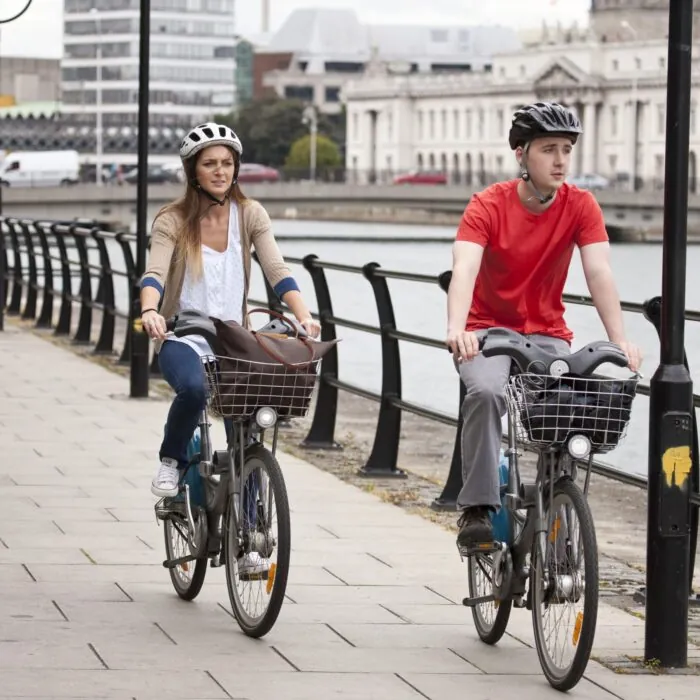
Want to discover Dublin from the Liffey? You can enjoy an exceptional experience right in the heart of the Irish capital! There's only one…
Découvrir l’activitéFind a comfortable place to stay and make the most of your trip to Ireland.
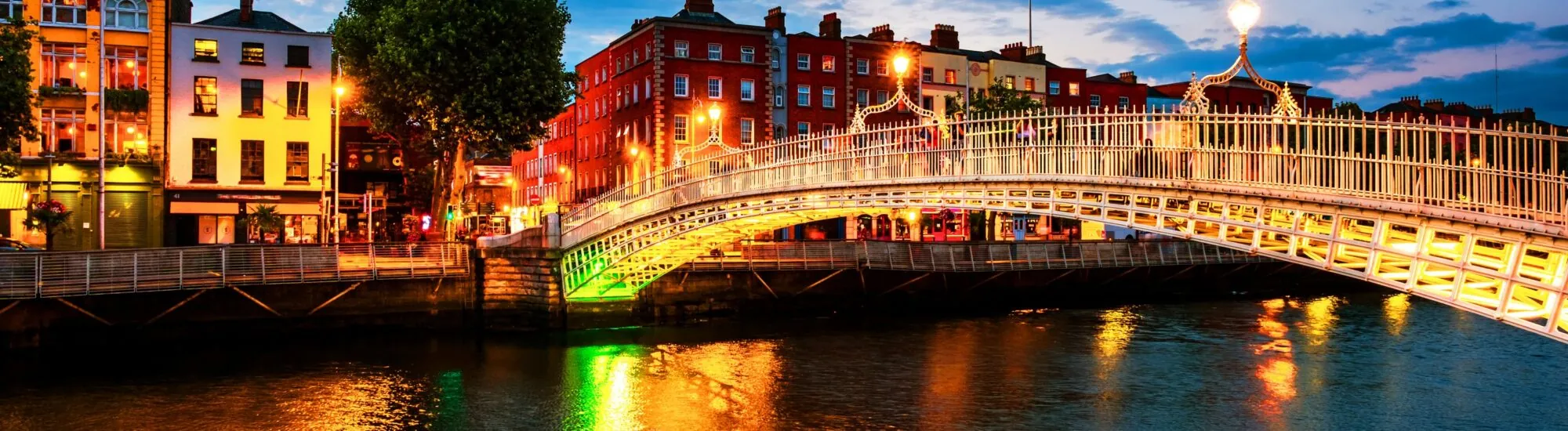
Dublin is the official capital of the Republic of Ireland. A cosmopolitan, young, and vibrant city, Dublin has experienced unprecedented growth in recent years and is one of the trendy capitals favored by travelers!
The city has much to offer globetrotters: first, because Dublin is the cradle of Irish literature. It is home to great literary talents such as Oscar Wilde, Samuel Beckett, and James Joyce. Also, the city is bustling with tourist attractions and activities! Museums, visits to local breweries and distilleries… not to mention historic sites that are a must-see… You will not be bored!
Whether for a weekend in Dublin or a more in-depth exploration of the city, the place never ceases to surprise tourists from around the world with the quality of its activities, the atmosphere of its Georgian streets, its pubs, its museums, and more! Here is an introduction to this colorful capital that has nonetheless kept its human scale…
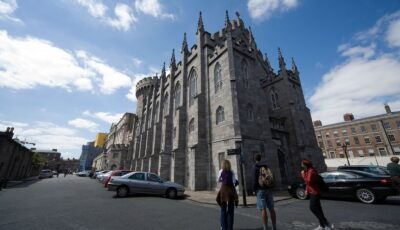
Dublin Castle – Computer – cc
To keep it brief but useful: the earliest origins of Dublin date back to 140 AD according to Ptolemy; the city was then called Eblana and was likely a tiny fishing and farming village built near the River Liffey.
It was only in the 9th century that a town was built on this very spot and named “Dubh Linn” (black pool) by the Vikings. They built a large fort where the current Dublin Castle stands.
From 1213, Dublin fell into the hands of the Anglo-Normans, who then built a new castle by order of King John: the Dublin Castle, still intact today and a symbol of Anglo-Norman domination over the Irish.
Over the centuries, the city developed into an important commercial hub. However, it was torn by many conflicts between the Irish and the English, the latter seeking to impose their rule over the island, which was not welcomed by the Irish, especially the Dubliners.
A terrible conflict that lasted until the 20th century, culminating in the 1916 uprising known as the Easter Rising. The Irish took up arms intending to reclaim Dublin from the English. Although the uprising ultimately failed and the city suffered significant damage (destroyed buildings, many deaths, etc.), Dublin regards this date as a major event in Irish history. It was the trigger for the Irish War of Independence, then the Civil War, leading to the independence of the Republic of Ireland (except Northern Ireland, which remained under British rule).
Since then, Dublin has been a rather cool and peaceful city. Constantly evolving, it is now known as the headquarters of many high-tech companies (Facebook and Google among them) and shines economically. Students from around the world attend courses at the prestigious Trinity College, restaurants offer continuously innovative cuisine, and tourist activities provide a unique experience for travelers!
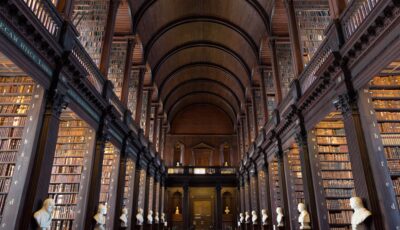
The Old Library of Trinity College in Dublin – © VanderWolf Images
Did you know? Dublin is now one of the most visited places in Ireland! Many Europeans take a flight or ferry to spend a few days in the Irish capital.
The city is easily accessible by plane, about 1h30 from Paris.
It is appreciated for its museums (many free), its castle, the Liffey River running through the city, its whiskey distilleries, Irish beer breweries (including the famous Guinness Storehouse), the trendy Temple Bar district, Irish pubs, restaurants which are new highlights of Irish cuisine, colorful doors, Georgian-style buildings… not to mention numerous festivals held throughout the year!
And let’s not forget that Dublin is THE capital where the Saint Patrick’s Day, Ireland’s national day celebrated every March 17th, is best enjoyed! Don’t miss its Grand Parade, concerts, and extraordinary activities: the atmosphere is festive and perfect for meeting Dubliners!
Don’t be surprised when visiting the city: Dublin is a clever blend of tradition and modernity. A somewhat patchy mix of ultra-modern buildings (notably in the Docklands area), but also historic zones with Georgian neighborhoods, colorful doors, historic distilleries and breweries, vast parks… and vacant lots or abandoned buildings… etc. All harmonize perfectly, giving it a unique charm!
Active and dynamic, the Irish capital has the advantage of maintaining a human scale. Distances are easy to cover thanks to its bus network, tramway (the Luas), and the DART (equivalent to Paris’s RER).
People cultivate a very pleasant lifestyle where humanity remains at the center of everything. Very quickly, one finds Dublin like a big village where modernity does not overpower human warmth.
Generally, Dubliners are cool and trendy but remain warm and approachable. They take time to help travelers with questions or problems.
So, don’t hesitate to discover Dublin at your own pace! Step into their museums and establishments. You will find an authentic, wholehearted, and picturesque city, pleasant to explore!