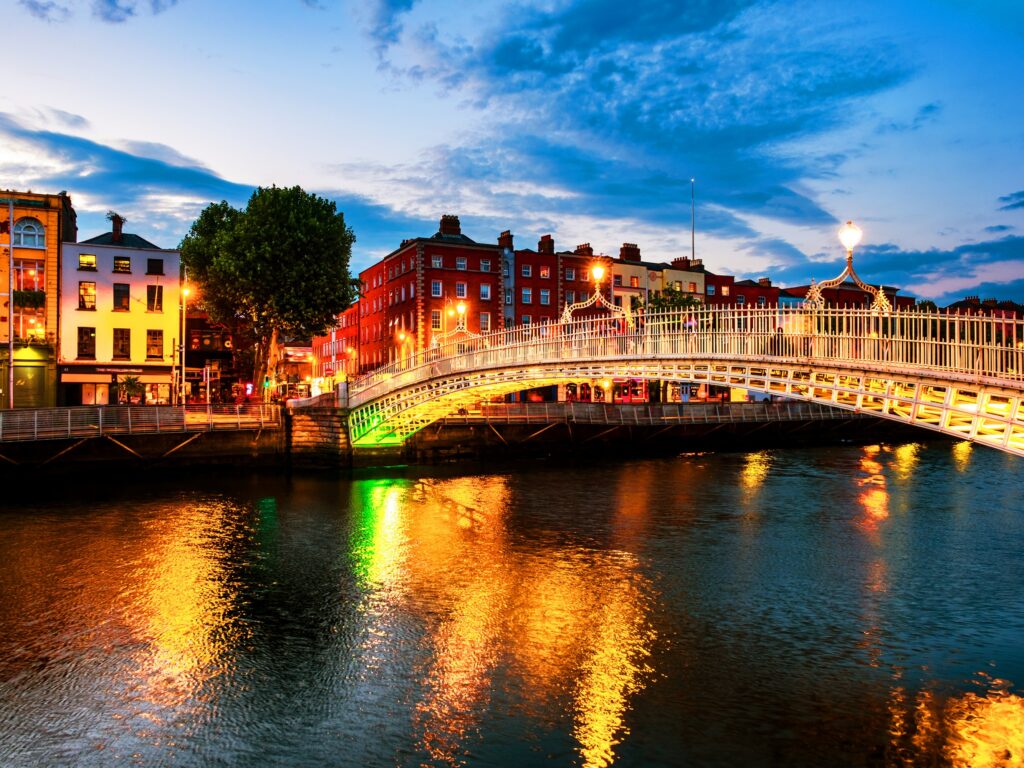
The Ha’penny Bridge
Recognisable by its white silhouette and delicate arches, the Ha’penny Bridge is one of Dublin’s most iconic landmarks. This pedestrian footbridge spans…


 Tourist attractions
 Irish Restaurants and Pubs
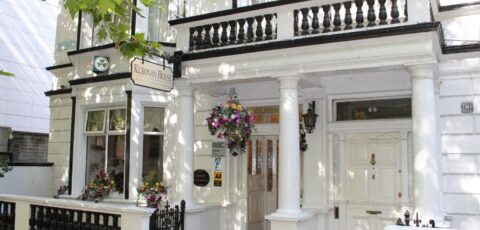
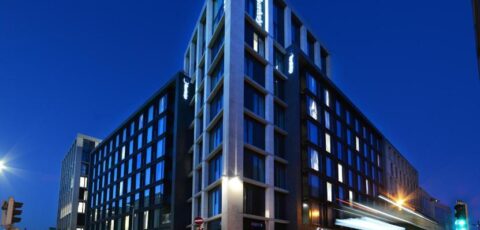
 Partner Accommodations
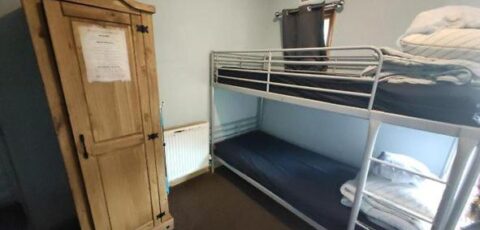
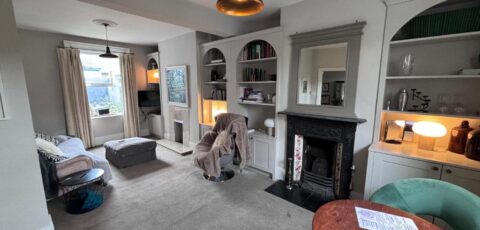
 Campgrounds and Lodging
Recognisable by its white silhouette and delicate arches, the Ha’penny Bridge is one of Dublin’s most iconic landmarks. This pedestrian footbridge spans…
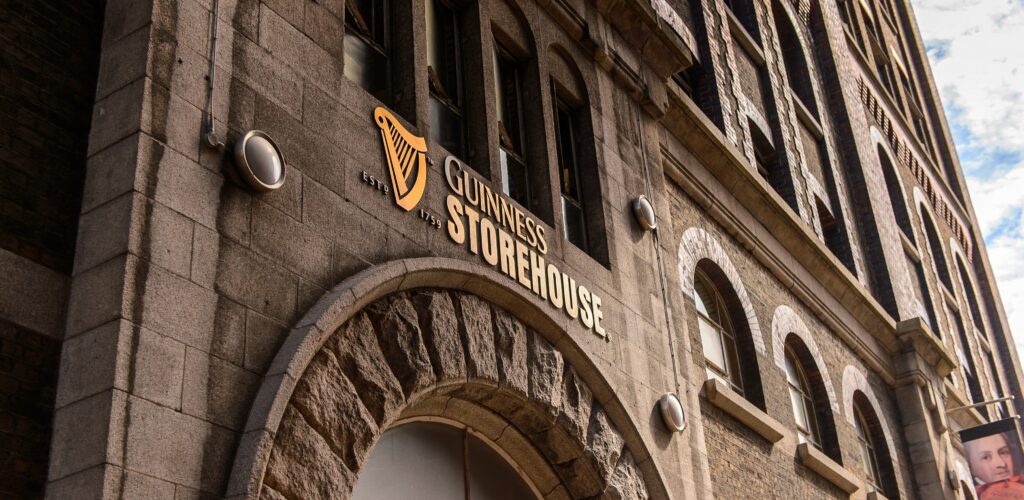
Located in the heart of the historic Liberties district, the Guinness Storehouse tells the story of Ireland’s most famous beer through seven…
At the heart of Trinity College, the Old Library is home to two of Dublin’s greatest cultural treasures: the spectacular Long Room…
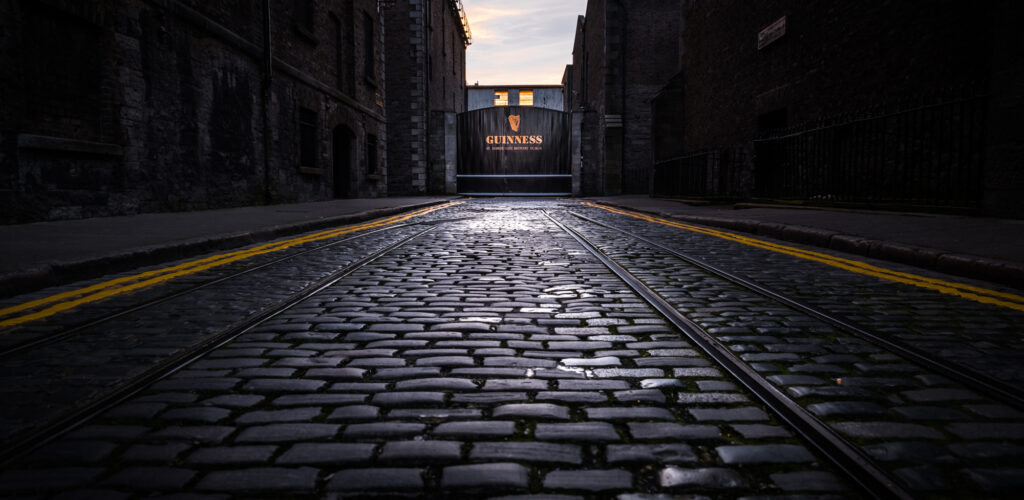
With its tall black pillars, gold lettering and instantly recognisable Guinness name, St James’s Gate is one of Dublin’s most photographed sights.…
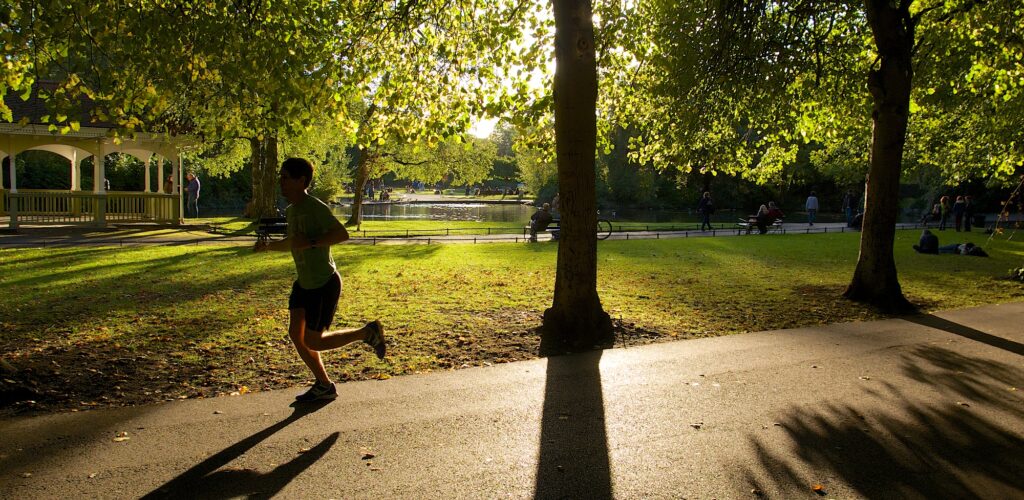
Behind the gates of St Stephen’s Green, Dublin’s bustle seems suddenly to fade away. Buses, passers-by and the shopfronts of Grafton Street…
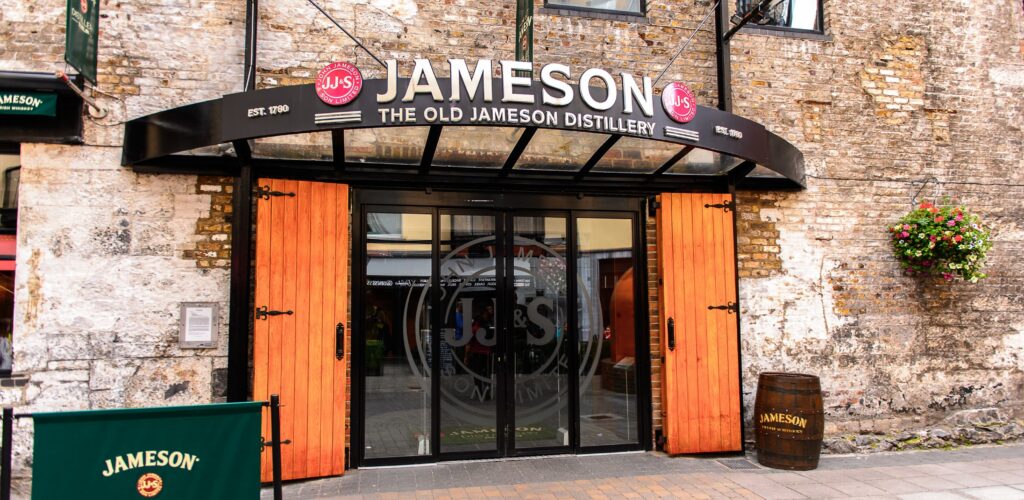
Just a stone’s throw from Smithfield Square, the stone walls of the Jameson Distillery (Old Jameson Distillery) tell more than two centuries…
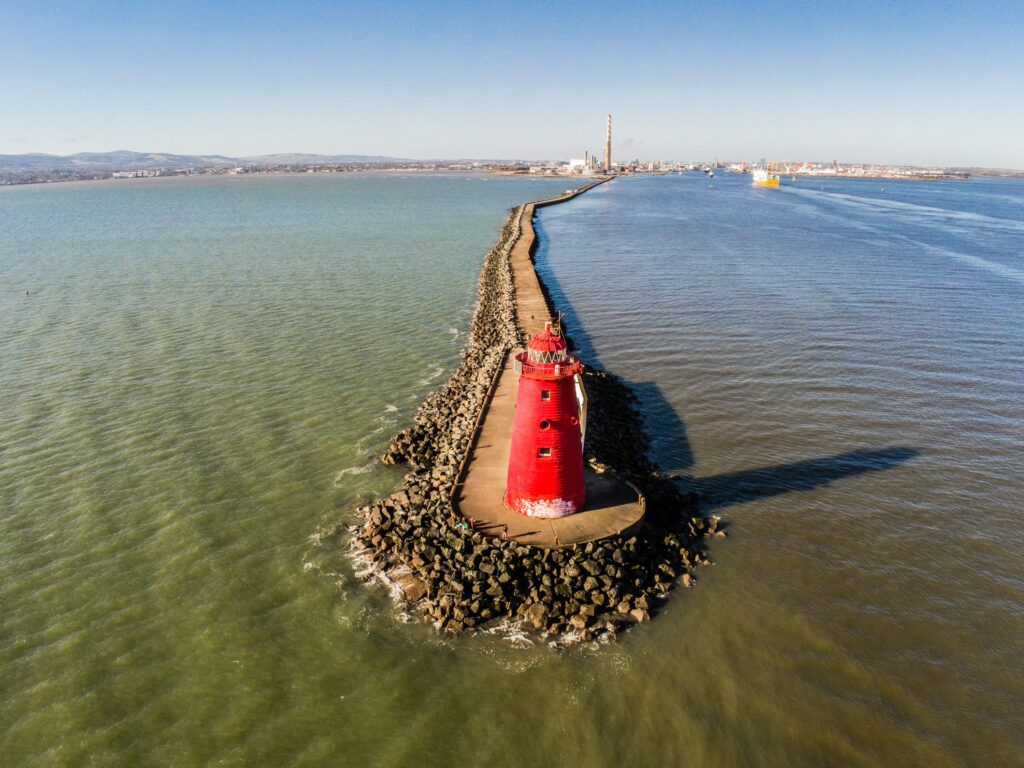
The Great South Wall (Balla an Bhulla Theas in Gaelic) is a kind of giant breakwater in Dublin harbour. 4km long, it…
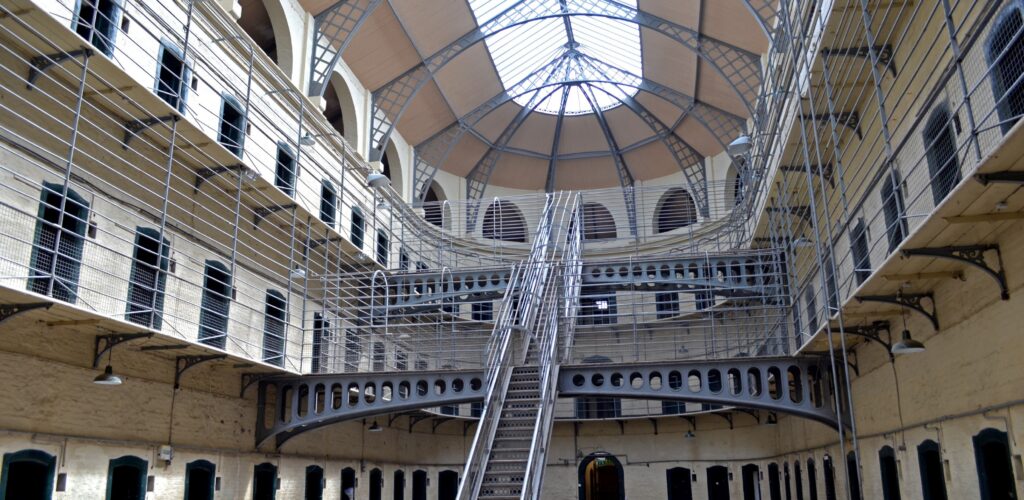
Dimly lit corridors, bare-walled cells and a yard where fourteen men were shot in May 1916: in Dublin, Kilmainham Gaol preserves the…
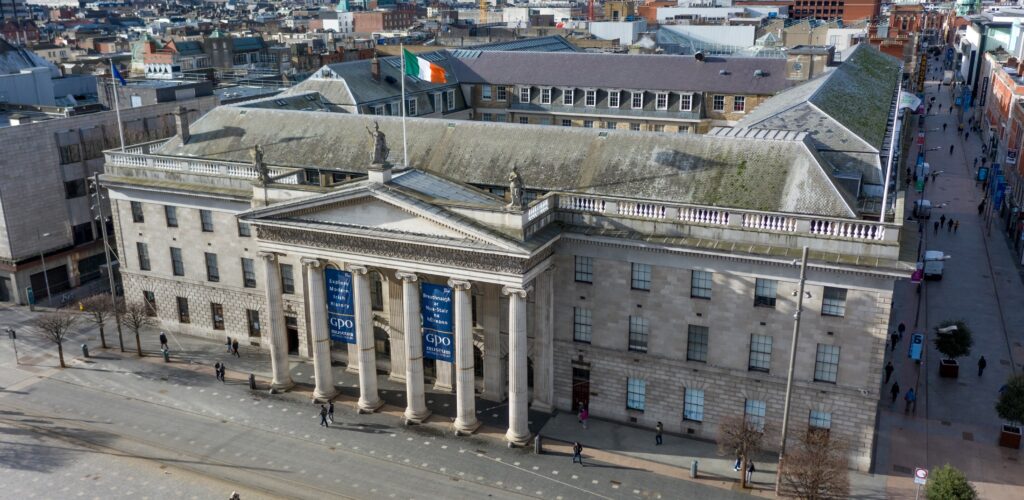
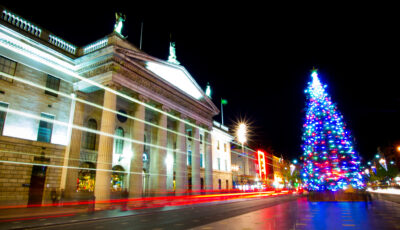
Six monumental columns dominate O’Connell Street. Bullet marks in their stone recall that, in April 1916, Dublin’s General Post Office was far…
The National Museum of Archaeology is a state museum forming part of the National Museum of Ireland. This magnificent museum boasts a…

Conor McGregor is an Irish MMA champion. The embodiment of the Irish figthing spirit, he is a major figure in Ireland, both adored and…
Find a comfortable place to stay and make the most of your trip to Ireland.
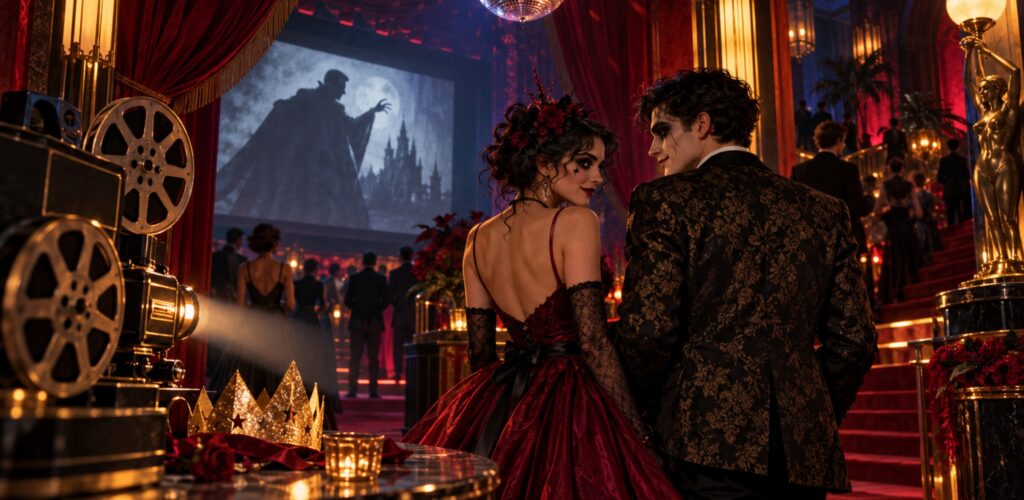
A prom dress, a crown and memories of a film spiralling into nightmare: in Dublin, cinema takes to the dance floor. On…
At first glance, Dublin readily presents itself as a European capital: business districts, universities, restaurants, museums and shopping streets make up a city in constant motion. Yet just a few steps are enough to find a very different atmosphere. A row of Georgian houses, a medieval church, a dark pub behind a Victorian façade or the waters of the Liffey recall that Dublin has been built in layers, between Viking heritage, British rule and Irish independence.
The capital of the Republic of Ireland, Dublin is also the country’s main cultural gateway. James Joyce turned an ordinary day there into a monument of world literature, Oscar Wilde was born there, Samuel Beckett studied there, and the major chapters of Irish independence played out in its streets.
Visiting Dublin means navigating between these different identities. The city is historic without being frozen in time, literary without being academic, and lively without being limited to its pubs. Above all, its relatively compact centre makes it easy to move from one world to another and discover much of it on foot.
For a first introduction, a weekend in Dublin is enough to get a feel for the capital’s atmosphere. A few extra days naturally offer more freedom to explore its neighbourhoods and venture beyond the busiest routes.
Dublin’s early history remains surrounded by some uncertainty. The city of Eblana, mentioned in the 2nd century by the Greek geographer Ptolemy, was long associated with Dublin, but this identification is now disputed and cannot be considered certain.
Two names, however, help explain the capital’s origins. Baile Átha Cliath, Dublin’s present-day Irish name, means “town of the hurdle ford” and refers to an ancient crossing point on the Liffey. Dubh Linn, from which the English name Dublin derives, means “black pool”.
In the 9th century, the Vikings settled permanently in the area. Taking advantage of the Liffey and access to the Irish Sea, they developed a port which gradually became an important trading centre.
Archaeological excavations in the city centre have revealed the scale of this settlement: houses, everyday objects, workshops and streets bear witness to a true Hiberno-Norse town. Modern Dublin owes part of its existence to this Viking port established more than a thousand years ago.
The arrival of the Anglo-Normans profoundly changed Dublin’s history. The city was captured in 1170 before quickly becoming the main centre of English power in Ireland.
At the beginning of the 13th century, King John ordered the construction of a fortress intended to defend the city and assert the authority of the Crown. Dublin Castle gradually became the heart of British power in Ireland, a role it would retain for several centuries.
A walled medieval town extended around this fortress. Churches, markets and merchants’ houses then occupied an area far smaller than present-day Dublin.
This rule did not, however, mean that the Crown controlled all of Ireland. For much of the Middle Ages, English authority was concentrated mainly around Dublin and an area known as the Pale, while vast territories remained under the influence of Gaelic lords.
Much of the image now associated with Dublin emerged much later. In the 18th century, the city underwent a period of spectacular development and became one of the great cities of the British Empire.
New districts were laid out around broad squares and straight streets. Elegant brick houses, their tall windows and famous colourful doors gradually shaped Georgian Dublin.
This architecture remains particularly visible south of the Liffey. It gives some districts a remarkable unity, made up of red brick, tree-lined squares and relatively plain façades, behind which the city’s political and social elite once lived.
But this prosperous Dublin concealed significant inequalities. After the Act of Union of 1800, which abolished the Irish Parliament and transferred political power to London, many grand residences were gradually abandoned by their owners. Some were subsequently divided into overcrowded housing for the poorest people.
The Great Famine, which struck Ireland from 1845, affected Dublin differently from the rural regions of the west, which were far more dependent on potatoes.
Nevertheless, the capital was deeply affected. Starving people arrived from the countryside, charitable institutions came under pressure, and urban poverty became considerable.
By the turn of the 20th century, some Dublin districts were among the most unsanitary in Europe. Behind elegant Georgian façades, houses that had once belonged to the middle classes were sometimes divided into dwellings housing several families.
This contrast between architectural splendour and extremely difficult living conditions is an essential part of Dublin’s social history.
At the beginning of the 20th century, Dublin became the epicentre of the struggle for independence.
On 24 April 1916, several hundred insurgents took up positions in various strategic buildings across the capital. From the General Post Office on O’Connell Street, Patrick Pearse proclaimed an independent Irish Republic.
The Easter Rising of 1916 lasted only a few days. The British army gradually regained control of the city, and part of the centre was badly damaged by the fighting.
Militarily, the uprising was a failure. Politically, its consequences were considerable. The execution of several of its leaders helped shift part of public opinion in favour of independence.
This was followed by the Irish War of Independence, then the Anglo-Irish Treaty of 1921 and the creation of the Irish Free State in 1922. Disagreement over the treaty led almost immediately to the Irish Civil War.
Contemporary Dublin still bears the marks of this period. Several buildings, streets and monuments in the centre are directly associated with the events that led to the birth of the modern Irish state.
Few European capitals have a relationship with literature as intimate as Dublin’s.
James Joyce is probably its most striking example. Although he spent much of his life outside Ireland, Dublin is omnipresent in his work. In Ulysses, published in 1922, he follows Leopold Bloom through the capital’s streets during a single day, 16 June 1904.
This date is now celebrated every year on Bloomsday, when Joyce readers and admirers follow the footsteps of the novel’s characters through Dublin.
Oscar Wilde was born on Merrion Square, Samuel Beckett studied at Trinity College, and W.B. Yeats is also deeply connected to the city’s cultural history.
This exceptional concentration of writers earned Dublin its designation as a UNESCO City of Literature. But literature does not belong only to the past here: bookshops, libraries, festivals and theatre stages continue this legacy.
Dublin has many famous landmarks, but simply ticking them off one after another is not enough to understand the city. Its appeal also lies in the contrasts between its neighbourhoods.
South of the Liffey, Georgian Dublin reveals its squares, brick houses and colourful doors. Closer to the river, the streets become more commercial and lively. To the east, the former port areas of the Docklands have been profoundly transformed by the arrival of offices, homes and contemporary architecture.
On the north bank, O’Connell Street and the surrounding streets tell another story, closely linked to the political and social struggles of the 19th and 20th centuries.
This diversity makes it possible to explore Dublin on foot without feeling that you are always passing through the same setting. The Liffey provides a guiding thread, while bridges connect neighbourhoods that have sometimes retained very different personalities.
For a first visit, Dublin offers a particularly appealing balance of historical heritage, museums, culture and more contemporary experiences.
Part of the major national collections can be visited free of charge, making it easy to alternate visits and walks without creating an overly rigid programme. History, archaeology, fine art, literature and natural sciences offer different ways to explore Ireland.
Dublin also has an important brewing culture and a whiskey history closely tied to its industrial development. Former production areas have now found new life, while several distilleries are once again operating in the capital.
The must-see sights in Dublin presented on this page then make it possible to choose visits that truly match your interests, without turning the discovery of the capital into a race against time.
It is impossible to mention Dublin without talking about its pubs. But it would be equally unfortunate to reduce this culture to the few busiest streets of Temple Bar.
Historically, the Irish pub is a place for socialising. People come for a pint, certainly, but also to talk, listen to music, watch a match or simply meet friends.
Temple Bar concentrates much of the tourist activity and has a spectacular atmosphere on busy evenings. Prices there are often higher, however, and the experience is less representative of everyday life for Dubliners.
Walking just a few streets away is often enough to discover a different atmosphere. Dublin has hundreds of pubs, from almost unchanged Victorian establishments to contemporary bars, including venues known for their music sessions.
Dublin is not an architecturally uniform city, and that is precisely what gives it part of its character.
Georgian façades stand alongside medieval churches, Victorian buildings and much more contemporary structures. The Docklands probably offer the most striking contrast with the historic districts: glass, steel and major corporate headquarters have replaced some of the former port infrastructure.
The growth of the technology sector has profoundly transformed certain neighbourhoods over recent decades. Major international companies have established significant operations in the capital, reinforcing its cosmopolitan character.
This growth also has a downside: housing costs, property pressure and the rapid transformation of certain neighbourhoods are now among the major issues facing Dublin.
Despite its status as a capital, Dublin does not always feel like a very large metropolis. Its centre is relatively compact, and encounters between residents, students, workers and travellers contribute greatly to its atmosphere.
The presence of Trinity College in the very heart of the city also contributes to this impression. The university is not isolated on an outlying campus: it is fully part of the urban landscape and recalls the importance of university life in Dublin’s identity.
A few streets away, pubs, concert venues, theatres and restaurants take over. The food scene has also changed considerably, driven by a new generation of chefs and renewed interest in Irish produce.
Ultimately, Dublin works more through successive atmospheres than grand monumental effects. A quiet library, a Georgian street, conversations in a pub, a piece of music behind a door or the light on the Liffey can matter as much in the memory of a stay as the most famous monuments.
A two-day weekend in Dublin allows you to discover a good part of the centre, several major sites and a few emblematic neighbourhoods.
Three days in Dublin, however, offer a much more pleasant pace. This amount of time makes it possible to alternate between monuments, museums and walks without devoting the entire stay to a succession of visits.
A longer stay becomes worthwhile if you want to explore certain neighbourhoods in greater depth or use the capital as a base for discovering its surroundings.
In every case, Dublin is best not explored with an endless list of places to tick off. Part of its charm lies precisely between visits, when you are willing to walk without a very specific destination along the Liffey or push open the door of a pub simply because a few notes of music are drifting out.
Dublin is neither Europe’s most monumental nor its most spectacular capital. It has something different: a remarkable ability to make its history accessible.
The Vikings, the British Empire, writers, the 1916 uprising and contemporary Ireland are never very far from one another. They coexist within a few square kilometres, sometimes on the same street.
This is probably the best way to approach the city. Dublin is not just a collection of must-see tourist sites: it is a capital to walk through, listen to and observe. Behind its monuments lies a city that continues to change without having completely erased the traces of what it once was.