Trim
Travel Guide

Trim

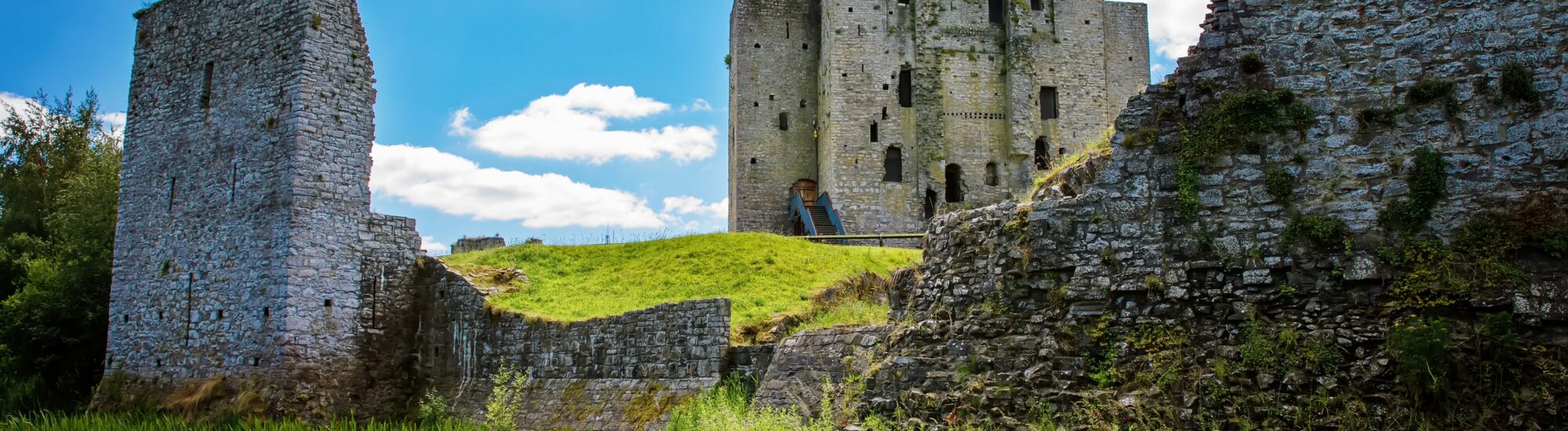
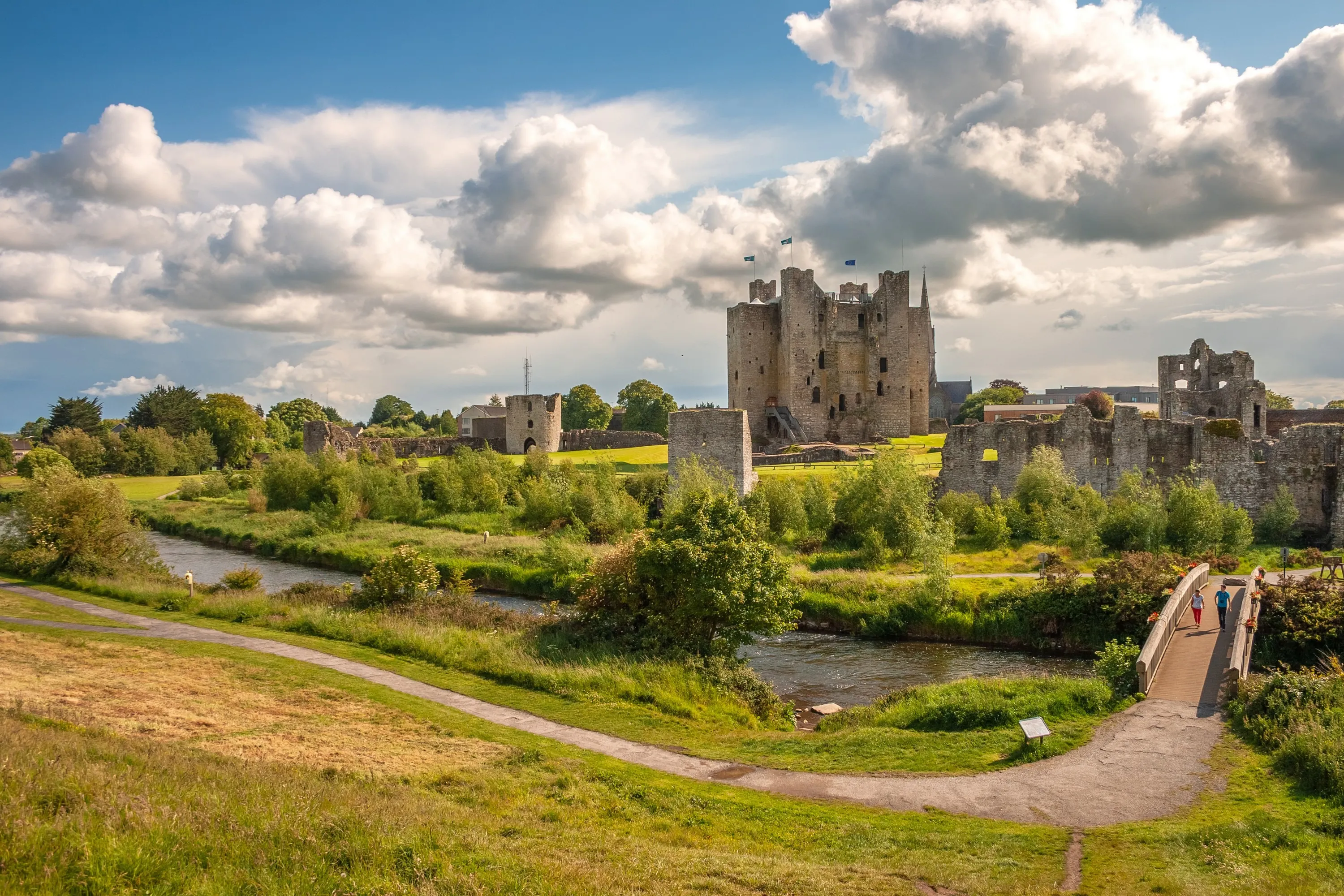
Trim castle - © Irina Schmidt

Explore Trim

Tourist attractions Irish Restaurants and Pubs Partner Accommodations Campgrounds and Lodging

Trim : Must-See Attractions

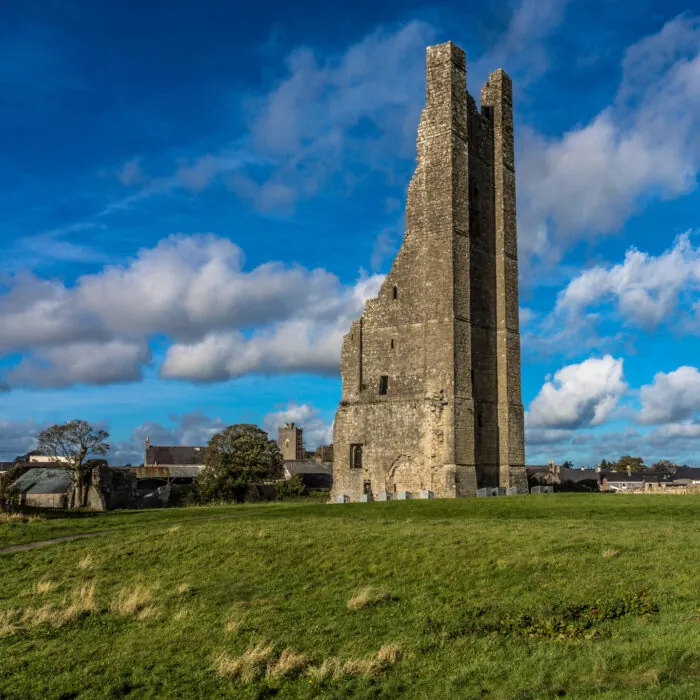
yellow steeple 1

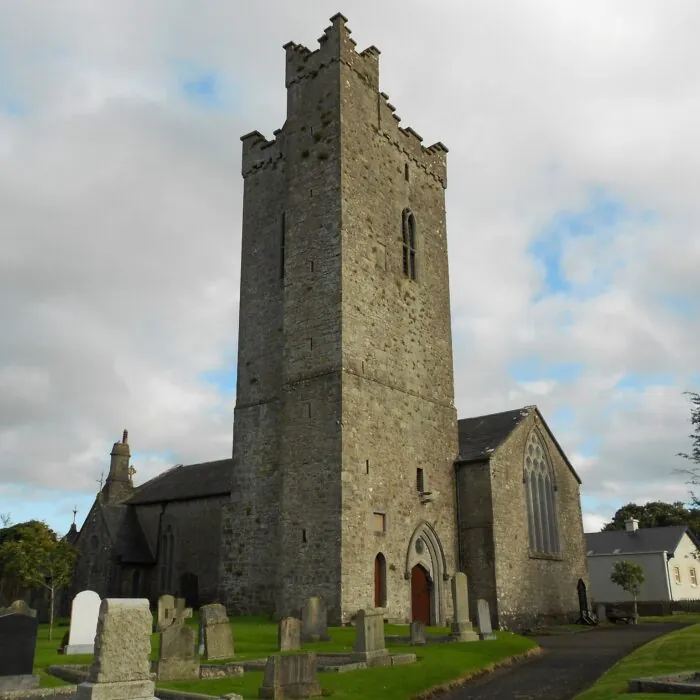
The Yellow Steeple

The Yellow Steeple is a curiosity in the town of Trim. The bell tower is the only vestige of an Augustinian abbey built in the 14th century.
3.25/5 (4 votes)
trim cathedral

Trim Cathedral

Trim Cathedral (also known as St Patrick's Church of Ireland Cathedral), is an Anglican building in the town of Trim, County Meath.…
4.00/5 (2 votes)
Calendar

Festivals to Check Out: Trim

Music, culture, and traditions: Discover the festivals that shape life in Trim.
Le Púca Festival
Halloween festivals Halloween festivals

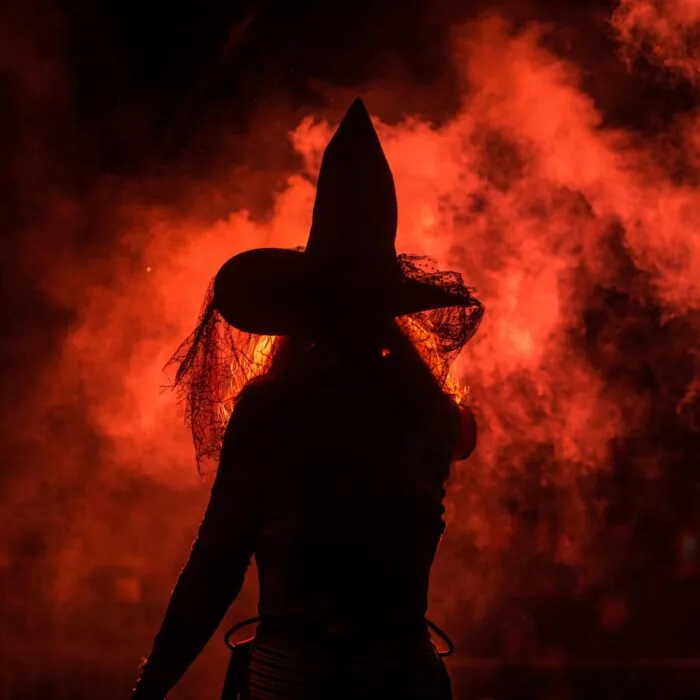
The Púca Festival

As night falls, Trim’s walls blaze with light as shape-shifting creatures take over the streets. A few miles away, Athboy reconnects with the ancient…

Explore the festival
Where to stay?

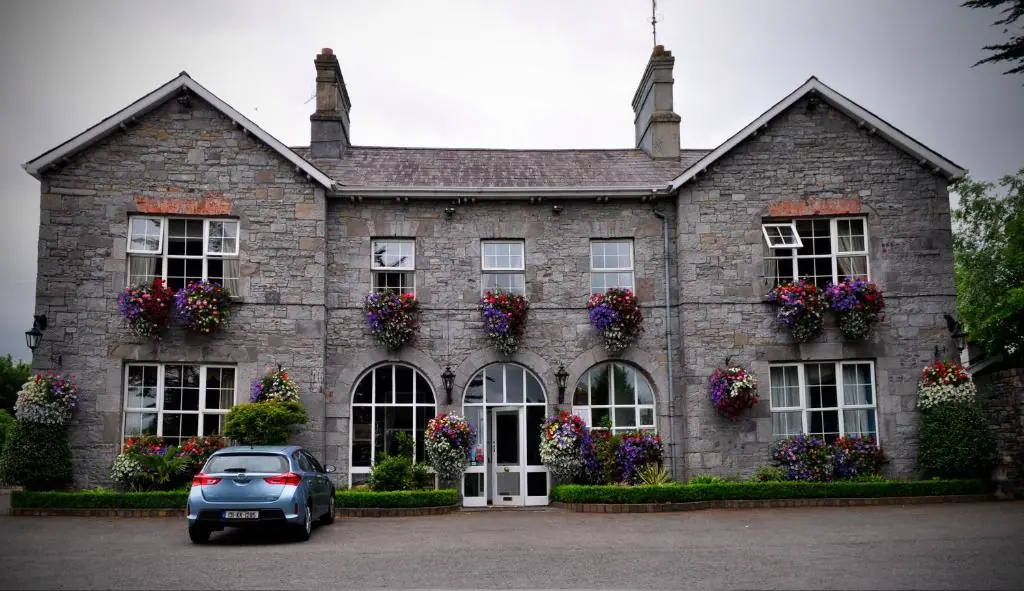
Accommodation available

Find a comfortable place to stay and make the most of your trip to Ireland.

Inspiration

Further Reading

Trim

Trim (Baile Átha Truim in Irish Gaelic) is a small town of 6,000 inhabitants, set on a promontory overlooking the Boyne Valley. A town steeped in history, Trim is a popular tourist destination, notably for its fabulous Norman castle, and the wild landscapes of the Boyne Valley…

History of Trim

Traces of Anglo-Norman occupation remain

Trim was home to the largest Norman colony in the Middle Ages, and to this day, remains of their presence in the town. These include the fabulous Trim Castle, one of the largest castles in the whole of Ireland!

In the 15th century, King Richard II of England spent a long time in Trim, until he lost power. Only a little later did Elizabeth I foresee Trim as the future site of a great university (Trinity College). However, this proposal was abandoned in favor of Dublin, on the decision of Sir Francis Drake.

In 1649, Trim was invaded by Cromwell’s army. In response, the inhabitants decided to join the Irish forces.

Trim does not escape the Great Famine

Nor did Trim escape the Irish Rebellion of 1798. At that time, Trim’s main source of income was agriculture, and all the fields in Trim were contaminated by mildew, a parasitic species that rendered the produce inedible. Famine decimated a large part of the population, plunging Trim into misery and desolation. At this time, many craftsmen began working leather to get by, which many years later became one of the town’s specialties.

The Irish War of Independence in the 1920s left a painful mark on the town: many houses and buildings were burnt down by the Black and Tans, and the loss of life was considerable.