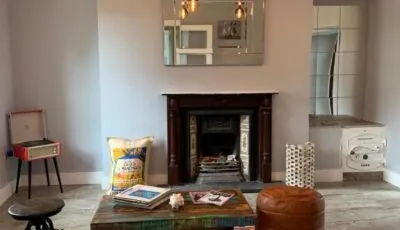

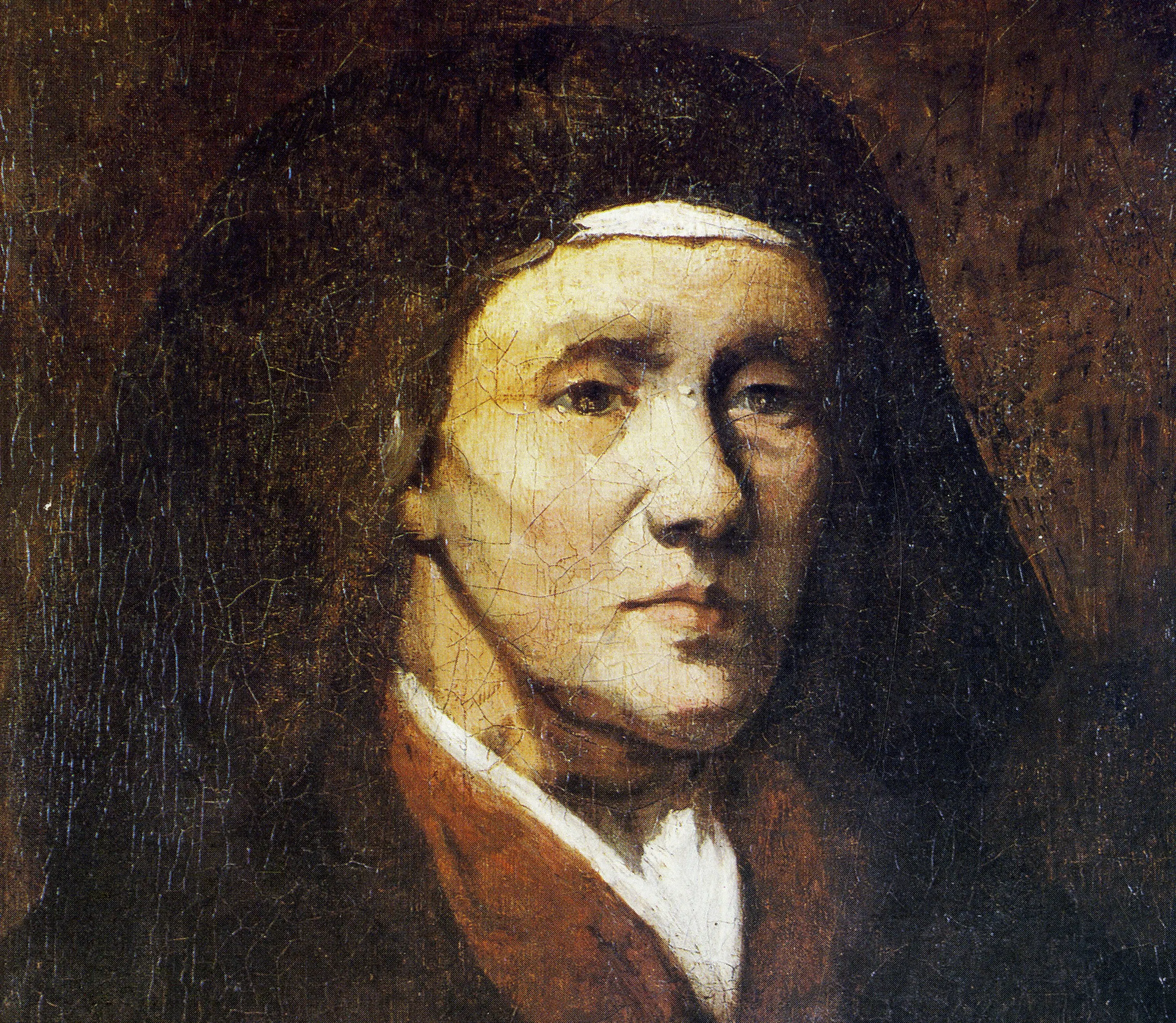
Nano Nagle Place is a museum dedicated to the life of the woman of the same name, Nano Nagle (1718 – April 26, 1784), a famous Irish woman considered a pioneer in the world of education and rehabilitation. She is best known for opening 7 schools for poor children in Cork city. Through her actions, she has set up social reintegration systems enabling the city’s poor to have access to the same opportunities as the rich… A first in Ireland!
Nano Nagle – Public domain
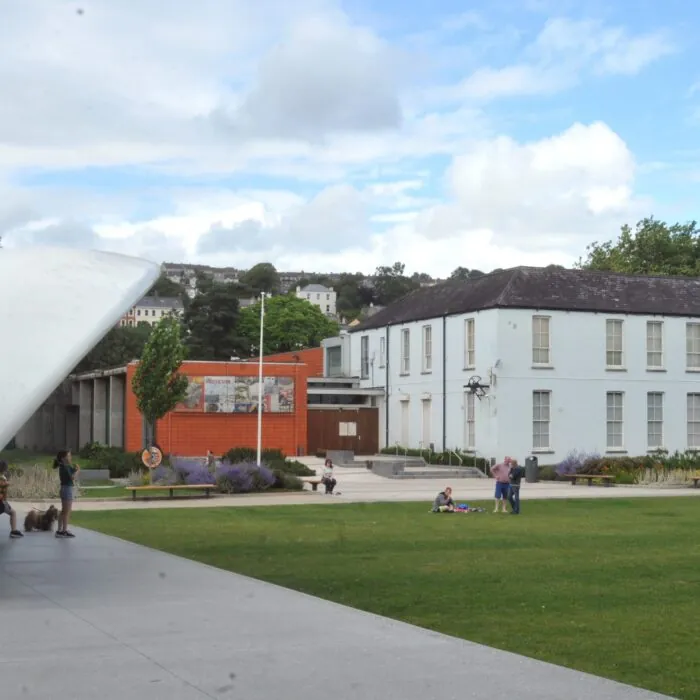
The Nano Nagle Place Museum is located on Douglas Street in Cork city center. It is one of the city’s most popular museums.
It features a comprehensive exhibition of Nano Nagle’s work, gardens, a coffee shop and his grave.
The museum is interesting, and entirely dedicated to Nano’s life. You’ll discover how this young Catholic from a wealthy middle-class family decided to devote her life to the poor people of Cork, offering them the chance of education and social integration.
Schools, a hospice for women in difficulty, reintegration programs… Nano Nagle quite simply revolutionized Irish society by opening up access to education to all. A true role model, to which the museum pays tribute in every possible way.
The result is a rather inspiring museum, demonstrating that it is possible to get rid of divisive social rules and give everyone a chance. We end up falling in love with this courageous woman, whose recklessness enabled her to go beyond the social boundaries in place at the time.
A beautiful story, full of hope, that gives a courageous woman her letters of nobility. What a great time!
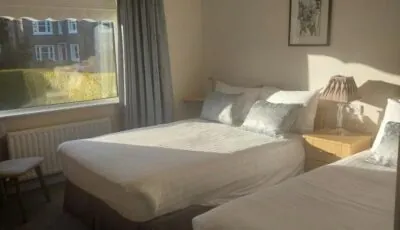
Want to extend your visit without having to rush around? Here are a few well-located places to stay near the must-see attractions.
Essential information to help you plan your visit, including key landmarks, access information, and booking options.
Douglas Street - Cork, Cork (County Cork) - Republic of Ireland
51.893934, -8.473351
1 heure
Tuesday to Sunday, 11 a.m. to 4 p.m.
Check the opening hours and admission requirements before you leave, especially during peak season or on Irish public holidays.