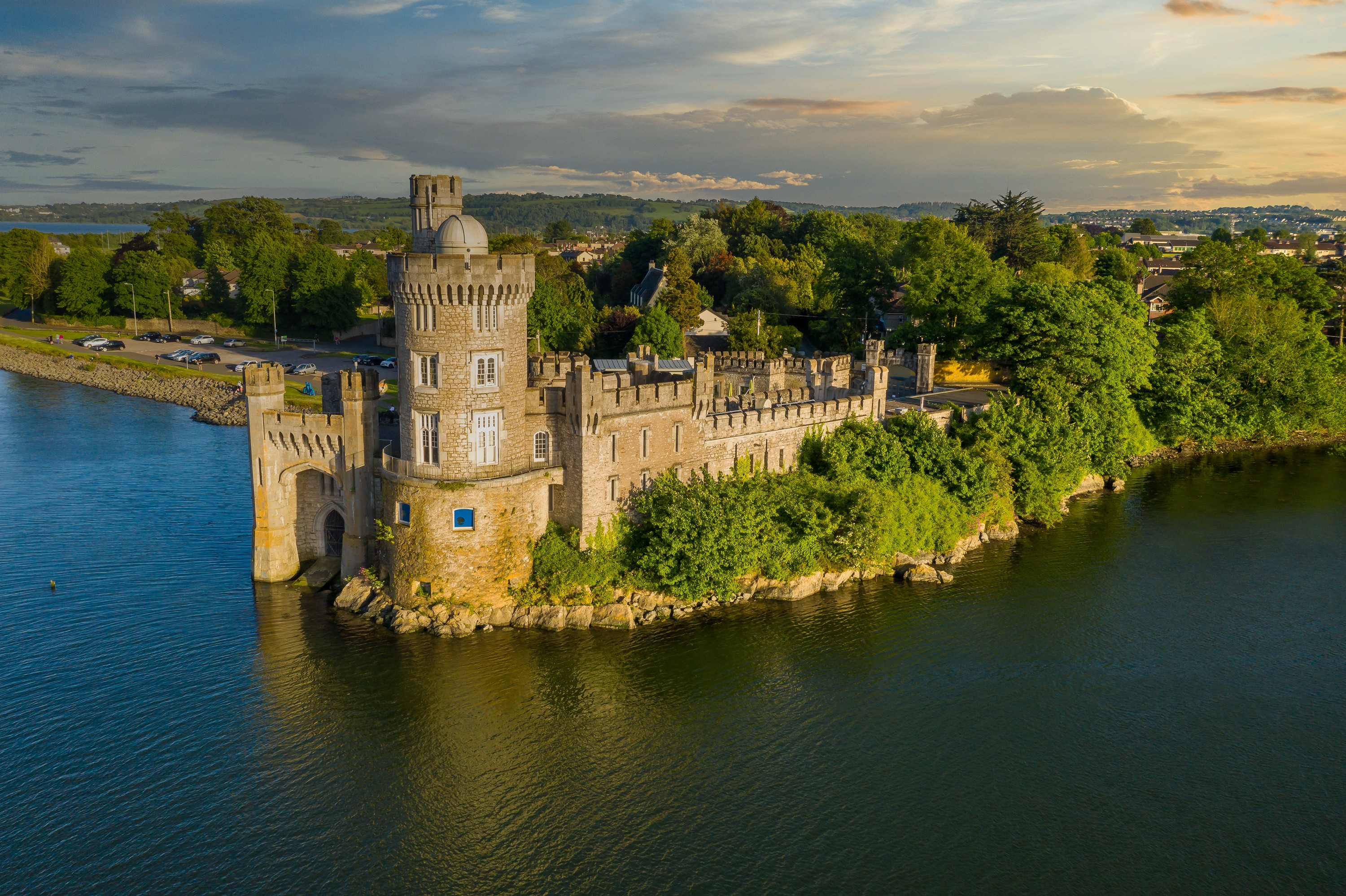
Blackrock Castle Observatory
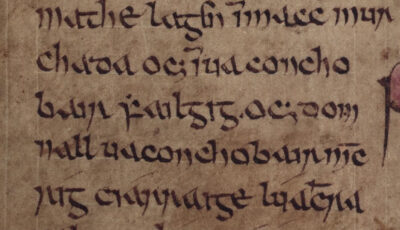
Blackrock Castle Observatory is a magnificent Irish castle built on the banks of the River Lee in Cork. Today, it is a…

 Tourist attractions
 Irish Restaurants and Pubs
 Partner Accommodations
 Campgrounds and Lodging
Blackrock Castle Observatory is a magnificent Irish castle built on the banks of the River Lee in Cork. Today, it is a…
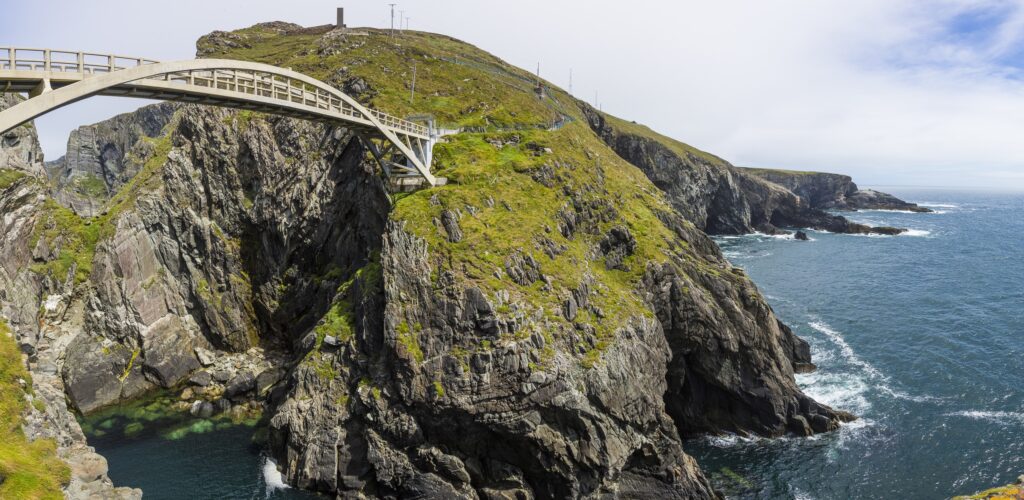
At the tip of the Mizen Peninsula in West Cork, the land seems to fall away abruptly into the Atlantic. Dark cliffs…
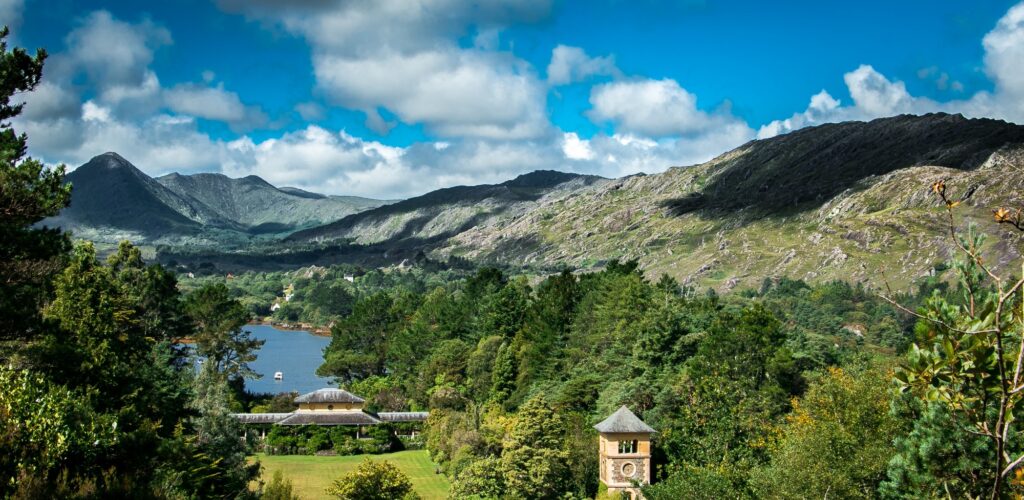
Nestled in the picturesque waters of Bantry Bay in County Cork, Ireland, lies a hidden gem and a paradise for nature lovers:…
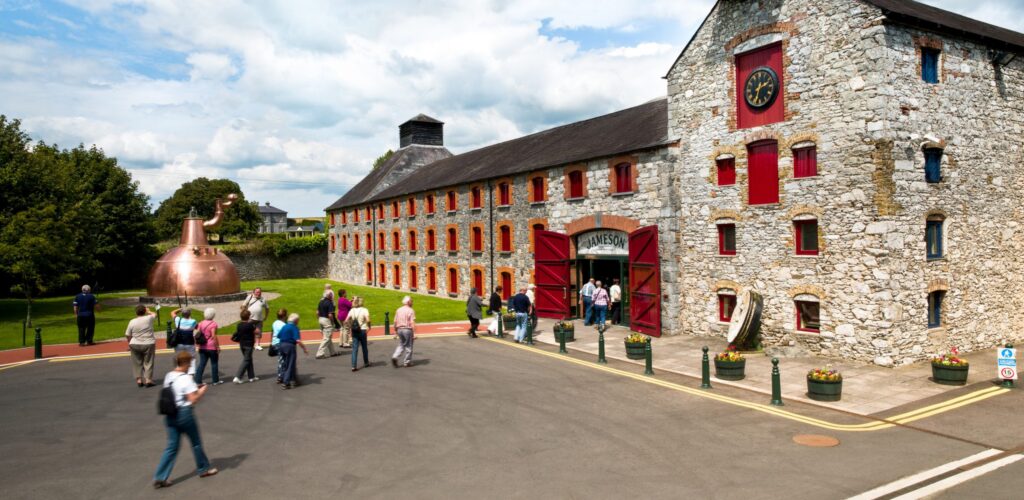
Midleton Distillery is Irish Distillers’ main production centre and one of Ireland’s largest whiskey distilleries. Located around 20 kilometres from Cork, it…
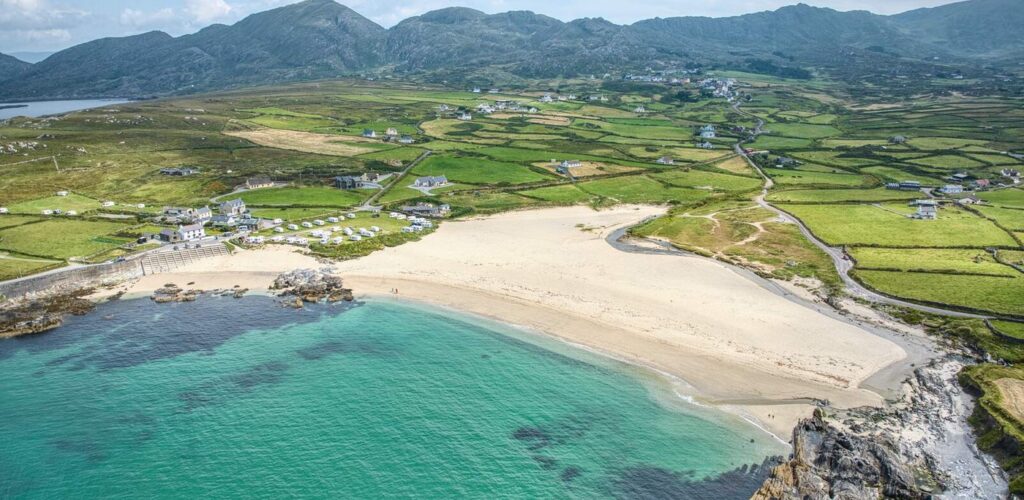
Allihies Beach is located on the Beara peninsula in County Cork, Ireland. It’s known for its wild and picturesque landscapes, with sheer…
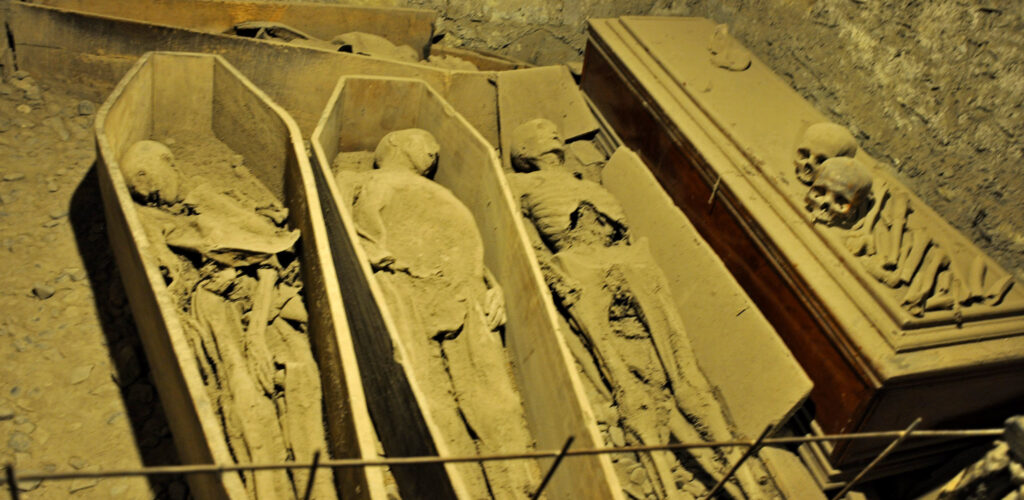
St Michan’s Church is a church in Dublin, Ireland. A tourist attraction, its origins date back to 1095 (when it was a…
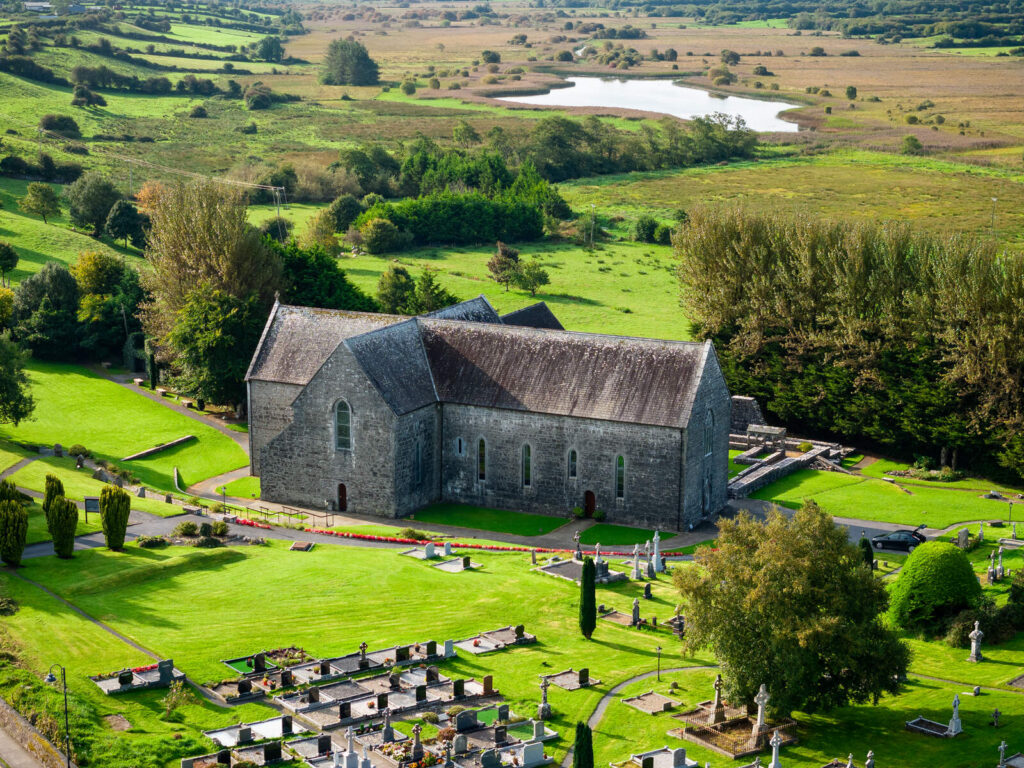
In the verdant landscape of County Mayo, stands a church over 800 years old! This is Ballintubber Abbey, a church built in…
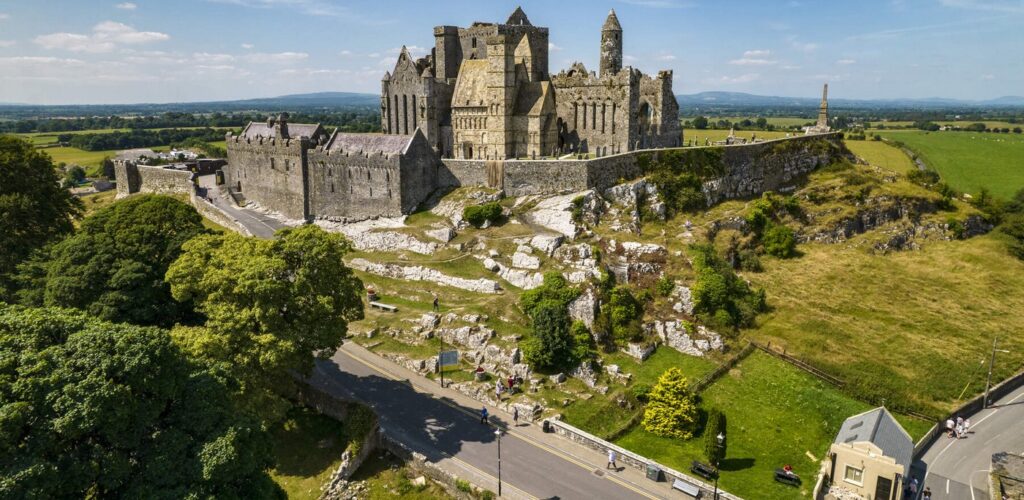
The Rock of Cashel is a superb collection of medieval remains. Rising almost 60 meters from the top of an imposing rocky…
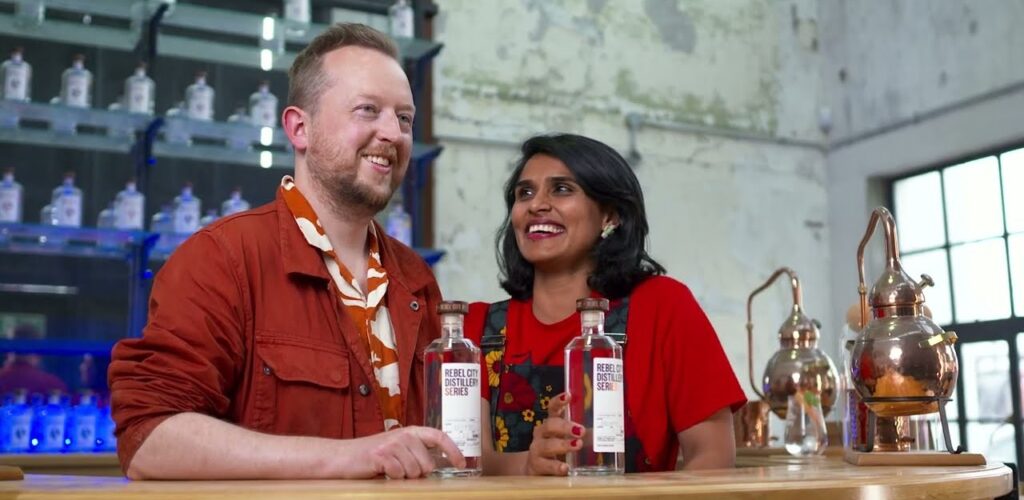
If you’re a gin lover looking for a unique and authentic experience, look no further than Rebel City Distillery, located in the…
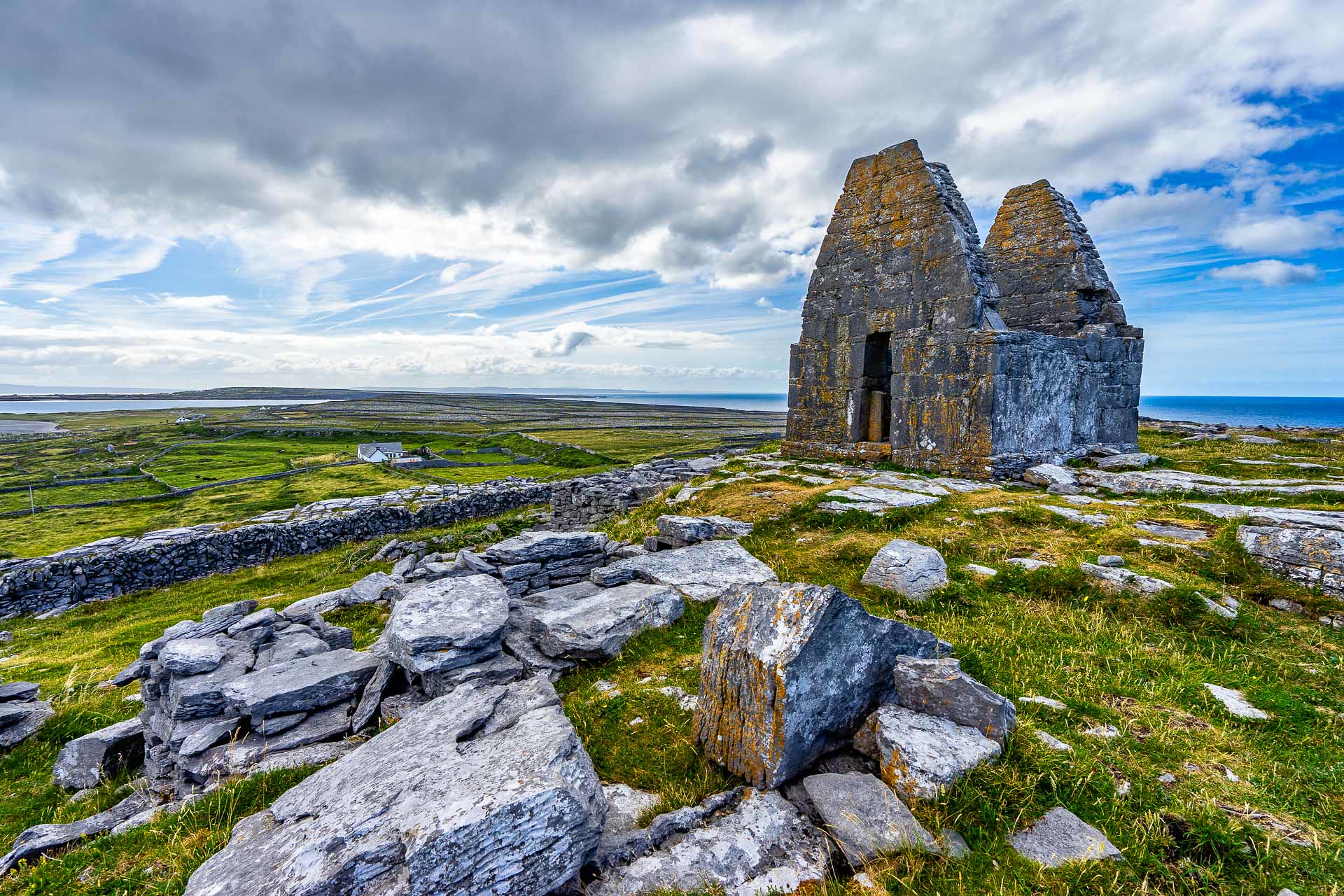
On the island of Inishmore, in the heart of the majestic Aran Islands, lies a little historical treasure: Teampall Bheanáin. Reputed to…
Maureen O'Hara (1920–2015) was an Irish actress who established herself throughout her career in the highly exclusive world of Hollywood.
Find a comfortable place to stay and make the most of your trip to Ireland.
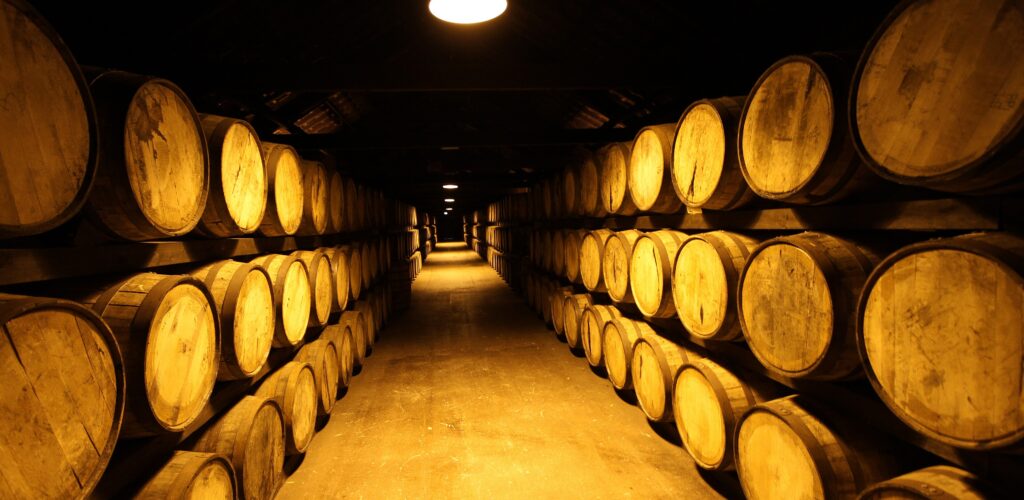
Before it became a bottle, this whiskey was a story of trees. In Cappoquin, County Waterford, six chestnut trees supplied the wood…
County Cork (Contae Chorcaí in Irish) occupies a large part of southern Ireland, between the Blackwater Valley to the east and the Atlantic peninsulas of West Cork to the west. The largest county in the Republic of Ireland, it brings together a major city, Cork, the vast Cork Harbour, historic ports, agricultural countryside, islands, beaches and some of the country’s most rugged coastline.
With 584,156 inhabitants at the 2022 census, Cork is also the Republic’s second-most populous county after Dublin. This demographic importance should not, however, suggest a uniformly urbanised area: the farther west one travels, the more widely spaced the towns become and the more maritime, rural and mountainous the landscape feels. It is precisely this diversity that makes the county so interesting as a travel destination.
Cork belongs to the province of Munster and covers almost 7,500 km². Its size completely changes the way a stay needs to be planned: travelling between Youghal, Cork City, Kinsale, Mizen Head and the Beara Peninsula means crossing several territories with very distinct identities.
For travellers, it is therefore more useful to think of the county as a collection of broad areas. Cork City and Cork Harbour form its main urban and maritime hub. The south coast leads towards Kinsale before gradually opening onto West Cork. Farther west, the Mizen, Sheep’s Head and Beara peninsulas contain the most Atlantic landscapes. The east and north of the county have a different character, shaped more by farmland, the Blackwater Valley and towns such as Youghal, Midleton and Mallow.
This structure also avoids reducing County Cork to a list of attractions. Its richness lies above all in the transitions between these areas: within a few dozen kilometres, a port city can give way to hedged countryside, then to bays, headlands and much more isolated coastal roads.
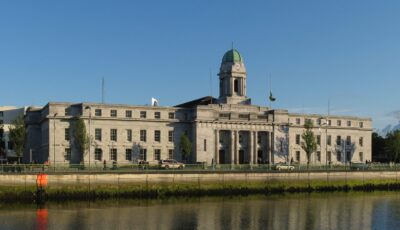
Cork City is the county’s main gateway. Built around the Lee, it brings together museums, markets, heritage, a university, restaurants and a cultural life that justify a stay in its own right. Guide-Ireland already has extensive content devoted to Cork’s monuments and activities, so this county page is not intended to reproduce a detailed city guide.
At regional level, Cork City is chiefly interesting for its position. It provides a base for exploring Blarney, the east of the county, Kinsale and especially Cork Harbour, a vast natural harbour around which several communities have developed with histories closely connected to the sea.
Cobh, situated on Great Island, is the best-known of them. Its history is associated with transatlantic migration and major maritime routes. More broadly, Cork Harbour forms a cultural and port landscape where modern facilities, former fortifications, islands and small towns meet. The pages devoted to Cobh, Spike Island and the harbour’s various sites provide more detail; at county level, the key point is that this natural harbour played a major role in Cork’s economic and human development.
South of Cork City, Kinsale marks an important transition. The town lies at the mouth of the Bandon and is the southern starting point of the Wild Atlantic Way. Its harbour, military heritage and culinary reputation make it a destination in its own right, while also providing an entrance to the landscapes of the county’s west.
As the road continues towards Clonakilty, Rosscarbery, Glandore and Baltimore, the coastline becomes more rugged. Bays, estuaries, beaches and small port towns shape the journey. Road distances may look reasonable on a map, but secondary roads and the many detours towards the coast naturally slow down travel.
This part of Cork is therefore poorly suited to rushed sightseeing. Much of its appeal lies in the journey itself, the villages along the way and the changing scenery rather than in accumulating tourist sites.
West Cork is neither a county nor an official administrative division, but its identity is strong enough to make it one of Ireland’s major tourist regions. The term generally refers to the western part of County Cork, from the areas around Kinsale or Clonakilty, depending on usage, to the far-western peninsulas.
Clonakilty, Skibbereen and Bantry serve as small regional centres. Around them are ports, islands, beaches, farms and numerous villages. This part of the county is also known for its food culture, independent producers and particularly active artistic life in several communities.
History remains highly visible here. The Great Famine left a deep mark on western Cork in the nineteenth century, especially around Skibbereen. Local heritage provides an opportunity to explore this period, while the contemporary landscapes also tell the story of a region long shaped by farming, fishing, emigration and maritime trade.
For a first stay, it is better to choose one or two bases than to change accommodation every night. Clonakilty works well for eastern West Cork, Skibbereen opens the way towards Baltimore and the islands, while Bantry is strategically placed for Sheep’s Head and Beara.
The western end of the county is divided into several peninsulas that give Cork some of its most spectacular landscapes. They should not, however, be treated as interchangeable.
The Mizen Peninsula reaches far into the Atlantic and combines cliffs, beaches, small ports and heathland. Mizen Head is its best-known point, but the peninsula deserves to be explored as a whole rather than reduced to its tip. Barleycove, Crookhaven, Schull and the coastal roads provide a fuller understanding of the area.
Farther north, Sheep’s Head is narrower and generally quieter. Its network of walking trails and small roads makes it suitable for travellers seeking walking and rural scenery rather than major attractions.
The Beara Peninsula is shared between Cork and Kerry. On the Cork side, Glengarriff and Castletownbere are two important bases before continuing towards the peninsula’s tip and Dursey Island. The mountains come close to the sea here, giving the landscape a more rugged character. The Ring of Beara allows visitors to travel around it, but several days are preferable to properly enjoy the villages, walks and coastal detours.
Cork’s geography is inseparable from the sea. Cork Harbour in the east and the great bays of West Cork in the west shelter numerous islands, some inhabited and others accessible occasionally or as part of excursions.
Around Baltimore and Roaringwater Bay, maritime links provide access to several West Cork islands. Farther north, Bantry Bay opens towards Whiddy Island and the Beara Peninsula, while Dursey occupies a spectacular position at the county’s western extremity.
These islands should not be treated as simple extensions of a road itinerary. Crossings depend on available services and sometimes on weather conditions; they are best planned as genuine travel days. Above all, they show how closely Cork’s communities have historically lived in relation to the sea.
West Cork’s strong reputation can sometimes overshadow the eastern part of the county. Around Midleton, Youghal and the Blackwater Valley, the landscape is less rugged but has its own identity, shaped by farmland, rivers, estuaries and historic towns.
Midleton is an important centre east of Cork City and provides access to several parts of the coast. Youghal, at the mouth of the Blackwater, marks the county’s eastern boundary and retains an urban heritage linked to its port and medieval history.
Farther inland, Mallow and the Blackwater Valley offer another way of understanding County Cork. Tourism is less concentrated here than on the western coast, which may appeal to travellers wishing to leave the busiest routes and discover Munster’s agricultural landscapes.
The county’s history stretches back several millennia. West Cork’s prehistoric remains, religious foundations, castles, fortified towns and port infrastructure bear witness to very different periods and are spread throughout the area.
Blarney Castle is probably one of the best-known monuments, but it represents only one aspect of the local heritage. Around Kinsale, fortifications recall the strategic importance of the coast. In Cobh and Cork Harbour, maritime and migration history take centre stage. In West Cork, megaliths, stone circles and more modest remains are integrated directly into the rural landscapes.
The county page is intended to connect these different periods rather than describe every monument in detail. Visitor information, in-depth history and practical advice should remain on the dedicated pages, preserving a clear editorial structure between the general destination and its tourist sites.
Cork’s culinary reputation does not rest solely on the restaurants of Cork City or Kinsale. It is supported by a particularly diverse agricultural and maritime area: dairy farming, market gardening, cheeses, cured meats, artisan bakeries, fish and seafood supply markets, pubs, cafés and restaurants.
West Cork is especially associated with small-scale production and food craftsmanship. Local markets and independent shops are therefore a practical way to discover the county, connecting the landscapes travelled through with what is produced and consumed there.
This aspect deserves to be integrated into an itinerary rather than treated as a separate activity. Stopping at a market, port or producing village helps explain why Cork holds such an important place in Irish culinary culture.
The county’s size is the main trap when planning a trip. Cork City and Cobh can be combined on a short stay, but adding Kinsale, Mizen Head, Bantry and Beara requires several days and many kilometres.
For three days, it is better to choose Cork City and Cork Harbour, or concentrate on one part of West Cork. Five to seven days allow for a more balanced itinerary between city, coast and peninsulas. A full week is not excessive if the aim is to reach Beara while taking time to stop in Kinsale, Clonakilty, Baltimore or Bantry.
A car remains the most practical way to explore West Cork and the peninsulas. Public transport can nevertheless reach several major towns, and Cork City has rail and bus connections with the rest of the country as well as an international airport.
The county can also be included in a longer trip. To the west, Beara leads directly into Kerry; to the east, Youghal opens the way towards Waterford; to the north, roads continue towards Limerick and Tipperary. Cork therefore works equally well as a main destination or as a major stop on a tour of southern Ireland.
More than the sum of Cork City, Cobh, Kinsale and Mizen Head, County Cork should ultimately be understood as a vast and contrasting maritime area. Its identity is best grasped by slowing down, choosing a few areas and leaving room for secondary roads, villages and the landscapes in between.