For nature lovers, Ireland is undoubtedly one of the top birdwatching destinations in Europe. Cliffs, bogs, remote islands… the country attracts hundreds of bird species every year, along with just as many curious travelers, photographers, and ornithologists. Puffins, harriers, gannets: it’s a true feathered festival! Discover our guide to the most beautiful locations, the best seasons, and practical tips—starting with the eSIM, an essential companion for a worry-free adventure.
Ireland: A Haven for Birds and Birdwatchers
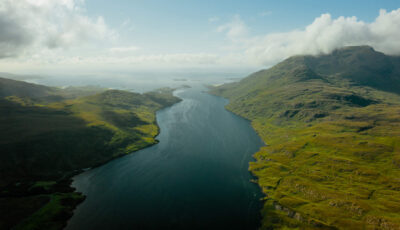
From the bogs of Connemara to the shores of Donegal, Ireland offers an exceptional diversity of habitats. That’s why over 450 species have been recorded on the island.
An Exceptional Feathered Biodiversity
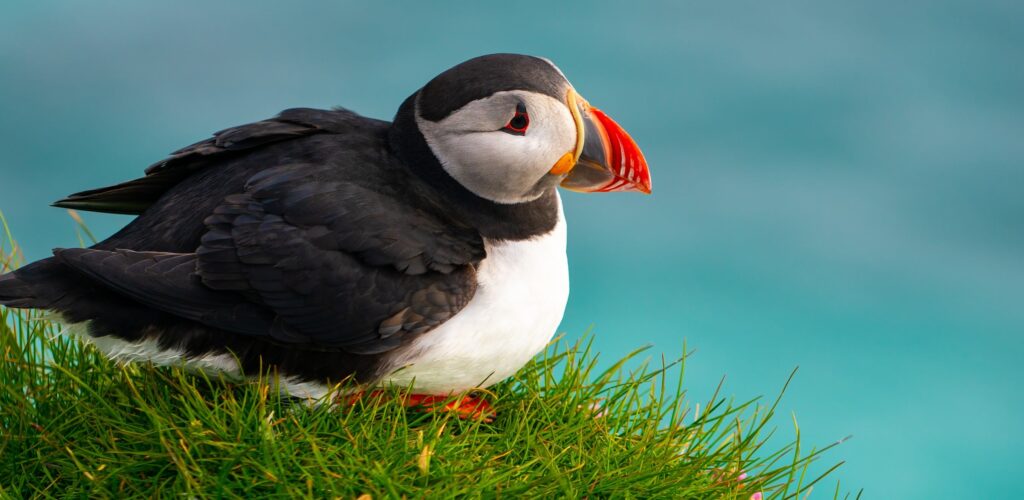
Along the coast, gannets, guillemots, and Atlantic puffins trace spectacular patterns above the Atlantic. In the wetlands, wigeons, white-fronted geese, and whooper swans create a peaceful ballet. On the moors, you might spot the fleeting shadow of a harrier or hear the call of the corncrake.
The Best Seasons for Birdwatching in Ireland
Spring is perfect for nesting and early morning songs. In summer, the cliffs come alive: it’s peak season for seabird colonies. In autumn, migrants arrive from the Arctic, while winter brings a few rare species seeking refuge. April to October is generally the best period, though every season in Ireland has its own charm.
Where to Go Birdwatching in Ireland?
From the cliffs of Clare to the remote islands of Donegal, there’s no shortage of spots to grab your binoculars. Donegal and Tory Island: an isolated paradise
In the far northwest, Tory Island (Toraigh in Gaelic) is a wild gem, home to just a few dozen people and thousands of birds. Here, you can spot terns, puffins, and great skuas in a raw and striking landscape. The island is a hotspot for rare migrants. A guaranteed change of scenery!
Cliffs of Moher and Loop Head: The Realm of Seabirds
The Cliffs of Moher, in County Clare, are world-famous—and not just for the views. From May to July, they’re covered with seabirds: puffins, fulmars, guillemots… Further south, the Loop Head Peninsula also attracts patient birdwatchers, especially in autumn when migrants follow the coastline.
Lakes and Estuaries: The Refuges of the Shannon and Lough Corrib
Inland, Lough Corrib and the Shannon Estuary are major wetland areas. In winter, you’ll see flocks of swans, diving ducks, and wild geese. These sites are perfect for peaceful birdwatching, encouraging slow, respectful nature tourism.
How to Prepare for a Successful Birdwatching Adventure
Gear and Good Habits for the Perfect Birdwatcher
Lightweight binoculars, a spotting scope, a field notebook, and an identification guide are your best allies. Don’t forget waterproof clothing—rain is part of the Irish experience! And above all, keep your distance: birds don’t pose on command, but they do appreciate discreet observers.
Stay Connected with an eSIM
An eSIM is ideal for exploring Ireland hassle-free: activate it before you leave, avoid roaming charges, and access your favorite apps (Merlin Bird ID, eBird, local weather…). The perfect tool for travelers seeking both nature and connectivity.
Preserve and Share: The Beauty of Responsible Tourism
In Ireland, birdwatching is more than just an outdoor activity—it’s a real part of the culture. If you’ve already planned everything—the best birding sites, binoculars, field notebook, eSIM card—why not take your curiosity a step further? Some enthusiasts, like the young Irish ornithologist featured in the documentary “Ireland: The Man Who Listens to Birds”, record bird songs across the island to preserve its rich soundscape. The perfect inspiration for your next nature outing!