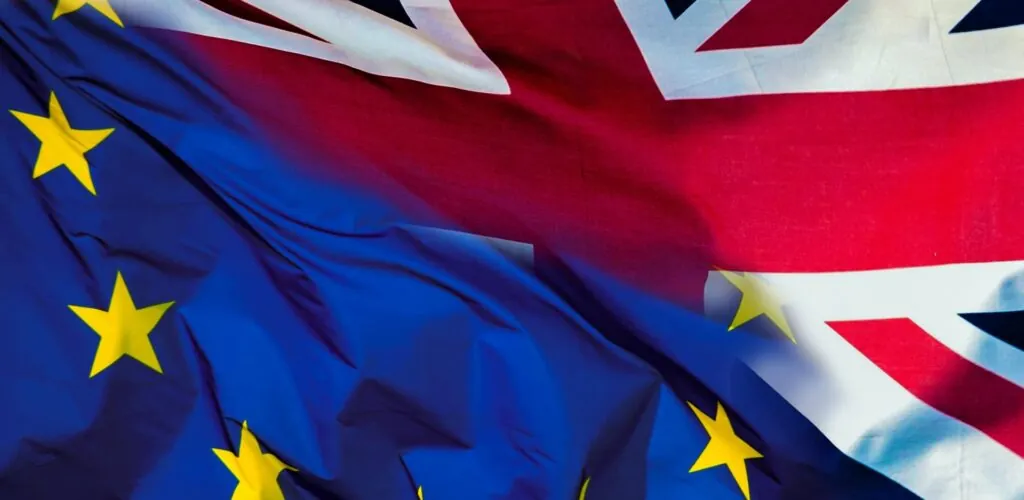
Brexit will officially take effect on Friday, January 31, 2020, at midnight. On this date, the British will say goodbye to the European Union, raising many questions about travel and tourism, especially for those planning to visit Northern Ireland…
What documents will be required? Will there be mandatory procedures to cross the border? Here’s what you need to know.
Brexit: A Two-Phase Shift
Minimal Immediate Impact
Indeed, Brexit will be official and effective as of Friday, January 31. However, travelers can rest assured: 2020 will be considered a transition year. Therefore, no special procedures will be required if you plan to visit Northern Ireland or the United Kingdom during 2020.
London and Brussels have agreed that no changes to free movement within Northern Ireland will be implemented before January 1, 2021.
That’s why, throughout 2020, all European Union rights regarding free movement “will be maintained as if the United Kingdom were still a member of the European Union“, stated the European Commission.
In practical terms: you will be able to travel and cross the border using either an ID card or a passport, depending on your personal situation. No visa will be required for travelers from the European Union.
Additionally, the European Health Insurance Card (EHIC) will remain valid during this transitional period.
What’s Next? The Future for Travelers to Northern Ireland
Although some conditions are still under negotiation, it is certain that the United Kingdom will no longer accept travelers with only an ID card after the transition period ends. London has already made this clear: all travelers from the EU will need to present a passport to enter Northern Ireland and the UK. Furthermore, a visa may be required for stays longer than three months.
It is important to note that the end of the transition period could be postponed. Currently set for early 2021, it might be extended, as many questions regarding the trade arrangements between the UK and the EU remain unresolved.