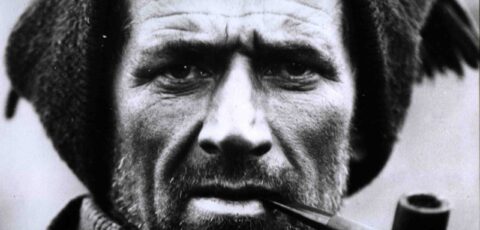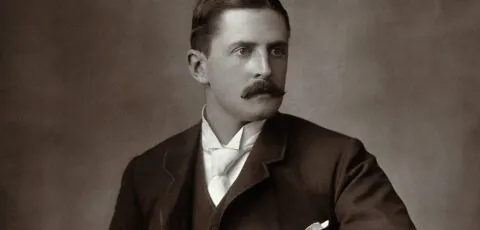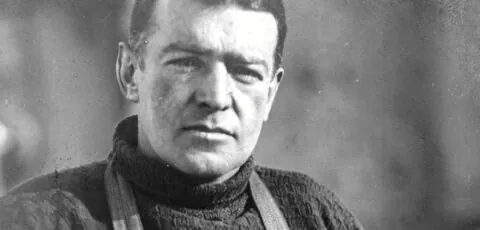


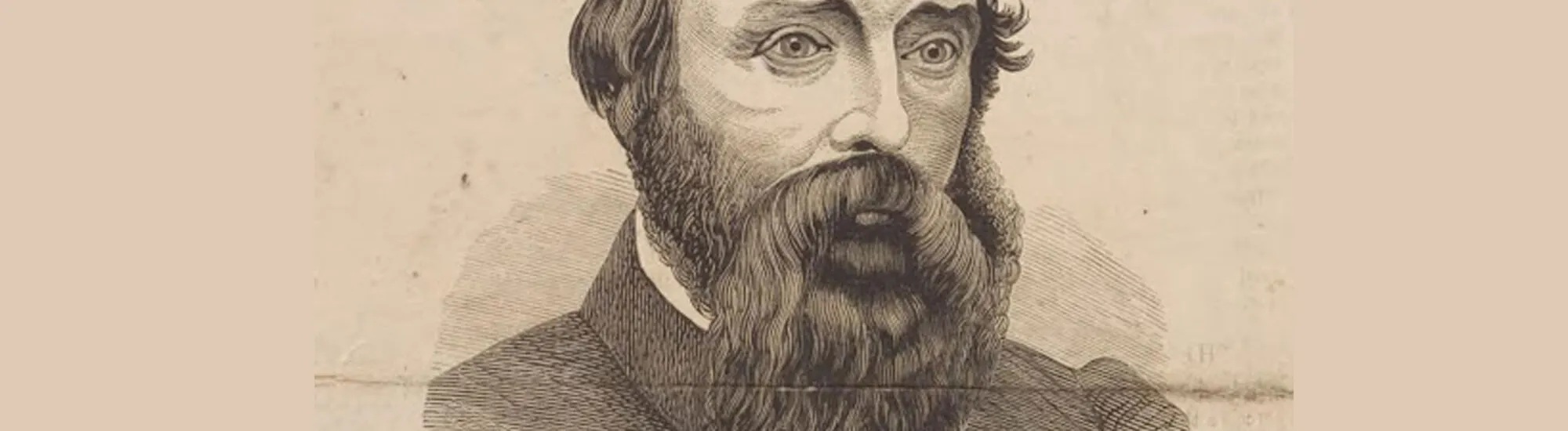
Robert O’Hara Burke is a name that echoes through the history of Australian exploration. Born in Ireland, this explorer is known for his role as leader of one of the most ambitious—and tragic—expeditions of the 19th century: the crossing of Australia. While his tragic fate left a lasting impression, his boldness and determination to explore the unknown made him an iconic figure of his time.
Robert O’Hara Burke was born in 1821 in St. Clerans, County Galway, Ireland. Coming from a wealthy family, he received a thorough education and initially considered a military career. He joined the Austrian army, where he served for several years before returning to Ireland to join the police force. Driven by a desire for new horizons, Burke emigrated to Australia in 1853.
In Australia, Burke joined the colonial police and became a superintendent in the state of Victoria. His adventurous spirit and interest in unexplored lands quickly caught the attention of colonial authorities, who were eager to expand their knowledge of the vast Australian continent.
In 1860, the Royal Society of Victoria launched an ambitious project: an expedition to cross Australia from south to north, from Melbourne to the Gulf of Carpentaria. At the time, central Australia was still largely unknown and considered a vast, arid, and hostile region. Despite his lack of exploration experience, Burke was chosen to lead the expedition, assisted by William John Wills, a surveyor and astronomer.
The Burke and Wills expedition was prepared with impressive logistics: 19 men, 23 horses, 26 camels imported from India, and tons of supplies. Yet from the start, the organization was chaotic. Internal conflicts, Burke’s questionable decisions, and the heavy equipment slowed the progress.
The group eventually reached Cooper Creek, a semi-arid region in central Australia, where Burke decided to split the team. With Wills and two other companions, he pressed on northward, leaving part of the crew at Cooper Creek to wait for their return.
Despite the hardships, Burke and his group nearly reached the Gulf of Carpentaria, accomplishing much of their mission. However, coastal swamps prevented them from seeing the ocean. Running low on supplies, they began the return journey, exhausted and starving.
When they returned to Cooper Creek, they found the camp had been abandoned just hours earlier. Desperate, the small group struggled to survive in the harsh environment, but disease, starvation, and physical exhaustion claimed them one by one. Burke and Wills died in June 1861, leaving behind poignant journals recounting their fight for survival.
Only John King, a member of the group, survived thanks to the help of local Aboriginal people, who provided food and care. He was eventually rescued by a search party.
The Burke and Wills expedition was a human tragedy but contributed to mapping new regions and deepening understanding of central Australia. The story also highlights the resilience and importance of Indigenous peoples, whose knowledge saved John King.
Today, Burke and Wills are celebrated as heroic figures despite their mistakes. Monuments dedicated to them stand in Melbourne, and their story remains a key chapter in Australian exploration history.