

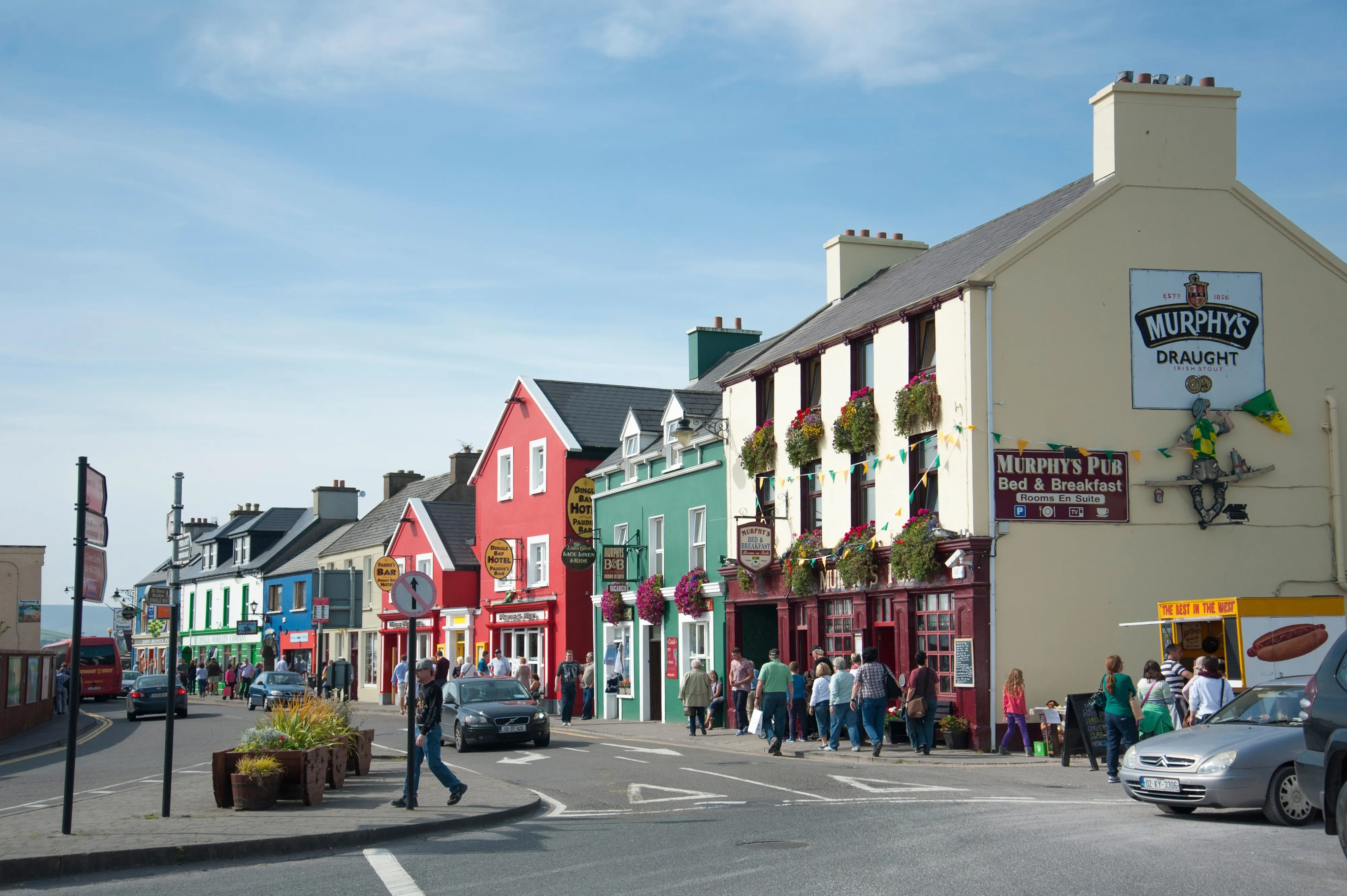
A character may begin with a line, a way of walking or an idea simple enough to fit on a sheet of paper. It then needs a voice, a rhythm and a great deal of work before it can become a film. Animation Dingle brings together those who know this journey and those who are about to embark on it. In the small town of Kerry, screenings sit alongside industry conversations, students meet studios and projects are discussed before they even exist on screen.
The festival is dedicated to Irish and international animation. Its selection of short films offers a particularly interesting introduction: several works follow one another in a single screening, each with its own visual worlds, storytelling approaches and audiences. It is an opportunity to discover sensibilities very different from those of a feature film distributed in major cinemas.
The organisers describe Animation Dingle as a festival whose certain awards provide access to the Oscars qualification process. This recognition does not mean that every film screened is selected for the Oscars; it highlights the place of certain competitions in the journey of these works. For the audience, the main appeal remains discovery: watching a short film as a complete proposition, capable of moving or surprising without following the conventions of a major production.
Animation Dingle was built around students and emerging talent. The programme combines screenings, talks, workshops and meetings with industry professionals. The careers and recruitment fair also allows participants to present their portfolios and ask studios questions.
This dimension explains the atmosphere of the event: people come to see films, but also to understand how they are made and how to find their place in the sector. A presentation can be as interesting for the images shown as for the choices discussed: what is kept from an idea, what changes during production and how a team gives coherence to a world.
For visitors considering animation studies, the festival can therefore be more instructive than a simple succession of screenings. Look out for sessions devoted to different professions and prepare a few specific questions. The discussions are primarily accessible to those who understand the English used in the presentations.
With The Big Pitcher, selected students and recent graduates defend a project before industry professionals. The required submission includes a title, a story presentation and an image, among other elements. The exercise may focus on a series, a pilot episode or a short film: the aim is to make an intention clear enough for someone to want to find out more.
The scheme provides support for the finalists and, for the winner, an opportunity to undertake a paid internship at JAM Media as well as a presentation at Cartoon Springboard. This competition gives the beginnings of a career a very concrete reality. An idea is not judged solely on its originality; it must also be possible to explain its characters, its audience and what makes it achievable.
If you would like to apply, consult the official conditions for The Big Pitcher. Registering for the festival does not replace selection for the competition, and the participation terms apply individually.
Before the short-film programmes, very brief animations, known as stings, introduce the festival. They are the subject of a student competition inspired by the An Phiast mascot. A shared theme provides the starting point, then each team develops its own visual response. These opening films are a good opportunity to observe how the same constraint can produce very different ideas.
Watch them as small works in their own right: an immediately recognisable silhouette, a punchline or an unexpected movement can be enough to give a character its personality. The festival also retains an art auction component supporting charities, another way of circulating creative work and bringing its community together.
The event welcomes students, professionals and animation enthusiasts. For a film buff, the appeal lies in the screenings and meetings; for a creator, in dialogue with the teams and opportunities to present their work. Parents should examine the screenings on offer rather than assume that every animated film is suitable for children.
The official pass provides access to several types of event during the festival; check its category and conditions when booking. Also remember accommodation: the organiser recommends planning ahead in a town whose capacity remains limited. Staying in Dingle makes it easier to meet people and travel between events, while accommodation on the peninsula requires you to arrange your return after activities.
Essential information to help you plan your visit, including key landmarks, access information, and booking options.
Dingle et lieux précisés dans le programme, comté de Kerry, Dingle, Dingle Peninsula, County Kerry, Republic of Ireland, Tourist sites in Ireland