The Conor Pass
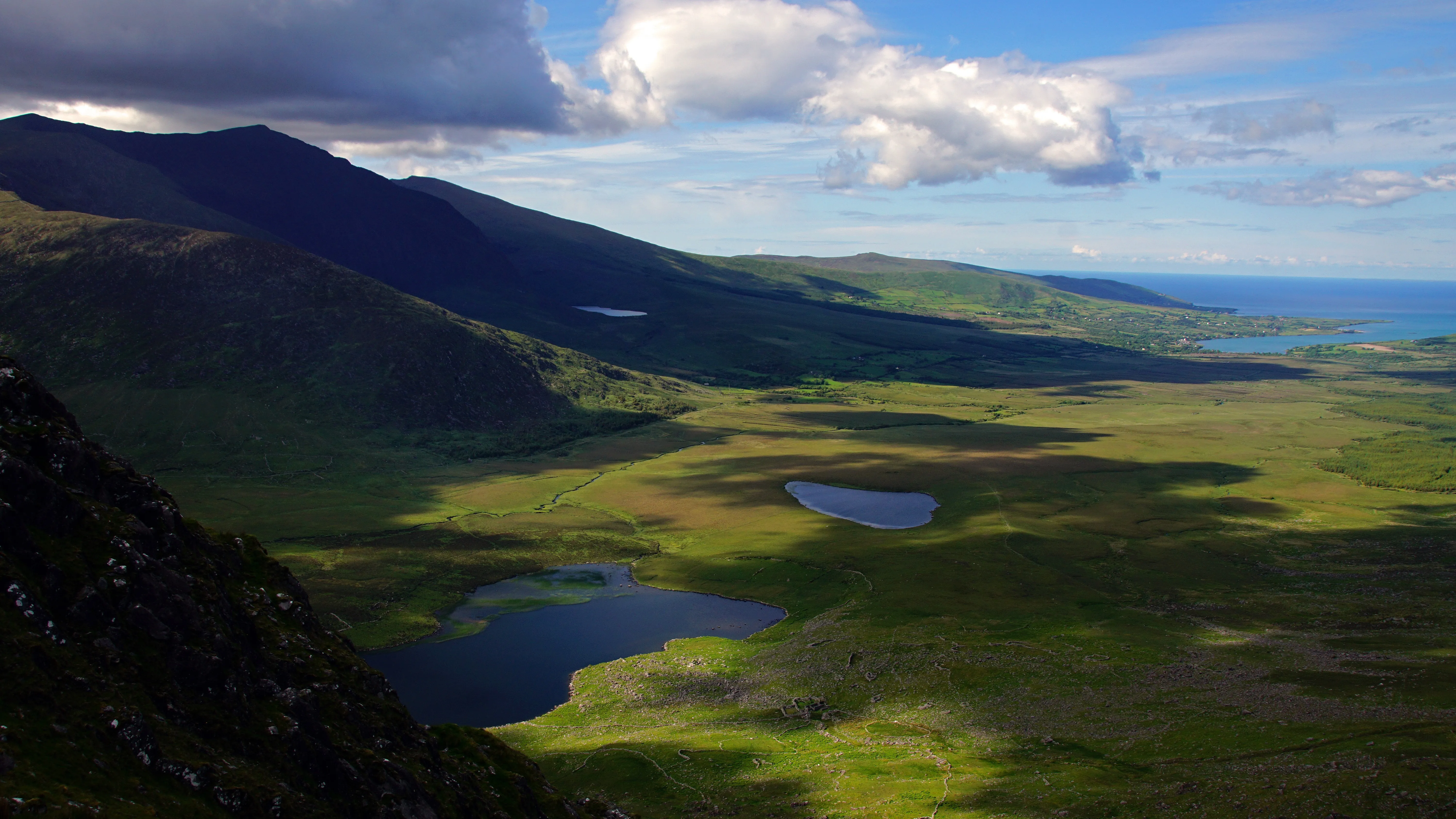
If you're a fan of the great outdoors and enjoy hiking, then Conor Pass is one of the must-see tourist attractions! Located…


 Tourist attractions
 Irish Restaurants and Pubs
 Partner Accommodations
 Campgrounds and Lodging
If you're a fan of the great outdoors and enjoy hiking, then Conor Pass is one of the must-see tourist attractions! Located…
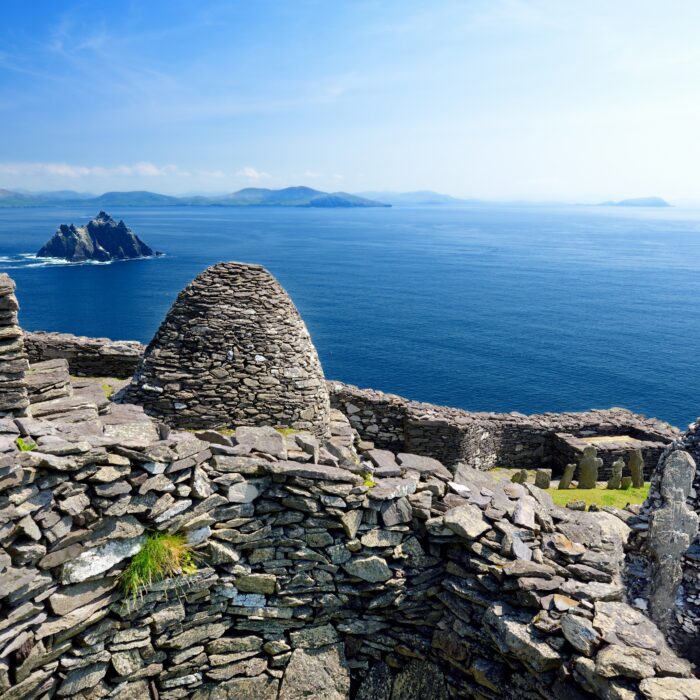
The monastic village of Skellig Michael refers to an ancient religious settlement on theisland of Skellig Michael in Ireland. Perched in one…
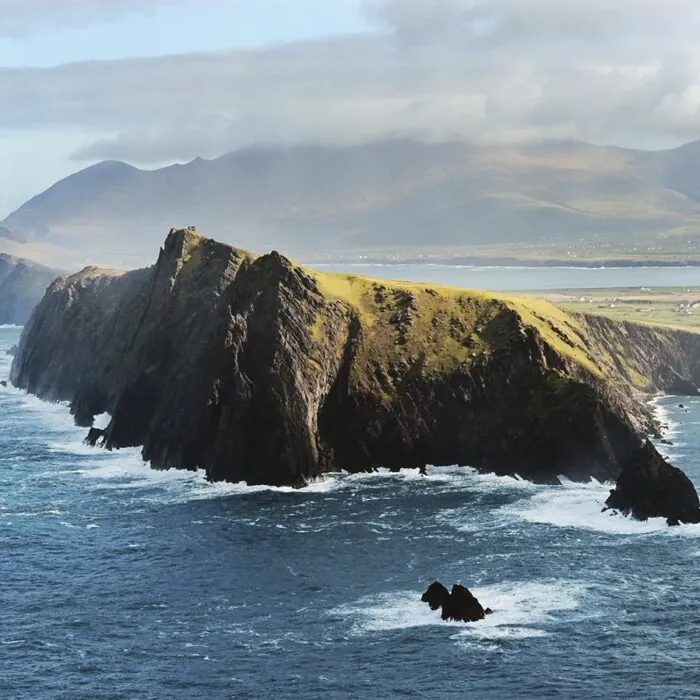
Sybil Head, or Ceann Sibéal in Irish, is one of the great wild headlands of the Dingle Peninsula in County Kerry. Rising…
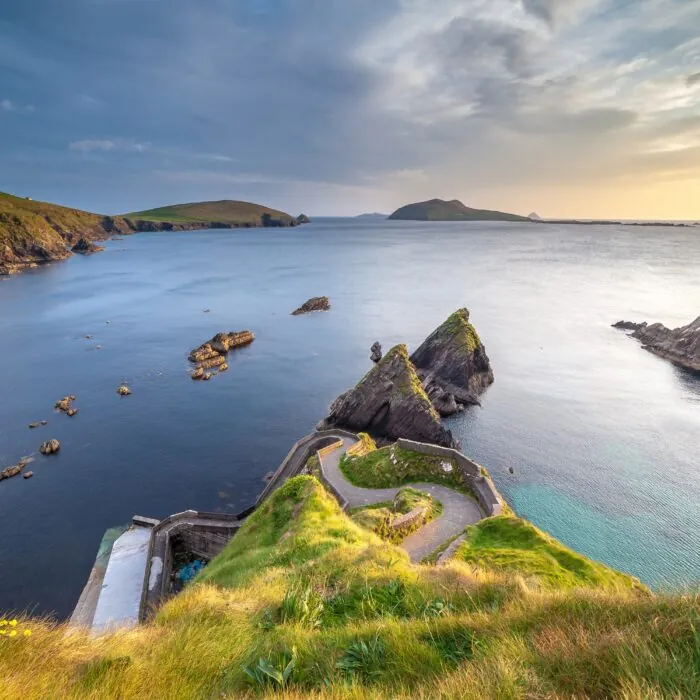
Dunquin Harbour is a small Irish port on the Dingle Peninsula. It offers an exceptional view of the bay, the ocean and…
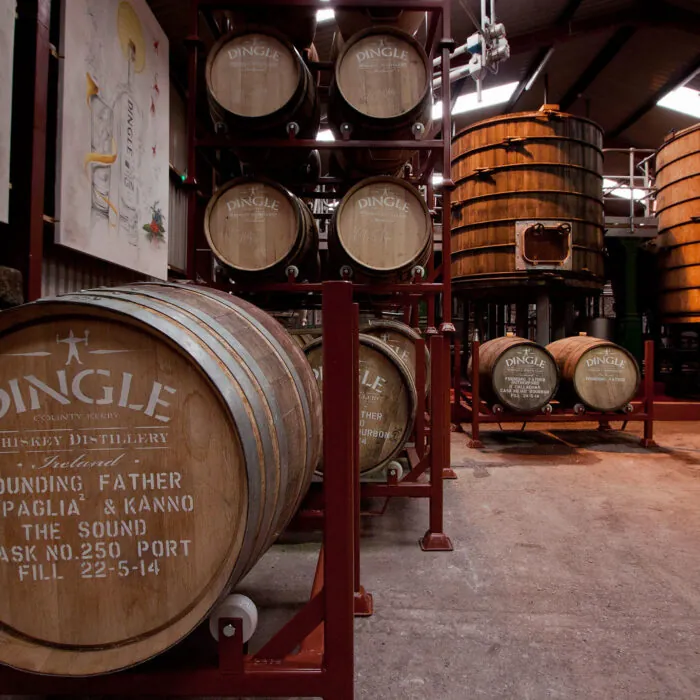
If you'd like to take a tour of Irish distilleries, then don't miss a visit to Dingle Distillery in County Kerry. Opened…
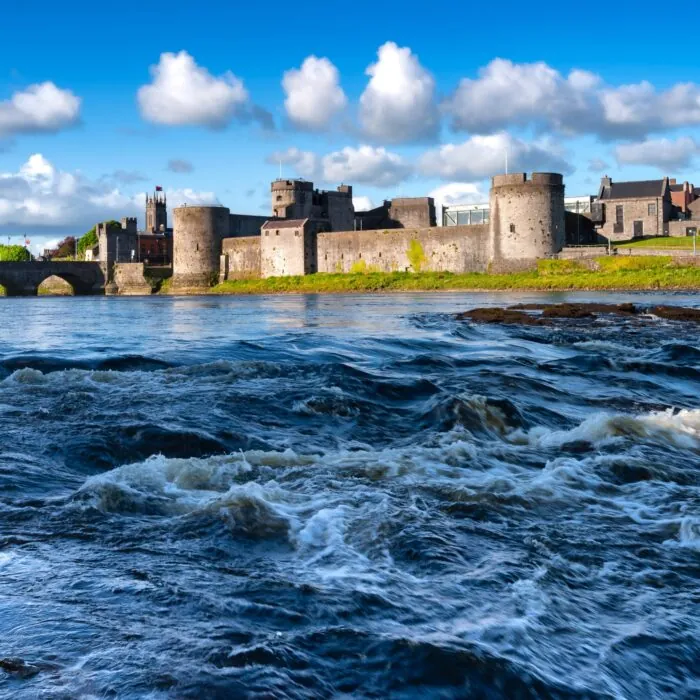
Built on the banks of the Shannon in the heart of Limerick, King John’s Castle is one of Ireland’s most impressive medieval…
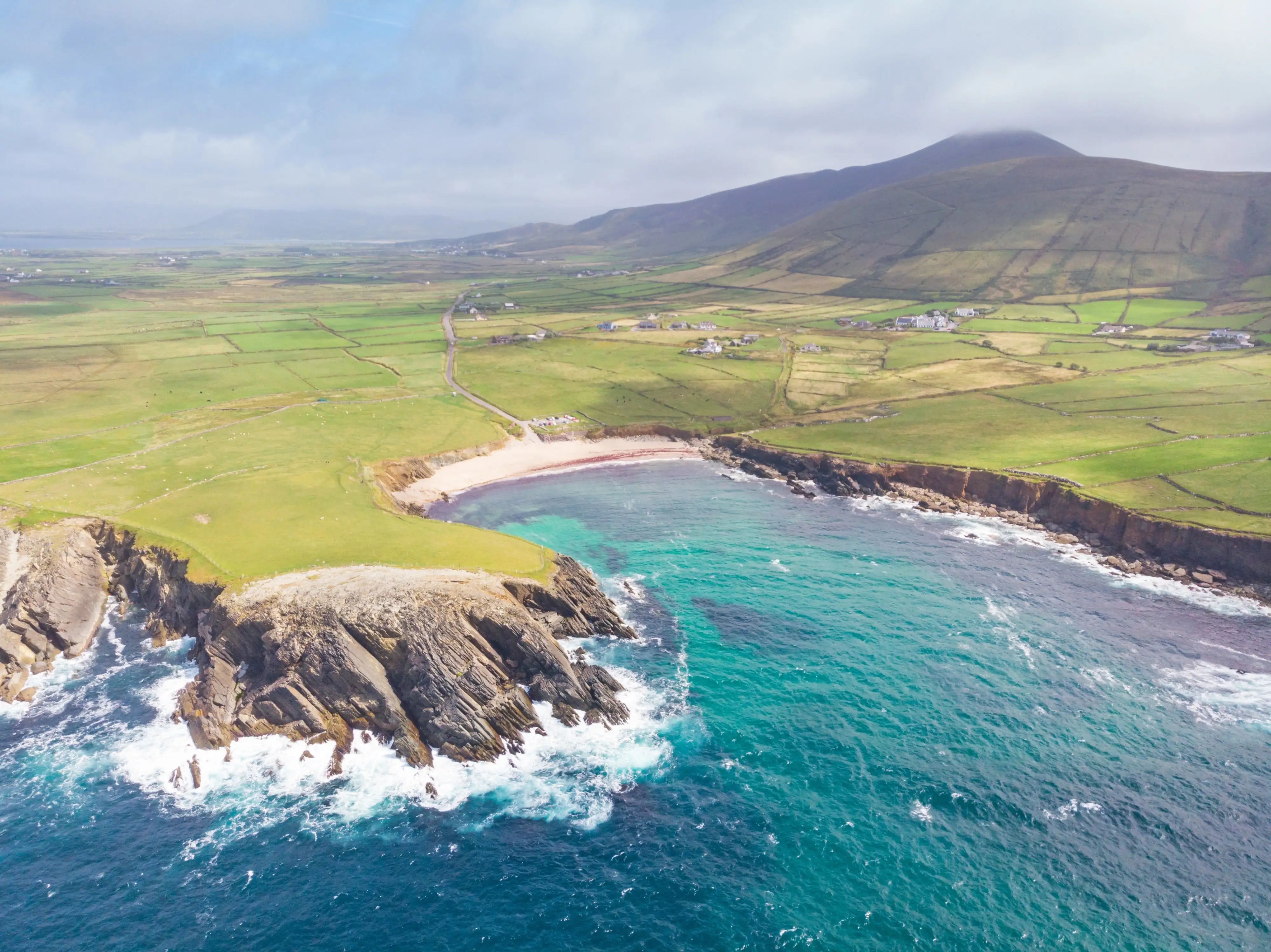
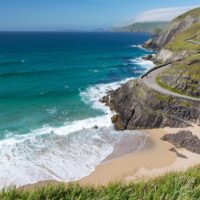
Located on the Dingle Peninsula, Clogher Strand is one of the region's most beautiful beaches! On the menu: wild landscapes, rugged coastline…
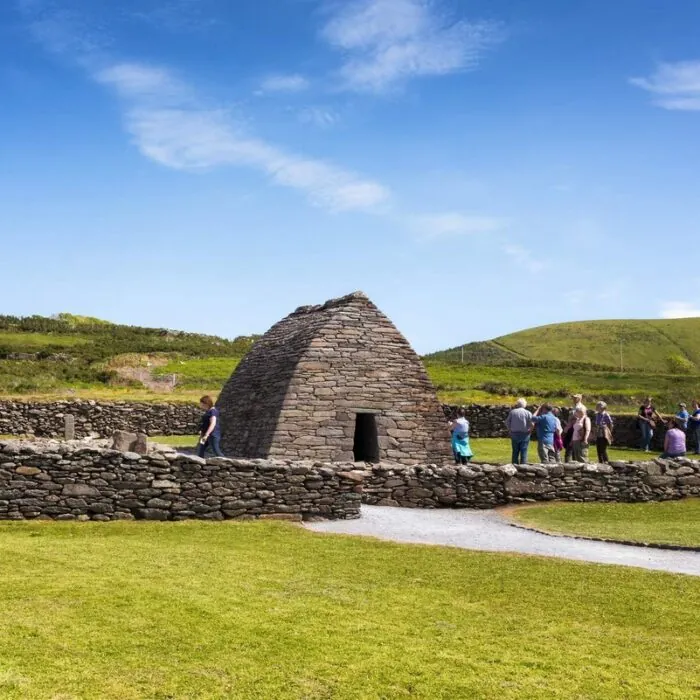
Gallarus Oratory is a real curiosity in County Kerry! It is thought to be a 7th-century church whose shape is reminiscent of…
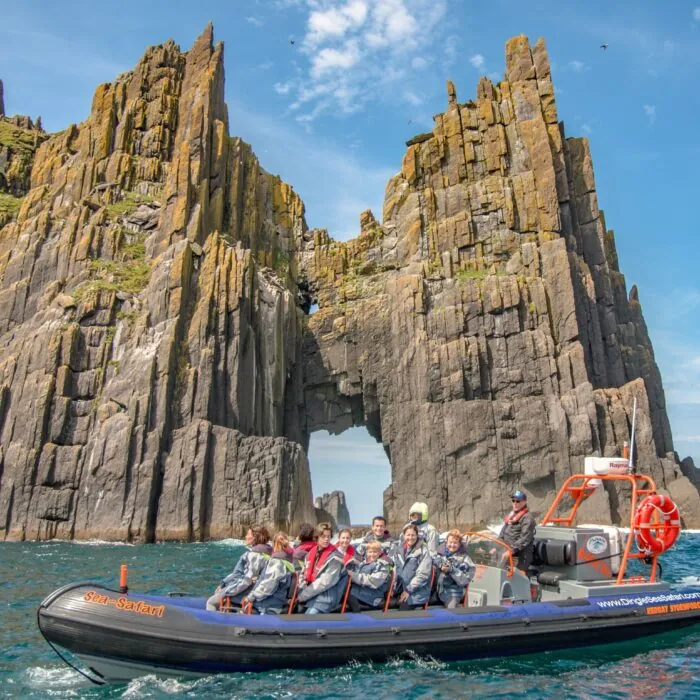
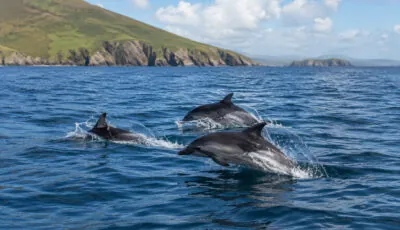
Want to explore the coast of Dingle and its Peninsula by boat? We recommend the Dingle Sea Safari, which offers boat trips…
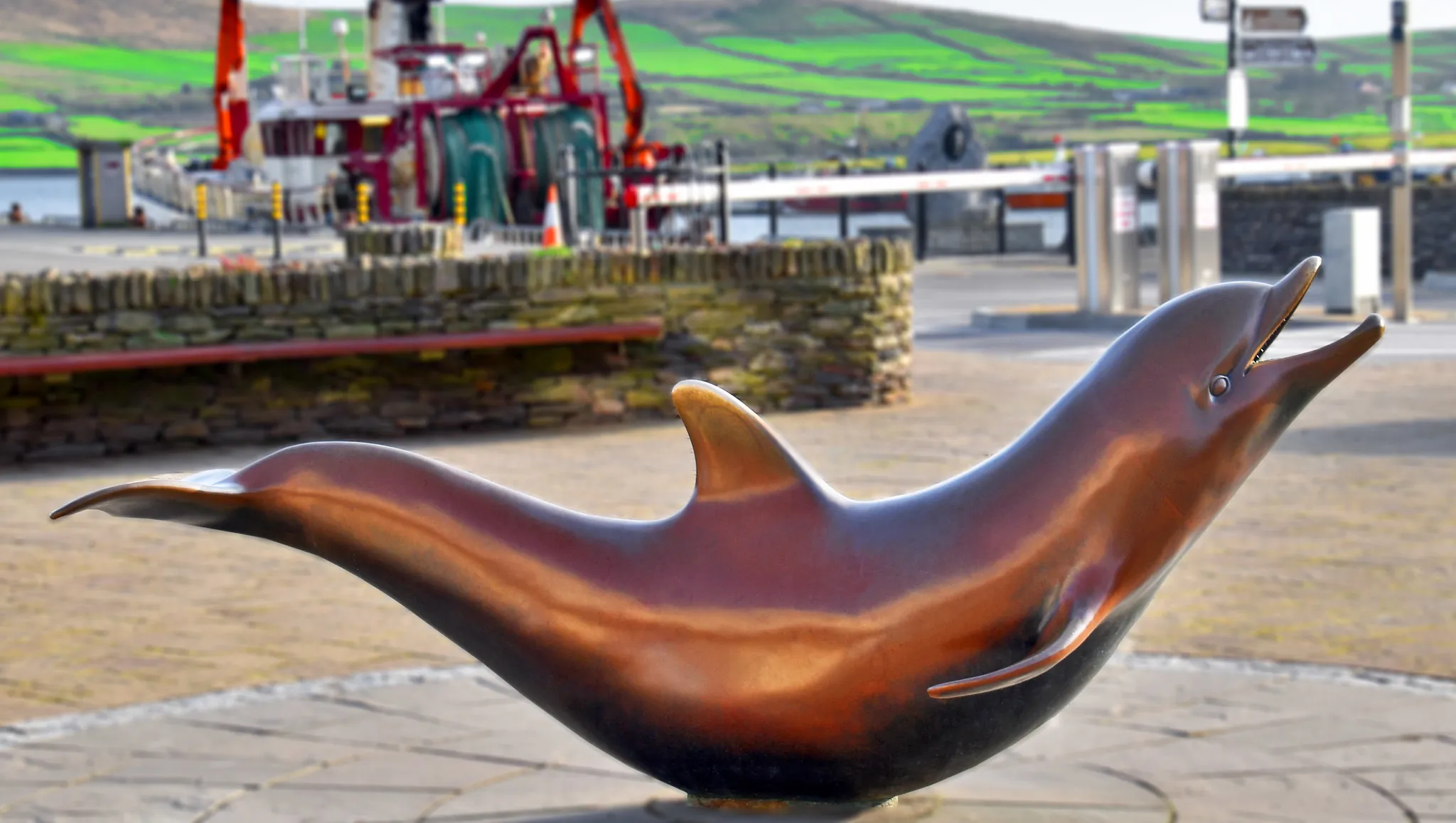
The Dingle Dolphin Tour is sure to delight dolphin lovers! Take a boat out to discover the Fungie dolphin, and play with…



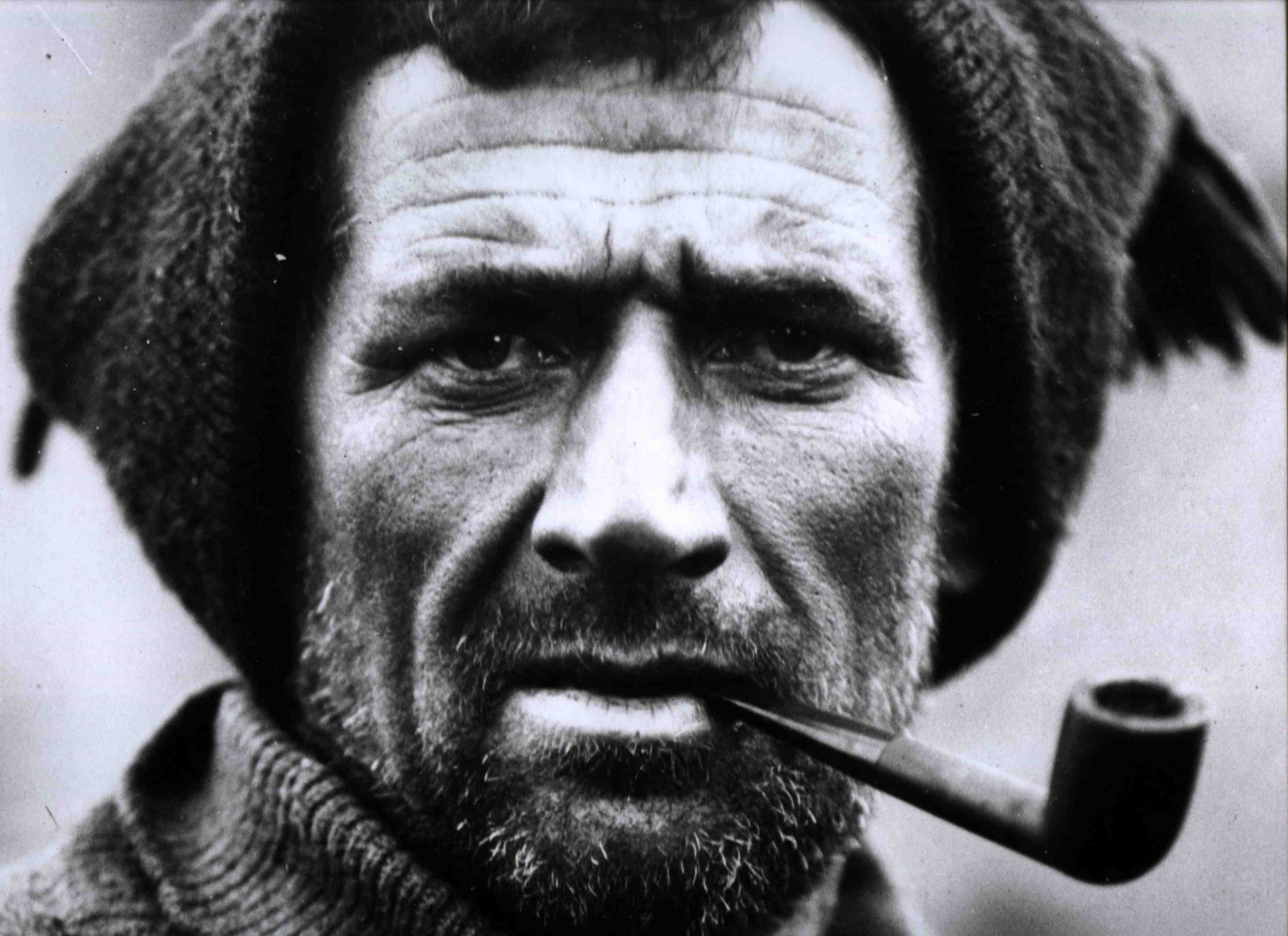
Thomas Crean (July 20, 1877 - July 27, 1938) was one of the greatest Irish explorers in history! Known for his courage and physical…
A land shaped by tradition, wind and ocean.
Find a comfortable place to stay and make the most of your trip to Ireland.
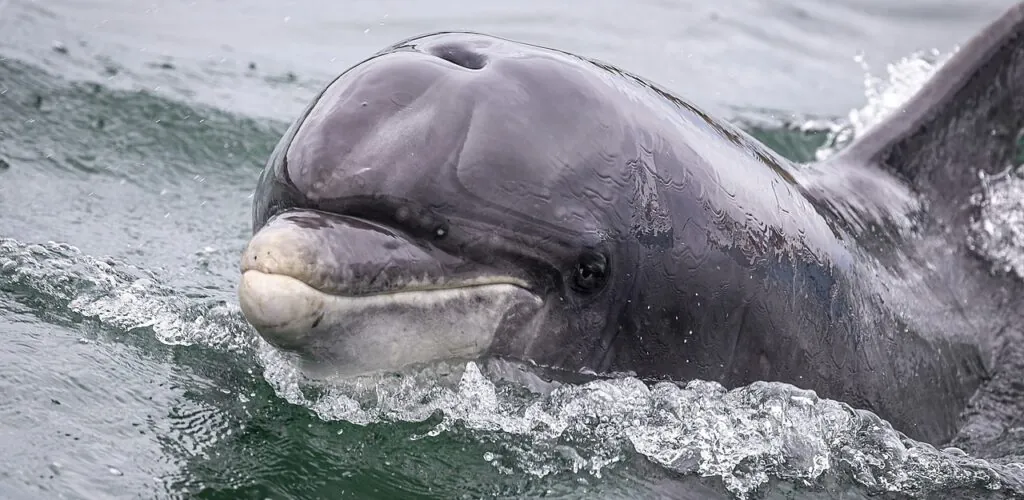
He had become a true legend in Dingle. For nearly four decades, Fungie swam in the waters of County Kerry, accompanying boats…

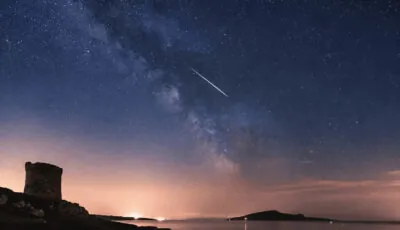

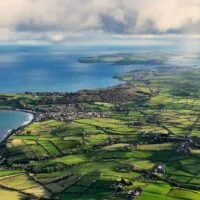
At the far western edge of County Kerry, the Dingle Peninsula (Corca Dhuibhne in Irish) extends nearly 50 km into the Atlantic. It is one of the most spectacular parts of south-west Ireland and a major stop on the Wild Atlantic Way. Within a relatively compact area, mountains, glacial valleys, long sandy beaches, cliffs, small coves, pastures and ocean-facing villages follow one another. The peninsula is dominated by the Mount Brandon range and flanked to the west by the Blasket Islands, which appear to extend the land farther into the Atlantic.
Geography shapes much of Dingle’s character. It is the northernmost of Kerry’s major peninsulas and measures about 21 km at its widest point. To the south lie Dingle Bay and the broad beach at Inch; to the north, the land slopes down towards Brandon Bay and the Castlegregory area. Between them rise the Slieve Mish Mountains and the Brandon range, giving the interior a far more rugged character than the coastal scenery might suggest.
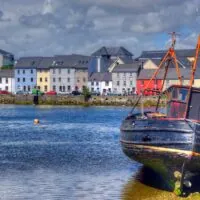
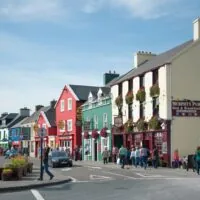
The small town of Dingle, or Daingean Uí Chúis, is the most convenient base for exploring the western peninsula. Its harbour, lively streets, pubs, restaurants and strong musical tradition make it much more than a simple starting point. To the east and north, Annascaul, Castlegregory and Cloghane reveal other sides of the peninsula, while Ventry, Dunquin and Ballyferriter provide access to the heart of the Gaeltacht and the defining landscapes of its western tip.
West of Dingle, the Slea Head Drive — Ceann Sléibhe — forms a scenic loop of about 48 km. The road follows a deeply indented coastline, passing Ventry, the area around Fahan, Dunquin and Ballyferriter before returning to Dingle. On clear days, views extend to the Blasket Islands and, from some locations, to the Skelligs off the Kerry coast. Beaches, cliffs, headlands and traces of early settlement are concentrated along the route, helping to make it one of the peninsula’s best-known drives.
Conor Pass offers a very different experience. This mountain road connects Dingle with the north of the peninsula through a landscape carved by glaciers. Lakes, rock faces and steep-sided valleys replace the sea views of Slea Head. The road is spectacular but extremely narrow in places, so it requires extra care and is unsuitable for some vehicles.
The peninsula is also well worth exploring on foot. The Dingle Way, a waymarked 162.9 km trail, follows a large circuit beginning and ending in Tralee. The full route is generally completed over seven days and crosses beaches, coastal paths, mountains, countryside and villages. It shows how much more there is to Dingle than its famous scenic drive: much of the peninsula’s identity lies in its rural landscapes and areas away from the main tourist routes.
The Dingle Peninsula has a particularly strong cultural identity. Its western section forms part of the Corca Dhuibhne Gaeltacht, one of the regions of Ireland where Irish is still used as a community language. Visitors will therefore frequently encounter Irish place names, including Daingean Uí Chúis for Dingle, Dún Chaoin for Dunquin and Baile an Fheirtéaraigh for Ballyferriter.
This culture is not merely a backdrop for visitors. It is expressed through language, traditional music, local stories and a significant literary heritage. The Blasket Islands, evacuated in 1953, produced a remarkable body of autobiographical literature in Irish. The Blasket Centre in Dunquin now places the islanders’ history, living conditions and writings within the wider context of west Kerry culture.
Dingle is also rich in heritage. The peninsula has a high concentration of monuments and remains from different periods of Irish history, including stone forts, inscribed stones, ecclesiastical sites, dry-stone clocháns and traces of former settlements. Gallarus Oratory, near Ballyferriter, is one of the area’s best-known monuments. Closer to Slea Head, several archaeological sites bear witness to the long history of settlement along this coast, despite its exposure to Atlantic winds and storms.
Landscape and heritage are closely intertwined here. Many monuments stand amid pastures or overlooking the ocean, with no clear divide between historic sites and the natural environment. This continuity gives the peninsula particular depth: today’s roads cross a landscape shaped by centuries of farming, fishing, pilgrimage, religious traditions and community life.
It is possible to see part of Dingle in one day, but this requires careful choices about where to stop. Distances can be deceptive: minor roads are narrow and winding, while the many viewpoints and heritage sites provide frequent reasons to pause. For a first visit, two days on the Dingle Peninsula is a comfortable minimum. One day can be devoted to Dingle and Slea Head, followed by a second for Conor Pass, the north of the peninsula, Inch or a walk.
With three to four days, the trip becomes much better balanced. This allows time for an outing to the Blaskets when conditions permit, several walks, beaches and quieter areas, without reducing the visit to a succession of photo stops. Walkers planning to complete the entire Dingle Way should allow about a week.
Dingle’s reputation is often built around Slea Head, but limiting the peninsula to this loop would mean missing much of what makes it special. Its appeal lies in the combination of Atlantic landscapes, mountains, heritage, the Irish language, villages and outdoor activities. The south around Inch bears little resemblance to the Dunquin coastline; the valleys of Conor Pass contrast with the northern beaches; and Dingle harbour has a different atmosphere again from the Gaeltacht villages.
It is also especially well suited to slow travel. Driving less, walking more, stopping in villages and allowing the weather to change your plans often provides a better understanding of the area. Conditions can shift quickly along this coast, which is directly exposed to the Atlantic, transforming a landscape completely within a few hours.
For a first visit, staying in Dingle provides easy access to Slea Head and the widest range of services. Travellers seeking more peace and quiet may prefer the western peninsula or the Ballyferriter area. In the north, Cloghane and Castlegregory are good bases for the landscapes of Brandon Bay, walking and outdoor activities.
A car offers the greatest freedom, but it is not essential for every experience. Dingle can be reached by public transport from Tralee, and local options for exploring Slea Head without driving include organised tours and cycling. Walkers can also follow several routes to discover the peninsula at a much slower pace.
Whatever the length of your stay, it is best to keep your plans flexible. A clear day may be ideal for Slea Head or a boat trip, while cloudier weather may suit heritage sites, villages and museums. This flexibility is particularly useful on the Dingle Peninsula, where the Atlantic climate is an integral part of the experience.