
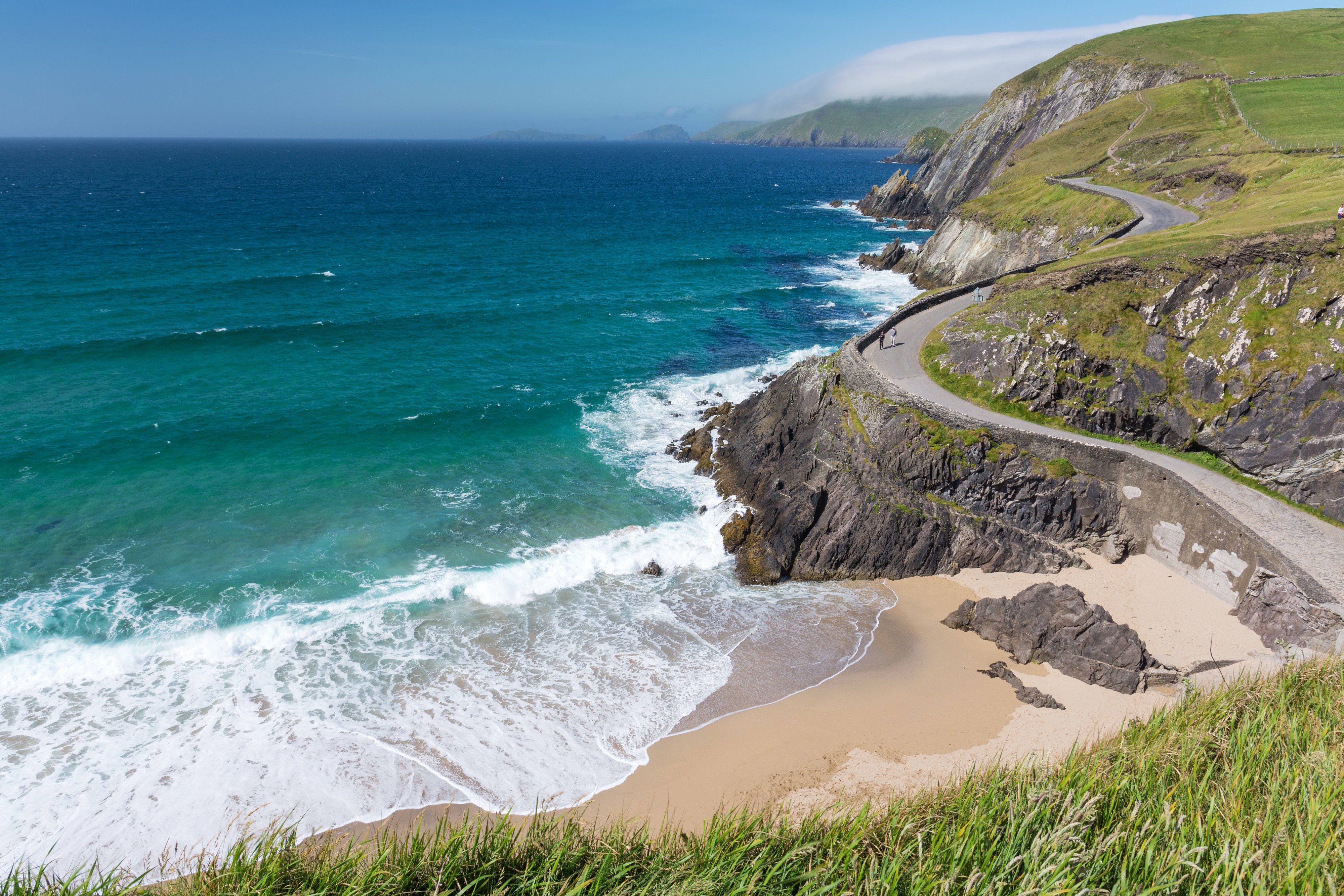
A song in a garden, a reading in a bookshop, a creation that suddenly takes to the street: Féile na Bealtaine invites visitors to see the Dingle Peninsula through the eyes of those who live there. The festival brings together music, poetry, theatre, visual arts and meetings, with an essential place for the Irish language. The forms change, and so do the venues; what they have in common is a desire to create together, driven by the volunteers of Corca Dhuibhne.
At the heart of the event was Dr Micheál Fanning, a GP and poet. The account published by the festival describes his desire to give the peninsula’s artistic resources a space in which to express themselves. The creative work was intended to involve not only invited artists, but also local residents, local voices and people who would not automatically have considered themselves artists.
After his death, a team came together to continue the project. This continuity helps explain the character of Féile na Bealtaine: a collective organisation whose programme draws on human relationships, loaned venues and contributions. The festival still operates under voluntary direction. This history explains why engaging with the area is given as much importance as the programme itself.
The programmes bring together concerts, readings, performances, exhibitions and talks. The archives give an idea of this variety: poetry at Dick Mack’s, exhibitions at An Díseart, a gathering at Dingle Bookshop, events at the courthouse and performances in venues across the peninsula. The venues become a way of reading the festival, and sometimes of discovering a place you might otherwise simply have passed.
Music itself takes several forms. An open session led by musician Niamh Varian-Barry, announced in an earlier programme, invited participants to bring their instruments. Other events are built around a stage and a seated audience. This diversity allows visitors to choose between listening, talking and taking part; the archives shed light on the spirit of the festival without promising that the same artist will return.
The street theatre parade is one of the striking images associated with Féile na Bealtaine. The previous edition was notably built around birds, a theme reflected in the creations and the procession. The festival highlighted the participation of artists, teachers, children and families in the preparations. The parade can therefore also be seen as the visible result of a shared undertaking.
For a travelling family, this collective dimension can be particularly engaging: it makes part of the festival accessible without requiring visitors to follow a lengthy text. The theme, route and content of the next parade will nevertheless be specific to the announced edition. Images of an earlier procession give an idea of the participants’ inventiveness, not a programme to be repeated identically.
The Irish language is part of Féile na Bealtaine’s artistic identity. It features in readings, songs, theatre and conversations. The previous programme used a marker to indicate events where Irish could be heard. This information helps visitors make their choices without reducing the language to a piece of folkloric decoration.
For French-speaking visitors, visual performances, exhibitions and some musical events offer immediate points of entry. A reading or debate requires a different level of understanding. Check the language and format of the event before booking; a bilingual presentation in the programme does not necessarily mean that the entire performance will be translated.
If you play an instrument, an advertised open session can create a different kind of exchange from a concert. However, check how it works: the idea is to join in shared musical practice, with its tunes and collective listening, rather than automatically attend an introductory workshop.
Dingle hosts many events, but the festival also extends into other parts of the peninsula. Earlier programmes mention Ballyferriter, Feothanach and Cloghane in particular. Before choosing two consecutive activities, check their addresses: appearing close together on a page does not mean they will be easy to reach on foot.
The organisers encourage ride-sharing and the use of local transport. Grouping a few events in the same area also leaves time for exhibitions and conversations. When travelling as a family, alternate an activity that requires concentration with a more flexible option; the sections devoted to children can help you create this rhythm.
Consult the official Féile na Bealtaine programme for bookings and addresses. An event advertised as free may still require registration. The conditions of any pass should be read separately, particularly for events in the associated programme, the fringe.
Essential information to help you plan your visit, including key landmarks, access information, and booking options.
Dingle et lieux précisés dans le programme, comté de Kerry, Dingle, Dingle Peninsula, County Kerry, Republic of Ireland, Tourist sites in Ireland