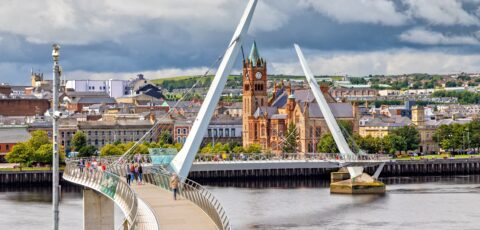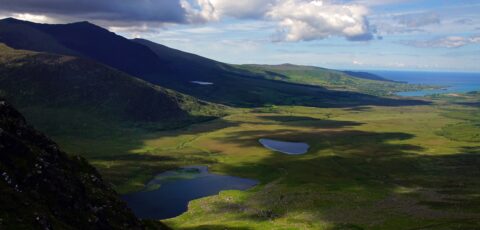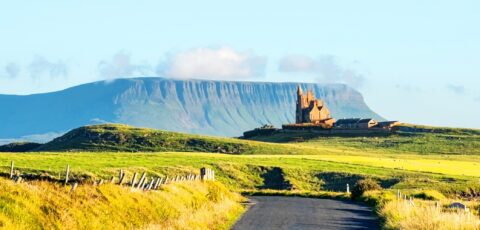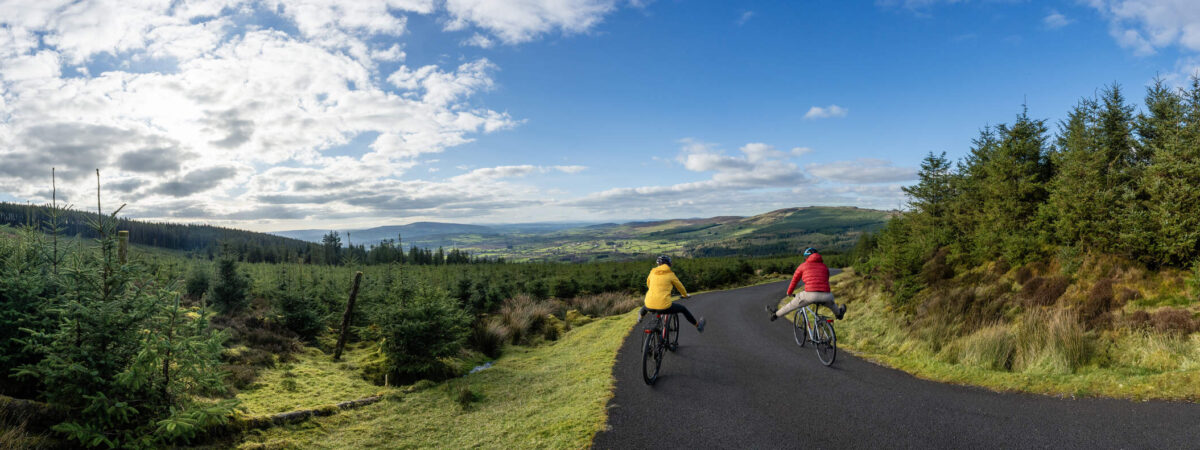
Ireland has been a land of narratives since time immemorial, but nowadays, these narratives are being told as they happen. Even if out-of-date guidebooks are still there to help, the contemporary trip to Ireland starts way earlier than the packing of a suitcase. It moves on to a display, over a digital portal that shows the island not as a string of glossed pictures, but as a living, breathing event.
Through the use of short-form video and spontaneous photography, Ireland is being experienced anew through “lived moments.” The new visibility is changing the way travelers perceive, plan, and eventually fall in love with the country.
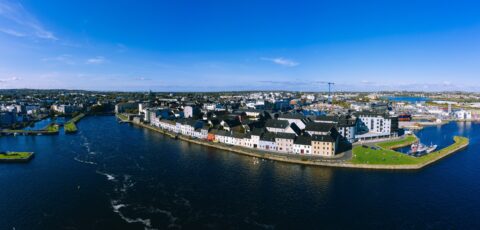
The most attractive digital presence of Ireland today is found not in the high-budget commercials, but in the quiet, unscripted rhythms of daily living. The travelers’ demand has shifted from idealized perfection to the realism of a misty morning at the Wild Atlantic Way or the blue hour haunting the cobblestones of Galway.
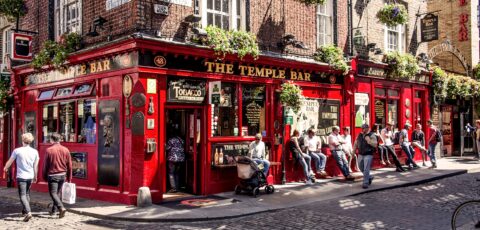
A video that shows the wind sweeping across County Clare or the slow, golden light falling on a village pub earns people’s trust of a special kind. These reality bits give the would-be visitors a glimpse of Ireland as it really is—dynamic, ambient, and warmly inviting. It substitutes the “urgency” of classic tourism with a feeling of being at home; hence, the place feels close and real. Content that circulates through real followers that will boost your tiktok tends to feel more authentic, showing daily rhythms instead of idealized versions of travel.
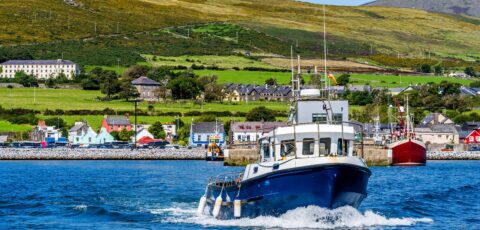
Ireland’s geography is its greatest protagonist. But social media changed the view of the world-famous places like the Cliffs of Moher and the Giant’s Causeway. We do not just look at still, large pictures, but rather can see the extent and the transformation.
Digital storytelling often focuses on the journey itself:
These visuals emphasize pace over spectacle. They show that exploring Ireland isn’t about rushing from one landmark to the next; it’s about the atmosphere of the drive and the ever-changing Atlantic light.
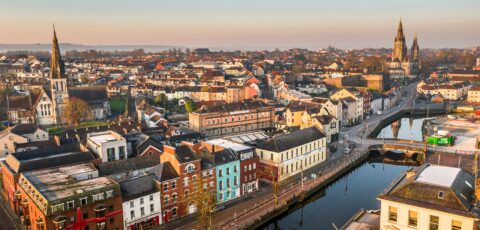
No doubt, social media is the main platform where viewers can see the true Irish culture. When it comes to the case of a traveler, he could sense the traditional music vibes in Cork or even get acquainted with a local artisan’s craft in Donegal months before his visit.
The soft and sweet accent in a rural café and the delightful smell of seafood chowder definitely evoke the culture. By the time the tourist actually gets to Dublin or Shannon, they are not odd ones out—they come with the knowledge of how daily life goes. This closeness softens the “tourist’s anxiety”, and thus, visitors are more likely to interact with the local people.
The visibility of the seasons in Ireland is one of the chief benefits of the social media-based discovery. The passive observers view not only the summer, characterized by long and violet sunsets, but also the winter, which has a cozy, fire-lit charm, and the spring with its vibrant and sudden greens.
The travelers constantly updated on the seasons will be the ones who decide to visit. It will be summer and winter, spring and fall, and probably the “shoulder seasons” as well and thus local tourism will be supported all year round.
Social media has indeed caused a profound change in the journey of the user from scrolling the page to exploration of the destination. Thus, travelers who have followed the Irish landscape and culture through the lens of a good-quality camera for months will have their expectations grounded in reality.
This is the reason why a layered travel experience is created. Tourists no longer just want to see the major attractions, but they are going to the exact places of Ireland that were in sync with them on the web. They take longer in the region, utilize the paths that are least traveled, and reach the hidden berths first seen by them in a 15-second video clip.
In short, social media has not changed the attractiveness of Ireland; it has just made it easier to visit. The digital world is leading the tourists back to the Emerald Isle, the place they consider their home, by focusing on the real, the raw, and the rhythmic.







 More news