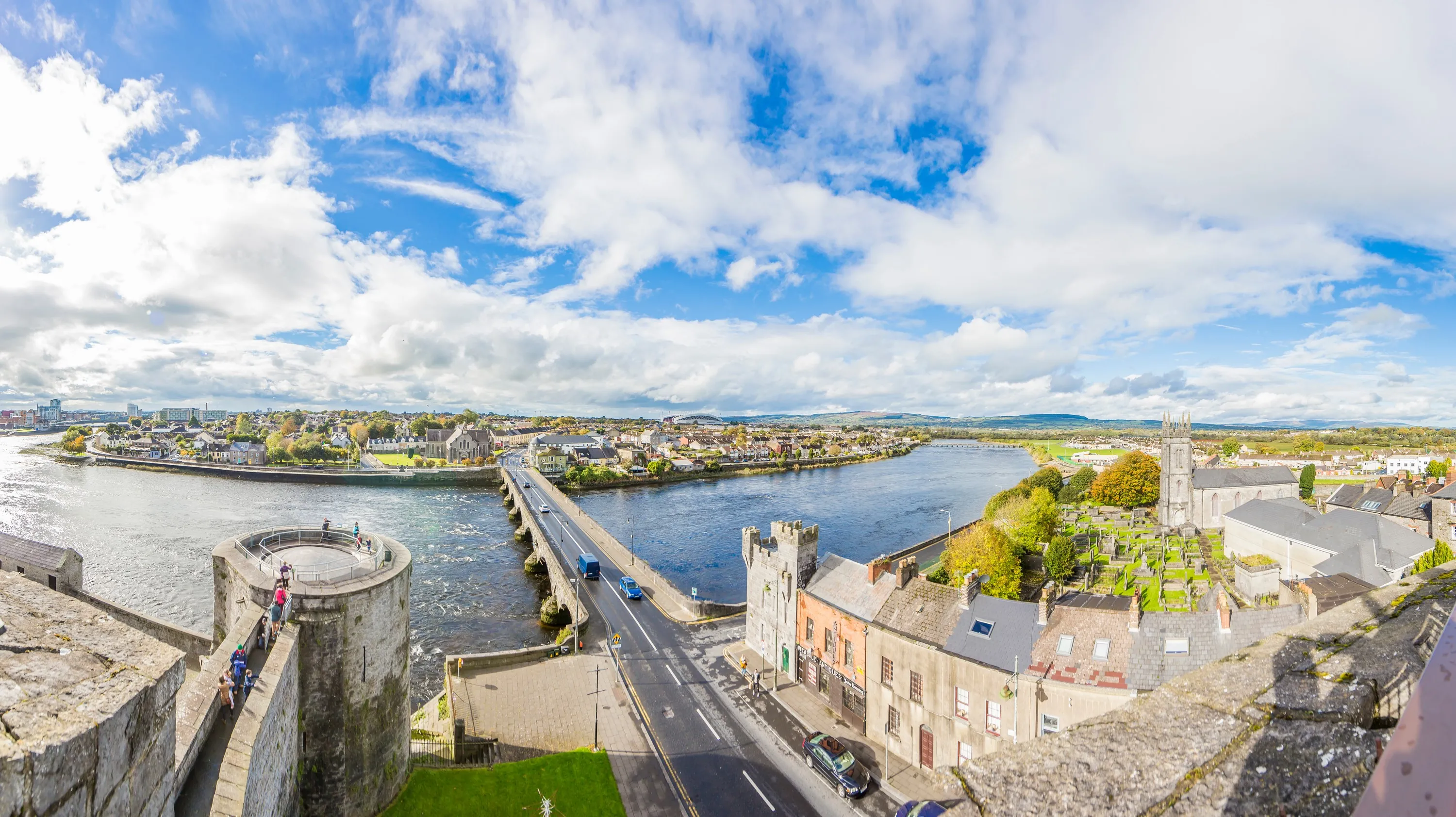
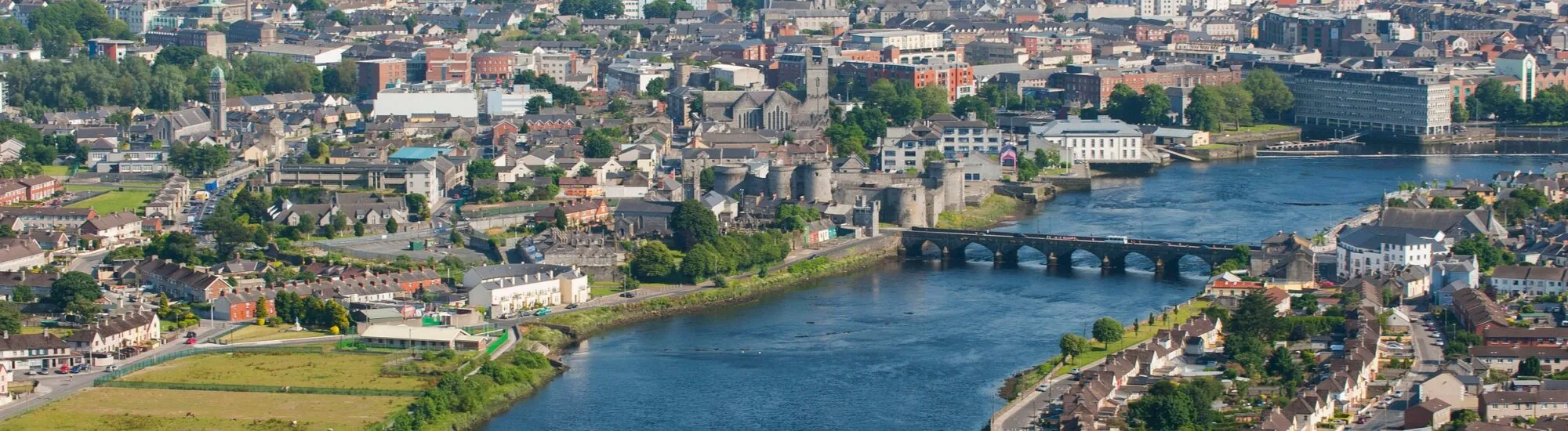
Located in the South-West of Ireland, the city of Limerick is the third largest city in Ireland. With a population of over 50,000 inhabitants, Limerick is one of those working-class cities currently experiencing unprecedented economic and cultural growth. Once known for its image as a poor and sad city, where unemployment and manual labor were dominant, Limerick is now adopting a new image, making it a dynamic and cultural city. With its brand-new neighborhoods and ultra-modern university campus, Limerick today has many assets that attract students and young people from all over the country, who come to enjoy its atmosphere, Irish pubs, and numerous festive events!
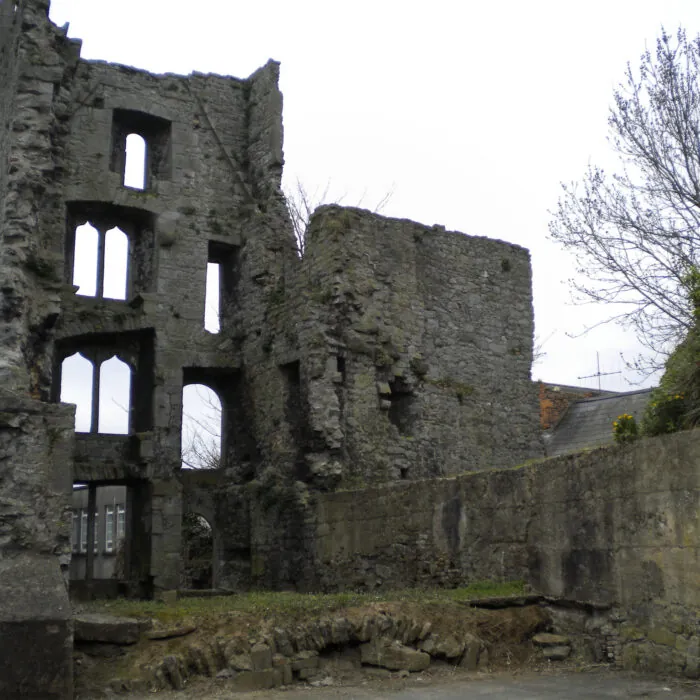
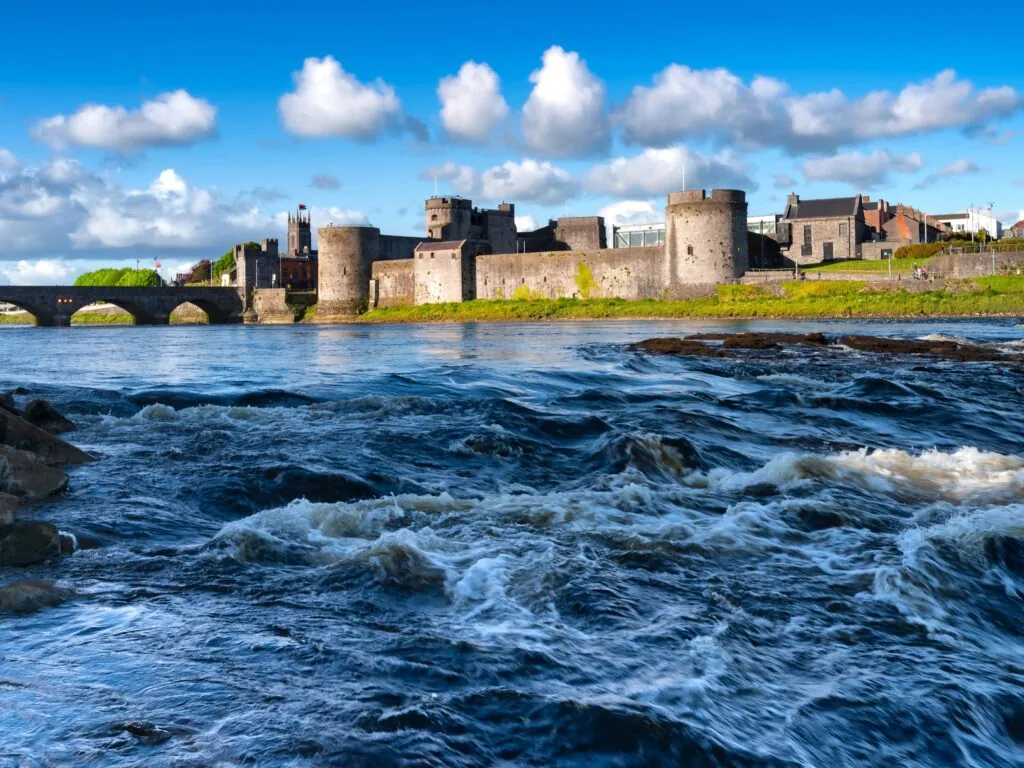
Feel free to explore the city: the people of Limerick are warm and welcoming, and the streets are pleasant to stroll through, even if just for a walk. Not to mention its tourist sites, including King John’s Castle, an impressive medieval castle.
Finally, visiting the city is an opportunity to delve into the autobiography of the famous Frank McCourt, who lived within its walls and who inspired the world-renowned work “Angela’s Ashes“.
History of Limerick
A city with Viking and then Anglo-Norman origins
The first constructions officially marking the birth of the city of Limerick date back to 812, during the Viking invasions. It was not until 967 that Brian Boru took control of the city during the Battle of Clontarf, opposing the Vikings. He then entrusted the city to the influential O’Brien clan, who decided to further develop the city.
Their rule over the city was short-lived: from the 12th century, the Anglo-Normans invaded Limerick. This change of situation meant that the Anglo-Normans and the Irish had to coexist in the same city.
To clarify matters and avoid mixing, the Anglo-Normans built what is now called “English Town,” a district entirely reserved for the Anglo-Normans. In response, the Irish built the Irish Town, an Irish district located in the south of the city.
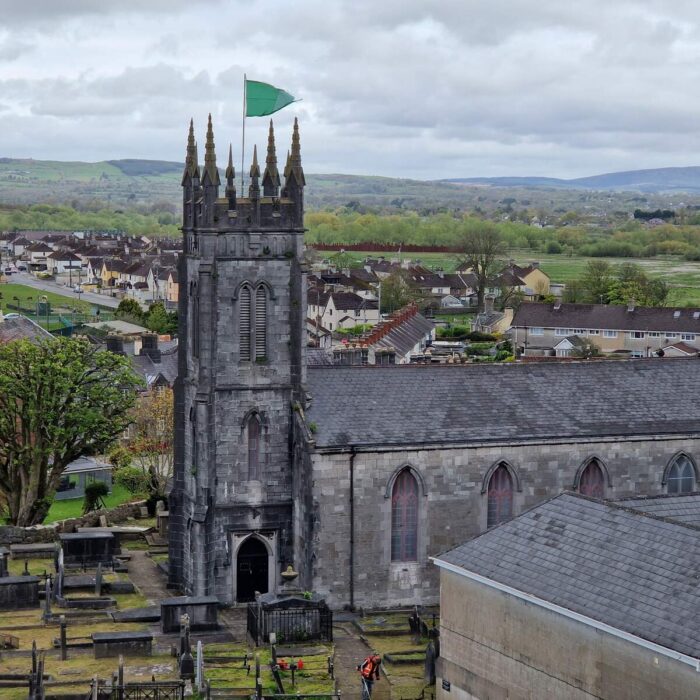
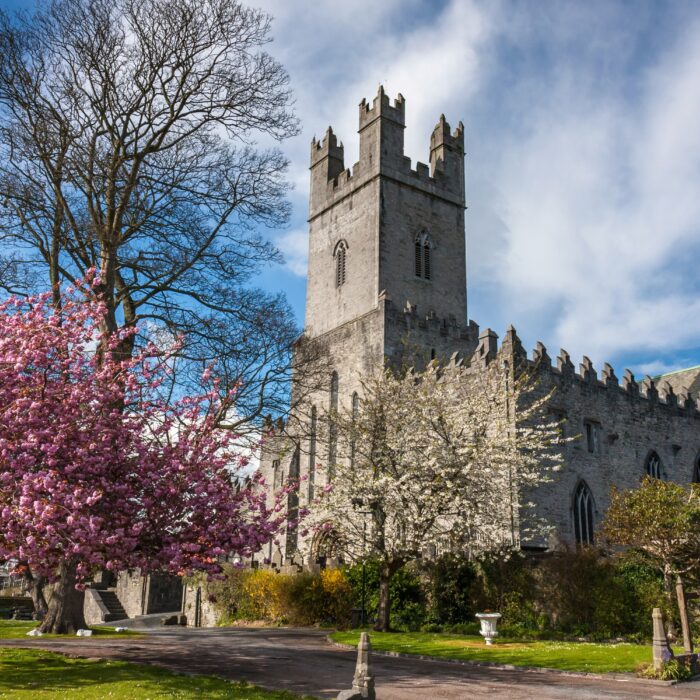
During this period, King John’s Castle and the large St. Mary’s Cathedral were also constructed.
A tumultuous history following Oliver Cromwell’s conquests
After several years of tumultuous coexistence, the Irish decided to retake the city and expel the Anglo-Normans. Their efforts were in vain: Oliver Cromwell besieged Limerick in 1651 and took the city from the Irish.
1690 was also a troubled period for the city: Catholics, having suffered a crushing defeat at the Battle of the Boyne against William of Orange, decided to take refuge in Limerick (which was then a fortified city, protecting the population with imposing high walls). After an exhausting siege, the Irish managed to win the battle and negotiated peace.
The 18th century was, however, a relatively prosperous period for the city. Limerick was then booming, developing a solid industry and using trade to grow further. The city gradually rebuilt the buildings destroyed in the 17th century, and Limerick began to resume normal activity… However, this period was short-lived, and the 19th century marked the beginning of an irreversible decline.
The Great Famine, along with the Act of Union, plunged Limerick into poverty and misery. The countless human losses were a fatal blow to the city’s economy, placing Limerick in an uncomfortable situation.
It took Limerick many years to recover from this situation. The 1990s marked a renewal for the city: Ireland was experiencing a new economic boom (Celtic Tiger), and many investors decided to believe in Limerick to build new projects.


 +
+
 Tourist attractions
 Restaurants et pubs irlandais
 Hébergements partenaires
 Campings et hébergements