The House of Waterford Crystal
If you're passing through Waterford, then don't miss the House of Waterford Crystal, an establishment/museum where some of Ireland's finest crystal pieces…


 Tourist attractions
 Irish Restaurants and Pubs
 Partner Accommodations
 Campgrounds and Lodging
If you're passing through Waterford, then don't miss the House of Waterford Crystal, an establishment/museum where some of Ireland's finest crystal pieces…
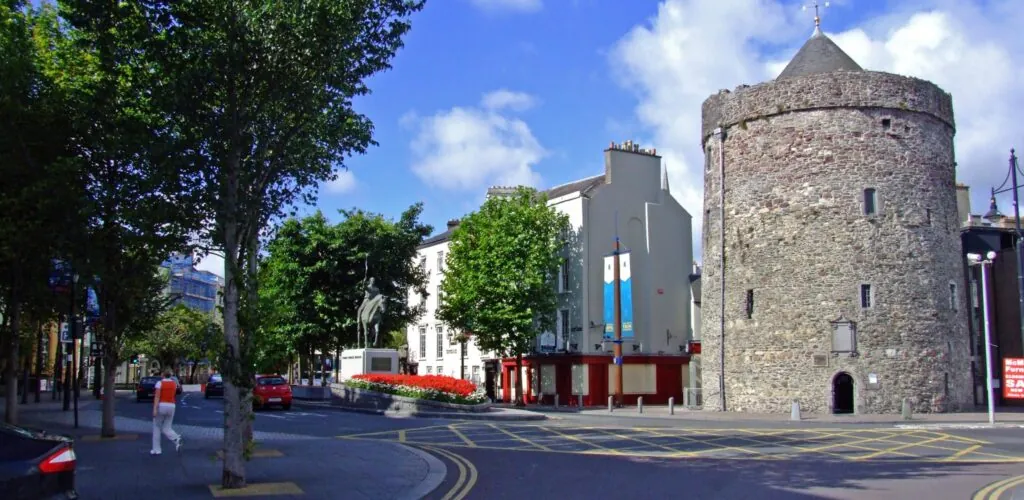
Reginald’s Tower is located in Waterford town center. This is a large circular tower built in the 13th century. At the time,…
Located on Merchant's Quay in Waterford, the Waterford Museum of Treasures is a historical museum that should delight lovers of history and…
The Waterford Greenway is a 46km cycle route from Waterford to Dungarvan in Ireland. On the programme: a tour packed with activities,…
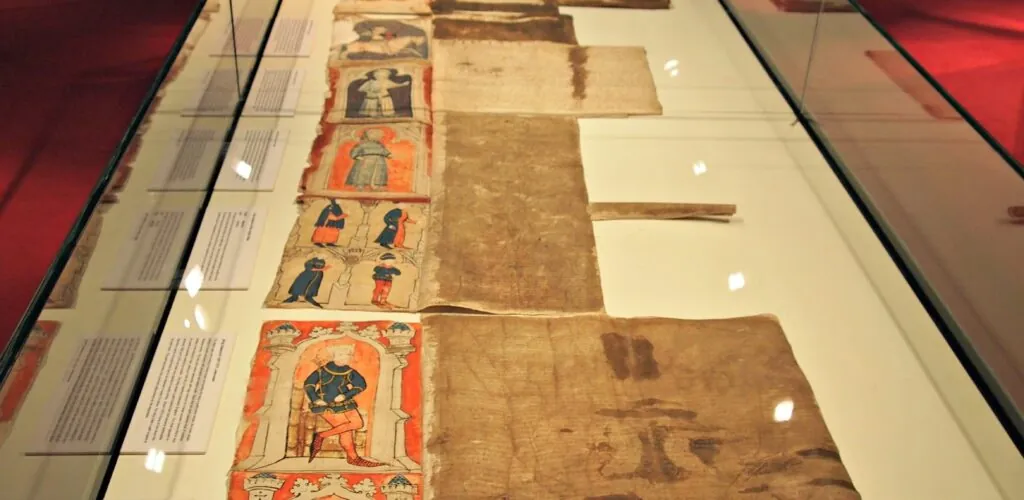
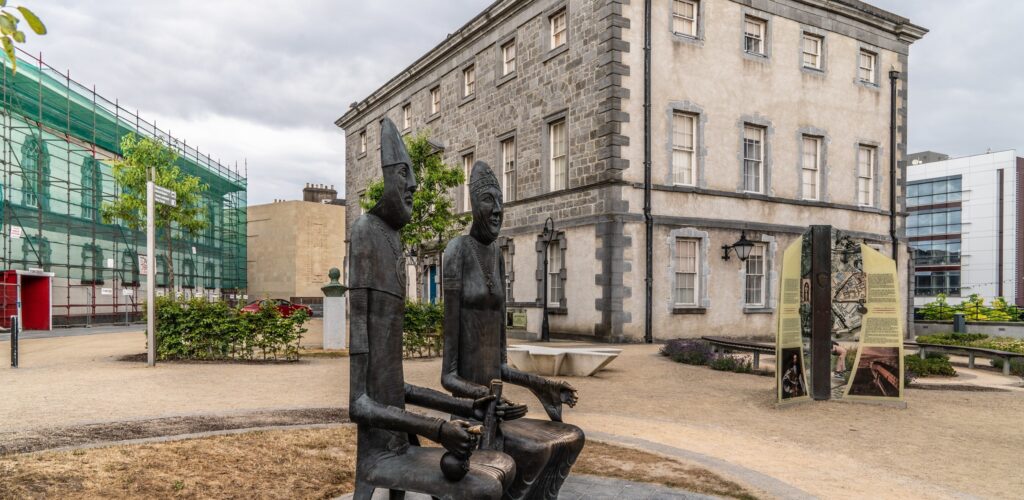
The Medieval Museum is part of the Waterford Museum of Treasures complex. One of Waterford's 3 museums, it pays tribute to the…
Bishop's Palace is one of Waterford's major museums. Entirely dedicated to the Irish Georgian period, it is housed in a genuine manor…
Opening in June 2023, the Irish Wake Museum is a brand new museum in Waterford, Ireland. It belongs to the Waterford Treasures…
Every year, Waterford celebrates Christmas in style! And this year, the town is doing it again with the Waterford Winterval! This not-to-be-missed…

Discover the fascinating life of Thomas Francis Meagher, the Irish hero whose commitment to freedom left its mark on Irish and American history.
Find a comfortable place to stay and make the most of your trip to Ireland.
A stone tower on the banks of the Suir, lanes branching away from the quayside, then the breath of a craftsperson before molten crystal: Waterford offers several gateways into Irish history. Founded by the Vikings in 914 and considered Ireland’s oldest city, it has a centre compact enough to explore on foot. But its appeal is not limited to its age. Museums, workshops, painted façades and cafés make it possible to put together a varied day without turning your stay into a historical marathon. In the south-east of the country, it is an urban stop worth appreciating in its own right.
The Viking Triangle is the best starting point. Around Reginald’s Tower, the district’s streets bring together several of Waterford’s major heritage landmarks. Start with the exteriors to understand how close they are to one another, then choose the visits that interest you. The Medieval Museum and Bishop’s Palace offer different approaches to the city’s past; visiting both requires setting aside a substantial part of the day for them.
A first visit can combine a walk from the quayside, the lanes of the Viking Triangle and a single indoor visit. Allow a comfortable half-day for this programme, including lunch if you take your time. For two museums and the crystal experience, plan on a full day instead. Distances are short, but each visit takes time: the proximity of the monuments does not mean you should rush through them all. With children, a lighter itinerary also helps preserve energy for exploring outdoors.
The House of Waterford Crystal is also located in this central area. A workshop tour lets you see crystal work, from shaping to finishing. If this experience is your priority, organise your day around the chosen time slot, then add the city before or afterwards. This will prevent you from rushing through a museum to make the start of a tour.
To make sense of the route, observe the contrasts: the tower overlooking the river, the buildings of the historic district, then a craft still demonstrated to visitors. Waterford long looked towards trade and commerce; today, these traces sit side by side in a small area. A guided walk can be worthwhile if you want to connect the sites with one another. Treat it as an activity in its own right rather than an addition to an already full itinerary.
After the heritage district, continue towards the shopping streets and keep an eye on the walls: street art brings another colour to Waterford. The murals reveal themselves as you move around, and a dedicated walk is possible if the subject particularly interests you. This second way of seeing the city works well after a museum: you move from collections to streets without getting back in the car. Along the quays, choose the sections that are pleasant to walk and take traffic into account; not the entire riverfront has the feel of a pedestrian promenade.
At lunchtime, look for a Waterford blaa, a small local bread roll often served with a filling. It is a simple and affordable way to try a local speciality between visits. It is especially suited to breakfast or a light meal. For dinner, compare menus according to your budget and book ahead if you have a particular place in mind on a weekend evening. An establishment near the museum is not necessarily the only option: a few minutes’ walk broadens the choices.
If you are passing through, one day is enough to understand the centre and enjoy two well-chosen experiences. Arriving late in the morning calls for a lighter programme: a walk, lunch, then a museum or the workshops. Two nights let you discover Waterford without constantly watching the departure time, and add an outing the following day. It is also a good option for travellers without a car who want to begin with an urban stay.
For families, keep one main activity per half-day and allow for a break before the next one. As a couple, you can devote more time to the workshops, collections or dinner. In rainy weather, indoor visits are a real advantage, provided you check available time slots. The district is compact: it is easier to adjust the order of stops than to drive to several distant rural sites in the rain.
The Dublin Heuston–Waterford rail connection makes it possible to reach the city without hiring a car. Before departure, check your journey with Irish Rail, particularly in the event of engineering works or connections. For a stay focused on the centre, look for accommodation within walking distance of the Viking Triangle and restaurants. An outlying address may seem economical, but it adds travel time to every outing.
If you arrive by car, confirm parking arrangements before booking your room. Once settled in, leave the vehicle behind for visits in the centre. Bring comfortable shoes and rainwear rather than hiking gear: you will mostly be walking through streets and heritage sites. If you have accessibility needs, check access conditions for historic buildings separately; the ease of walking around the city does not guarantee easy access to the stairs of a tower.
For a more active day, the Waterford Greenway offers another perspective, towards Dungarvan. You can choose a section of this route rather than attempt the entire trail. Before hiring a bicycle, decide on the distance, starting point and return arrangements. A cycling outing takes up a substantial part of the day; it is better paired with an evening in town than with several museums on the same afternoon.
Tramore and the Copper Coast appeal to those seeking the sea, but they lie outside Waterford. For a short stay, choose between a day of cycling and a coastal excursion according to your interests and the weather. If your aim is to walk on a beach every morning, consider staying on the coast; if you prefer to walk to dinner after excursions, Waterford remains a consistent choice. The key is to distinguish the city from the county in order to create an enjoyable stay with enough time at each stop.