

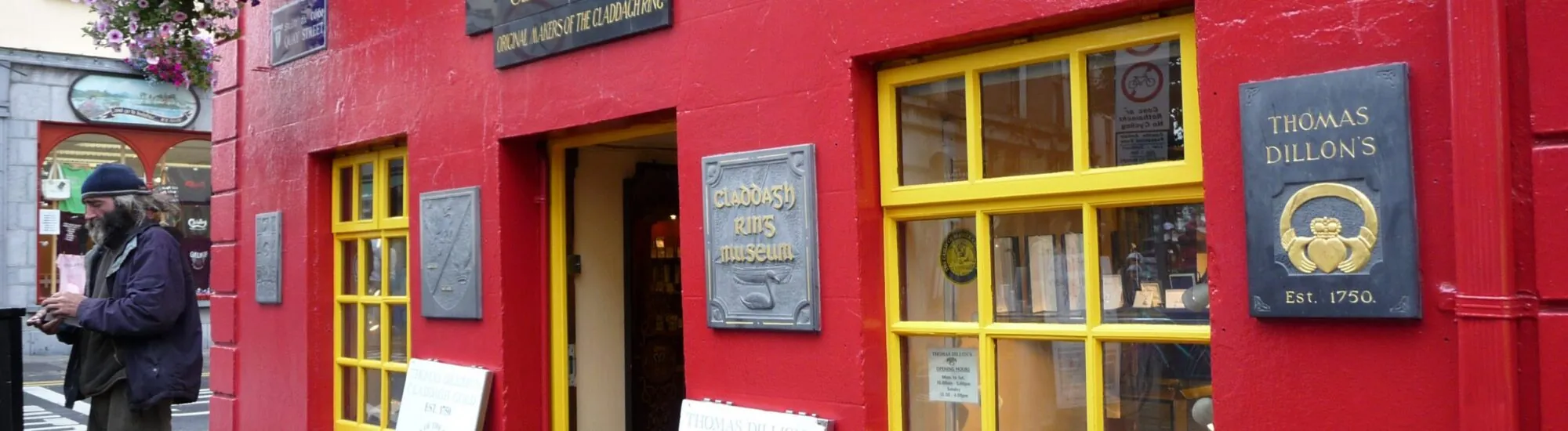
At 1 Quay Street, in Galway’s Latin Quarter, a tiny room preserves the history of one of Ireland’s most famous pieces of jewellery. Located at the back of Thomas Dillon’s Claddagh Gold jewellery shop, the Claddagh Ring Museum brings together antique rings, goldsmithing tools and documents dedicated to the Claddagh ring.
Recognisable by its two hands clasping a crowned heart, the ring symbolises friendship, love and loyalty. The visit is short and free, but offers an insight into how a piece of jewellery associated with an old Galway fishing village became an emblem worn around the world.
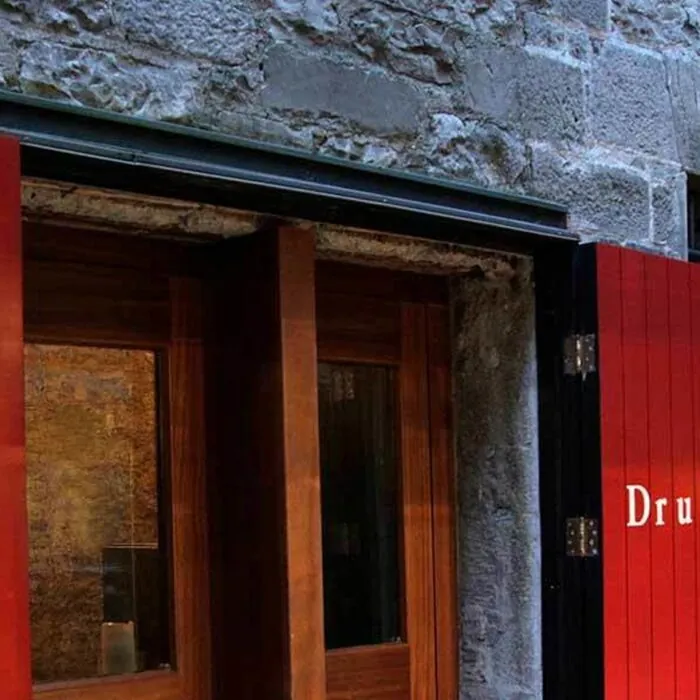
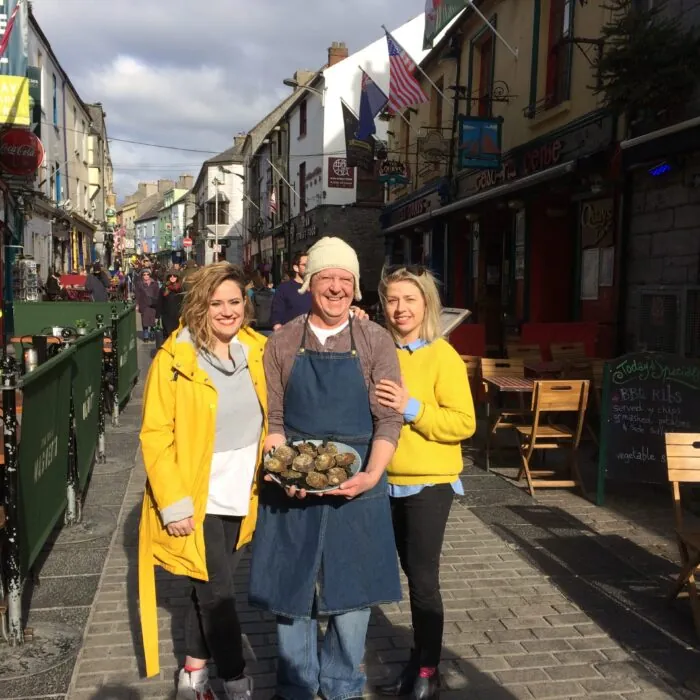
Also known as the Thomas Dillon’s Claddagh Gold Museum, the Claddagh Ring Museum occupies a small part of Thomas Dillon’s jewellery shop on Quay Street. The address lies at the heart of one of Galway’s liveliest streets, amid the colourful façades, pubs and shops of the Latin Quarter.
The word ‘museum’ may raise false expectations: this is neither a large cultural institution nor an attraction with an immersive display. The collection fits into a very small space accessed through the shop. A few minutes are enough to see it all, although visitors interested in jewellery and local history may wish to linger longer.
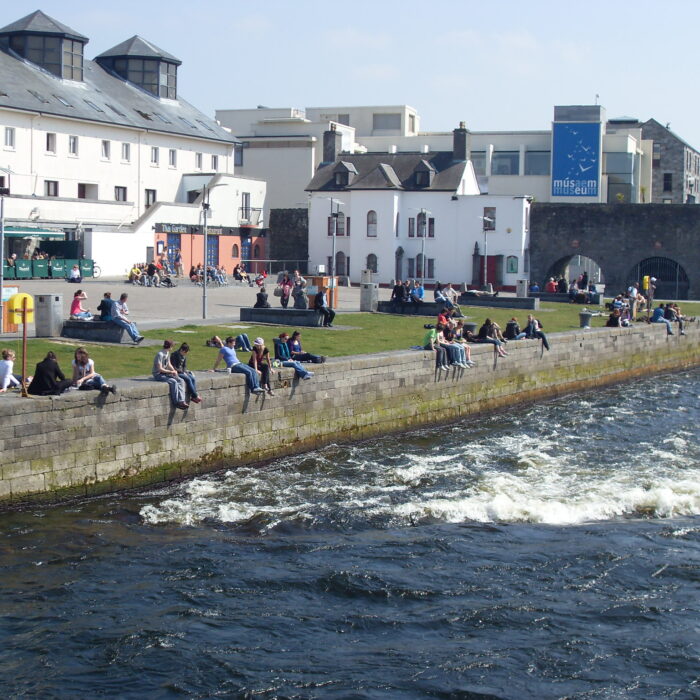
Admission is free and there is no obligation to make a purchase. It is therefore an easy stop to include on a walk between Shop Street, the Spanish Arch and the banks of the Corrib.
The collection includes several Claddagh rings made between the 18th and 19th centuries. Some are attributed to historic Galway goldsmiths such as Nicholas Burge, Richard Joyce and George Robinson.
The museum also shows the various stages involved in making a ring, from wax models to the finished piece of jewellery. These items reveal the delicacy of the craftsmanship and the changes made to the design over successive generations.
The museum’s best-known curiosity is presented as the smallest Claddagh ring in the world. Made on the head of a tailor’s pin, it is more a demonstration of virtuosity than a piece of jewellery intended to be worn.
Letters, photographs and various objects complete the display. The collection is not limited to jewellery: it also evokes Galway’s history through old views of the city, prehistoric tools, mementoes of the Great Famine and objects associated with the former Penal Laws.
The Claddagh ring comprises three instantly recognisable symbols. The heart represents love, the hands symbolise friendship, and the crown embodies loyalty.
These three values are summed up in the English phrase Love, Loyalty and Friendship. The piece may therefore be given as a token of love, an engagement ring, a wedding ring, a family gift or a simple mark of friendship.
Its meaning often extends beyond romance. For many members of the diaspora, wearing a Claddagh ring is also a way of affirming a connection with Ireland, Galway or Irish family heritage.
According to popular tradition, the hand on which the ring is worn and the direction in which it faces indicate the wearer’s relationship status.
These rules are a matter of tradition and are, of course, not obligatory. Today, many people wear their ring according to their own preference, without seeking to signal their relationship status.
The ring takes its name from the Claddagh, an old fishing village once located outside Galway’s city walls, on the western bank of the Corrib. The term comes from the Irish An Cladach, meaning a stony shore or coast.
The community had its own customs and lived mainly from fishing in Galway Bay. Its inhabitants notably elected a ‘King of the Claddagh’, responsible for representing the fishermen and ensuring that certain local traditions were upheld.
The village’s old houses were demolished in the 1930s because of their poor sanitary condition. The name Claddagh nevertheless survived and still refers to the district near South Park, on the other side of the river.
The ring belongs to an older family of European jewellery known as fede rings. Their name comes from the Italian expression mani in fede, meaning ‘hands joined in faith’ or trust. These rings depicting two clasped hands were used as symbols of commitment from Antiquity through the Middle Ages.
Tradition attributes the creation of the Claddagh ring to Richard Joyce, a Galway goldsmith who lived in the 17th and 18th centuries.
According to the best-known account, Joyce left Galway to work in the West Indies before being captured by Algerian pirates. Sold as a slave to a North African goldsmith, he is said to have learned the craft of working gold from him.
Released after the agreement reached in 1689 between William III of England and the Regency of Algiers, he is said to have returned to Galway. There, he is said to have found the woman he loved and created for her a ring depicting two hands clasping a crowned heart.
The story contains all the ingredients of a great romantic legend, but its details are not fully documented. Antique rings bearing the mark of a goldsmith named Richard Joyce do exist, but nothing allows us to state with certainty that he alone designed the Claddagh motif as it is known today.
Thomas Dillon’s claims a history dating back to 1750, making it one of Ireland’s oldest jewellery houses. The company presents itself as the oldest business still operating that specialises in making Claddagh rings.
Its rings bear the word ‘ORIGINAL’ together with a hallmark of authenticity. They are available in silver and several grades of gold, with or without gemstones. Every piece of jewellery purchased from the house comes with a certificate.
This long history does not, however, mean that Thomas Dillon invented the motif. The ring’s origins probably predate the company’s creation, and several Galway goldsmiths were already making different versions of it.
The spread of the Claddagh ring partly follows the history of Irish emigration. In the 19th century, many families left Galway and western Ireland for the United States, Canada, Great Britain or Australia.
The ring travelled with them and became a family heirloom. Given from mother to daughter or used as a wedding ring, it provided a tangible link with the country they had left behind.
In the 20th century, its instantly recognisable shape appealed far beyond the diaspora. Figures from film, music and royal families received or wore jewellery inspired by the Claddagh. Grace Kelly was notably given pieces featuring the motif during an official visit to Monaco in 1962.
Today, the symbol appears on rings, pendants, bracelets and various decorative objects. It nevertheless remains closely associated with Galway, its city of origin.
The shop surrounding the museum offers a range of Claddagh rings to try on and buy. Silver models are the most affordable options, while gold or gemstone-set creations can cost considerably more.
Before buying, check the size, the metal used, the hallmark and the warranty terms. A genuine Claddagh ring is not tied to a single maker: many Irish jewellers offer their own interpretations of the motif. The word ‘ORIGINAL’, however, is specific to jewellery sold by Thomas Dillon’s.
Visitors living outside the European Union can enquire about tax-free shopping options. Jewellery can also be shipped, subject to delivery costs, insurance and any taxes charged in the destination country.
A visit to the Claddagh Ring Museum generally takes between 15 and 30 minutes. No guided tour or booking is required for individual visitors.
As the space is very small, it can quickly become crowded when several groups enter at once. A visit early in the morning is often quieter, particularly in summer.
Shop staff can answer questions about the history of the house, the meaning of the jewellery or choosing a size. Their availability, however, depends on how busy the jewellery shop is and on the customers present.
Quay Street leads directly to the Spanish Arch and the Galway City Museum. The latter offers a free opportunity to explore the city’s history, its maritime activity and the traditional boats of the bay in greater depth.
By crossing Wolfe Tone Bridge, visitors can reach the Claddagh district, after which the ring is named. Few traces of the old village remain, but the walk offers lovely views of the Corrib, the harbour and the colourful houses of The Long Walk.
Essential information to help you plan your visit, including key landmarks, access information, and booking options.
12 Cross Street Upper, The Latin Quarter, The Latin Quarter
53.271444, -9.053812
The museum follows the same opening hours as Thomas Dillon’s Claddagh Gold jewellery shop. As these hours may change according to the season and public holidays, check with the establishment before travelling.
Check the opening hours and admission requirements before you leave, especially during peak season or on Irish public holidays.
No purchase is necessary to access the museum. The rings and jewellery sold in the shop are, naturally, subject to charge. Up-to-date information is available on the official Claddagh Ring Museum website.