

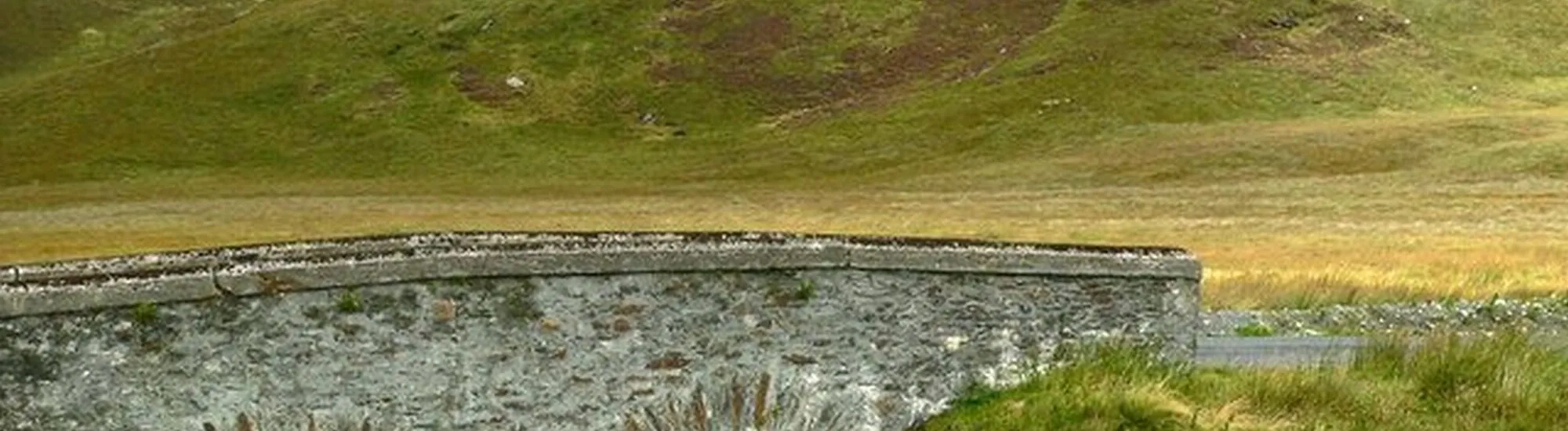
Near the village of Falcaragh is a stone bridge called the “Bridge of Tears” (Droichead na Caointe in Gaelic). A landmark in the region’s history, it was here, in the 19th century, that Donegal’s inhabitants made their way to the United States, fleeing Ireland and its Great Famine. The families who stayed behind witnessed the departure of their loved ones with the certainty of never seeing them again…
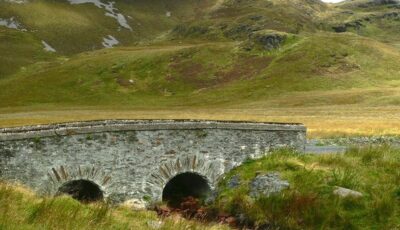
The Bridge of Tears can be reached via the village of Falcaragh. Made of stone, the bridge is still passable, and a commemorative plaque is located nearby to set the context and historical importance of the building.
A true symbol of the Great Famine and Irish emigration to the United States, the bridge was above all a source of grief and mourning. It enabled Irish people wishing to leave for America, England or Australia to reach the port of Derry via this bridge.
Families would accompany their departing loved ones to the bridge, and then let them go. This procession was often compared by the families to a funeral march: they were certain they would never see their loved ones again at the end of their walk.
It has to be said that living conditions in Ireland in the 19th century were particularly precarious: hunger and lack of means prevented them from joining their families who had already left for the United States.
In other words, this bridge was the sign of a firm and definitive separation, with no hope of ever meeting again.
There’s also a nearby parking lot where you can park and take a closer look at the bridge. All around, you can admire Muckish Mountain and the engraved stone plaque. It bears the following inscription (here translated into French:
“Friends and relatives of future expatriates would come here. Here, they separated. This is the bridge of tears.
Want to extend your visit without having to rush around? Here are a few well-located places to stay near the must-see attractions.
Essential information to help you plan your visit, including key landmarks, access information, and booking options.
near the village of Falcaragh, Dunfanaghy (County Donegal) - Republic of Ireland
55.088683, -8.011175
15 minutes
free access
Check the opening hours and admission requirements before you leave, especially during peak season or on Irish public holidays.