Ireland doesn’t need guaranteed sunshine to win you over. What draws travelers in vans or campervans is its raw character: winding roads between cliffs and bogs, villages where time stands still, and wild nature just a drive away. For a Ireland road trip by campervan, the country ticks all the boxes.
Why Ireland Is Perfect for a Campervan Road Trip
Wild Nature Right from the Road
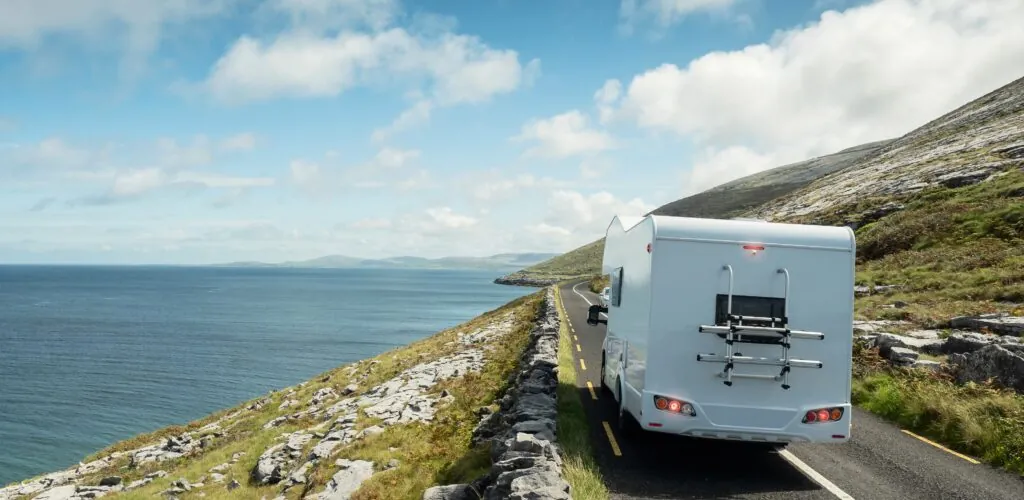
The beauty of exploring Ireland by campervan is that the most stunning landscapes are often right beside the road. The Wild Atlantic Way stretches over 2,500 kilometers of coastline, passing through remote areas where the horizon seems endless, making it one of the most iconic coastal routes in Europe. National parks like Killarney, Connemara, or Glenveagh are easily accessible by van. However, be aware: many secondary roads in the west, especially in Connemara and on the Dingle Peninsula, are single-lane and often less than 3 meters wide. For larger vehicles or those with rooftop tents, sticking to national roads and motorways (N-roads, M-roads) helps avoid tricky encounters.
Wild Camping in Ireland: Tolerance, Rules, and Realities
Wild camping is technically prohibited in Ireland, but there’s a certain tolerance in remote rural areas if you’re discreet and leave no trace. However, this tolerance is fading. Since 2024, several counties like Kerry, Galway, and Cork have tightened local regulations, with stricter restrictions for vehicles parked outside designated areas. Park4night remains the most useful tool for finding suitable and up-to-date spots. The Leave No Trace principle is taken very seriously locally.
Rooftop Camping in Ireland
In Ireland, the ground is often damp, uneven, or waterlogged after a night of rain. These conditions make ground camping impractical for several days, especially in regions exposed to Atlantic winds. Sleeping above ground becomes a logical solution: a rooftop tent lets you avoid unstable terrain while providing reliable, quick shelter.
Specialist manufacturers like EDGE Overland offer rooftop tents and awnings that perfectly suit this more autonomous style of travel. Modern rooftop tents feature a rigid aluminum design, open in minutes, and are built to withstand changing conditions. They let you sleep above the ground, protected from dampness, while offering real comfort thanks to integrated mattresses and thick fabrics designed to insulate and shield from wind or rain.
Beyond comfort, their main advantage is versatility: they’re ideal for both short getaways and extended road trips, and they reduce setup time at every stop. Keeping your sleeping space on the roof also frees up room inside the vehicle and simplifies daily organization.
Car awnings naturally complement this setup. Attached to the vehicle, they create a sheltered space in seconds—perfect for cooking, relaxing, or simply staying out of the wind and frequent showers. Some models cover a large area around the vehicle and offer effective protection from both sun and bad weather, turning any stop into a comfortable base camp.
This rooftop tent and awning combo lets you travel more flexibly, easily adapting to local conditions. On Ireland’s narrow roads or in remote areas where facilities are sometimes limited, this autonomy is a real advantage for making the most of the scenery without logistical headaches.
Getting to Ireland by Campervan from France
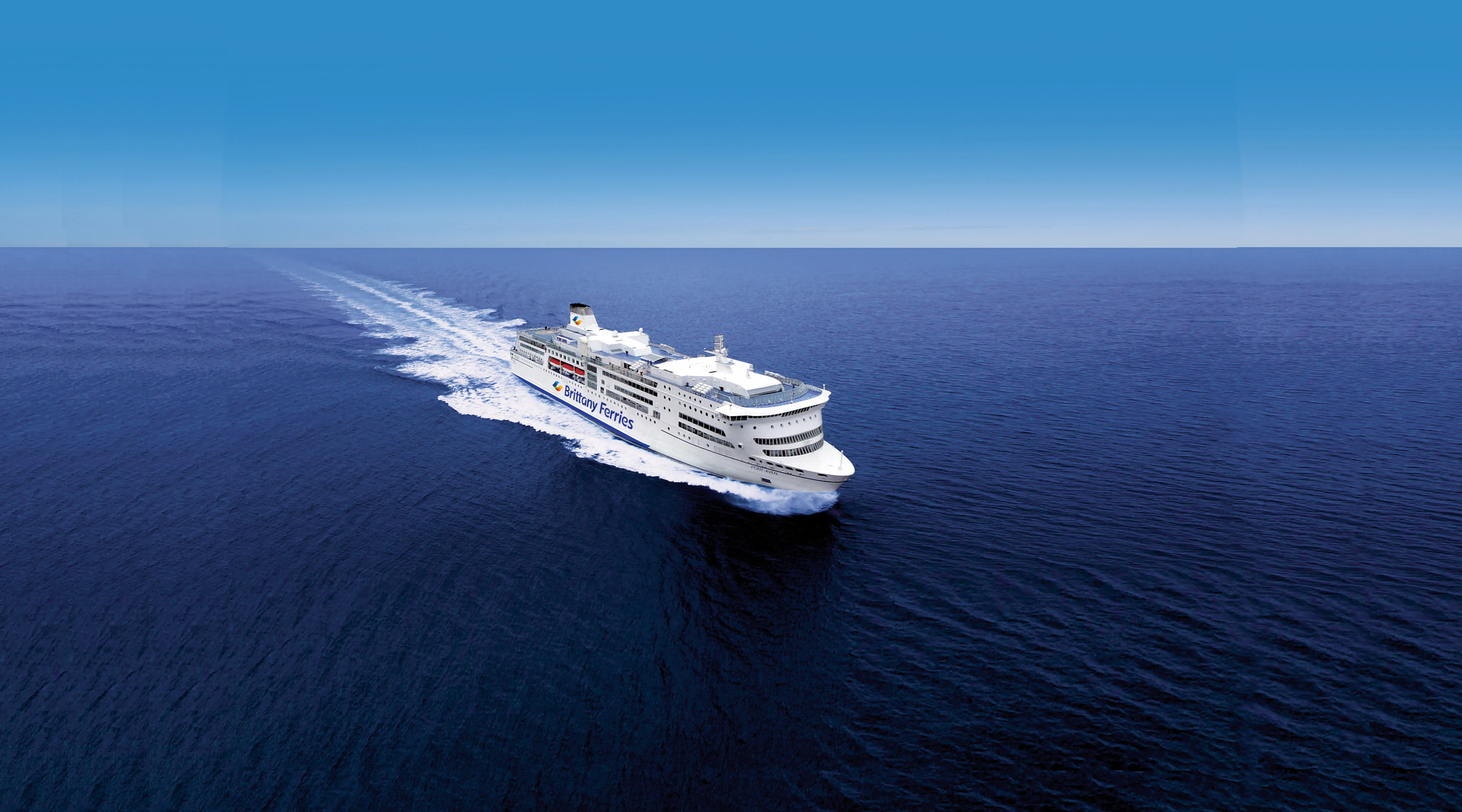
For an Ireland campervan road trip from France, there are two main routes: Roscoff to Rosslare or Cherbourg to Dublin. Crossings take between 17 and 20 hours and are a key step for bringing your own vehicle to the island. For reference, Cherbourg port alone transported over 345,000 passengers to Ireland in 2024, highlighting the growing importance of these links for motorhome travelers. Booking ahead is essential in high season to secure a spot in the garage.
Some practical points not to overlook: your vehicle’s dimensions and weight must match your booking exactly; online reservations are generally limited to vehicles up to 7m and 4.5 tons (contact the company for larger vehicles); check-in closes 60 minutes before departure; and gas bottles are subject to strict limits.
Driving on the Left: Quick Adaptation and Caution
Driving on the left is surprising at first, especially at roundabouts. You’ll adapt quickly, but narrow country roads leave little room for error. Slow down in villages and anticipate oncoming vehicles to avoid most stressful situations.
4-Day Ireland Campervan Road Trip Itinerary
Day 1: Dublin and Surroundings
Arrive in Dublin, visit Trinity College, and stroll through Temple Bar. The city can be explored on foot in half a day, leaving time to head to your first overnight spot outside the center. Dedicated van parking is rare downtown—it’s best to aim for a site on the city’s outskirts.
Day 2: Wicklow Mountains and Glendalough Valley
The Wicklow Mountains are less than an hour from Dublin. Glendalough, with its lakes and 6th-century monastic ruins, is worth the detour alone. Allow an hour’s drive from Dublin for easy access, and plan to arrive early to beat the crowds.
Day 3: To the Cliffs of Moher via the Burren
The Burren is initially disorienting: this limestone plateau looks lunar, then reveals unexpected biodiversity. The Cliffs of Moher, just beyond, offer breathtaking views of the Atlantic. The main car park fills up quickly in high season, so it’s best to arrive early.
Day 4: Killarney and the Ring of Kerry
The Ring of Kerry is a spectacular finale to these 4 days. The scenic route circles the Iveragh Peninsula, with plenty of stops at bays, passes, and coastal villages. On some sections, tourist vehicles travel in a set direction—following this makes driving these narrow roads easier.
7–10 Day Ireland Campervan Road Trip: The Wild Atlantic Way
Dublin → Wicklow → Cork
Heading south, Cork is a must-stop. Nearby Kinsale is one of the country’s most picturesque villages. This quieter stretch lets you get used to driving before tackling wilder areas.
The Dingle Peninsula captures the essence of Ireland: open beaches, sheer cliffs, and winding roads. Slea Head Drive is spectacular but requires caution for larger vehicles.
Cliffs of Moher → Galway → Connemara
Galway marks the transition to the deep west. Connemara then unfolds with its ever-changing landscapes of lakes and mountains. The light here transforms every moment.
Mayo → Donegal
Donegal remains more untouched. Dramatic cliffs and vast open spaces offer a rare sense of isolation along the route.
Where to Sleep in a Campervan in Ireland
Ireland has a good network of official campsites in tourist areas like Kerry, Galway, and Wicklow, offering electricity, drinking water, and sanitary facilities. With stricter wild camping rules, these sites are increasingly essential, especially for vans and vehicles with rooftop tents. Prices remain generally reasonable. Specialist apps also list tolerated spots with recent reviews—always check local guidance.
Practical Tips for a Successful Ireland Campervan Road Trip
A successful Ireland campervan road trip comes down to a few simple basics. Keep your itinerary flexible to follow the weather and linger where you feel like it. Stock up on water and food to avoid unnecessary detours in remote areas. The right gear—from rooftop tents to rain jackets—makes all the difference when the weather turns. And above all: take your time to stop. Ireland rewards those who slow down.