Blackrock Castle Observatory
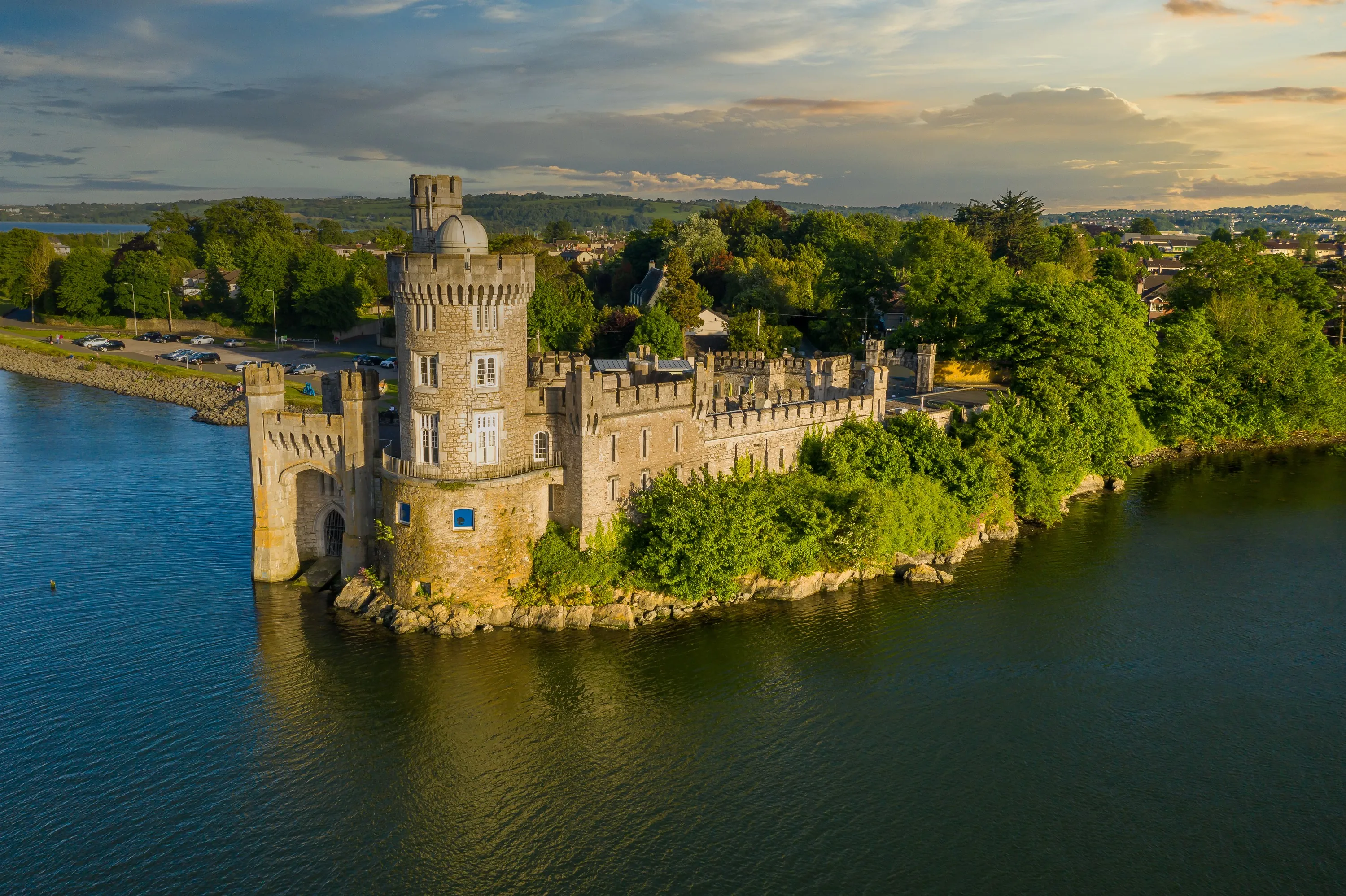
Blackrock Castle Observatory is a magnificent Irish castle built on the banks of the River Lee in Cork. Today, it is a…


 Tourist attractions
 Irish Restaurants and Pubs
 Partner Accommodations
 Campgrounds and Lodging
Blackrock Castle Observatory is a magnificent Irish castle built on the banks of the River Lee in Cork. Today, it is a…
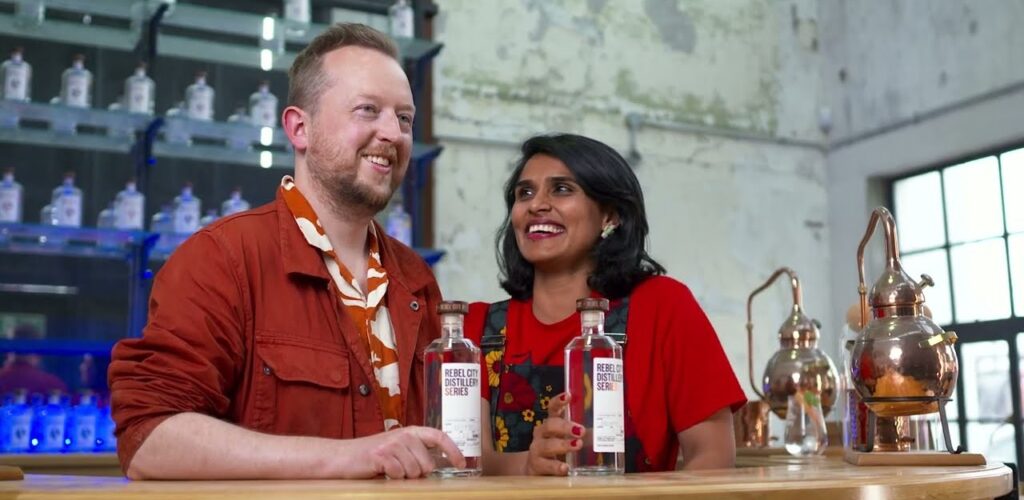
If you’re a gin lover looking for a unique and authentic experience, look no further than Rebel City Distillery, located in the…
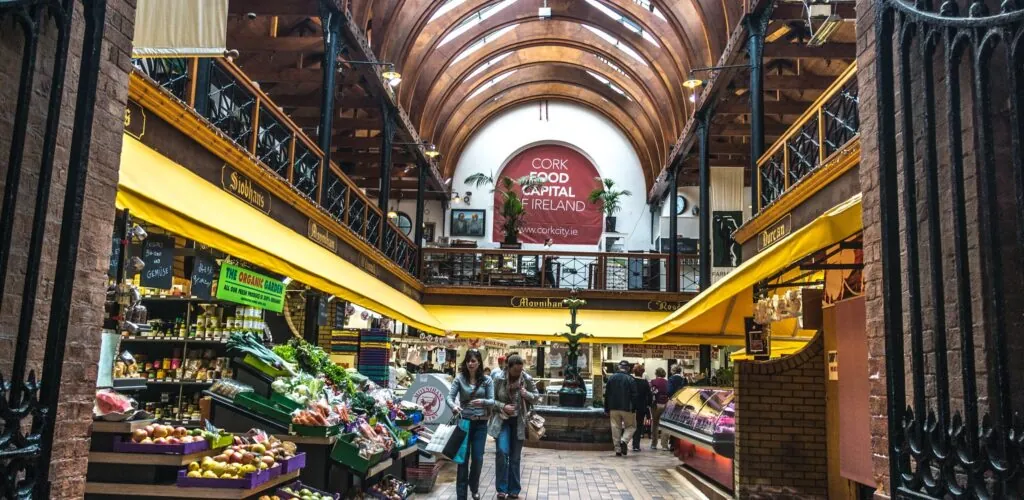
In Cork, food has a monument of its own. Behind an elegant façade on Grand Parade, the English Market unfolds with stalls…
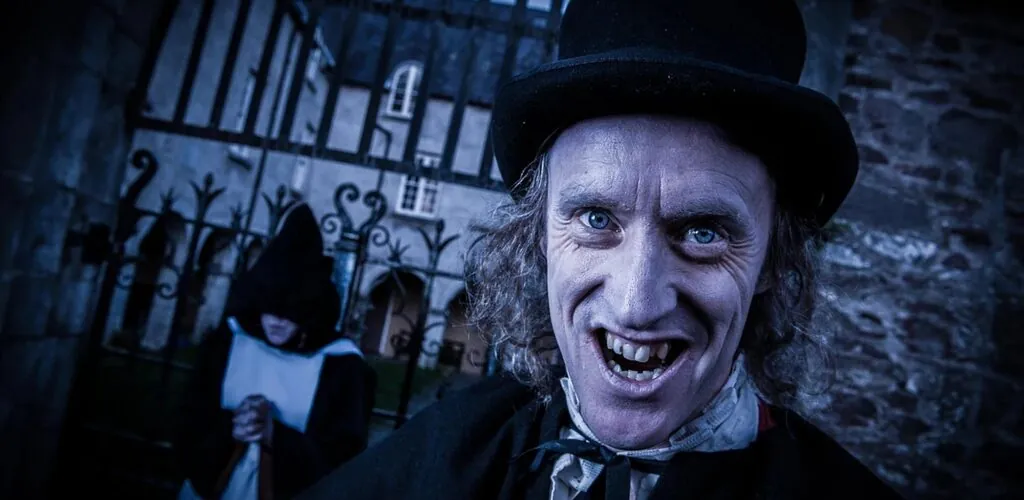
The Cork Ghost Tour is a cool and terrifying Cork attraction that lets you explore the Irish city like never before! The…
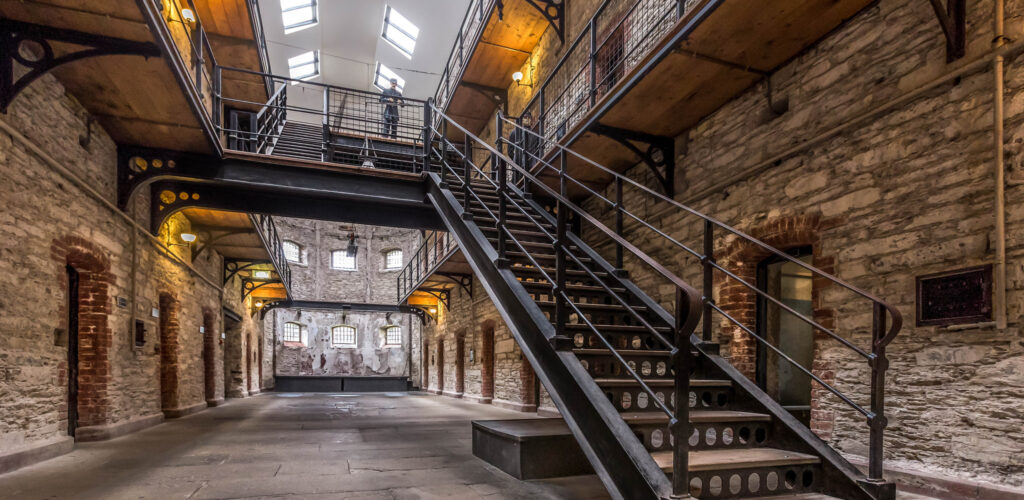
As grim as Kilmainham Gaol in Dublin, Cork City Gaol was one of Ireland’s most terrible prisons. Now converted into a museum,…
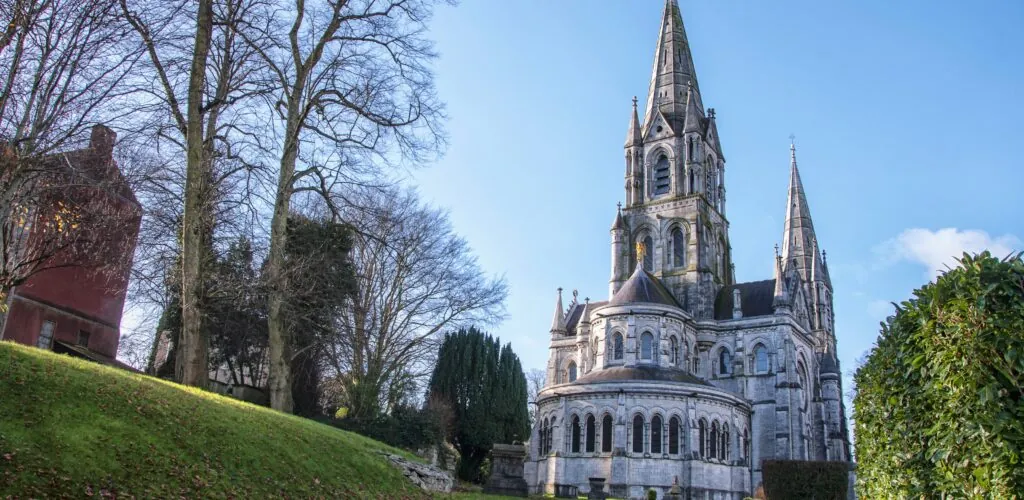
St Finnbarr Cathedral is one of Cork's largest Protestant cathedrals. Its earliest remains date back to the 6th century, making it one…
University College Cork is a Cork-based university that opened in 1849 and now welcomes over 17,000 students from all over the world.…
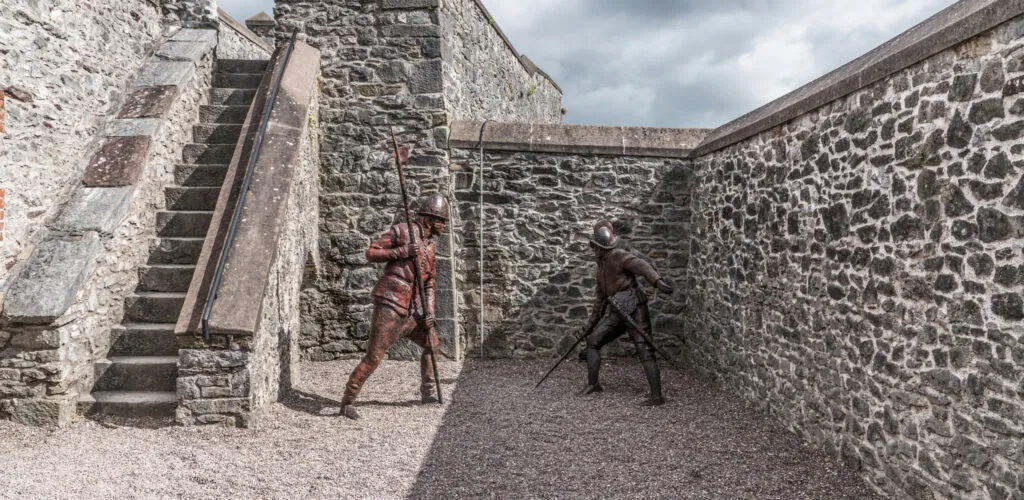
Passing through Cork? It would be a shame to miss the Elizabeth Fort, a 17th-century star-shaped fort whose history is closely linked…
The Cork Tasting Trail is undoubtedly the must-see attraction for foodies in Cork! On this guided tour of the city center, you…
Located in Cork's historic center, Paul Street is one of the city's coolest and trendiest streets! You'll love the little restaurants and…
In Cork, St Patrick’s Day can remain affordable… provided you plan accommodation ahead and do not let pub spending dictate the budget.
Find a comfortable place to stay and make the most of your trip to Ireland.
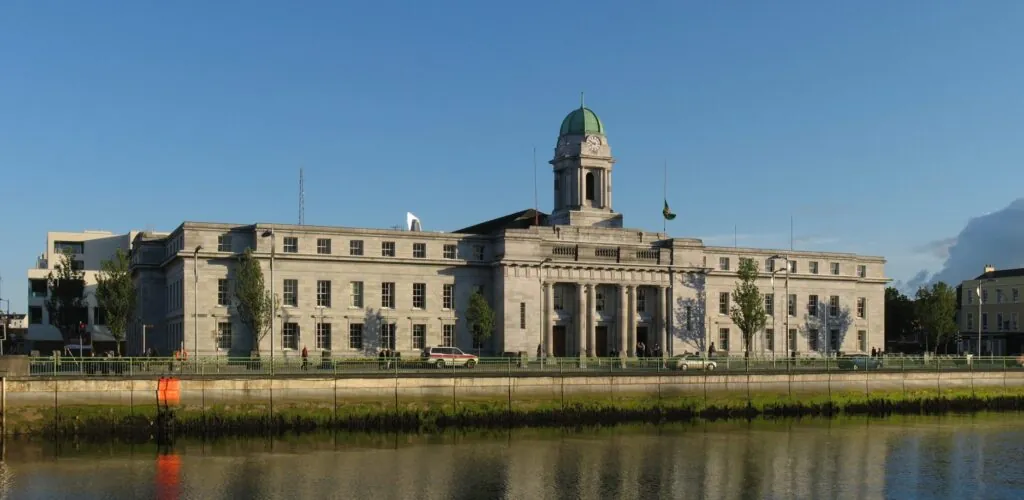
In Cork, a concert venue can also be a place of remembrance. Behind the façade of City Hall, on the banks of…
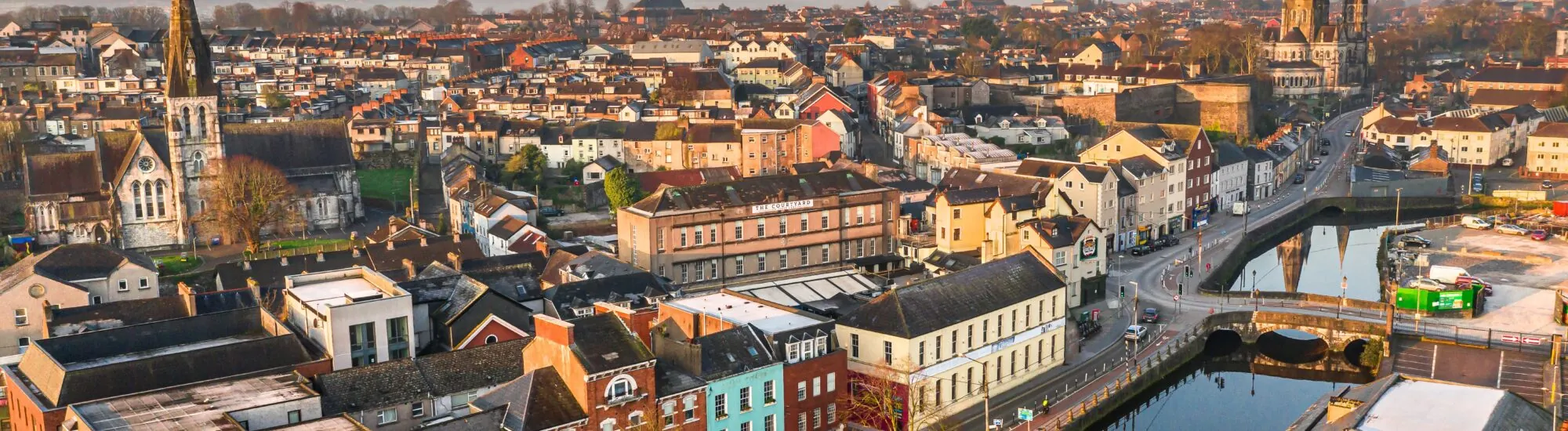
In the south of Ireland, Cork has the distinctive energy of port cities that have long looked out to sea. Crossed by the branches of the River Lee, the Republic of Ireland’s second-largest city cultivates an identity all its own: independent, creative and gladly rebellious. Do its residents not call it, with a certain mischievousness, the Real Capital?
Visiting Cork means discovering a human-scale city, compact enough to explore on foot yet lively enough to spend several days in. Markets, gastronomy, heritage, music, university life and pub culture set the rhythm of a city that does not seek to compete with Dublin. Cork has its own, more intimate tempo, and is also an excellent gateway for exploring southern Ireland.
Cork’s history begins on the marshy banks of the Lee. In the 6th century, Saint Fin Barre, or Finbarr, is said to have founded a monastic settlement near the present-day cathedral that bears his name.
The location partly explains its development. Cork’s Irish name, Corcaigh, comes from corcach, a term referring to marshy land. The present-day city gradually developed around the river’s various channels, some of which have since been covered by streets.
From the 9th century onwards, the Vikings also took an interest in this strategic location. The story is, however, more complex than a simple succession of attacks and destruction. As in several Irish towns, the Scandinavians eventually settled permanently and contributed to the development of a genuine urban and commercial centre.
Cork was already looking towards the sea. Its harbour enabled trade with Great Britain and continental Europe, a maritime vocation that would profoundly shape its history over the following centuries.
Following the arrival of the Anglo-Normans in Ireland in the 12th century, Cork gradually came under their control. The city received a royal charter in 1185 under the reign of John Lackland, then Lord of Ireland.
The medieval city was protected by walls and developed around its commercial activity. Its position nevertheless remained precarious: for several centuries, Cork was an urban enclave under English influence, surrounded by territories controlled by powerful Gaelic families.
A few archaeological remains still recall this fortified city today, although most of the ramparts disappeared as it expanded.
The 17th century marked a new period of upheaval. In 1690, during the Williamite War, Cork was besieged and taken by forces supporting William III. The city then entered a period of profound economic transformation.
In the 18th and 19th centuries, Cork became one of Ireland’s major commercial ports. Its vast natural harbour and opening onto the Atlantic encouraged international trade.
The butter trade became especially important. For part of the 19th century, the Cork Butter Exchange was among the largest butter markets in the world. Salted meat, grain and other goods also passed through the port.
This prosperity transformed the city. The quays became lively, neighbourhoods expanded and Cork strengthened its ties with the Atlantic’s major sea routes.
But the 19th century also had its tragic side. From 1845 onwards, the Great Famine hit Cork and the whole county hard. Hunger, disease and emigration profoundly disrupted the population.
Cork Harbour also became a point of departure. From the region, thousands of Irish people set out for North America in the hope of a better life. A few kilometres from the city, Cobh would become one of the great symbols of this history of migration.
Cork likes to cultivate its image as the “Rebel City”. The nickname has roots much deeper in history than the Irish War of Independence alone, and refers to various episodes of resistance to established power.
This reputation took on a particularly strong dimension at the beginning of the 20th century. Cork became one of the main centres of the republican movement during the Irish War of Independence.
In 1920, Cork’s mayor and IRA member Tomás Mac Curtain was killed at his home. His successor, Terence MacSwiney, was arrested a few months later and died in Brixton Prison after 74 days on hunger strike. His death caused considerable emotion far beyond Ireland.
That same year, on the night of 11 to 12 December 1920, members of the British forces set fire to part of the city centre in the episode now known as the Burning of Cork. City Hall and the Carnegie Library were among the buildings destroyed, along with numerous shops and other structures.
Cork also played a major role in the story of Michael Collins, who was from the county. These events have lastingly shaped the city’s political and cultural identity.
Today, this rebellious reputation is expressed in a much lighter way. Residents like to present Cork as the Real Capital of Ireland. It is a provocation aimed at Dublin that now mainly reflects an affectionate rivalry between the two cities.
Contemporary Cork has little in common with the industrial city described in old travel guides. The port and industry remain important to the regional economy, but the city has diversified considerably.
University life, technology, the pharmaceutical industry, services, culture and gastronomy all contribute to its vitality today. The presence of University College Cork also helps maintain a large student population and a particularly lively atmosphere.
Above all, Cork has a remarkably strong cultural identity for a city of its size. Music, theatre, cinema, festivals and visual arts punctuate the year, while its food scene draws on the extraordinary agricultural and maritime wealth of southern Ireland.
The city was also European Capital of Culture in 2005, recognition that accompanied the renewal of its image.
Cork is not a monumental city in the traditional sense. Its charm lies more in its atmosphere, streets, markets and enduring relationship with the Lee.
The centre partly extends across an island formed by two branches of the river. Several of today’s main thoroughfares even follow the course of former channels gradually covered over during urban development. This geography explains the omnipresent bridges and the city’s sometimes surprising layout.
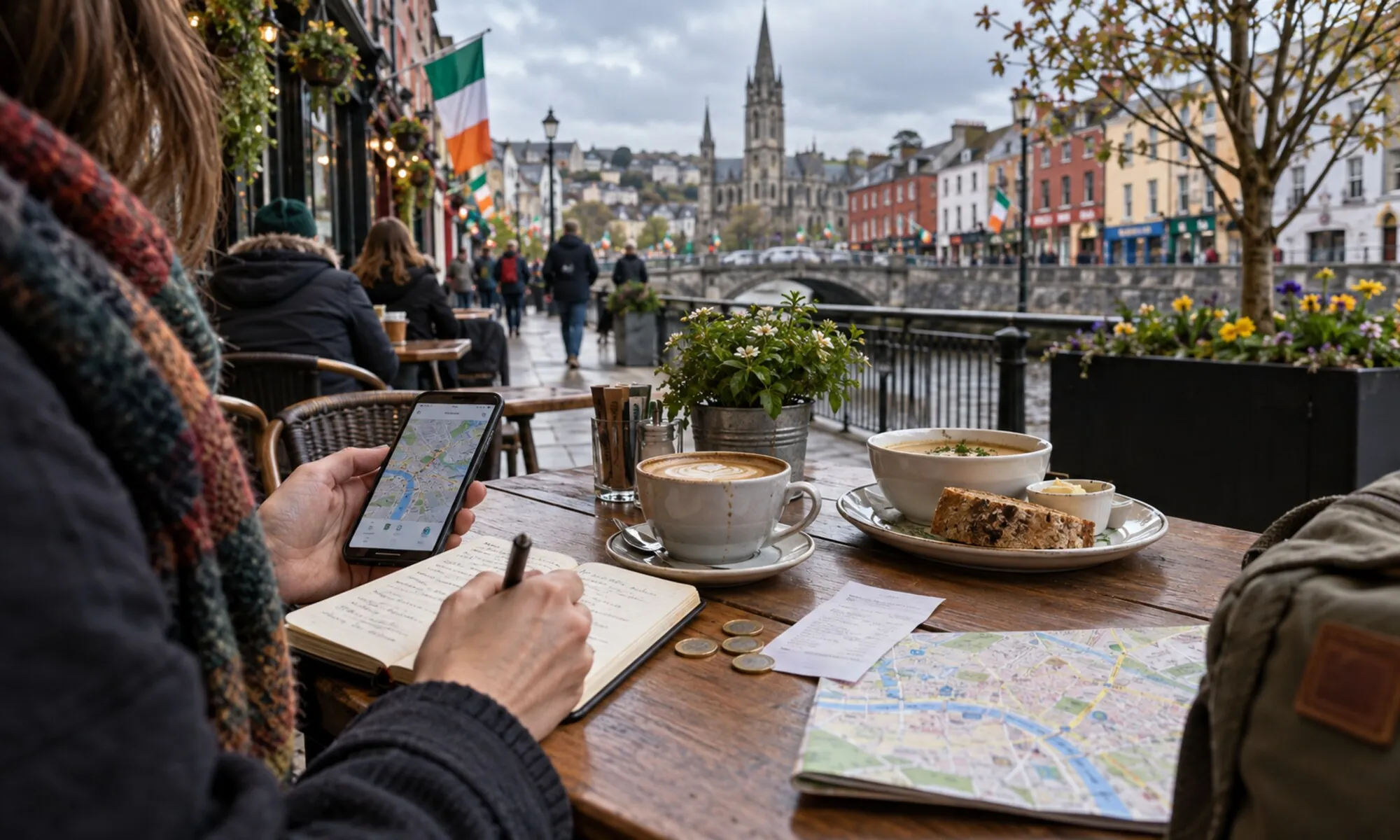
The best way to discover Cork is therefore to walk. You quickly move from a lively shopping street to a quieter quay, then from a historic neighbourhood to a sloping street offering a different view of the city.
Cork also has a welcome advantage: its centre remains compact. Most journeys can be made on foot, allowing you to take your time rather than rush from one sight to the next.
To understand Cork, you must also take an interest in what happens between the monuments.
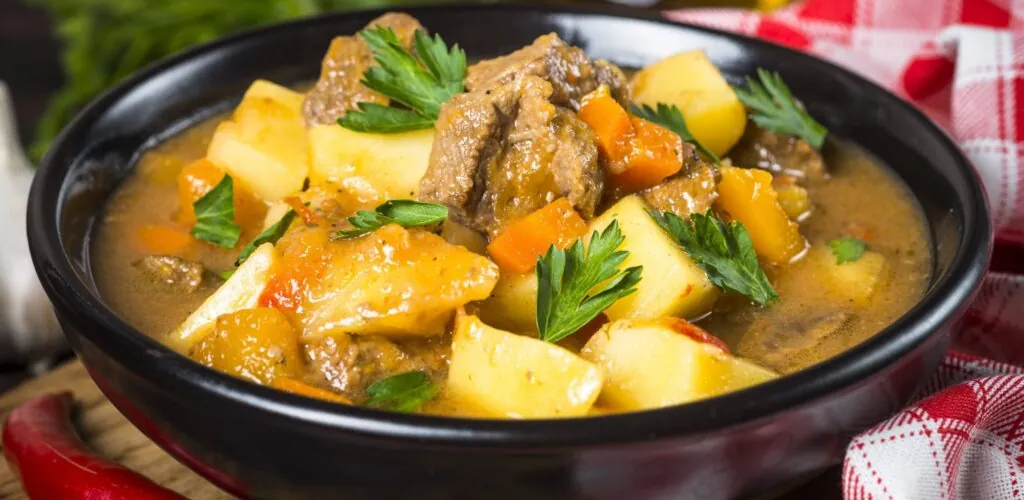
Food plays an important role here. The city benefits directly from the produce of County Cork: Atlantic fish and seafood, meat, farmhouse cheeses, butter and products from a particularly fertile agricultural hinterland.
Pubs are the city’s other face. Some regularly host concerts and traditional music sessions, while others are simply meeting places where students, residents and travellers mingle at the end of the day.
Cork has the ability to remain lively without seeming to be constantly staged for visitors. This is probably part of its appeal: you come to Cork to see the city, but often remember it for its atmosphere.
One day is enough to discover the centre and several of Cork’s main places of interest. But two days are a much more comfortable amount of time to alternate visits, walks, markets and evenings in pubs.
Staying several nights in Cork also allows you to use the city as a base for exploring its county. Blarney, Cobh and several sections of the coast are easily accessible from the centre.
This location makes Cork a particularly interesting stop on a trip through southern Ireland: rich enough to deserve a stay in its own right, but also ideally located for continuing towards the coast.
Cork can be visited in every season. Spring and early summer offer long days, particularly pleasant for exploring the city on foot and continuing your journey through the county.
July and August are naturally busier. Autumn is nevertheless genuinely appealing, especially thanks to the city’s cultural calendar and generally more moderate visitor numbers.
Winter is also very well suited to a city break. Cork has enough museums, pubs, restaurants and cultural venues not to depend entirely on the weather.
As everywhere in south-west Ireland, however, bring a waterproof jacket whatever the season. Rain is part of the landscape, but clear spells can return as quickly as they disappear.
Cork has neither the size nor the concentration of major monuments found in Dublin. And that is precisely what can make it appealing.
The city offers a more compact and often more relaxed experience. Its maritime history, gastronomy, student population and independent character give it an immediately recognisable personality.
It is also an excellent introduction to southern Ireland. Just a few kilometres are enough to take you from the lively streets of the centre to the more rural landscapes of County Cork.
There is therefore no need to try to pack in as many visits as possible to appreciate the city. Cork works best when you accept its rhythm: walk along the Lee, step into a market, linger in a café and then let the evening stretch on in a pub. Ultimately, that is a fairly faithful way to discover this famous Rebel City.