The Brownlow House
Brownlow House is a fantastic, recently restored 19th-century manor house. Located near Lurgan Park in County Armagh, this building is an architectural…


 Tourist attractions
 Irish Restaurants and Pubs
 Partner Accommodations
 Campgrounds and Lodging
Brownlow House is a fantastic, recently restored 19th-century manor house. Located near Lurgan Park in County Armagh, this building is an architectural…
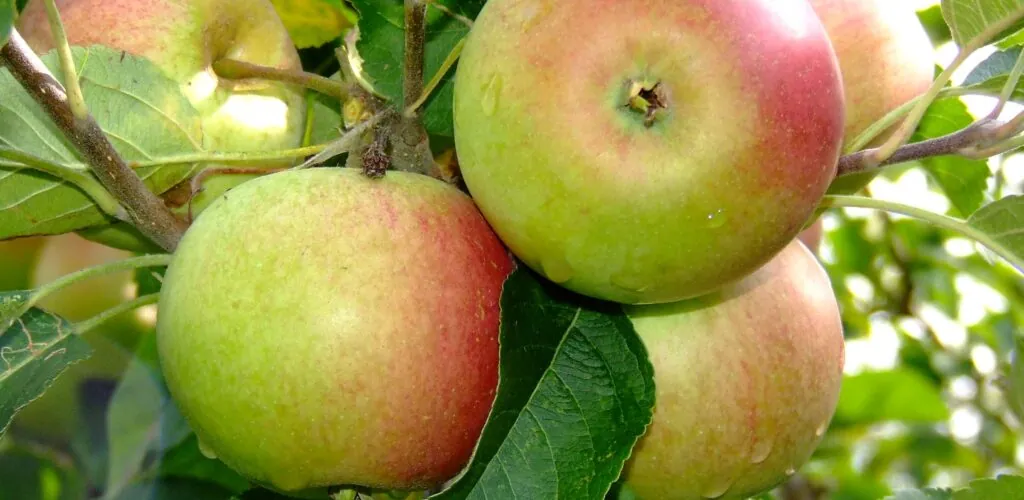
There's more to Ireland than breweries and distilleries! The country is also renowned for its cider makers, including the Armagh Cider Company,…
Navan Fort (also known as Emain Macha) is an archaeological site that resembles a large grassy hill... But don't be fooled by…
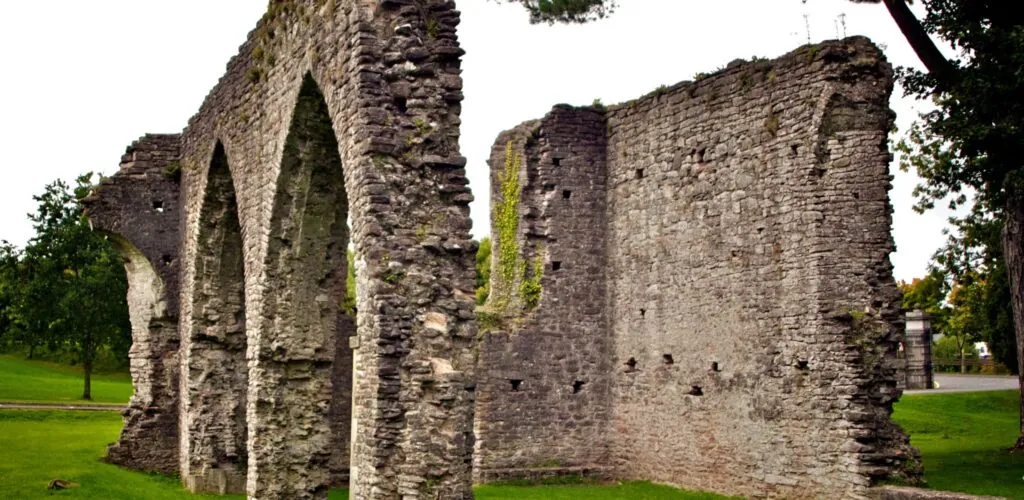
Armagh Friary is one of the many abbeys dotted around Northern Ireland. Nevertheless, it's one of the most beautiful in County Armagh…
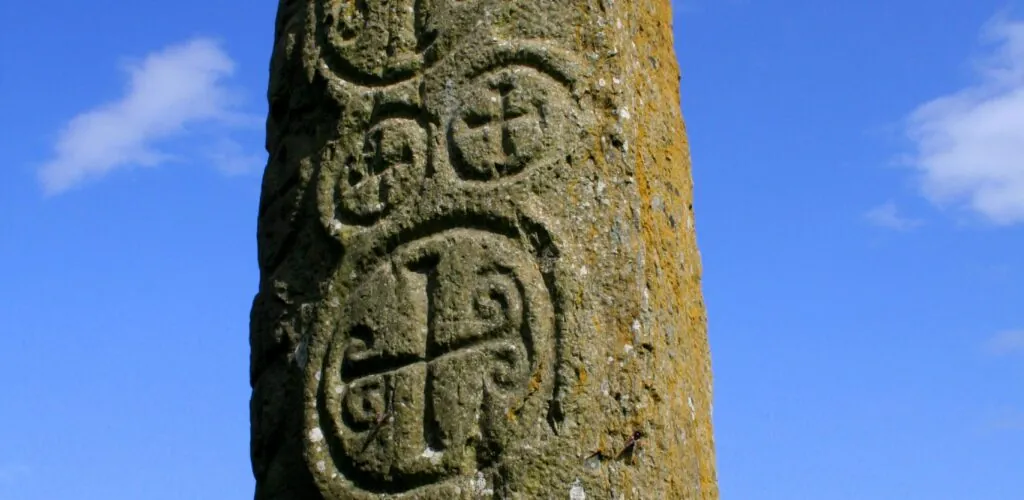
Kilnasaggart Stone is a stone engraved with 13 Christian crosses, located in Northern Ireland in County Armagh. From its height of 2…
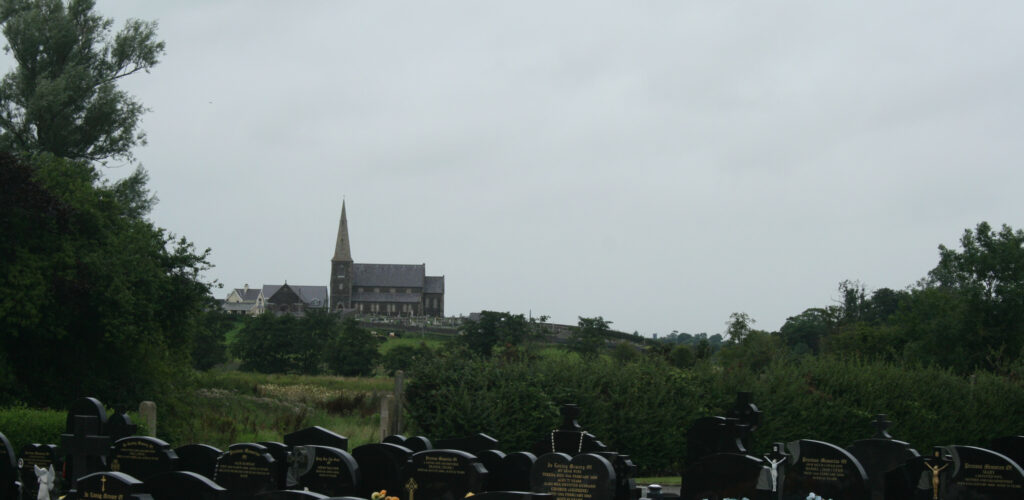
Dumcree Church is a Northern Irish church built in Portadown. Built in 1854, the building is still used today by Protestant Northern…
Armagh has many religious buildings to visit, including the Catholic and Protestant cathedrals in the city center, including St Patrick's Cathedral. [...]
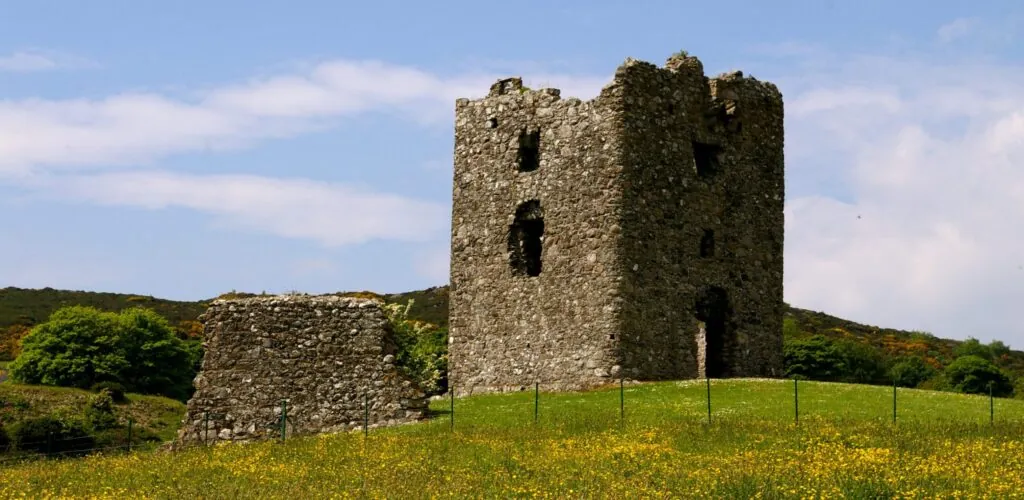
Moyry Castle is a Northern Irish castle in County Armagh, north of Dundalk. Built in 1601 by Lord Mountjoy to help secure…
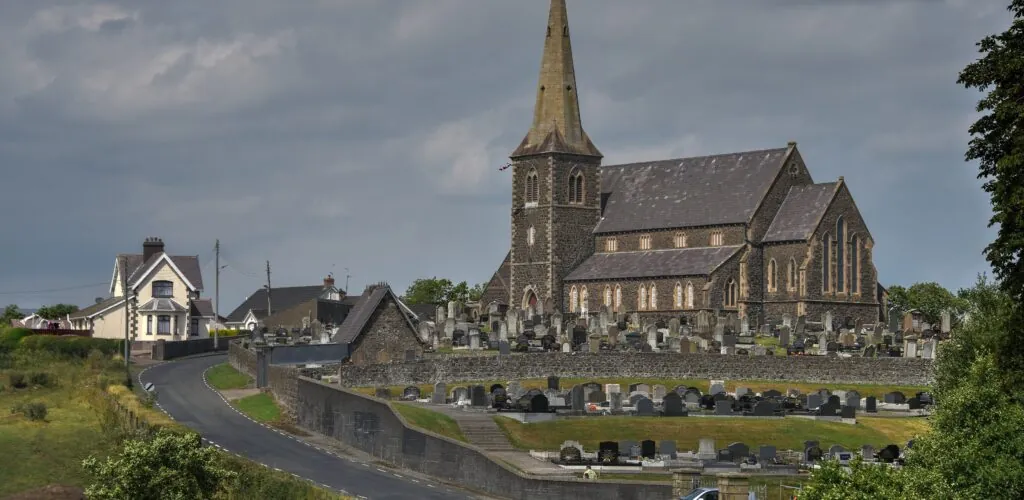
A church, a road and two ways of telling history. In Portadown, County Armagh, the dispute over Drumcree is a reminder of…
The historic county of Armagh occupies the south of Northern Ireland, between the border with the Republic of Ireland, the shores of Lough Neagh and the agricultural landscapes of the heart of Ulster. It is known for its strong religious identity, its orchards and the city of Armagh.
Armagh no longer corresponds to a single administrative authority. Its historic territory is now mainly divided between Armagh City, Banbridge and Craigavon and Newry, Mourne and Down. Current statistics should therefore be attributed to the districts, rather than to the historic county.
The city of Armagh is the main heritage centre, with a history closely linked to Saint Patrick, Christian traditions and several cultural institutions.
The south of the county is associated with a significant fruit-growing tradition, particularly apple orchards. The rolling countryside gives this part of the area an identity very different from that of the neighbouring major urban centres.
In the north, the land approaches Lough Neagh and more urbanised areas.
One to two days are enough to discover Armagh City and the surrounding countryside. A car makes it easier to explore the orchards, rural sites and areas near the border.