Cooley Distillery
Cooley Distillery is Ireland’s newest distillery. Located on the Cooley peninsula, in the midst of a fairytale landscape, the distillery produces a…


 Tourist attractions
 Irish Restaurants and Pubs
 Partner Accommodations
 Campgrounds and Lodging
Cooley Distillery is Ireland’s newest distillery. Located on the Cooley peninsula, in the midst of a fairytale landscape, the distillery produces a…
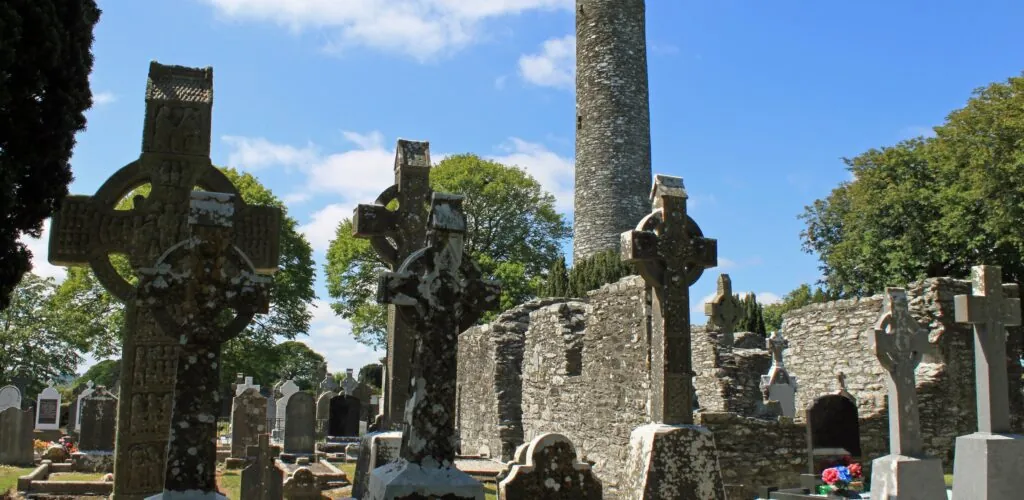
In the countryside of County Louth, around 8 kilometres north of Drogheda, Monasterboice brings together some of the most remarkable surviving examples…
Roache Castle is a ruined castle in County Louth. Built in 1236 by a wealthy Anglo-Norman family, the castle is now in…
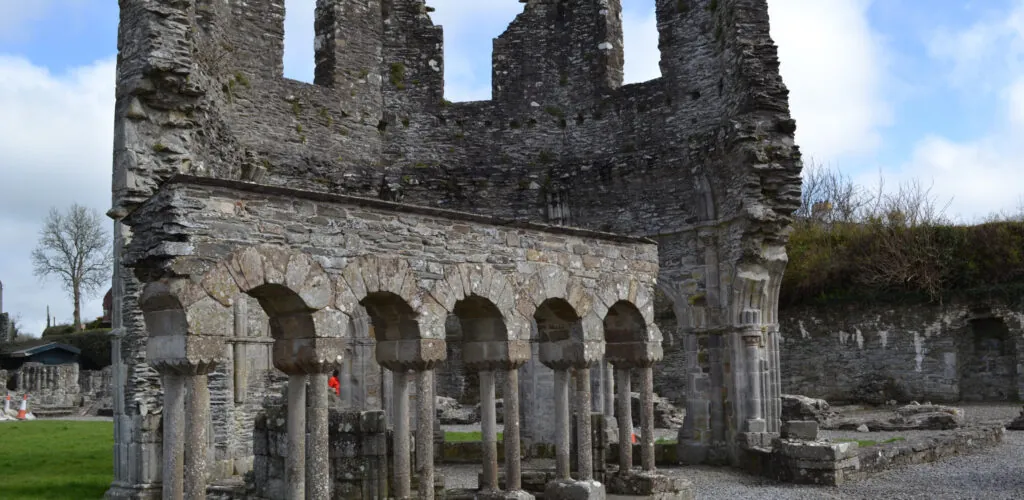
The oldest Cistercian abbey ever built in Ireland! Located in County Louth, 15km from Drogheda, Mellifont Abbey was the inspiration for all…
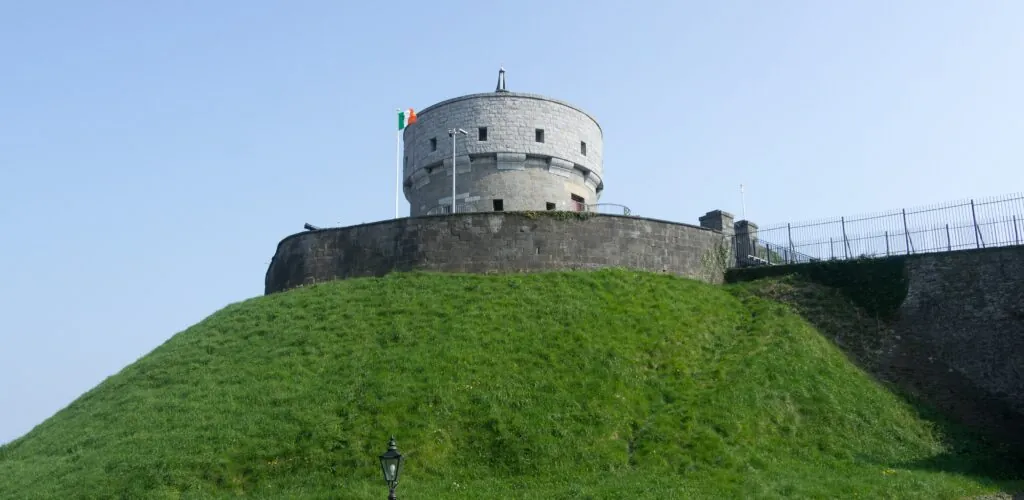
In terms of must-sees in Drogheda, our top recommendation is Millmount Fort, a large tower built on a promontory overlooking the rest…
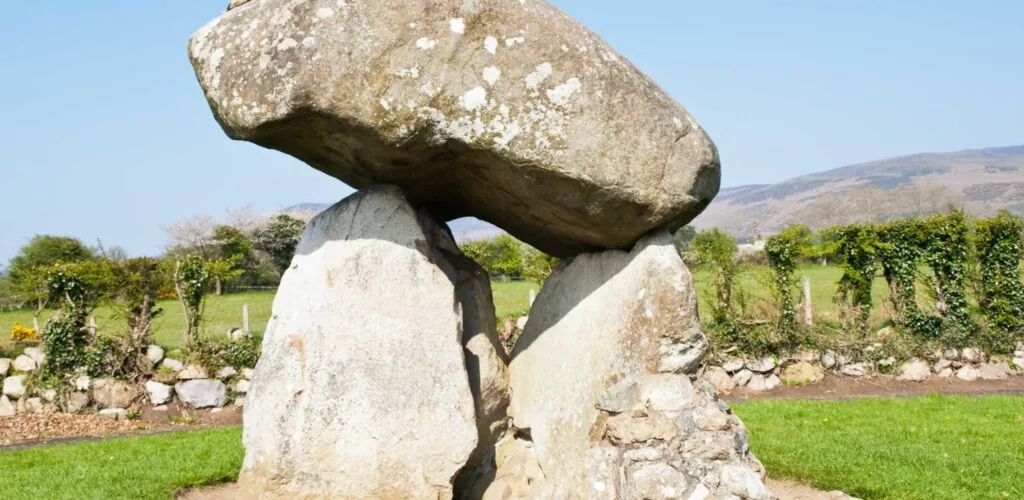
Proleek dolmen is an archaeological site located less than 10km from Dundalk in County Louth. Imposing and majestic, its unique shape attracts…
The Muiredach Cross is a Celtic cross left over from the Monasterboice monastery, a 6th-century religious building. This cross is considered a…
Are you an art lover? Don't miss the Highlanes Gallery, a museum in Drogheda devoted entirely to art from the 17th century…
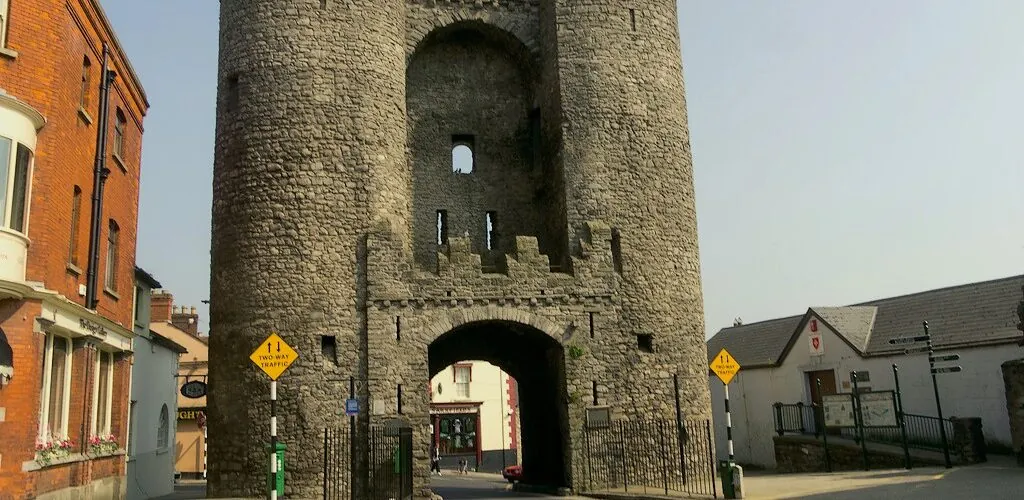
Laurence’s Gate is a 13th-century building in the town of Drogheda. This is one of the last vestiges of the city’s ancient…
Carlingford is home to a superb medieval castle in ruins. It’s usually called King John’s Castle (not to be confused with Limerick…
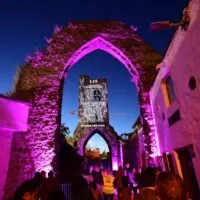
Discover the story of the siege of Drogheda in 1649, orchestrated by Oliver Cromwell. A bloody massacre that left an indelible mark on Irish…
Find a comfortable place to stay and make the most of your trip to Ireland.

Animal bones, medieval pottery, a mysterious circular kiln and a large cesspit: work at Ardee Castle in County Louth has revealed part…
County Louth, Ireland’s smallest county by area, nevertheless has a high density of heritage sites between the Irish Sea, the Boyne Valley and the hills of the Cooley Peninsula. Drogheda and Dundalk are its two main urban centres.
Louth had a population of 139,703 in the 2022 census. Its position between Dublin and the Northern Irish border makes it a transit area, but its distinct identity is based on several different areas.
In the south, Drogheda opens onto the Boyne Valley and a major historical heritage. However, the Boyne Valley extends beyond the county boundaries and also into Meath: this distinction is important to avoid geographical confusion.
In the north, Dundalk serves as the hub for a large part of the county. Further east, Carlingford Lough and the Cooley Peninsula offer a landscape of mountains, coastline and historic villages.
Louth’s position between Leinster and Ulster has shaped its history. Castles, religious sites, medieval towns and ancient routes dot this compact area.
One to two days allow you to combine Drogheda and the Cooley Peninsula; more time makes it possible to add Dundalk, Carlingford and rural sites.