Beal Boru
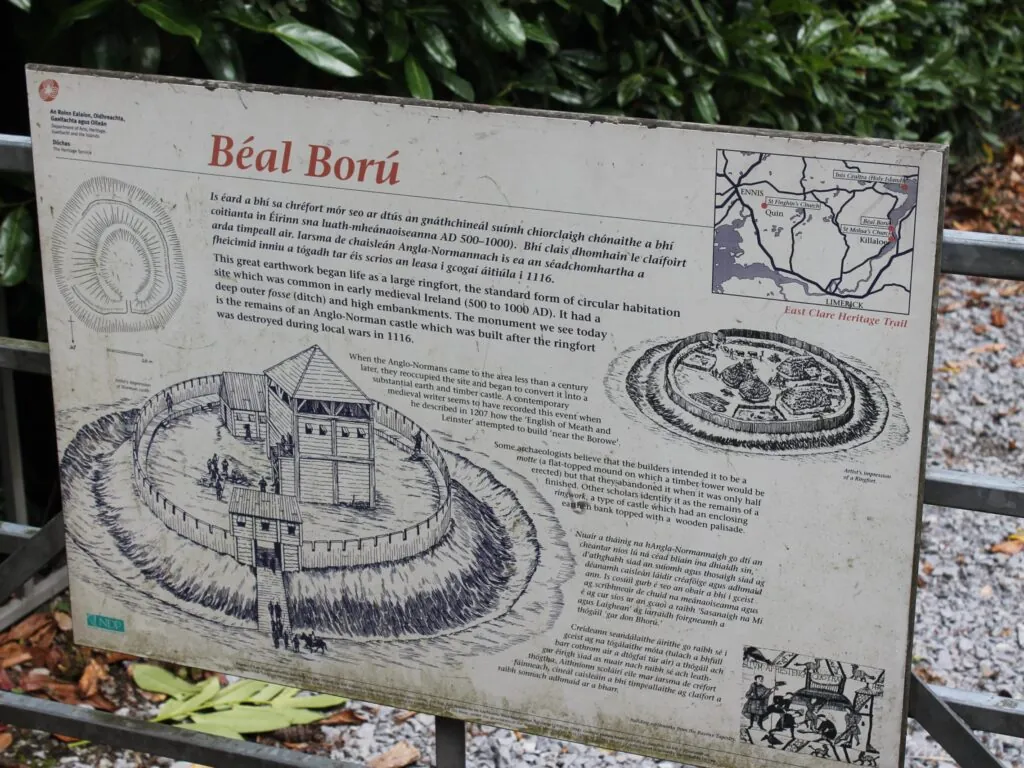
Do you know the Beal Boru? This prehistoric circular fort (known as the "Ringfort") dates back to the Iron Age, and is…


 Tourist attractions
 Irish Restaurants and Pubs
 Partner Accommodations
 Campgrounds and Lodging
Do you know the Beal Boru? This prehistoric circular fort (known as the "Ringfort") dates back to the Iron Age, and is…
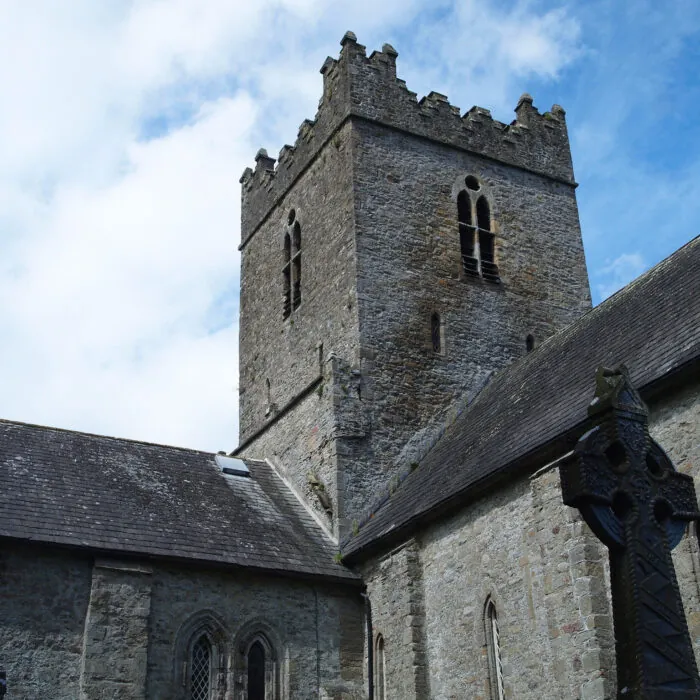
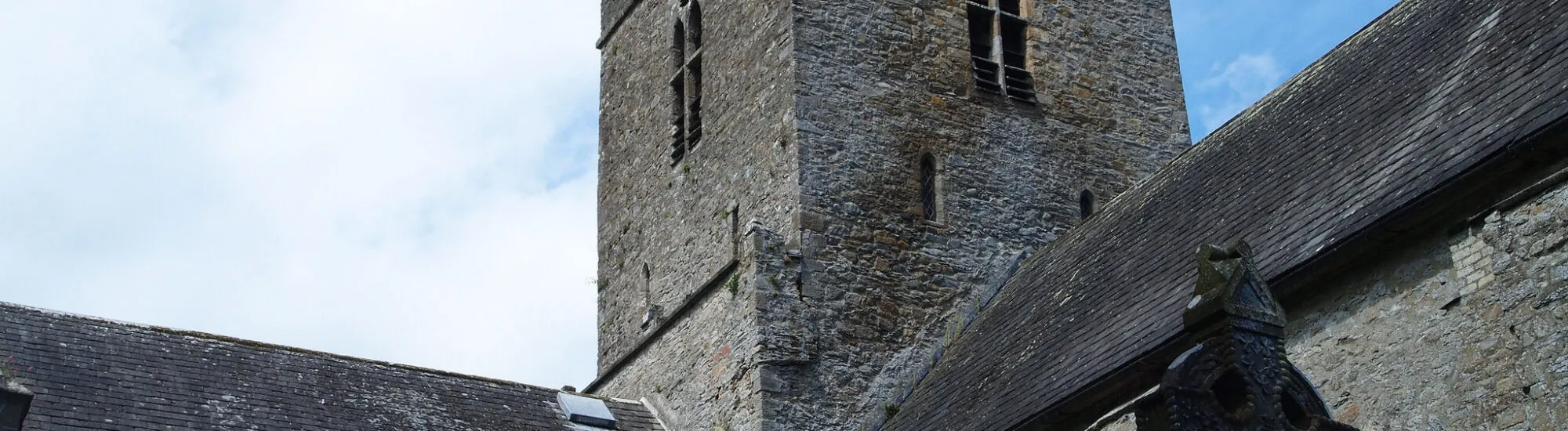
St Flannan's Cathedral is a pretty 14th-century cathedral in Killaloe. It is one of the main sites to visit in the village.…
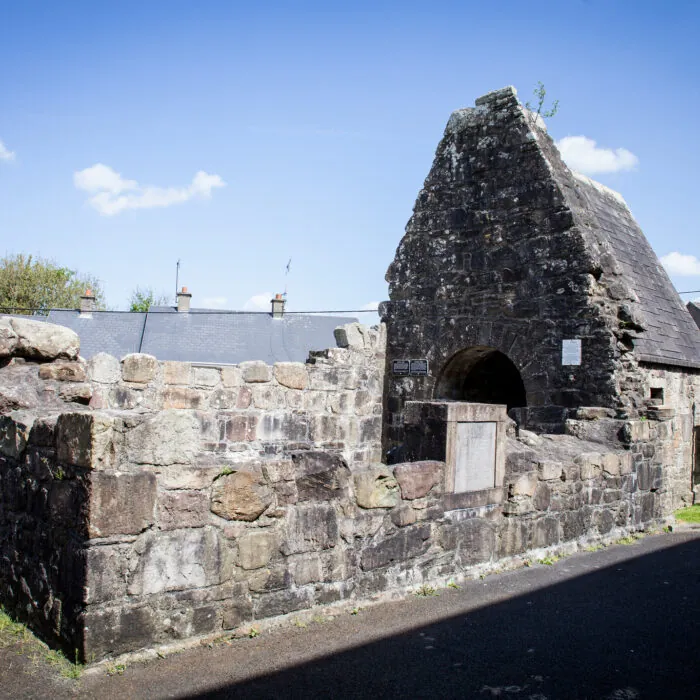
Passing through the village of Killaloe in County Clare? Don't miss St Lua's oratory, dating from the 12th century. Its condition is…
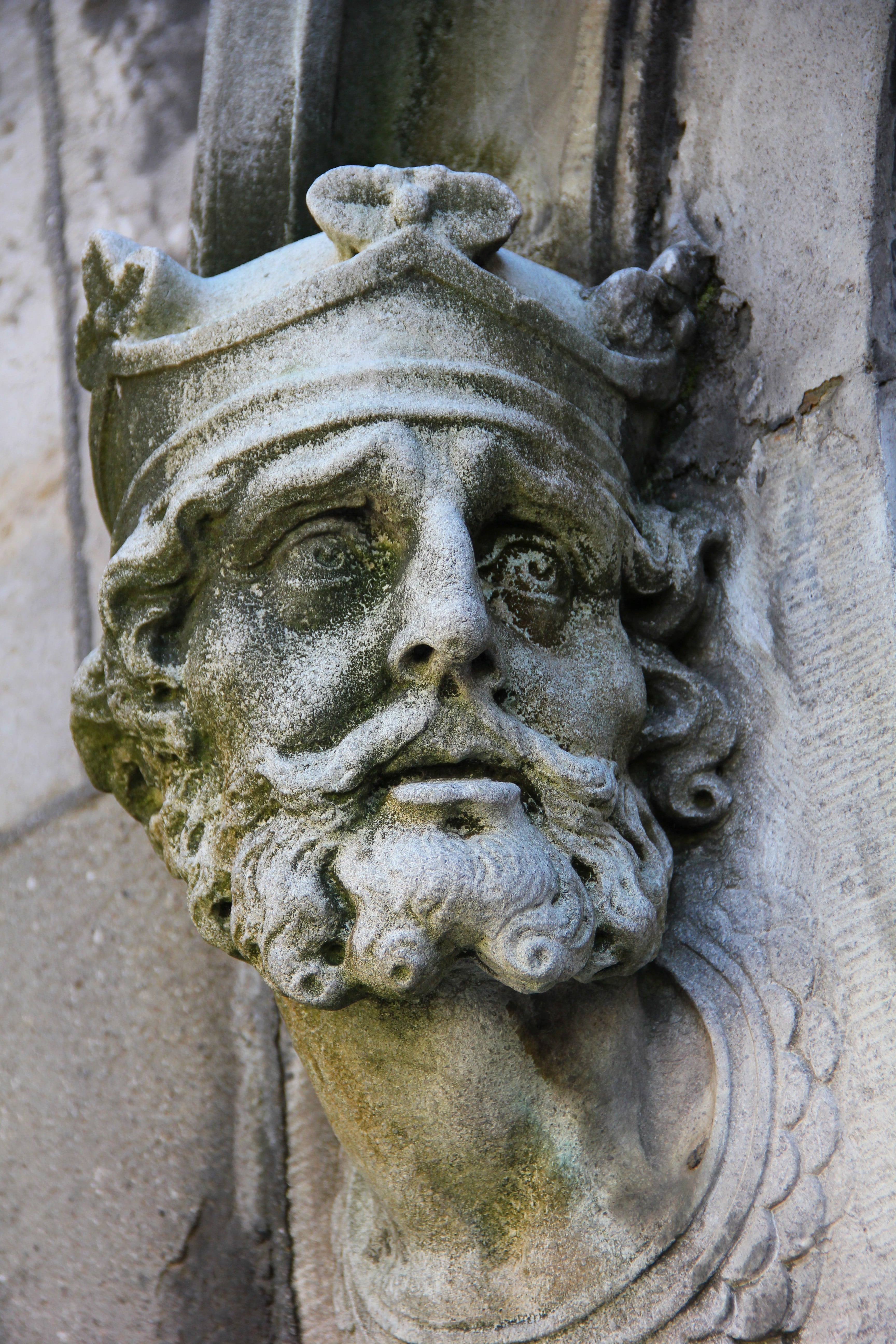
Brian Boru is known throughout Ireland for his historical achievements! He is known for having won the battle against the Vikings!
In Killaloe, the Shannon sets the pace. It appears between the houses, along the quays and beneath the arches of the old bridge, its calm breadth inviting you to put down your bags and stay awhile. On the County Clare bank, Killaloe faces Ballina in County Tipperary. Together, the two towns make a natural short break at the southern end of Lough Derg, with walkable centres, heritage sites and opportunities to get out on the water. Spend a few days here and the road soon gives way to the simple pleasure of watching the river flow.
The historic bridge links the two centres and is one of the area’s most recognisable landmarks. Since 17 October 2025, it has been reserved for pedestrians and cyclists, a welcome change that has transformed the experience of exploring the riverbanks. You can cross, turn back and watch the Shannon without sharing the route with motor traffic. Cyclists still use the bridge, so leave them space and take care not to block the way when you stop.
Motor traffic now uses the new Brian Boru Bridge and its connecting roads. If your navigation app directs you towards the old bridge, check that the route reflects this change. Information from Clare County Council confirms the historic crossing’s new role. Park in an authorised space before setting out on foot: the bridge then becomes part of the walk rather than a traffic obstacle.
Explore both banks rather than trying to see everything from one side. The views change as you cross, while the streets add another perspective to what you can see from the bridge. A few hours are enough for an initial look around, but a full day leaves time for a visit and a leisurely meal. Pause to watch the activity on the water: the boats and passing traffic make the Shannon feel like a living waterway rather than simply part of the scenery.
When planning your journey, take care with the name of your destination: this Ballina is in County Tipperary and should not be confused with the town of the same name in County Mayo. This detail can prevent booking or navigation errors. It helps to think of ‘Killaloe and Ballina’ as a single destination, while checking which bank your accommodation and activities are on.
Killaloe is closely associated with Brian Boru, one of the leading figures in Irish history. This connection adds depth to a walk through the town, without turning every stop into a history lesson. St Flannan’s Cathedral is a worthwhile stop for anyone interested in heritage. Be mindful of services and check visiting arrangements if you would like to see the interior.
St Lua’s Oratory and the site of Beal Boru offer further options, depending on your interests and available time. Their histories deserve an attentive visit rather than a hurried stop added merely to lengthen the list. On a first day, one heritage site combined with both riverbanks and a break on the quays already makes a well-balanced itinerary.
Upstream, Lough Derg opens onto a broader landscape. A boat trip or guided water activity offers a different perspective from the view by road. Before booking, check the exact departure point: ‘Killaloe-Ballina’ does not refer to a single jetty. Also ask about the duration, the equipment provided and the cancellation policy in poor weather.
For kayaking or any other paddling activity, choose an option suited to your level of experience. The Shannon and the lake are not swimming pools: wind, currents and boat traffic all need to be considered. If the area is unfamiliar, a guided activity is a good way to explore it. Those who prefer to stay on land can keep the water at the heart of the day by following the quays and marked walks, with no sporting challenge required.
Half a day is enough for an initial walk between Killaloe and Ballina. A full day is better if you add a visit or an activity on the water, while two nights offer more freedom to explore the Lough Derg area. Book no more than one activity per day and leave some flexibility around it. This is especially useful if the wind changes conditions on the lake or you decide to linger over lunch.
Accommodation close to the two centres makes it easier to go out on foot and gives you a wider choice of restaurants. A more remote address on the lakeshore offers a different experience, generally centred on peace and quiet and travel by car. Check actual distances rather than relying on a water view. If you are travelling in a group, also decide where everyone can meet after taking part in different activities.
If you are travelling without a car, check road connections and transfers before booking, particularly from Limerick. The last return service and access to your accommodation matter just as much as the outward journey. If you have a car, use the new access roads, then leave it parked while you explore both centres on foot. To see more of the lakeshore, choose one or two stops rather than attempting a rushed circuit. In Killaloe, the finest moment of your stay may also be the simplest: crossing the old bridge, then pausing while the Shannon continues on its way.