The Cliffs of Moher
Vertiginous, wild and battered by the Atlantic, the Cliffs of Moher are among Ireland’s most famous landscapes. Located on the west coast…


 Tourist attractions
 Irish Restaurants and Pubs
 Partner Accommodations
 Campgrounds and Lodging
Vertiginous, wild and battered by the Atlantic, the Cliffs of Moher are among Ireland’s most famous landscapes. Located on the west coast…
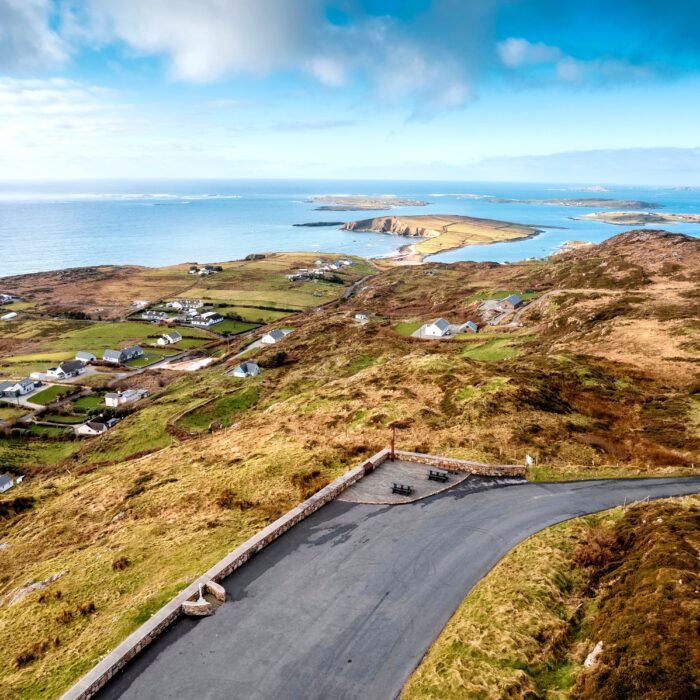
West of Clifden, the Sky Road forms a spectacular loop between the hills of Connemara and the Atlantic Ocean. Over roughly 16…
Want to explore Connemara on foot? Don’t hesitate to take the Connemara Way, a 78-kilometer circuit that starts in Oughterard in County…
If you’ve ever wondered where to go to experience a real fairy tale (or maybe even a spooky legend), look no further…
Behind the gates of St Stephen’s Green, Dublin’s bustle seems suddenly to fade away. Buses, passers-by and the shopfronts of Grafton Street…
Do you like theme parks? We look forward to seeing you at Tayto Park in County Meath, Ireland. A magical place, with…
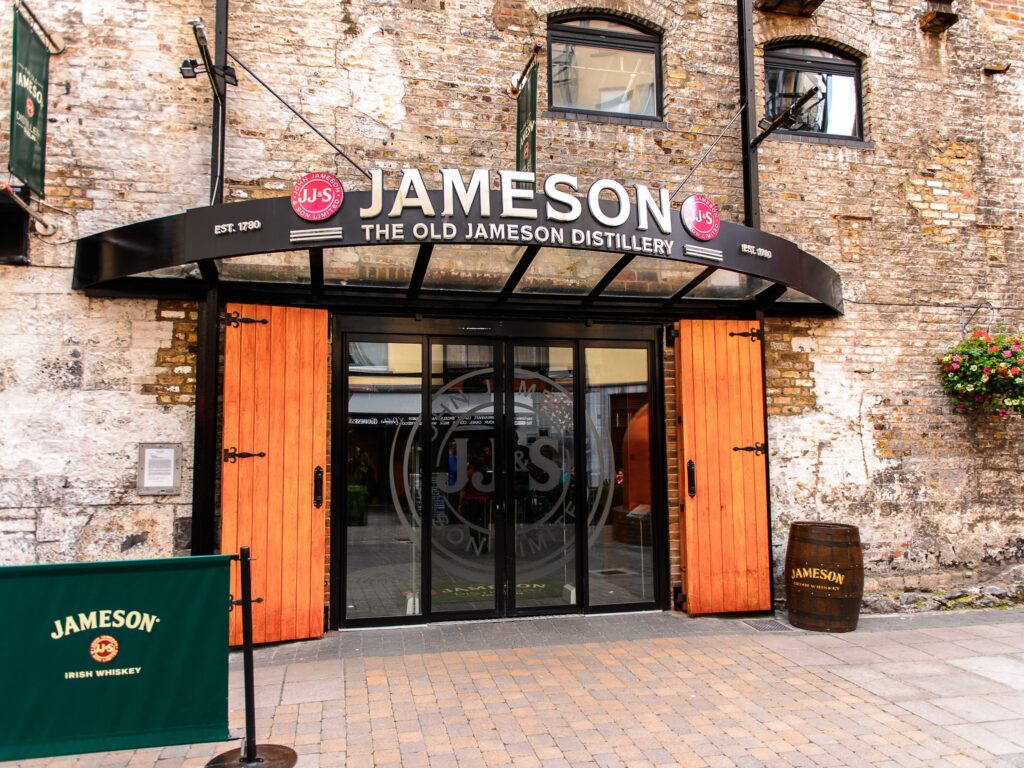
Just a stone’s throw from Smithfield Square, the stone walls of the Jameson Distillery (Old Jameson Distillery) tell more than two centuries…
Discover one of Ireland's most famous dolmens, the Poulnabrone dolmen! Located in County Clare, in south-west Ireland, in the heart of the…
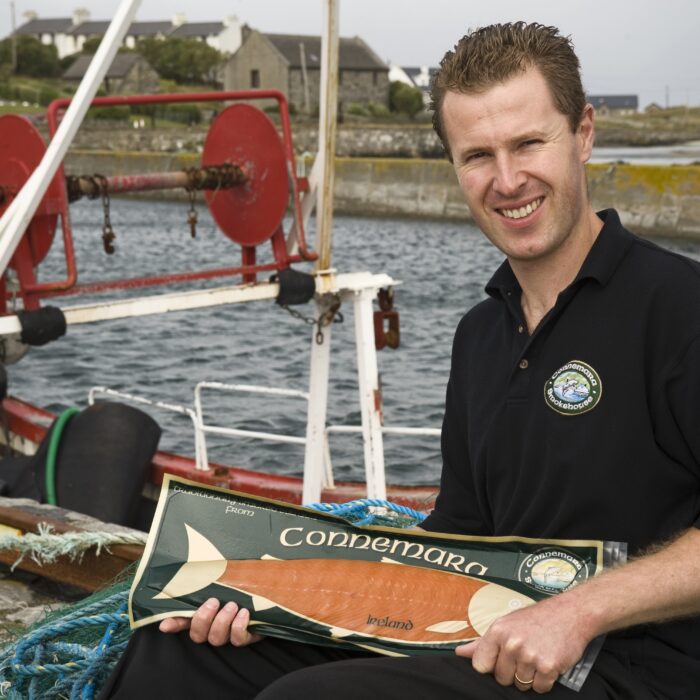
Overlooking the Atlantic, on Bunowen Pier near Ballyconneely, Connemara Smokehouse keeps a rare craft alive. Since 1979, the Roberts family has been…
The National Museum of Archaeology is a state museum forming part of the National Museum of Ireland. This magnificent museum boasts a…
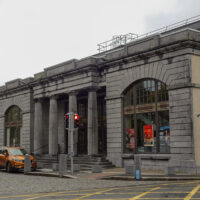
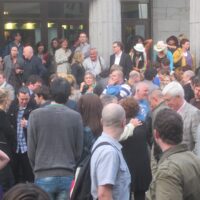
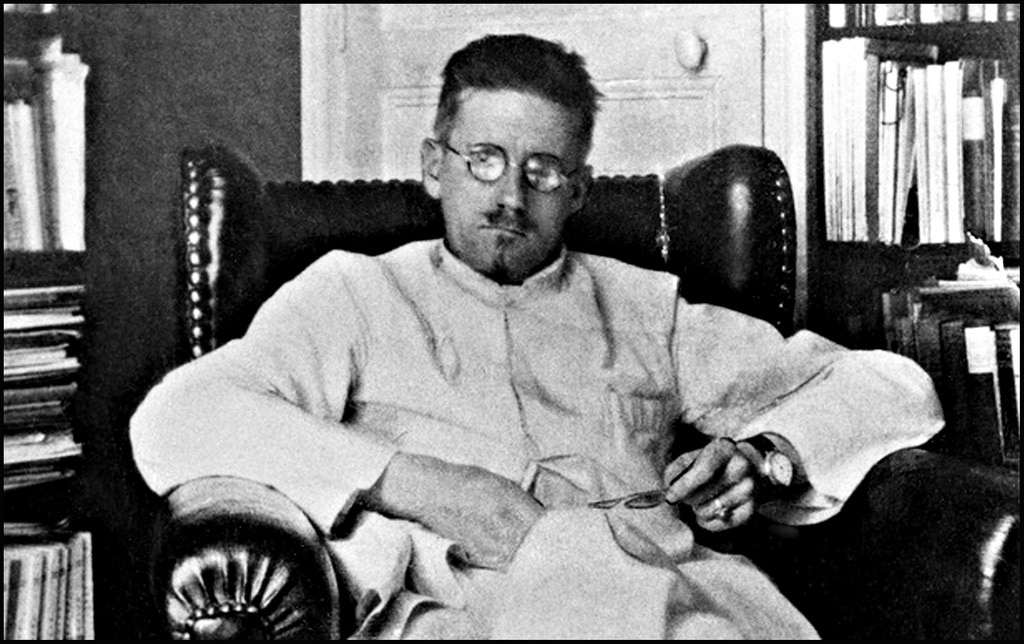
Finnegans Wake is a novel written by James Joyce and published in 1939. Considered a great monument of Irish literature, it is also considered…
Between the Burren’s limestone plateau, Atlantic cliffs, Loop Head and the shores of the Shannon, County Clare brings together some of the most distinctive landscapes in western Ireland, with a musical identity that remains very much alive.
Find a comfortable place to stay and make the most of your trip to Ireland.
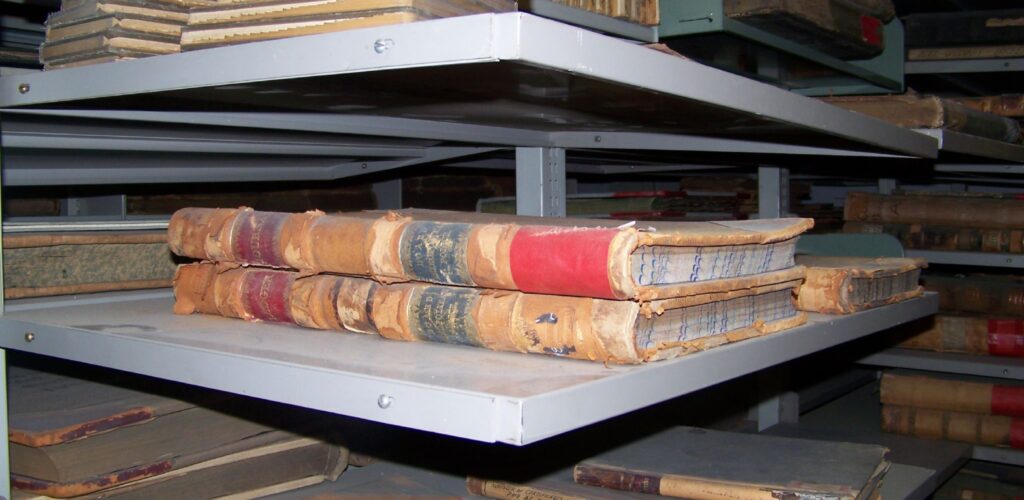
In Ireland, around 12,000 books once banned are due to be transferred to the National Archives and made accessible to the public.…
Located on Ireland’s west coast, in the province of Munster, County Clare (Contae an Chláir in Irish) occupies a particularly varied area between the Atlantic, Galway Bay, the Shannon Estuary and Lough Derg. The Cliffs of Moher and the Burren are its best-known landscapes, but they represent only part of a county combining coastline, limestone plateaux, peninsulas, countryside, lakes and small towns.
With 127,938 inhabitants in the 2022 census and an area of around 3,450 km², Clare remains relatively sparsely populated. Ennis is its main urban and administrative centre, while Doolin, Lahinch, Ennistymon, Kilkee, Kilrush, Killaloe and several villages shape very different visitor areas. When planning a trip, understanding these broad regions is therefore more useful than simply moving from one famous attraction to another.
Geography explains much of Clare’s identity. To the west lies the Atlantic Ocean; to the north, Galway Bay borders the Burren; to the south, the vast Shannon Estuary separates the county from Kerry and part of Limerick; to the east, the Shannon and Lough Derg form another natural boundary.
This setting gives the county several distinct faces. The north is dominated by the Burren’s karst landscape. The central-west area includes the Cliffs of Moher, Doolin, Lahinch and Ennistymon. Further south, the Loop Head peninsula extends between the Atlantic and the Shannon. To the east, Killaloe and the shores of Lough Derg belong to a more wooded, lake-filled world, very different from the mineral landscapes of the north.
This diversity matters to travellers: Clare is not a destination organised around a single route. Two or three days are enough to discover its main landmarks, but a longer stay is needed to combine the Burren, the coast, Loop Head and the east of the county without spending most of the time on the road.
The Burren is one of the county’s major geographical areas. Its limestone plateau, crossed by fissures, caves, pastureland and rocky formations, creates a landscape that contrasts sharply with the usual image of an Ireland that is uniformly green.
This area also has remarkable biodiversity and a very high concentration of traces of human settlement. Megalithic tombs, stone forts, religious buildings and former agricultural landscapes show that this seemingly austere environment has been inhabited and worked for several millennia.
Part of the Burren is protected by Burren National Park. More broadly, the Burren and the Cliffs of Moher form part of the Burren and Cliffs of Moher UNESCO Global Geopark, a designation linking geology, natural heritage, human history and local development.
Guide-Irlande has dedicated content on the Burren, Poulnabrone, the caves and several archaeological sites. This county page is therefore not intended to describe each of them in detail: at County Clare level, the key is to understand the Burren as an area to explore slowly, through villages, back roads, walks and limestone landscapes.
The Cliffs of Moher are Clare’s tourism emblem and one of Ireland’s best-known natural attractions. Their high visitor numbers can nevertheless give a very partial view of the region if a visit is limited to the main site before immediately continuing on to Galway or Dublin.
The cliffs form part of a wider coastal area. Doolin, Liscannor, Lahinch and Ennistymon make it possible to spend several days in this area, combining Atlantic scenery, music, walks and small towns. Doolin in particular serves as a gateway to the Burren and the cliffs, while retaining a strong association with traditional music.
Lahinch has a different identity, more focused on the beach and surfing. Slightly inland from the coast, Ennistymon is a practical base for exploring several sites without staying directly in the busiest areas.
Details concerning the cliffs, their trails, O’Brien’s Tower, boat trips or the different sites in Doolin should remain covered in their respective entries. On a county page, their role is primarily to structure this part of the coast and show how it connects with the Burren and the rest of Clare.
South of the main visitor flows around Moher, Loop Head offers another perspective on the coastline. The peninsula stretches between the Atlantic and the Shannon Estuary through a landscape of cliffs, pastureland, small roads and coastal villages.
Kilkee is one of the area’s main focal points. Further on, Carrigaholt and Kilbaha lead towards the end of the peninsula and Loop Head Lighthouse. The appeal of this region lies less in one single attraction than in the sequence of landscapes and its more dispersed character.
The Shannon Estuary adds another dimension. Its waters are home to a resident population of bottlenose dolphins, and several marine activities are available from the Carrigaholt area. Further east, Kilrush provides another access point to the estuary and seasonal connections to Scattery Island.
The Kilkee Cliffs, Loop Head Lighthouse, Carrigaholt and wildlife-watching trips have dedicated content on Guide-Irlande. This taxonomy should therefore remain at peninsula level and help readers understand why Loop Head deserves to be considered a destination in its own right rather than simply a detour after the Cliffs of Moher.
Ennis is the county town and its main service centre. Its relatively central location provides access to the Burren and the coast as well as Shannon, Bunratty and east Clare.
The town has its own heritage, notably around its former Franciscan foundation, but its county-wide appeal also lies in its cultural life. Ennis is one of the places where traditional music remains especially prominent, continuing a tradition deeply rooted in Clare.
For travellers who do not wish to change accommodation every night, Ennis can therefore be a sensible base. By contrast, those prioritising Atlantic landscapes may prefer Doolin, Lahinch or Kilkee, while Killaloe is better suited to exploring the east of the county.
The east of the county contrasts sharply with the Burren and the Atlantic coast. Around Killaloe and Lough Derg, landscapes become more wooded and lake-filled. Here, the Shannon shapes both the area and its outdoor activities, from boating to walks along the shore.
Killaloe holds a special place in Irish history through its association with Brian Boru. Situated opposite Ballina in County Tipperary, the town is now one of the main access points to the southern part of Lough Derg.
This part of Clare is often overlooked by itineraries following the Wild Atlantic Way alone. Yet it makes it possible to extend a stay in a very different environment and to connect Clare more naturally with the neighbouring regions of Limerick and Tipperary.
South-east Clare is shaped by its proximity to the Shannon Estuary and by major transport infrastructure. Shannon Airport is one of the principal air gateways to western Ireland and gives the county a strategic position for starting or ending a trip along the Atlantic coast.
Nearby, Bunratty has significant medieval and visitor heritage. Its castle and Folk Park are covered by dedicated visits and do not need to be developed here. At county level, Bunratty is primarily an easily accessible stop between Shannon, Ennis and Limerick.
This part of Clare also shows that the area is not limited to the wild landscapes of the west: urban areas, infrastructure, historic villages and farmland also contribute to its contemporary identity.
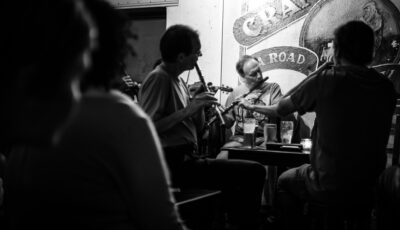
Clare holds a major place in Irish traditional music. Doolin is probably the name best known to visitors, but reducing this tradition to a few village pubs would be misleading.
Ennis, Miltown Malbay, Kilfenora, Feakle and other localities also sustain an active musical tradition. Sessions, festivals, schools and family transmission have helped preserve regional styles and a repertoire that remains vibrant.
This culture is a genuine thread running through the county. It connects villages and landscapes with a local identity that does not depend solely on major visitor sites. Specific events and venues nevertheless deserve their own content, so that this page can retain its role as a general introduction to the area.
Clare’s history is visible in almost all its regions. The Burren contains many prehistoric and medieval remains; Ennis preserves important religious heritage; Bunratty and several tower houses recall the influence of major Gaelic and Anglo-Norman families; the shores and islands of the Shannon bear witness to centuries of trade and navigation.
This concentration of heritage explains why it is preferable not to turn a county page into a catalogue of monuments. Castles, dolmens, abbeys, lighthouses and archaeological sites make more sense when placed within the regions to which they belong, then explored further in their dedicated entries.
For travellers, this organisation also helps avoid unnecessary detours: Burren heritage can be combined with limestone landscapes, estuary heritage with Loop Head and Kilrush, while sites in the south-east fit naturally into an itinerary between Ennis, Shannon and Limerick.
Clare looks compact on a map, but its coastal and rural roads make some journeys longer than expected. One day is enough to discover one area, but not to understand the county as a whole.
For two or three days, it is sensible to focus on the Burren and the coast around Moher, then add Ennis or part of Loop Head. With four or five days, it becomes possible to travel down to Kilkee and Loop Head, or devote a day to Killaloe and Lough Derg without turning the stay into a succession of journeys.
A car remains the most flexible option for rural areas and peninsulas. Ennis and Shannon nevertheless have good connections with the rest of Ireland, while public transport serves several towns in the county. For heavily visited sites, access conditions, parking and any restrictions should be checked before travelling.
Clare’s main appeal ultimately lies in this diversity: the Burren’s mineral landscape, the sheer Atlantic cliffs, the Loop Head peninsula, the waters of the Shannon and its musical culture are not competing experiences but different elements of the same area. By allowing enough time between major attractions, the county reveals an identity far richer than that of a simple stop at the Cliffs of Moher.