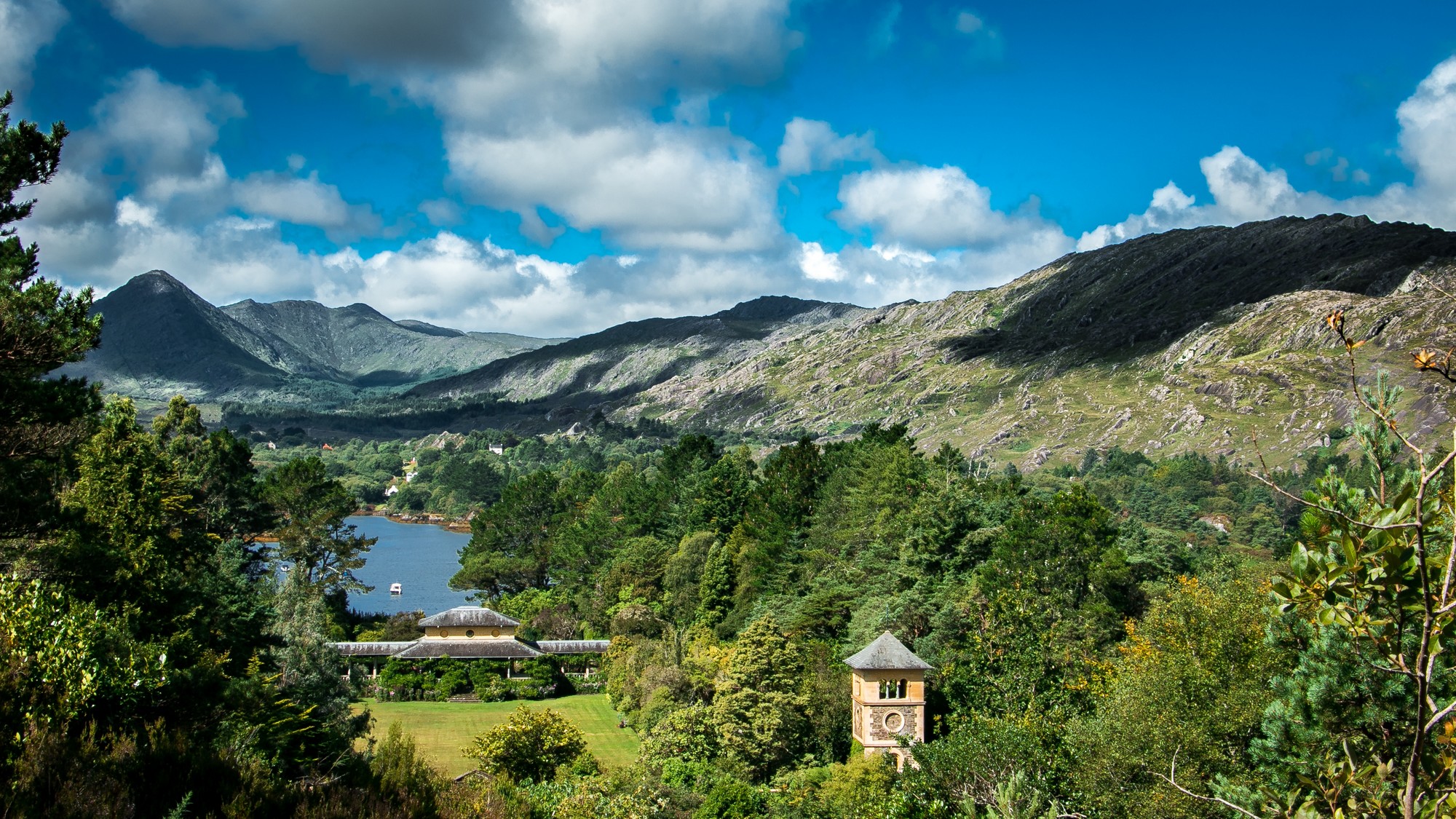
Garinish Island
Nestled in the picturesque waters of Bantry Bay in County Cork, Ireland, lies a hidden gem and a paradise for nature lovers:…


 Tourist attractions
 Irish Restaurants and Pubs
 Partner Accommodations
 Campgrounds and Lodging
Nestled in the picturesque waters of Bantry Bay in County Cork, Ireland, lies a hidden gem and a paradise for nature lovers:…
If you’re looking for a place in the heart of nature, ideal for hiking, look no further than Ireland’s Ballinastoe Woods. This…

In central Dublin, opposite the gates of Trinity College, an unassuming door opens onto several centuries of Irish history. Behind it, the…
For forest lovers, don’t miss the Glengarriff Woods Nature Reserve, a protected forest park just a few kilometers from the village of…
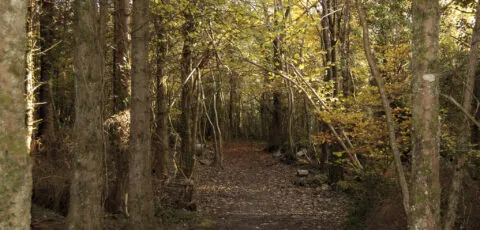
Merlin Woods Park is a forest to the west of Galway. It's a superb walking area, with marked trails and exceptional trees!…
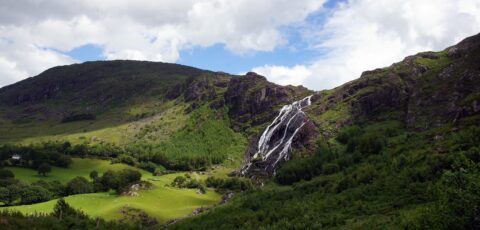
Gleninchaquin Park is a magnificent wilderness park near Kenmare in County Kerry. You'll find sumptuous wild landscapes where you can hike, fish,…
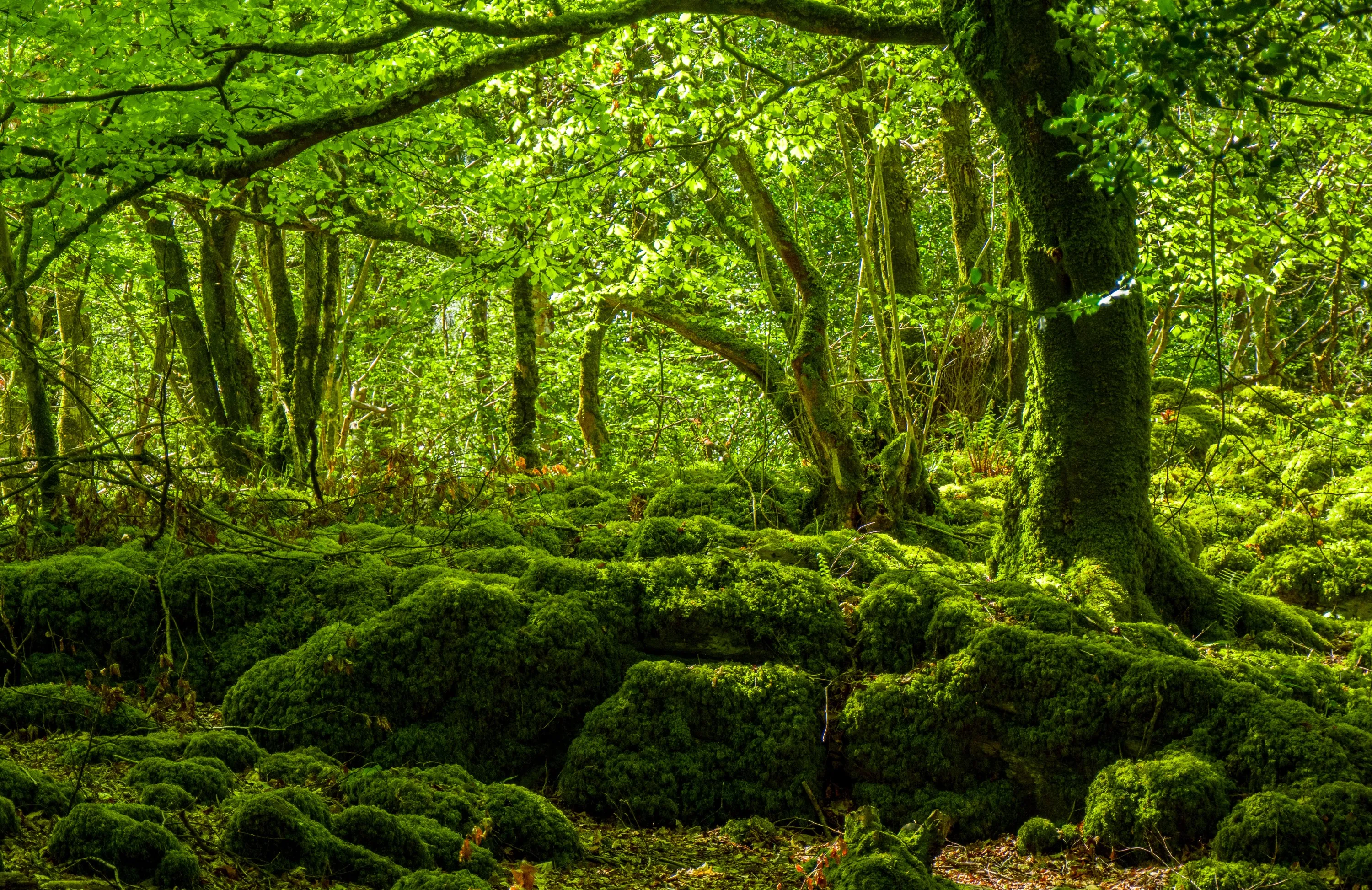
Mossy Woods Nature Trail is a superb forest in Killarney National Park. Covered almost entirely by a thick carpet of moss, the…
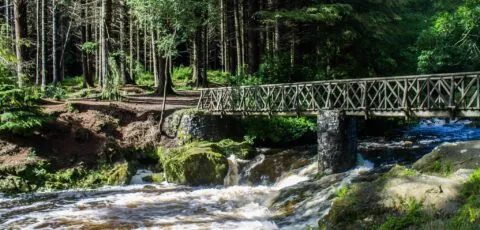
Tollymore Forest Park is a forest park in Northern Ireland, used for several scenes in the Iron Throne series. The surroundings are…
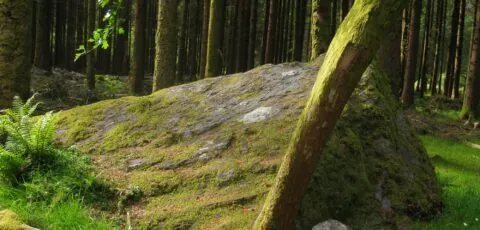
Gougane Barra Forest Park is a 138-hectare forest park in County Cork. A magnificent wilderness environment! A must-see if you're passing through…
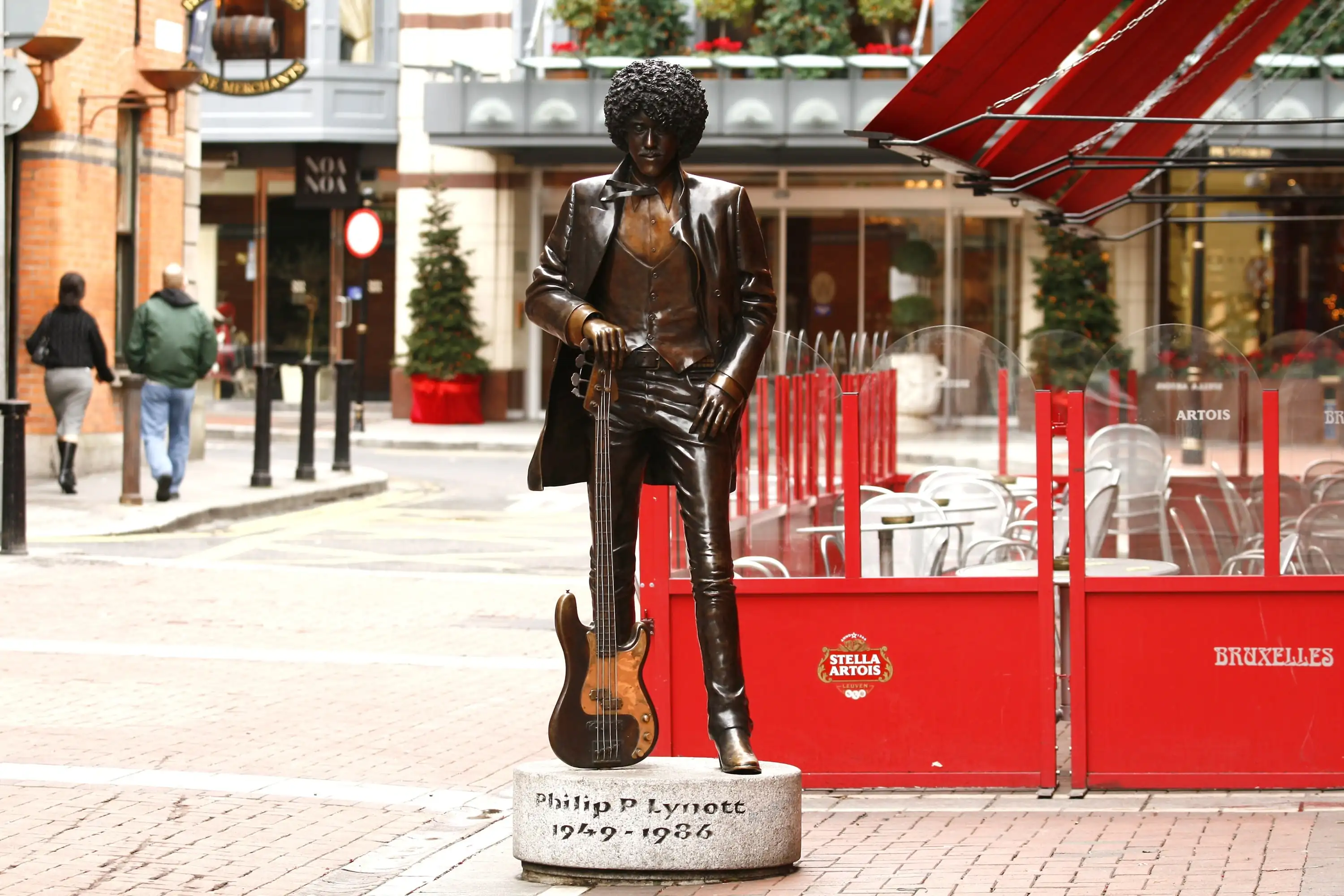
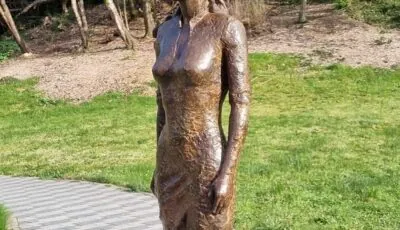
The Phil Lynott Statue is a bronze statue in Dublin's Harry Street district. It pays tribute to Irish singer and bassist Phil…
Find a comfortable place to stay and make the most of your trip to Ireland.
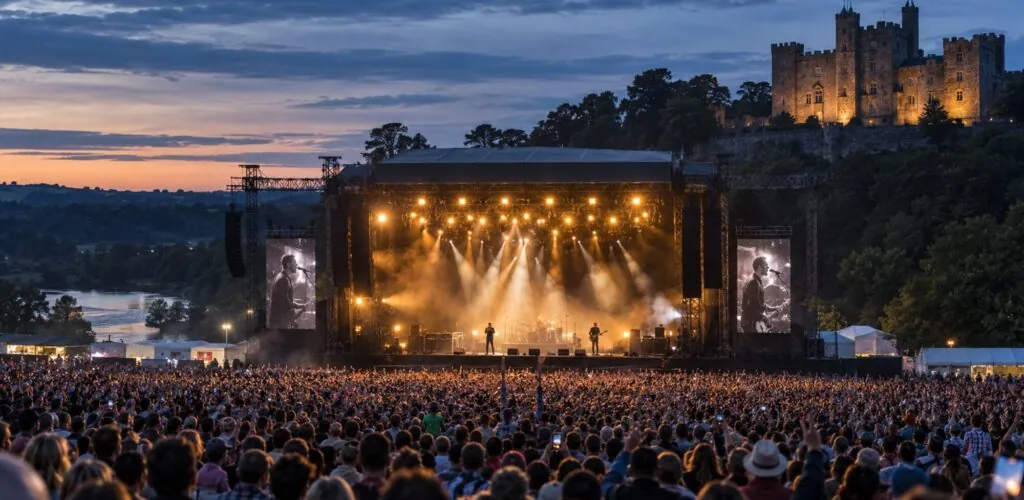
British rock is returning to one of Ireland’s most spectacular settings. Oasis have confirmed two concerts at Slane Castle on Saturday 4…
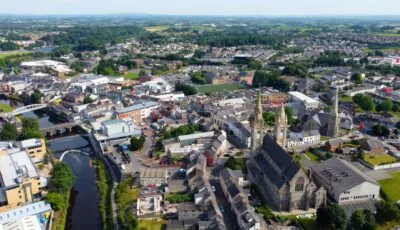
Mullingar (an Muileann gCearr in Gaelic) is a small town of 18,000 inhabitants living peacefully in the heart of Ireland. Its resources are mainly agricultural, and you’re sure to appreciate the beauty of its rolling landscapes criss-crossed by picturesque stone walls… The lakes will delight water sports enthusiasts, while others will be charmed by the region’s ruined monasteries!
The town’s history began in 800, during the Viking and then Norman Invasions. The town’s strategic position was ideal, making it a must for merchants and travelers alike.
But it wasn’t until the 12th century that Mullingar really expanded, thanks to the actions of the “Petit” family, a Norman family belonging to the upper middle class. She built a large manor house, a château, a parish church and several other Augustinian and Dominican monasteries.
In 1542, Henry VIII decided to make the Westmeath region an official county, naming Mullingar as the county capital. As a result, the town’s influence is felt throughout the region, and Mullingar is gradually gaining in influence. Unfortunately, the plague hit the town in 1575, decimating most of the population, and it was finally burnt down in 1597 by the O’Neills clan.
After a partial rebuilding of the town, Mullingar focused its economy on its agricultural resources, and made a living from cattle breeding, building up a reputation for the quality of its animals. She takes advantage of this to produce wool in large quantities, and organizes numerous fairs each year to sell top-quality livestock. The success is so great that everyone rushes to Mullingar to settle there, or to buy a few animals.
At the end of the 18th century, Mullingar saw the construction of many Protestant houses all around it, including the Belvedere. The growing presence of Protestants seemed to displease Mullingar’s Catholic community, which was in the majority at the time.
From the 19th century onwards, Mullingar suffered from numerous cholera epidemics, and the disasters of the Great Famine did nothing to improve the situation of its inhabitants. In addition, many Irish peasants were expelled from their land as a result of the British expropriation policy. Some decided to leave Ireland for the United States.
During the conflict for Irish independence (1916-1921), Mullingar played an active role in the nationalist cause.
Since then, the town’s main sources of income have been tourism, cattle breeding and tin production.
One of Mullingar’s main advantages is that it is surrounded by numerous lakes with prolific waters, much sought-after by anglers. These include Lough Lene, Lough Owel, Lough Derravaragh and Lough Ennell. All will plunge you into an environment as wild as it is beautiful, and will delight your eyes and your camera!
It’s great fun to hike along them, or to take a boat out for a spot of angling. For those who don’t mind getting wet, there are also a number of water sports on offer.
As for the town center, Mullingar is teeming with friendly pubs and colorful shops. Here you’ll discover their local pewter crafts. Don’t miss the world-famous sculpture of “Pilgrims” in the middle of a downtown street!