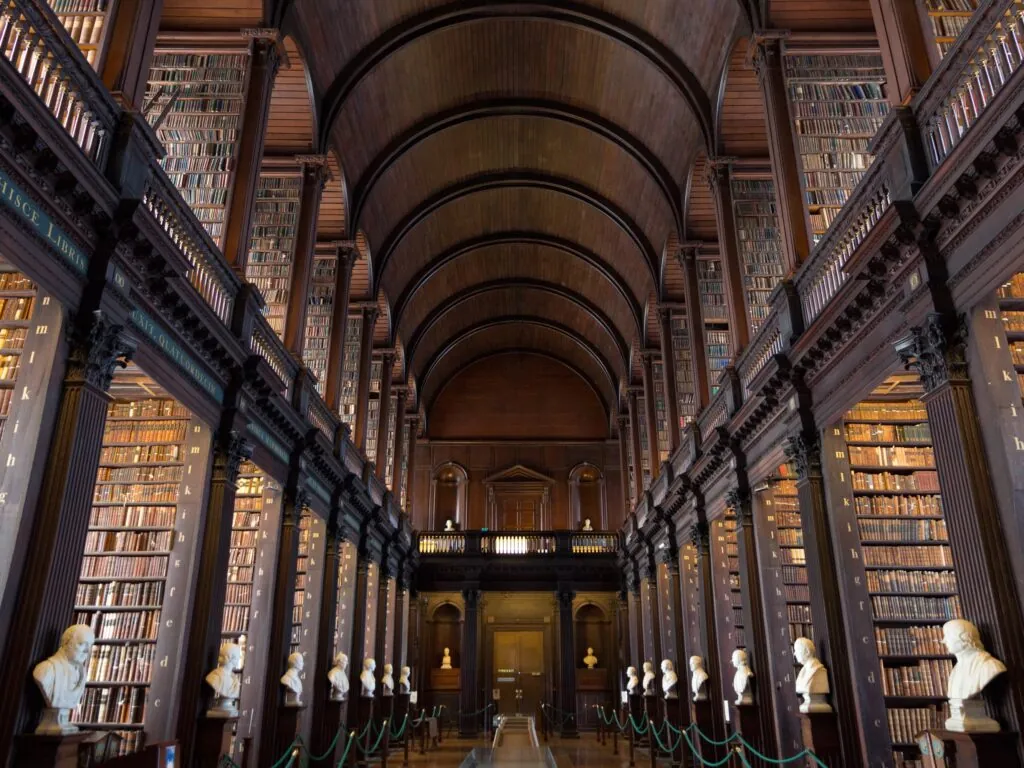
The Old Library at Trinity College
At the heart of Trinity College, the Old Library is home to two of Dublin’s greatest cultural treasures: the spectacular Long Room…


 Tourist attractions
 Irish Restaurants and Pubs
 Partner Accommodations
 Campgrounds and Lodging
At the heart of Trinity College, the Old Library is home to two of Dublin’s greatest cultural treasures: the spectacular Long Room…
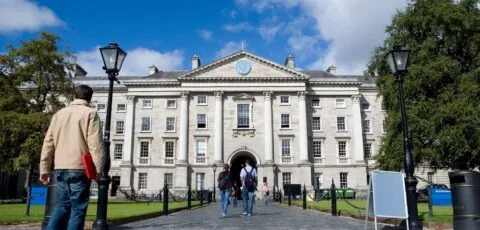
In the heart of Dublin, a stone archway opens onto an almost silent world. Beyond the bustle of College Green, manicured lawns,…
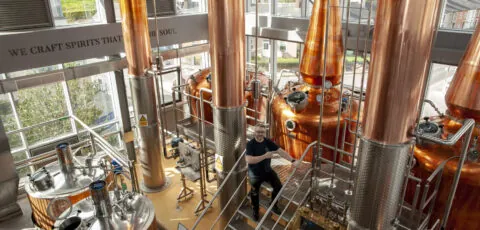
Visiting Clonakilty? We highly recommend a visit to Clonakilty Distillery, an Irish distillery that opened in 2018, and is literally turning the…

In central Dublin, opposite the gates of Trinity College, an unassuming door opens onto several centuries of Irish history. Behind it, the…
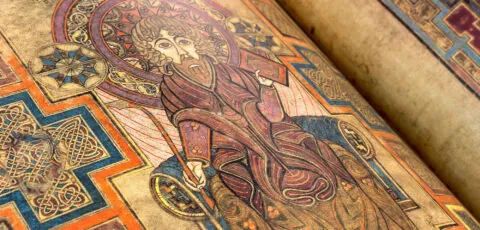
A masterpiece of medieval art, the Book of Kells is an illuminated manuscript produced around the year 800. Its 340 vellum folios…

Tully Stud is Ireland's national stud farm, well known to horseracing enthusiasts. Since 1900, magnificent racehorses have been bred here, some of…
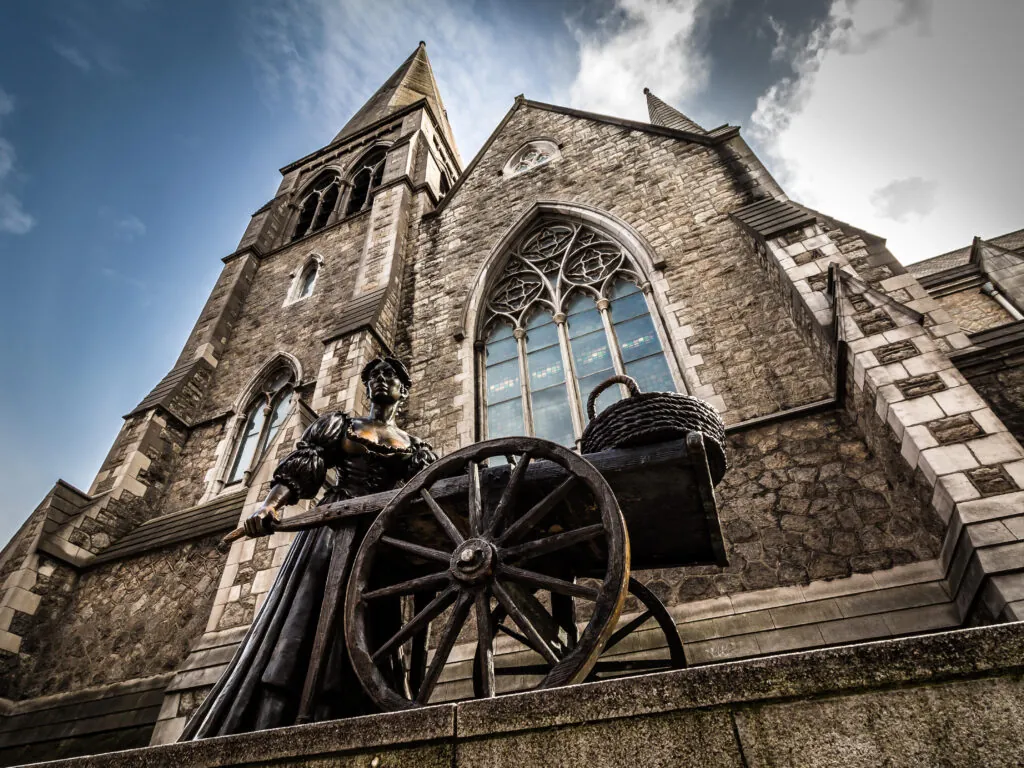
Discover the Molly Malone statue in the heart of Dublin! This fictional character from an Irish folk song is very dear to…
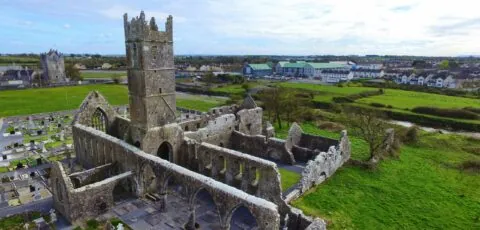
Claregalway Friary is a Franciscan monastery in County Galway, built in 1252. The site is magnificent and imposing, with its perfectly preserved…
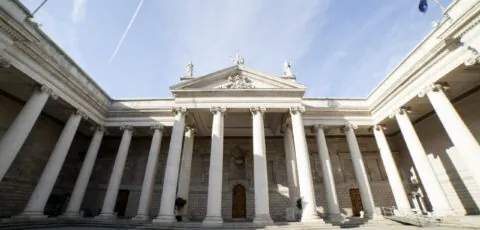
Dublin’s Parliament is one of the city’s must-see monuments. Built in typical Georgian style, Parliament House is located right in the city…
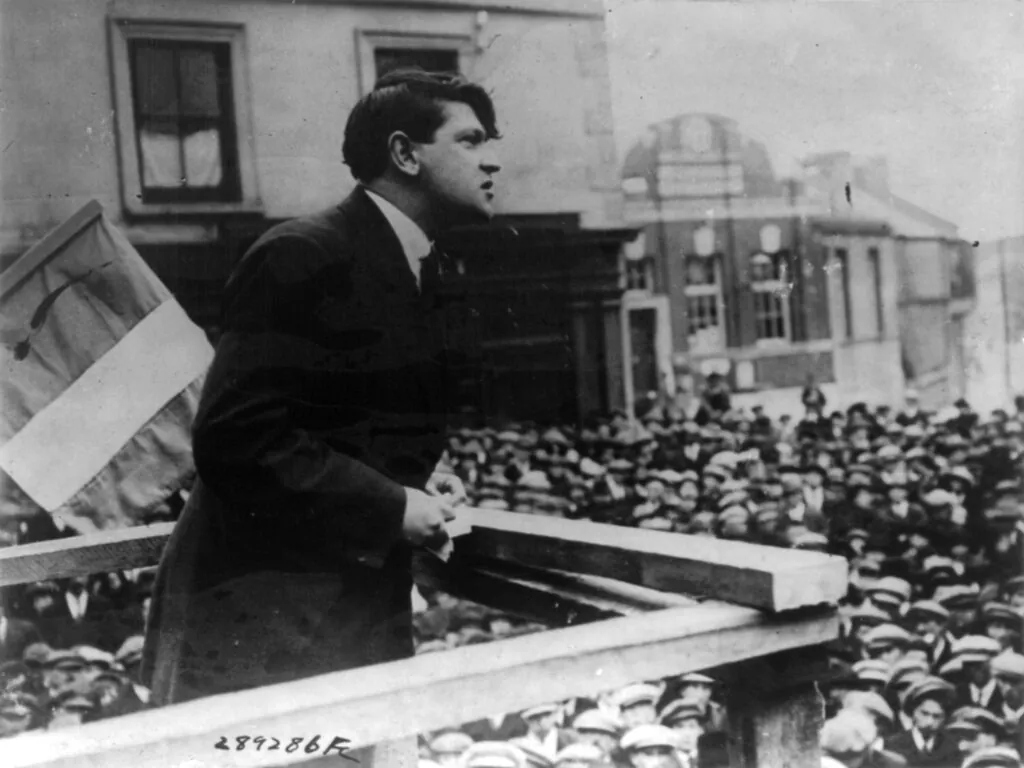
The Michael Collins Memorial Centre is a museum in Clonakilty dedicated to the life of Michael Collins, the famous Irish nationalist who…
Find a comfortable place to stay and make the most of your trip to Ireland.
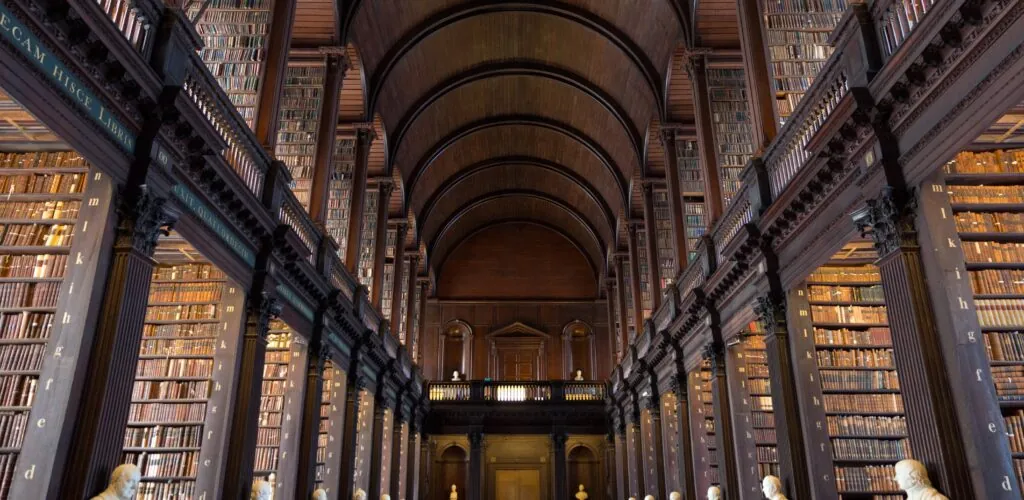
In the monumental silence of the Old Library, Dior’s silhouettes are preparing to write an unexpected chapter in fashion history. On 4…
College Green is one of Dublin’s major historic crossroads. Located between Trinity College, the former Irish Parliament and the first buildings of Grafton Street, this monumental space brings together several centuries of political, academic and architectural history. More than simply a thoroughfare, it is an excellent starting point for exploring the centre of the Irish capital.
At any time of day, College Green feels like the place where Dublin comes together. Students pass through the gates of Trinity College, visitors head for the Book of Kells, trams run alongside the square, and pedestrians move between Grafton Street, Temple Bar and Dame Street. Few places capture the city’s many facets so well.
College Green lies on the south bank of the Liffey, opposite the main entrance to Trinity College. The square is where several important routes meet: Dame Street to the west, Grafton Street to the south, Westmoreland Street to the north and College Street to the east.
Its location is ideal for planning a day of sightseeing. Temple Bar is just a few minutes’ walk away, while Grafton Street leads directly to St Stephen’s Green. Following Dame Street in the opposite direction takes you to Dublin Castle, City Hall and then Christ Church Cathedral.
College Green is therefore not an isolated attraction, but a natural link between several iconic districts. It is often crossed without stopping, even though its buildings and monuments tell a large part of Dublin’s history.
Before taking its present name, the area was known as Hoggen Green. This name may derive from the Old Norse word haugr, meaning a mound or barrow. Several burials associated with Scandinavian Dublin may once have been located in this area.
The site may also have hosted a Thing, an assembly used by Hiberno-Norse populations to make political decisions and administer justice. Long before the appearance of its grand classical façades, College Green already had a communal role.
The character of the area later changed with the founding of Trinity College in 1592, followed by the construction of the Irish Parliament in the 18th century. The square gradually became one of Dublin’s main institutional centres.
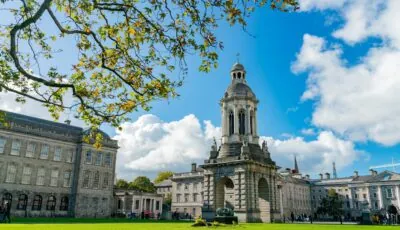
The grand façade of Trinity College closes off the eastern view from College Green. Founded in 1592, the university extends across a vast historic campus concealed behind its monumental entrance.
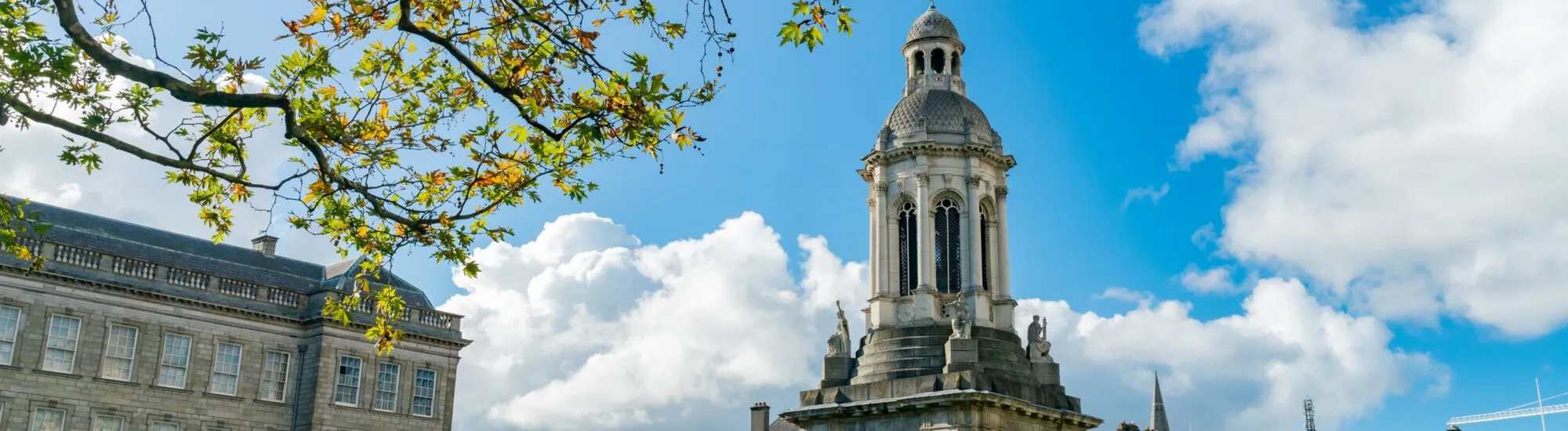
Once through the Front Gate, the noise of the city centre almost immediately fades away. Visitors discover Front Square, the Campanile and several of the university’s landmark buildings. The campus is home to the Old Library, the Long Room and the celebrated Book of Kells.
The lawns on either side of the entrance have been replaced by flower meadows to encourage pollinating insects and urban biodiversity. This change adds a more natural note to one of Dublin’s most photographed façades.
Opposite Trinity College stands one of the most important buildings in Irish political history. The present Bank of Ireland building was constructed from 1728 to house the Parliament of Ireland.
Designed by the architect Edward Lovett Pearce, it is considered the world’s first permanent building specifically created to accommodate the two houses of a parliament. Its Palladian architecture, colonnades and monumental proportions reflect the political importance Dublin had acquired at the time.
The Irish Parliament sat here until the Act of Union of 1800, which abolished the institution and transferred Irish political representation to Westminster. Bank of Ireland bought the building in 1803 and opened it as a banking establishment in 1808.
The building still serves this purpose. Its former House of Lords chamber has retained part of its historic décor, including 18th-century tapestries. Free visits are occasionally organised, but their availability may vary during the restoration work currently being carried out across the architectural complex.
Two major figures in Irish political history are commemorated at College Green. In front of the former Parliament stands the statue of Henry Grattan, one of the leading advocates of the Irish Parliament’s legislative independence at the end of the 18th century.
Further west, at the junction of College Green and Dame Street, the memorial to Thomas Davis combines a statue and a fountain. A poet, journalist and member of the Young Ireland movement, Thomas Davis defended a cultural and inclusive vision of the Irish nation in the 19th century.
These monuments recall that College Green was long an open-air political stage. The square has hosted gatherings, demonstrations, national celebrations and major public speeches. Bill Clinton addressed Dubliners here in 1995, followed by Barack Obama in 2011.
A visit to College Green fits easily into a walking itinerary in central Dublin. Trinity College and the Book of Kells are naturally the first stops. Nearby, Grafton Street is home to shops, street performers and passages leading to several shopping courtyards.
Following Suffolk Street, you quickly reach the statue of Molly Malone and then St Andrew’s Church, which now houses the tourist office. On the other side of College Green begins Temple Bar, known for its pubs but also for its galleries, independent shops and cultural institutions.
Dame Street leads to City Hall and Dublin Castle in under ten minutes. College Green therefore makes it possible to link the main monuments of the city centre without a car or public transport.
College Green remains heavily shaped by traffic flows and public transport. However, Dublin City Council is preparing an ambitious transformation called Grow College Green.
The project provides for the creation of a vast pedestrian-priority public space between Trinity College and the junction of Dame Street with South Great George’s Street. The programme presented in 2026 includes more trees, planted areas, resting spaces, cycling routes and facilities for cultural events.
Work could begin at the end of 2027, subject to the necessary permissions, with completion envisaged for 2029 or 2030. Until then, traffic arrangements and certain bus routes may change.
College Green is freely accessible at all times. The Trinity Luas stop, on the Green Line, is located in front of the university. Tara Street and Pearse Street stations are also within walking distance.
The best time to appreciate the architecture is generally early in the morning, before the main visitor groups arrive. In the evening, the illuminated façades offer a different, more theatrical view of the area, especially around the former Parliament and Trinity College.
To understand College Green, it is sometimes enough to stand between the two great buildings facing one another. On one side is a university founded at the end of the 16th century and still attended by thousands of students. On the other is an 18th-century parliament that became a bank. Between them moves contemporary Dublin: lively, noisy and constantly changing.