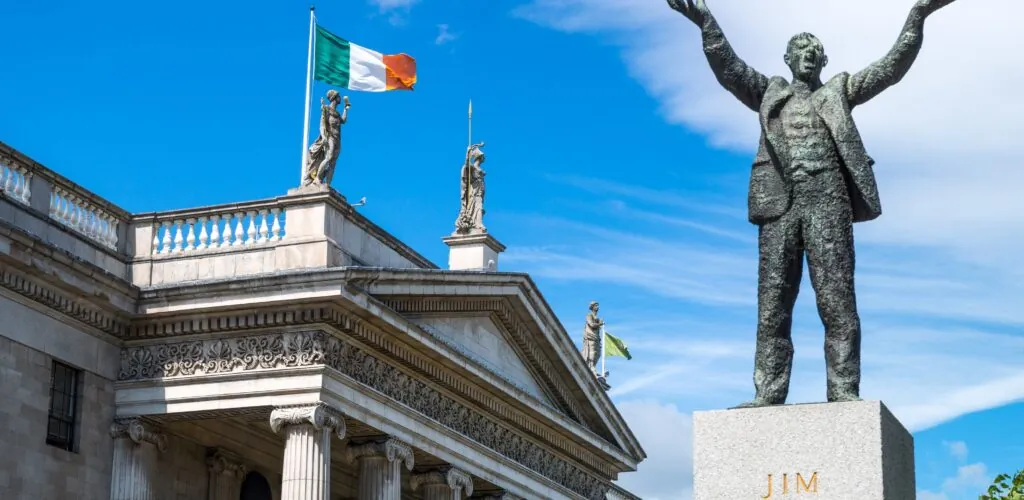
The General Post Office (GPO)
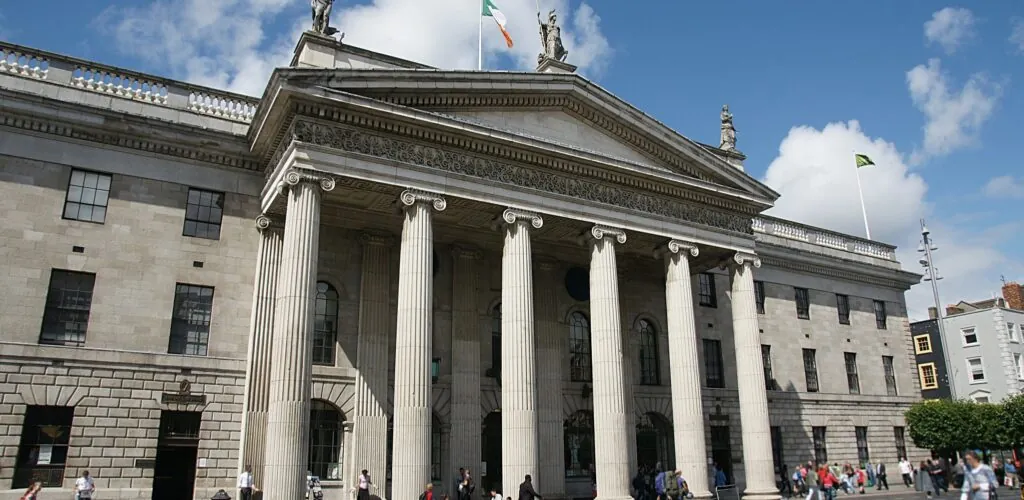
Six monumental columns dominate O’Connell Street. Bullet marks in their stone recall that, in April 1916, Dublin’s General Post Office was far…


 Tourist attractions
 Irish Restaurants and Pubs
 Partner Accommodations
 Campgrounds and Lodging
Six monumental columns dominate O’Connell Street. Bullet marks in their stone recall that, in April 1916, Dublin’s General Post Office was far…
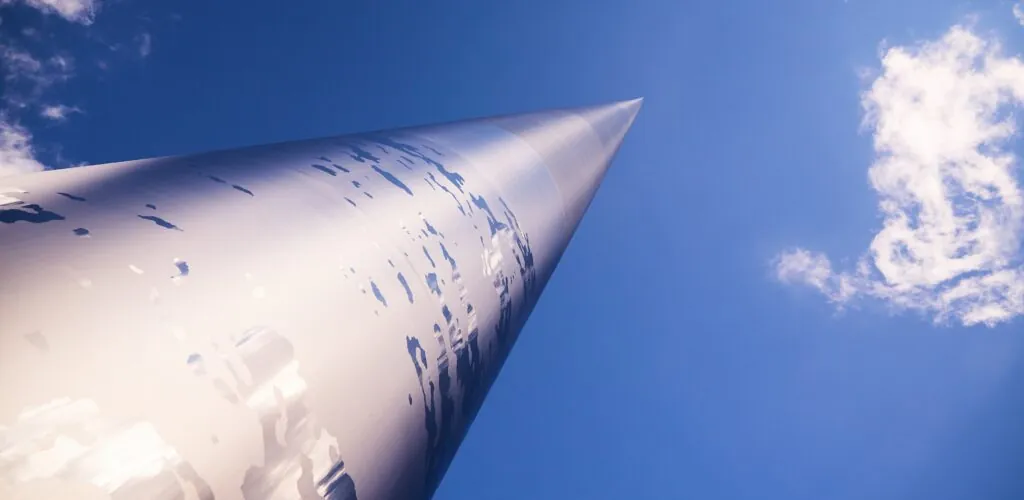
It is impossible to walk through central Dublin without looking up at it. Rising from the middle of O’Connell Street, the Spire…
O’Connell Bridge is a famous stone bridge in Dublin. It spans the River Liffey, linking O’Connell Street with D’Olier Street, Westmoreland Street…
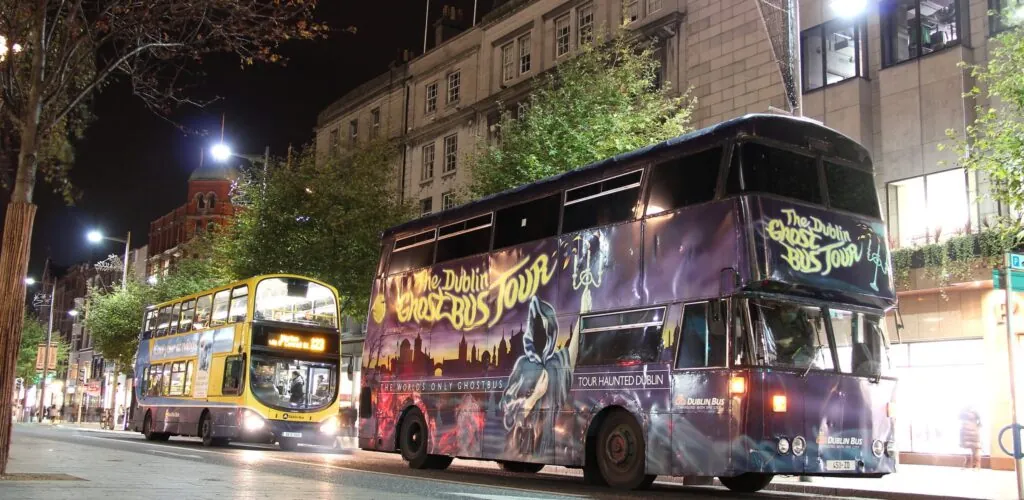
Do you like horror movies? Discover Dublin in a dark and macabre spirit with the Dublin Ghost Tour! This bus company offers…
Brand new and beautiful! The GPO Witness History is Dublin's newest museum, housed in the legendary General Post Office building. Entirely dedicated…
Are you on O'Connell Street in Dublin? Don't miss the An Post Museum, dedicated entirely to the Irish Post Office, its history…
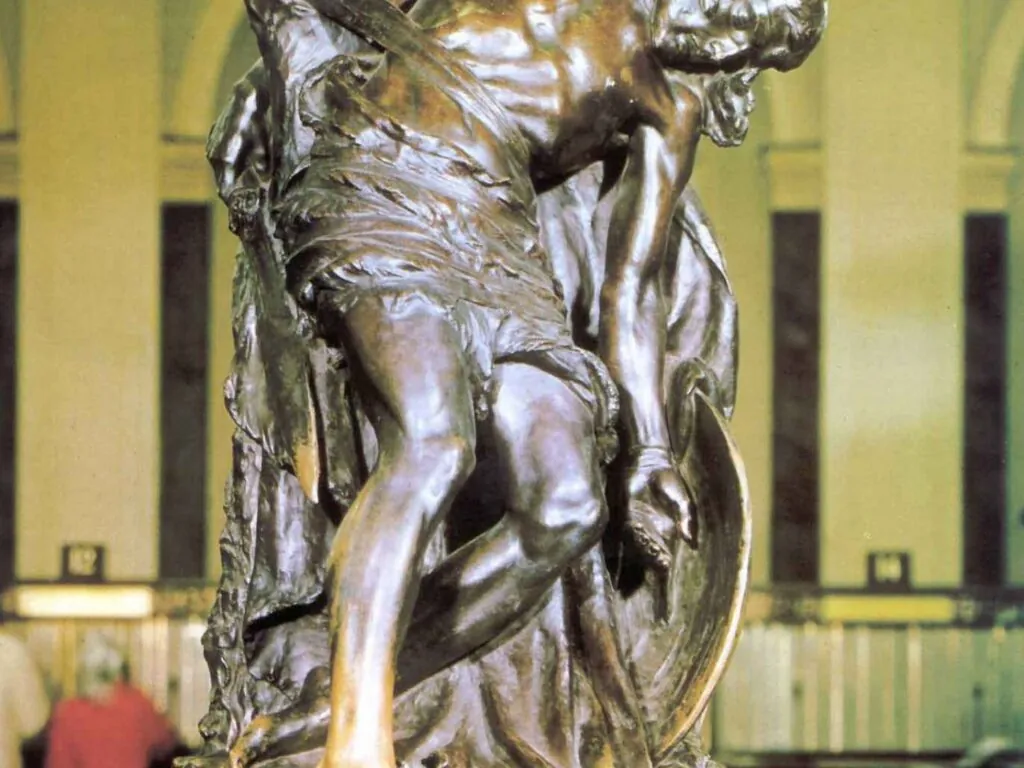
Inside Dublin’s General Post Office (GPO) is a statue of which Dubliners are proud. It’s a statue of Cú Chulainn, an important…
As you stroll along O’Connell Street, Dublin’s longest avenue, you’ll come across an imposing monument: that of Jim Larkin! This Irishman remains…
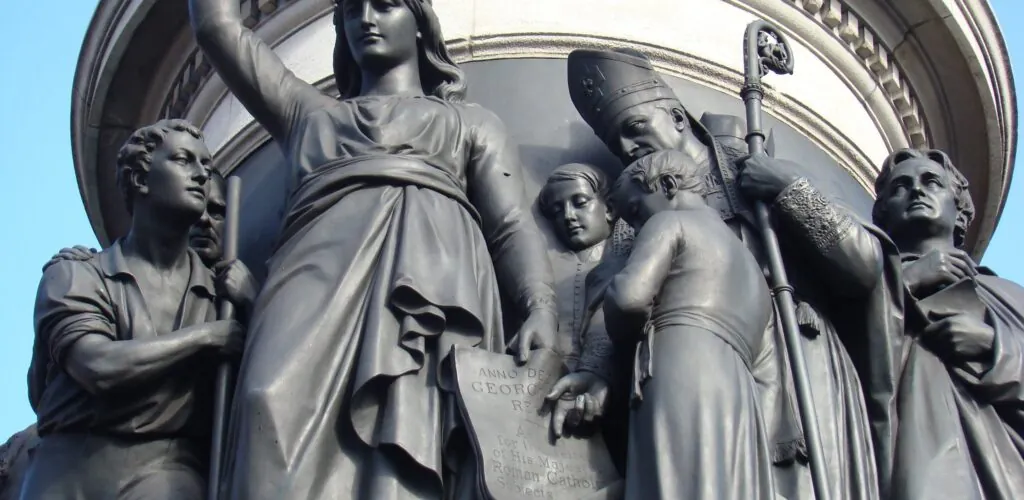
In Dublin, on O’Connell Street (the city’s main thoroughfare), stands the O’Connell Monument, a kind of sculpture to the glory of Daniel…
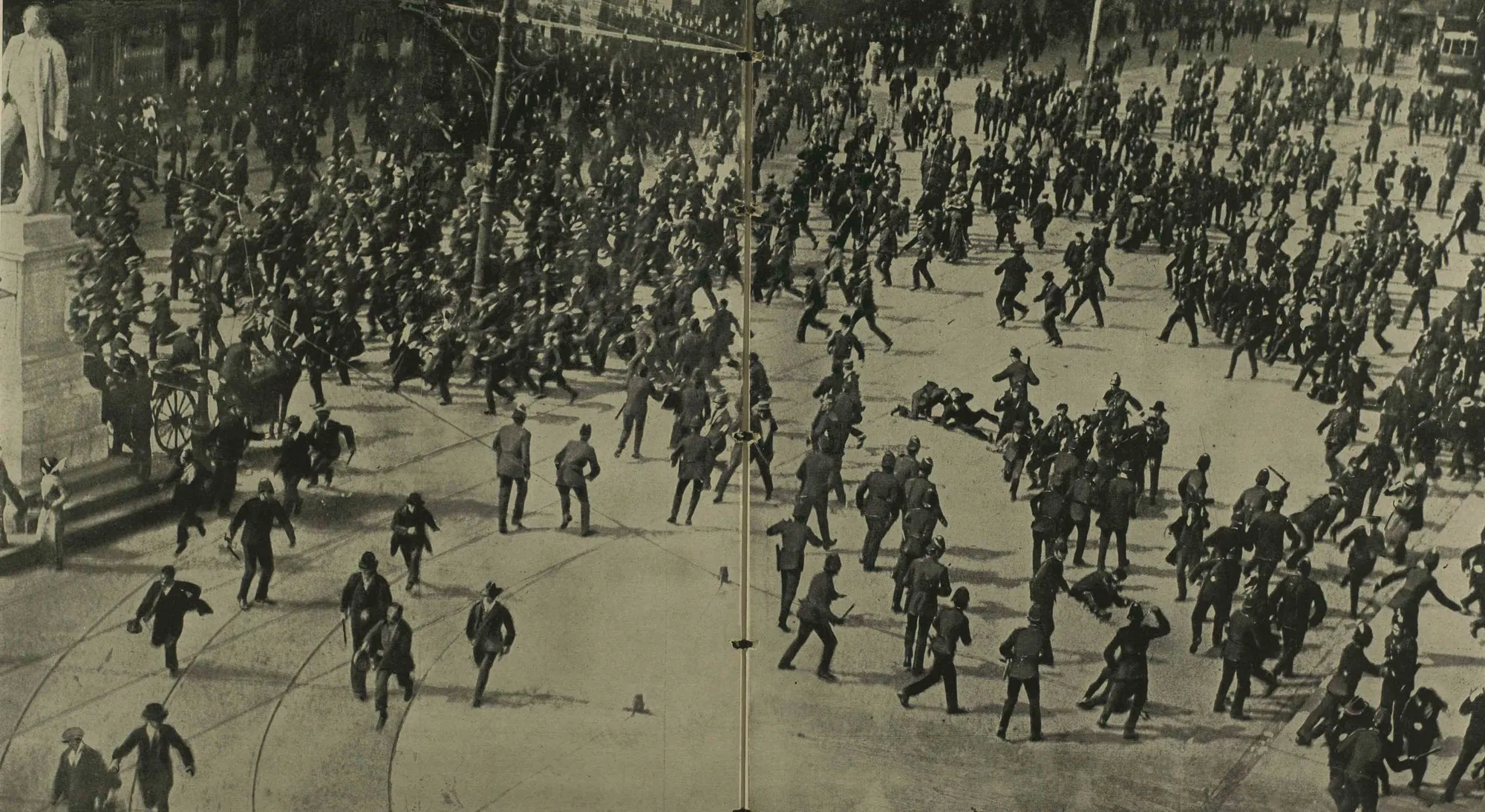
Immerse yourself in the story of Bloody Sunday 1913, a crucial turning point in the Irish labor movement. A day of brutal repression in…
Find a comfortable place to stay and make the most of your trip to Ireland.
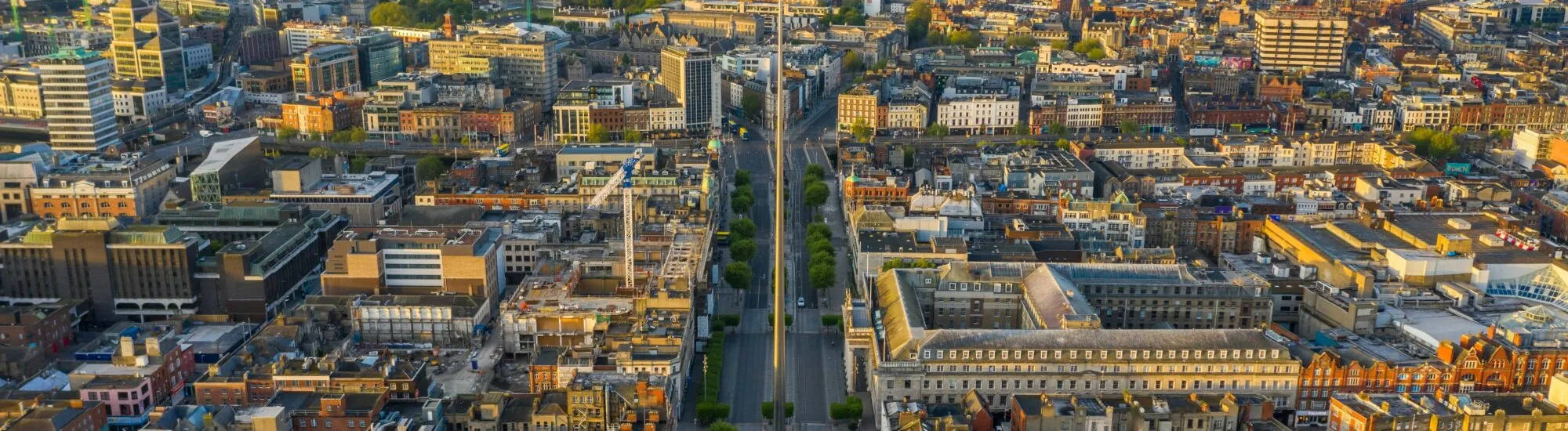
O’Connell Street is the Irish equivalent of the French Champs Elysées. This avenue is part of the main artery of Dublin city centre, stretching 500 meters long and 49 meters wide, making it one of the widest avenues in all of Europe! A constant thoroughfare for Irish pedestrians, the avenue has become a commercial and tourist artery, where grand historic monuments coexist with major tourist brands, fast-food chains, and some hotels. Here is an overview of what not to miss!

Aerial view of O’Connell Street in Dublin – © Irish Drone Photography
This great avenue has not always borne the name it is known by today.
From its creation until 1924, Dubliners called it “Sackville Street.” Its name was finally changed to “O’Connell Street,” in honor of Daniel O’Connell (1775-1847), a national hero who devoted his life to the peaceful struggle for Irish Independence and the end of anti-Catholic discrimination.
Since then, O’Connell Street has become Dublin’s largest artery. It gathers numerous commercial outlets and restaurants, as well as hotels and other accommodation options.

O’Connell Street and the Spire – © icarmen13
A true tourist curiosity, the Spire is actually a gigantic conical sculpture built right in the middle of O’Connell Street. Its base, 3 meters in diameter, tapers up to 120 meters high, ending in a 15cm diameter point. You can also observe that the top lights up every night with a bluish light, making it an excellent way to spot O’Connell Street at night if you ever find yourself lost in other parts of the city: the tip of the Spire is visible from many places!
For a bit of history, the Spire replaces an old column: the Nelson Pillar, a 37-meter construction that was very unpopular, built by the British to commemorate their victory at Trafalgar. Outraged by this building glorifying the British, the IRA quickly blew up part of the column, and it was only in 1999 that the Spire project came to life. It symbolized an Irish renewal and the Independence of the Republic of Ireland without British presence.
Feel free to visit it: it is the Irish equivalent of the French Eiffel Tower!
This statue is located at the south end of the avenue, in front of the O’Connell Bridge, and was erected in honor of Daniel O’Connell (1775-1847), after whom the avenue was named. Very imposing, this statue shows Daniel O’Connell in his lawyer’s attire, in a dignified and solemn posture.
This statue, erected in the 1920s/1930s, pays tribute to the Irish nationalists who fought to achieve the Ireland we know today.
At the other end of the avenue, to the north, stands a second statue, this time depicting Charles Stewart Parnell (1846-1891), an Irish politician who, like Daniel O’Connell (1775-1847), fought for Irish Independence by encouraging the vote for Home Rule and fighting against inequalities targeting the Irish peasant class.
It is therefore no coincidence that Charles Stewart Parnell (1846-1891) is on this avenue: he is, like his neighbor, a true national hero.
The General Post Office is located at the height of the Spire and is a major historic site in Irish history. This building is none other than the headquarters of the Irish National Post, which is still active today. (You can send a postcard to your loved ones there).
Built in 1814, the General Post Office was considered a strategic building during the 1916 Easter Rising. The IRB seized it during the revolt, and the building was somewhat damaged, then renovated a few years later.
No risk of going hungry or thirsty on O’Connell Street: the avenue is full of pubs, restaurants, and fast-foods. Among them, especially: