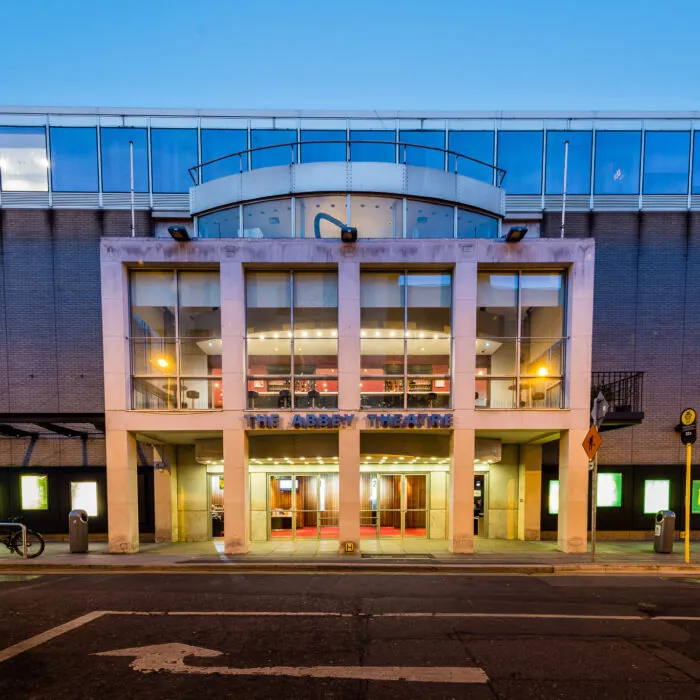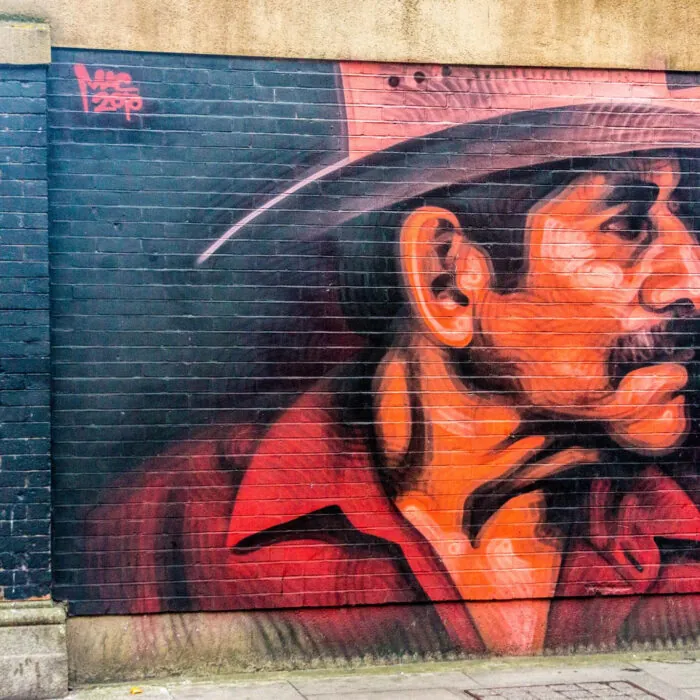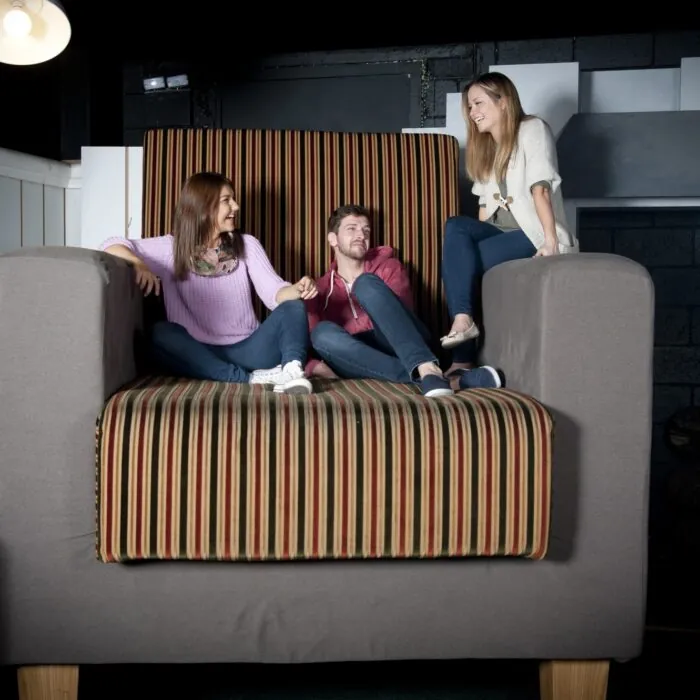

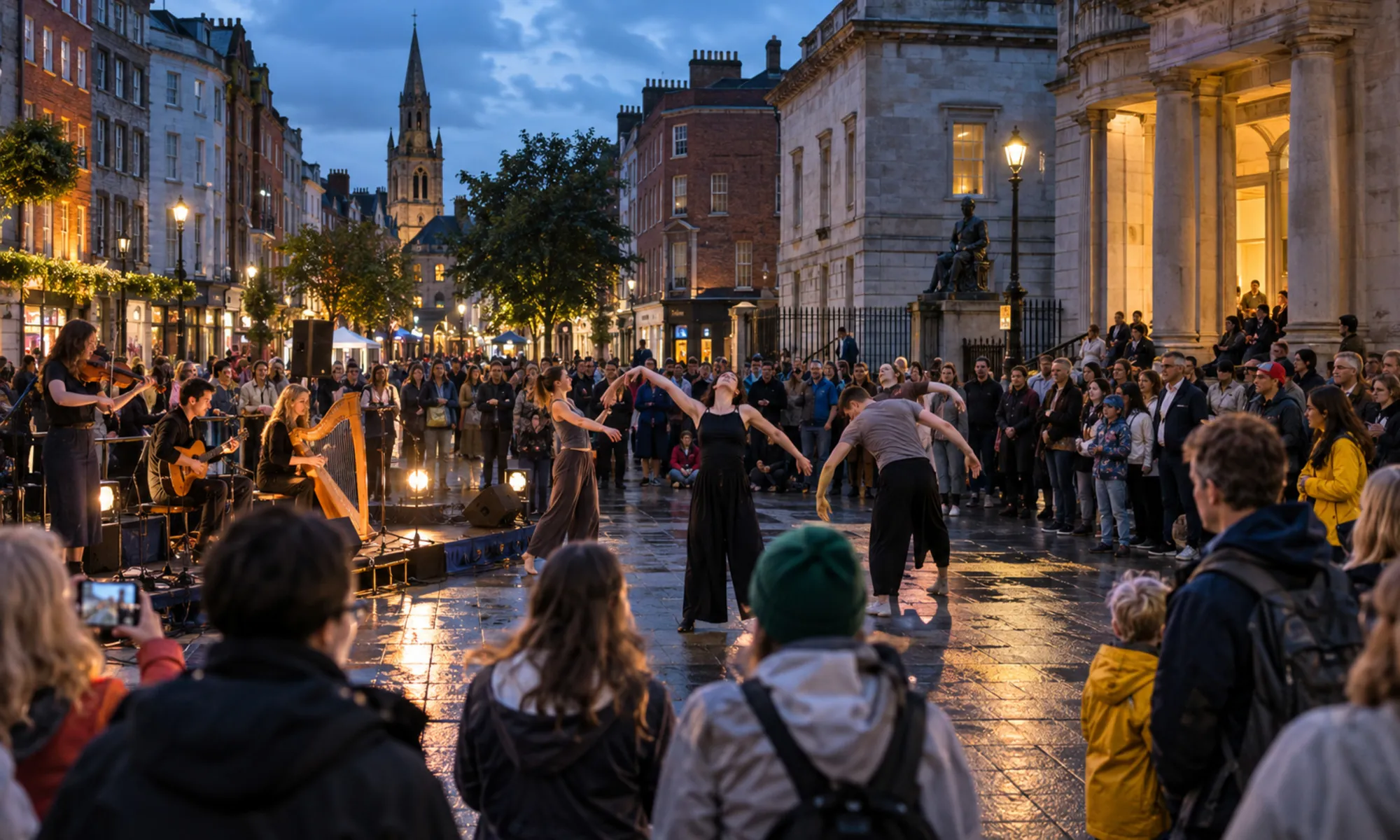
Once a year, Dublin takes on a different rhythm. Museum doors stay open beyond their usual closing time, artists take to the streets, buildings that are rarely accessible welcome visitors, and city-centre squares become open-air stages. Dublin Culture Night, or Oíche Chultúir in Irish, offers one of the best opportunities to experience the capital from a different perspective.
The next edition will take place on Friday 18 September 2026. More than 300 events are planned across Dublin: concerts, dance, theatre, literature, visual arts, screenings, heritage tours, workshops and late-night performances. The sheer choice is exciting, but it does require a little planning to avoid spending the evening crossing the city.
Culture Night is a cultural event held across Ireland with the support of the Arts Council and local authorities. On one evening in September, national institutions, independent galleries, libraries, theatres, artists’ studios, cultural centres and heritage sites present programmes created especially for the occasion.
Dublin is naturally one of its main hubs. The capital brings together major institutions, as well as a host of smaller venues that visitors might not otherwise think to enter. Over the course of the evening, you can move from a national museum to an intimate concert, then from a craft demonstration to a street performance, sometimes within just a few hundred metres.
The event is not confined to contemporary art or museums. Architecture, the Irish language, cinema, photography, dance, social history, industrial heritage, traditional music and urban cultures all come together in a deliberately broad programme.
The 21st edition of Culture Night will take place on 18 September 2026. Dublin has announced more than 300 events across the city, with an expanded outdoor programme. Open-air shows, street parties and performances are set to animate Wood Quay Amphitheatre, Meeting House Square, Central Plaza and Capel Street.
The 2026 programme gives a prominent place to urban and international cultures. Irish breaking champion Leon “Aleon” Dwyer is among the featured artists, alongside musician Asha Ari. Mexican ceremonial dance, choirs, contemporary music, theatre, poetry, tango and participatory works reflect the announced diversity.
The full programme continues to evolve in the run-up to the event. The official map lets you filter events by neighbourhood, time, recommended age, accessibility, language and activity type. It is the most reliable tool for checking an event and spotting last-minute changes.
Dublin’s major institutions regularly take part in the evening. The National Museum of Ireland, the National Gallery of Ireland, the Chester Beatty, the Irish Museum of Modern Art, as well as several libraries and public buildings, are often among the most sought-after venues. Their programmes change each year: guided tours, meetings with curators, performances, workshops or behind-the-scenes visits.
The appeal of Culture Night lies less in visiting a museum you already know well than in the chance to enter unusual spaces. Artists’ studios, archives, embassies, administrative buildings, studios, local associations and creative venues open their doors on occasion. Some visits provide access to areas normally closed to the public.
Streets and squares also become performance venues. You may come across a choir, a dance demonstration, a light installation or a music stage without having planned to stop. This element of spontaneity is part of the evening’s charm, provided you do not rely on an overly tight schedule.
Temple Bar is home to several cultural institutions, including Meeting House Square, Photo Museum Ireland and the Irish Film Institute. The area is easy to explore on foot, but it attracts large crowds. It is well suited to a first Culture Night, provided you book any activities that require it.
Around Merrion Square and Kildare Street, museum and history enthusiasts can create a compact itinerary between the National Gallery, the national museums, academic institutions and government buildings. This area is better suited to heritage visits than street parties.
The Liberties offers a different atmosphere, combining working-class history, contemporary creativity, music and heritage linked to whiskey and Guinness production. Further north, Capel Street, Parnell Square and the area around O’Connell Street host independent venues, libraries and multicultural events.
Outlying neighbourhoods also take part in the event. Leaving the city centre often means discovering a more local programme and encountering fewer queues. For visitors, the best compromise is generally to choose one main neighbourhood and a second area that can be reached directly on foot, by tram or by bus.
The classic trap is saving a dozen appealing events without taking distances, queues or entry times into account. Choose one priority event requiring a booking, then two more flexible activities in the same area. Leave room for spontaneous discoveries afterwards.
Use the official website’s map and check each listing individually. An event may be freely accessible, operate with a queue, or require a ticket booked in advance. Some slots are very short, and guided tours have limited capacity.
Download or take a screenshot of your itinerary before you set off. Mobile coverage can slow down in very busy areas, and your phone battery drains quickly when it is simultaneously being used as a map, camera and ticket. A lightweight power bank can save the end of the evening.
Much of the programme can be enjoyed without a booking, but visits to unusual buildings, workshops, screenings and performances in small venues fill up quickly. As soon as the programme is published, look out for the terms booking required, ticketed or limited capacity.
A booking should be treated as a commitment. If you change your plans, cancel your place when the system allows it: it can then be offered to someone else. For unticketed activities, arriving early remains the best strategy, especially at well-known institutions in central Dublin.
Culture Night is well suited to families, provided you prioritise activities identified as such. Creative workshops, storytelling, dance, music, collection discoveries and cinema generally make up a generous programme at the start of the evening.
Check the recommended age, duration and whether booking is required. With young children, two nearby activities offer a far more enjoyable experience than rushing between several neighbourhoods. Also plan a simple dinner option: restaurants in the city centre can be particularly busy.
Late-night events and very noisy venues are not always suitable for younger children. The official map offers filters to identify family-friendly, accessible and early-evening events.
Culture Night Late brings together events that begin or continue later into the night. Concerts, DJ sets, performances, screenings and events in nightlife venues extend the evening beyond family and heritage visits.
This part of the programme offers a chance to discover Dublin’s night-time cultural scene, but entry conditions vary from venue to venue. Some may apply an age limit, strict capacity restrictions or a particular admissions policy. Check each listing rather than assuming that one rule applies to the entire event.
Central Dublin is easy to explore on foot, but distances quickly add up between The Liberties, Merrion Square, Docklands and north of the Liffey. Group stops by neighbourhood and use the Luas or buses for one longer journey, rather than making multiple connections.
Streets hosting shows or parties may be subject to temporary restrictions. Allow extra time between two events and check Transport for Ireland information on the day. To get back late, check the last services and night routes available near your accommodation in advance.
Culture Night works best as an exploration, not a marathon. Wear comfortable shoes, bring a waterproof jacket and choose clothing suited to frequent shifts between indoors and out. September can bring a mild evening or persistent rain: Dublin likes to keep you guessing.
Do not devote the entire night to the most famous venues. A small gallery, local archive or workshop may offer a far more personal encounter than an overcrowded institution. Alternate a visit, a performance and time on the streets to enjoy the event’s different facets.
Finally, check the programme on the day itself. An outdoor activity may be moved, a slot added or a booking cancelled. The official Culture Night website remains the reference source for the map, filters and up-to-date information.
Essential information to help you plan your visit, including key landmarks, access information, and booking options.
53.346379008535486, -6.286908783213544
Each venue sets its own times. Several Dublin events begin at around 4pm, but times, durations and last admissions should be checked on the official map.
Check the opening hours and admission requirements before you leave, especially during peak season or on Irish public holidays.
No general ticket is required. Book only activities identified as limited or requiring registration.