The Blanket Protest
The Blanket Protest (1976-1981) is a term for a form of pacifist protest adopted by Republican prisoners (IRA and INLA) during the…


The Northern Ireland conflict, often referred to as The Troubles, is one of the most significant and painful episodes in the contemporary history of Ireland and the United Kingdom. Between the 1960s and the late 1990s, it caused over 3,500 deaths and tens of thousands of injuries. This conflict, political, religious, and identity-based, opposed two visions for the future of Ireland: that of the unionists, who favored maintaining Northern Ireland within the United Kingdom, and that of the nationalists, who supported reunification with the Republic of Ireland.
Northern Ireland was created in 1921 by the partition of the island as provided by the Government of Ireland Act 1920. While the South became the Irish Free State, the North remained part of the United Kingdom. This division heightened tensions between the Protestant unionist majority and the Catholic nationalist minority.
In the following decades, Catholics faced discrimination in access to housing, employment, and political representation. This climate of injustice fueled resentment and laid the groundwork for the future conflict.
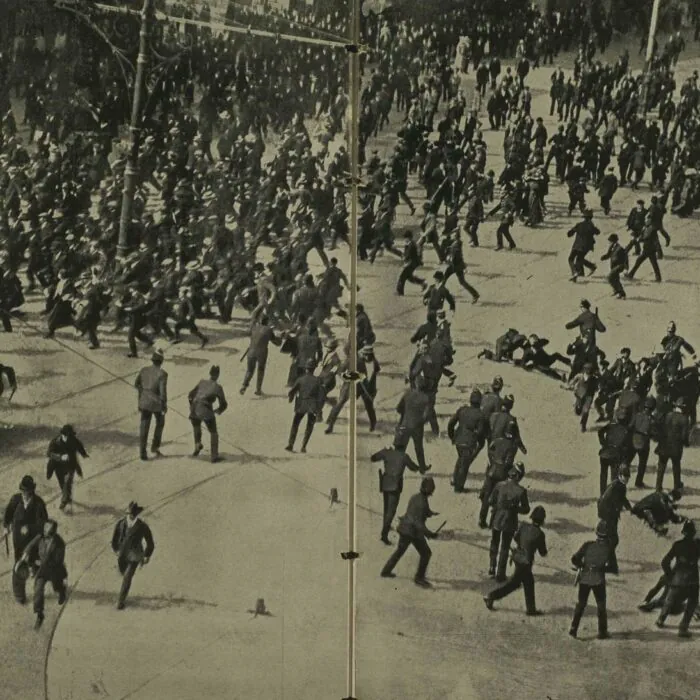
Inspired by the civil rights movement in the United States, Catholic nationalists launched protests in the 1960s demanding equality. However, these marches were often violently suppressed by the Northern Ireland police (Royal Ulster Constabulary).
Tensions peaked with the 1969 riots, marked by clashes between communities, the burning of Catholic neighborhoods, and the intervention of the British army. It was at this time that the Provisional IRA (Provisional Irish Republican Army) resumed armed struggle to achieve reunification.
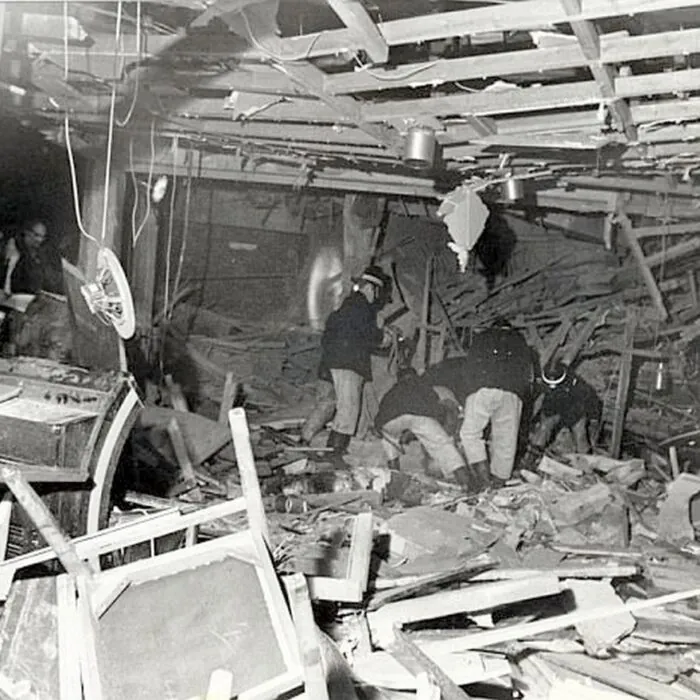
The 1970s were the bloodiest years of the conflict. The IRA conducted bombing campaigns against the British army and security forces, while unionist paramilitary groups (UVF, UDA) carried out attacks against Catholic civilians.
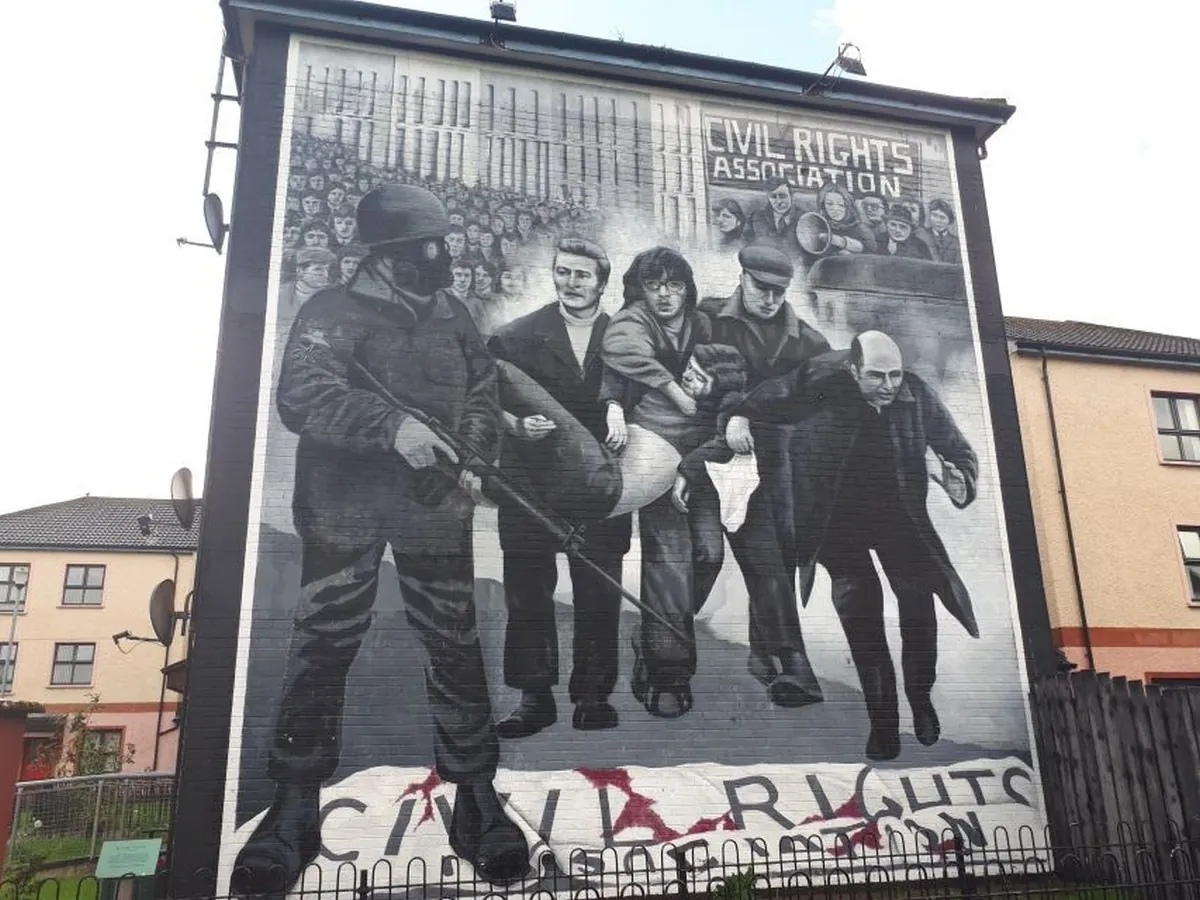
In 1972, Bloody Sunday in Derry marked a turning point: the British army opened fire on a peaceful march, killing 14 civilians. This event radicalized many young nationalists and strengthened support for the IRA.
The British government then suspended the Northern Ireland parliament and imposed direct rule from London.
In the 1980s, the struggle took on a symbolic dimension with the 1981 hunger strike led by republican prisoners seeking political prisoner status. The death of Bobby Sands, elected MP during the strike, deeply affected public opinion and enhanced the profile of Sinn Féin, the political wing of the IRA.
This period was also marked by intensified violence: bombings in London, attacks on British political figures, as well as unionist paramilitary operations. The Northern Ireland conflict became an international issue, involving not only London and Dublin but also the United States, where the Irish diaspora exerted political and financial influence.
From the early 1990s, a peace process began, encouraged by fatigue with the violence and international mediation. Successive ceasefires by the IRA and unionist groups paved the way for political talks.
The decisive moment was the signing of the Good Friday Agreement on April 10, 1998. This agreement provided for power-sharing between unionists and nationalists, recognition of dual identity (British and Irish), and the establishment of democratic local institutions. Ratified by referendum in Northern Ireland and the Republic of Ireland, it officially ended the Troubles.
The conflict involved several major actors:
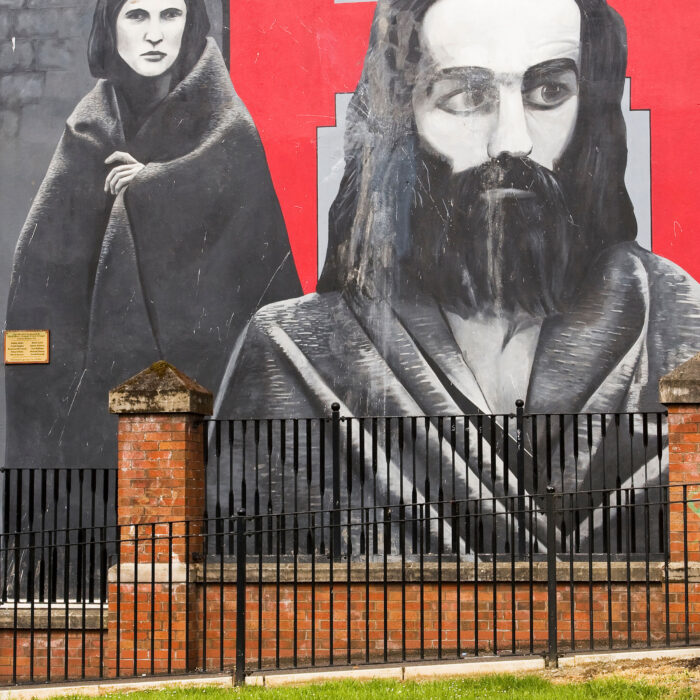
The Good Friday Agreement established lasting peace, but the scars of the conflict remain. The neighborhoods of Belfast and Derry are still marked by murals, political frescoes depicting the struggles and victims. Separation walls still exist between Catholic and Protestant areas.
Politically, power-sharing remains fragile, with periods of institutional deadlock. Brexit, by challenging the border between Northern Ireland and the Republic, has revived some concerns.
Yet, Northern Ireland has evolved significantly since the late 1990s: armed violence has greatly declined, community cooperation has improved, and a new generation aspires to live in a peaceful society.
The Northern Ireland conflict transcends the island’s borders. It illustrates the tensions that multiple identities, colonial legacies, and social inequalities can provoke. But it also shows that even the most deeply rooted wars in history can find resolution through dialogue, compromise, and popular will.
Today, The Troubles belong to the past, but their memory remains alive in museums, testimonies, and residents’ stories. The path to full reconciliation is still long, but Northern Ireland continues to move forward, guided by the painful experience of its history.