The Poulnabrone Dolmen
Discover one of Ireland's most famous dolmens, the Poulnabrone dolmen! Located in County Clare, in south-west Ireland, in the heart of the…


 Tourist attractions
 Irish Restaurants and Pubs
 Partner Accommodations
 Campgrounds and Lodging
Discover one of Ireland's most famous dolmens, the Poulnabrone dolmen! Located in County Clare, in south-west Ireland, in the heart of the…
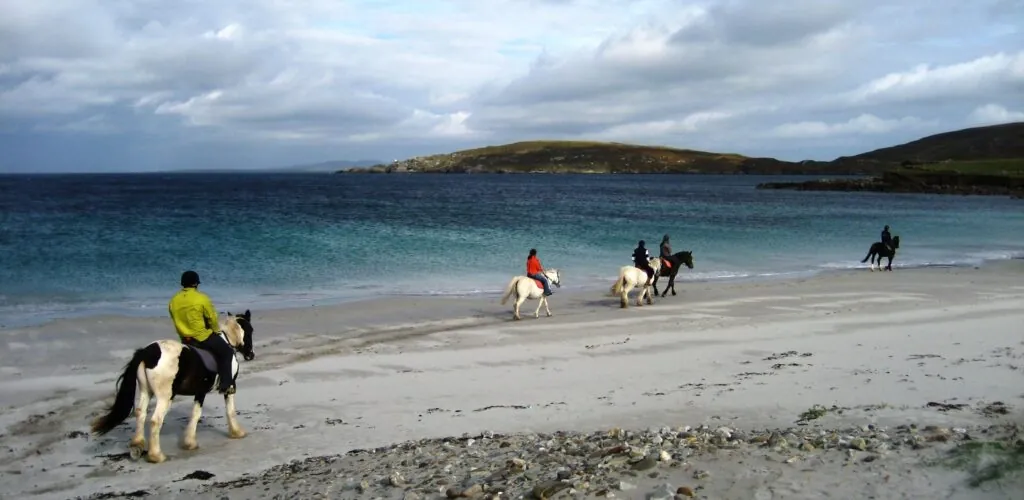
Discover Western Ireland on horseback as you ride through the Burren, its hills, woods and beaches! This is the unique experience offered…
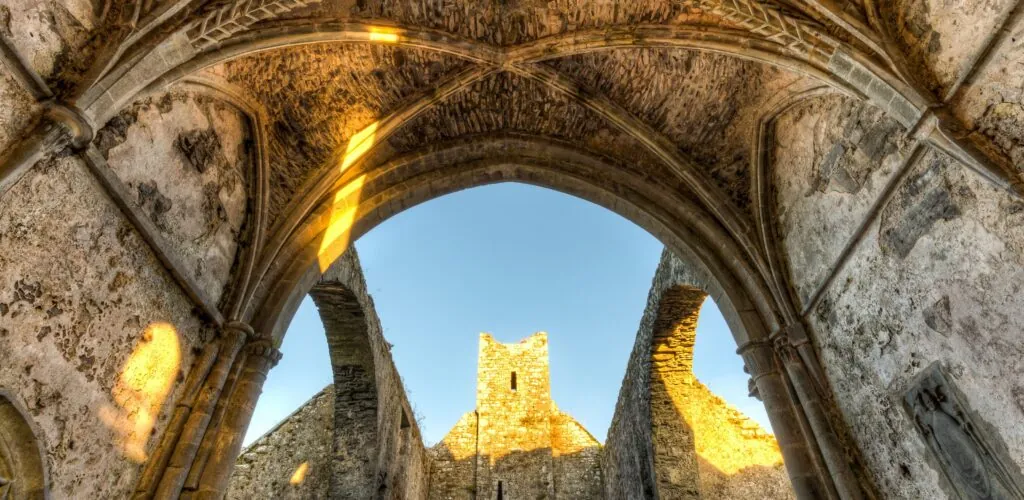
Corcomroe Abbey is a magnificent 13th-century abbey in the Burren (Co. Clare). Although partially in ruins, the site is packed with exceptional…
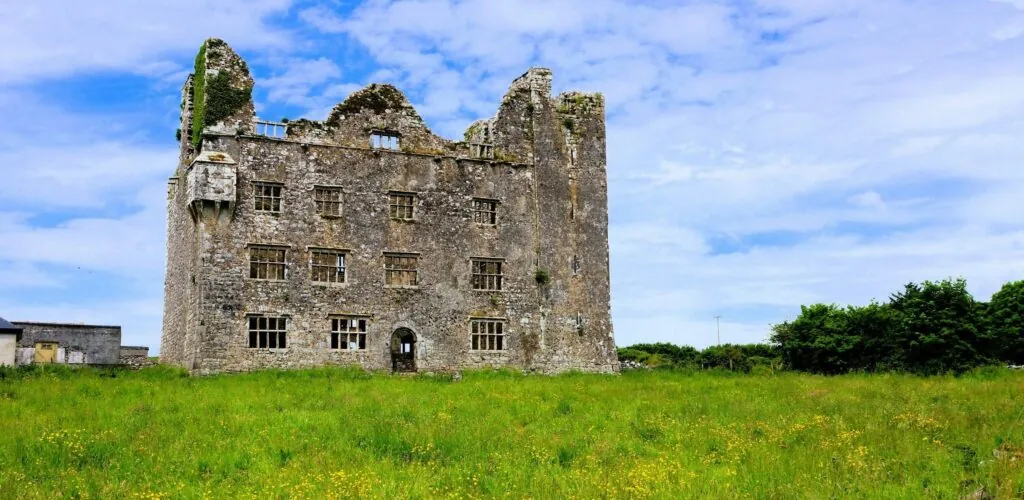
Leamaneh Castle is a ruined Irish castle located between the villages of Corofin and Kilfenora, in the heart of the Burren National…
Looking for a fun little hike while enjoying the best of the Irish wilderness? The Burren Way is the hiking route for…
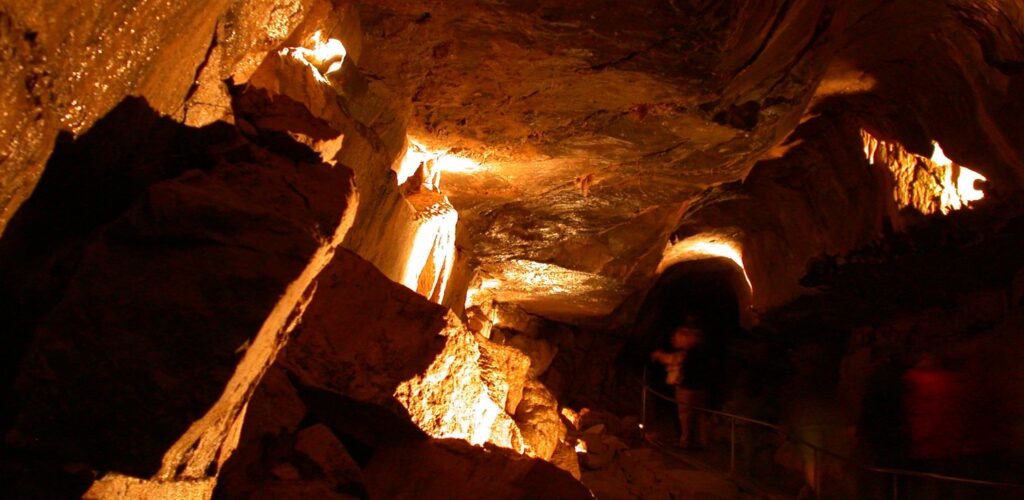
Aillwee Cave is a publicly accessible cave in the Burren, County Clare. Considered one of Ireland's largest caves, alle attracts thousands of…
Gourmets beware: if you love smoked fish, then a visit to the Burren Smokehouse is a must! This fish smoker has been…
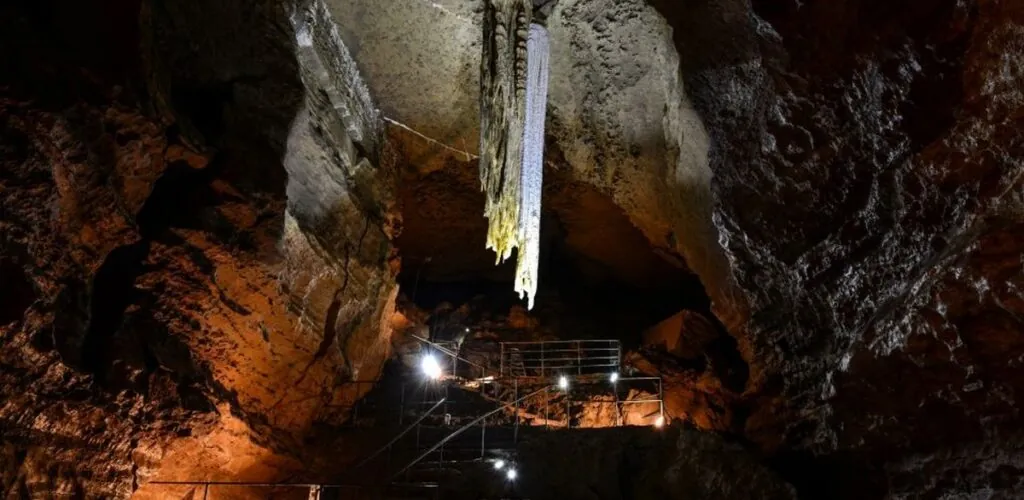
Doolin Cave is an Irish cave located in Doolin, County Clare. It boasts the largest stalactite in the entire northern hemisphere! A…
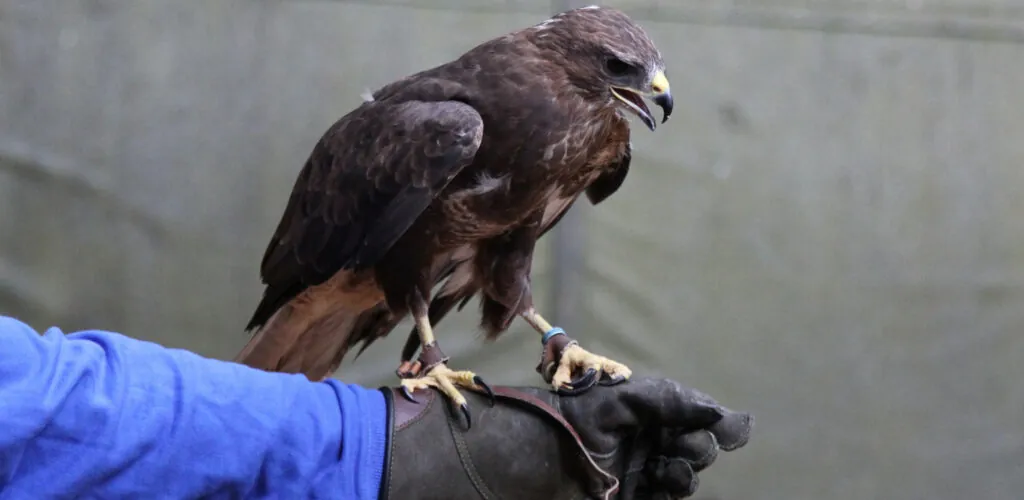
Fancy a falconry show and you're in the Burren? Don't miss the Burren Birds of Prey Centre, an organization that preserves and…
Fanore Beach is a beach in the village of Fanore in the Burren, County Clare. The area is ideal for a barefoot…
Find a comfortable place to stay and make the most of your trip to Ireland.

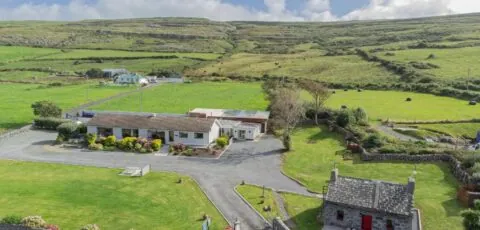
In the north of County Clare, the Burren is one of Ireland’s most distinctive landscapes. Here, greenery often gives way to vast slabs of grey limestone, split by thousands of fissures and in places descending to the Atlantic. Yet this near-mineral landscape is neither desert nor empty: it is home to remarkable flora, hundreds of archaeological sites, villages, pastureland and an exceptional religious and medieval heritage.
The Burren is not simply the national park. The historic and geographical region is much larger, extending across northern Clare and a small part of southern County Galway. For visitors, it forms a distinct area between Ballyvaughan, Carran, Kilfenora, Lisdoonvarna, Doolin and the Atlantic coast. Neolithic dolmens, stone forts, caves, abbeys, limestone hills and scenic roads can easily fill several days.
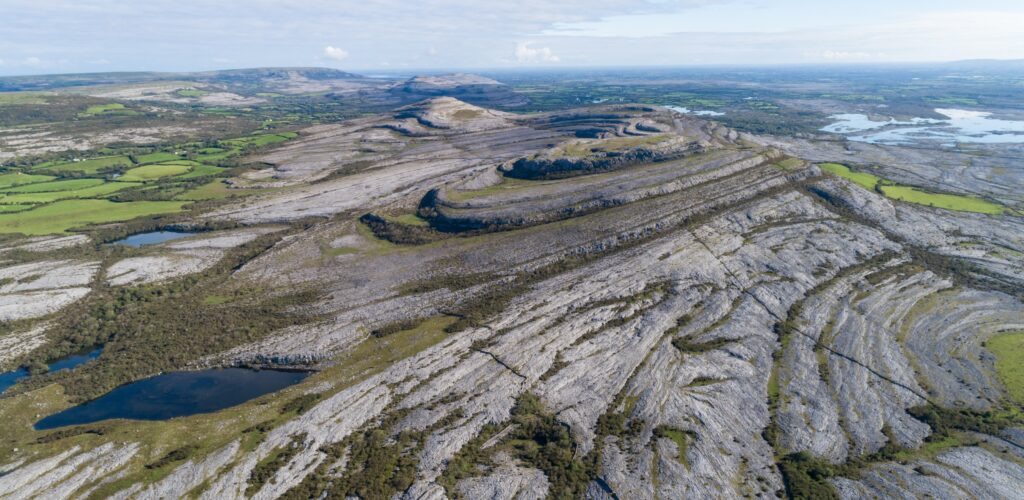
The Burren’s terrain developed from thick layers of limestone formed more than 300 million years ago, when this part of Ireland lay beneath a tropical sea. Erosion, glaciation and the movement of water then shaped a spectacular karst landscape: limestone pavements, fissures known as grikes, caves, springs, depressions and seasonal lakes now define its geography.
This bare rock can sometimes make the area seem austere. Yet it conceals an ecosystem of unusual richness. Plants associated with very different environments can grow only metres apart in limestone fissures. Spring and early summer are particularly rewarding for observing this flora, provided you stay on the paths and do not pick anything.
The Burren National Park protects only part of the area. Located in the south-east of the Burren, around Mullaghmore and the Gortlecka area, it brings together limestone hills, grassland, heath, peatland, woodland and seasonal lakes. Several walking routes reveal its landscapes, from short strolls to more demanding trails.
The Burren and the Burren National Park should therefore be clearly distinguished: visiting the park alone does not reveal the whole region. Poulnabrone, Ballyvaughan, the Atlantic coast, Fanore, the major medieval sites and several caves all lie outside the national park boundary.
The Burren has an exceptional concentration of archaeological remains. The best known is the Poulnabrone Dolmen, a megalithic tomb that has become one of the defining images of prehistoric Ireland. Yet this monument represents only a small part of the local heritage: the region preserves many wedge tombs, stone enclosures, cahers, churches, castles and ancient dwellings.
Caherconnell Stone Fort and the spectacular Cahercommaun offer particular insight into the organisation of early medieval communities. Later, the region’s leading families built tower houses and fortified residences. Gleninagh Castle, Leamaneh Castle and other ruins trace several centuries of local political history.
The religious heritage is equally dense. Corcomroe Abbey, a former Cistercian abbey in a limestone valley, is among the area’s most remarkable medieval complexes. Kilfenora, meanwhile, retains a former cathedral and several medieval high crosses. These monuments are important enough to visit in their own right; this page chiefly places them within the wider history of the Burren.
One of the best ways to understand the Burren is to follow its Atlantic coast. Between Ballyvaughan and Doolin, the road at times runs alongside limestone almost to the ocean’s edge. The hills rise immediately inland, while Galway Bay, the Aran Islands and the Atlantic come into view around the bends.
Black Head is one of the most characteristic stretches of this coast. Further south, Fanore stands out for its broad sandy beach beneath the limestone hills. Doolin gradually marks the transition towards the Cliffs of Moher and is also an important visitor base for exploring the south-western Burren.
This route is best travelled slowly. Stopping opportunities are limited, and you should never stop your vehicle on the carriageway to photograph the landscape. Car parks and designated access points allow you to enjoy the coast without obstructing local residents or damaging the verges.
An essential part of the Burren lies underground. Water seeps into fractures in the limestone and has gradually created a vast network of cavities. Several karst features are visible at the surface, while some caves are open to the public under managed conditions.
Doolin Cave is known in particular for its large stalactite, while the Aillwee Burren Experience offers access to another developed cave and various spaces devoted to natural heritage. By contrast, undeveloped underground networks should not be explored without suitable skills and equipment.
Ballyvaughan, on Galway Bay, is an excellent base for the northern coast, Black Head, Poulnabrone and inland roads. Doolin is livelier and convenient for combining the Burren with the Cliffs of Moher and crossings to the Aran Islands. Carran, in the heart of the upland Burren, has a far more rural character, while Kilfenora offers an introduction to the region through its medieval and cultural heritage.
Lisdoonvarna is also close to many sites and has a worthwhile range of accommodation. There is no single ideal base: the best choice depends mainly on the places you plan to visit and the time available.
One day is enough to combine a few key sights such as Poulnabrone, a medieval site and the coastal road. It is, however, a fairly rushed itinerary. With two days, you can add a walk, a cave or several archaeological sites without spending all your time in the car.
Three days offer a much more balanced visit: one day for the limestone heartland and archaeology, another for the coast and villages, then a third for the national park, walking or medieval heritage. This also gives you more flexibility with weather that can change very quickly.
A car remains the most flexible way to reach the scattered sites, but the Burren’s minor roads can be narrow and winding. Think in terms of journey times rather than kilometres. Cyclists have some excellent routes, provided they are comfortable with the terrain, wind and sharing narrow roads.
In 2026, the seasonal Burren & Cliffs Explorer service links several villages and attractions in north and west Clare, including Ballyvaughan, Carran, Kilfenora, Doolin, Lisdoonvarna, the Burren National Park and the Cliffs of Moher. For a car-free visit, it is a particularly appealing option while it is operating.
The Burren is not an unlimited expanse of stone. Its limestone pavements support fragile vegetation, much of the land is private, and archaeological monuments must not be climbed on or moved. It is essential to use existing access routes, close gates, avoid picking flowers and take your litter home.
For walking, sturdy footwear and waterproof clothing remain essential. Limestone can become very slippery when wet, and its fissures make progress away from paths difficult. In upland areas, fog and wind can also change conditions quickly.
The Burren is ultimately best discovered at a slower pace. Behind its apparent simplicity lie more than 300 million years of geology, several millennia of human presence and an exceptional natural heritage. The sites presented below allow you to explore its most notable dolmens, forts, caves, monuments, trails and landscapes individually.