Geological formations in Ireland
Giant’s Causeway
The Giant’s Causeway, known in Irish as Clochán an Aifir, is one of Northern Ireland’s most spectacular landscapes. Located on the County…


 Tourist attractions
 Irish Restaurants and Pubs
 Partner Accommodations
 Campgrounds and Lodging
Geological formations in Ireland
The Giant’s Causeway, known in Irish as Clochán an Aifir, is one of Northern Ireland’s most spectacular landscapes. Located on the County…
Perched on a rocky headland overlooking the Atlantic Ocean, Dunluce Castle is one of Northern Ireland’s most spectacular castles. Its ruined walls…
The Causeway Cliffs on Ireland’s north coast are one of Europe’s most remarkable natural wonders. Located close to the Giant’s Causeway, these…
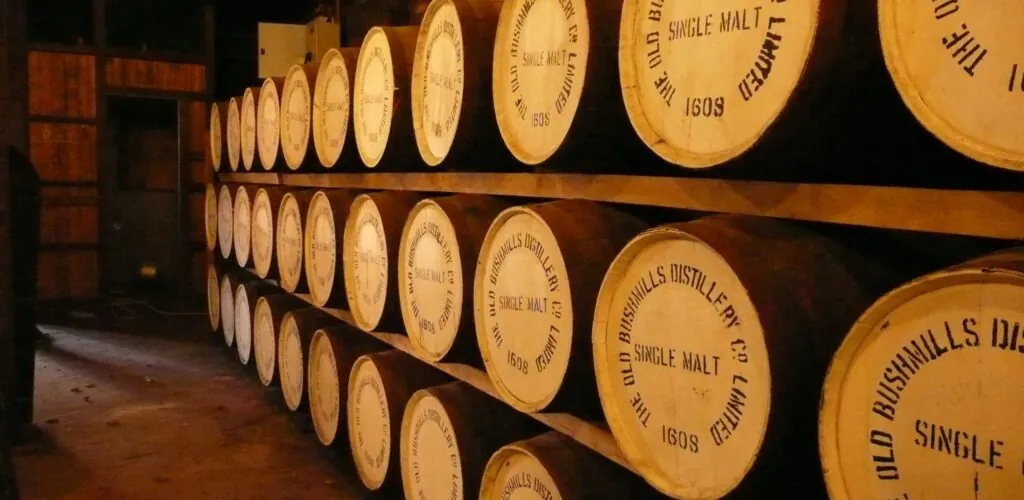
A few kilometres from the Giant’s Causeway, the River Bush flows through a village whose name has appeared on bottles of Irish…
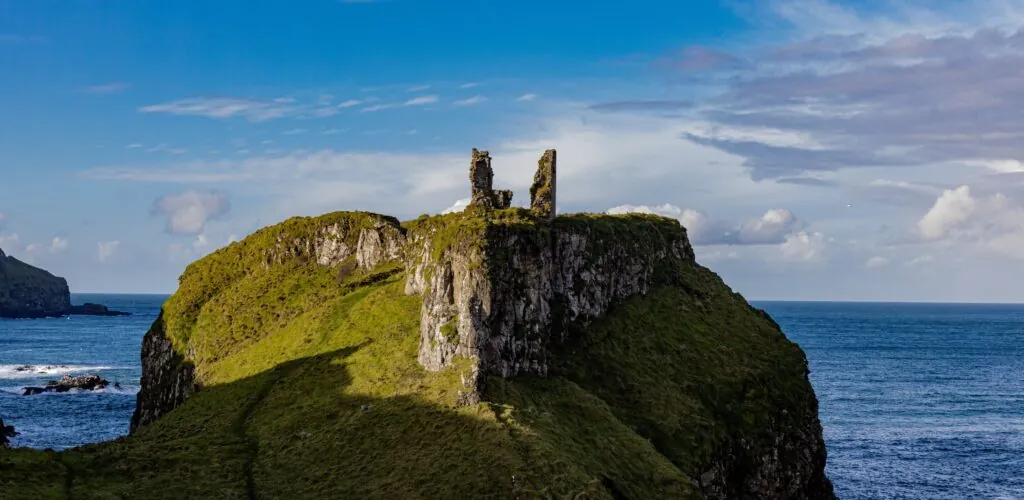
Dunseverick Castle is an ancient castle, now in ruins, built in County Antrim in Northern Ireland... Dunseverick Castle is located on a…
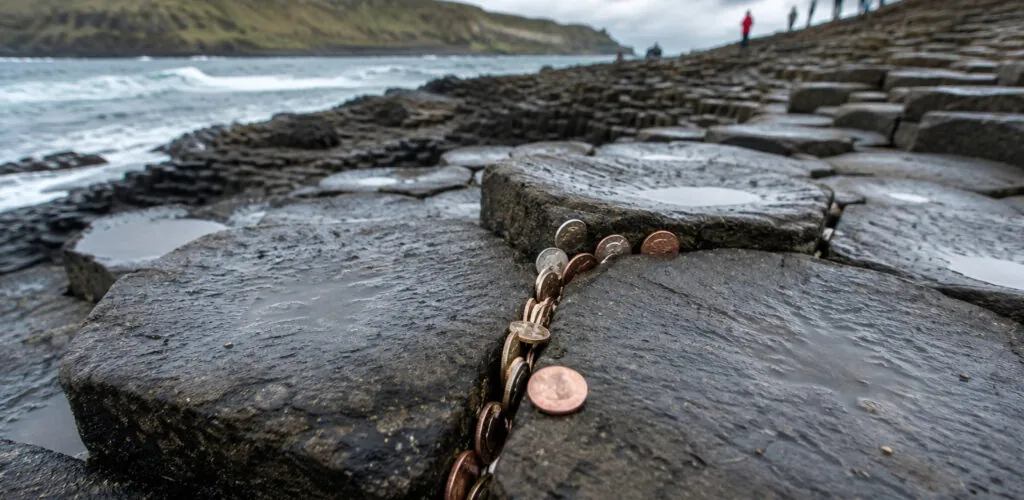
A curious tourist tradition has become a genuine conservation problem at the Giant’s Causeway in Northern Ireland. For years, visitors have wedged…
In Bushmills, the coast is never far away, but the first landscape is that of a village: a river, stone façades, shops and pub doors to step through after a day in the open air. In County Antrim, Northern Ireland, this small town owes its fame to whiskey. It also has a valuable asset for travellers: its location, between countryside and coast, makes it possible to explore the Causeway Coast without repacking every morning.
Start in the centre, around Main Street. The distances suit a short walk, with a break in a café and a few detours to the shops. Here, shop windows are part of the pleasure: gifts, crafts and small independent shops offer a different encounter with Antrim from the large tourist car parks. Leave the car once it is legally parked and take time to look at the buildings rather than passing through the village between two excursions.
The River Bush gives the town its name and links its history to water, mills and industrial activity. It reaches the sea near Portballintrae. Bushmills is therefore set slightly inland from the shore: for a beach walk or an evening directly overlooking the ocean, you need to head to the coast. This distinction matters when choosing accommodation, especially if you are travelling without a car.
The Old Bushmills Distillery remains the village’s defining landmark. A visit can provide the focus for half a day, followed by a meal and a walk through the centre. There is no need, however, to devote your entire stay to whiskey: travellers who do not drink alcohol will find above all a small, well-located base for discovering the coast.
If you would like to visit the distillery, book your time slot with the venue and check the conditions of participation. For a tasting, arrange to return on foot, by taxi or with a driver who is not drinking. Staying in the village can therefore be a real convenience: the day ends around a table, without having to take a coastal road again after dinner.
The Giant’s Causeway is the area’s best-known stop. It deserves a dedicated time slot, especially if you enjoy walking and observing the landscape. To the west, Dunluce Castle adds the silhouette of a fortress rising above the sea to the journey. Combining both is possible, but allowing more time means you can keep room for an unplanned stop along the coast.
For a balanced day, choose one major site in the morning and a coastal walk in the afternoon. The following day, head in the other direction towards Ballintoy or Ballycastle, if these destinations fit into your itinerary. Bushmills works particularly well for two nights: you then have a full day based there, without turning every departure into a transfer with luggage.
Portballintrae offers a different atmosphere: a small harbour, a bay and the pleasure of walking close to the water. Around Runkerry, the coastline opens up views of the dunes and the landforms of the Causeway Coast. For walkers, these landscapes invite you to extend the outing; choose your route according to your fitness and identify your return point before setting off.
A coastal trail requires different preparation from a village walk. Bring a waterproof jacket, shoes with good grip and something to drink. The wind can make a day feel cold even when the sun is out. With children, choose a short walk on a suitable route and keep your distance from exposed edges. The beach is also an excellent place to watch the sea without aiming for a long hike.
Half a day is enough for the village and a booked visit. To enjoy the coast, one or two nights are more comfortable. The centre makes meals on foot easy; an address in the countryside will suit those seeking peace and quiet who have a car. Before booking, check the exact location, parking and the actual distance to restaurants: a postal address in “Bushmills” does not necessarily mean that everything is within walking distance.
During busy periods, plan ahead for accommodation and the restaurants you are keen to try. The choice is that of a village, not a large resort. For a livelier atmosphere or more services, you can also consider Portrush and return to Bushmills for an excursion. For a stay focused on scenery and walks, the village, by contrast, helps limit unnecessary travel.
Public transport requires planning connections: Coleraine or Portrush stations can serve as interchange points, after which the journey continues by bus depending on the route chosen. With Translink, search for the full journey for your date, including the return after your final visit. Do not confuse regular rail services with the area’s tourist railway activities.
By car, avoid overloading the day and use designated parking areas. In Northern Ireland, payments are made in pounds sterling and road distances are measured in miles. Finally, plan an indoor activity if the weather deteriorates: a booked visit, a leisurely lunch and the town-centre shops make it possible to enjoy Bushmills even when the coast disappears behind the rain.