Geological formations in Ireland
Giant’s Causeway
The Giant’s Causeway, known in Irish as Clochán an Aifir, is one of Northern Ireland’s most spectacular landscapes. Located on the County…


 Tourist attractions
 Irish Restaurants and Pubs
 Partner Accommodations
 Campgrounds and Lodging
Geological formations in Ireland
The Giant’s Causeway, known in Irish as Clochán an Aifir, is one of Northern Ireland’s most spectacular landscapes. Located on the County…
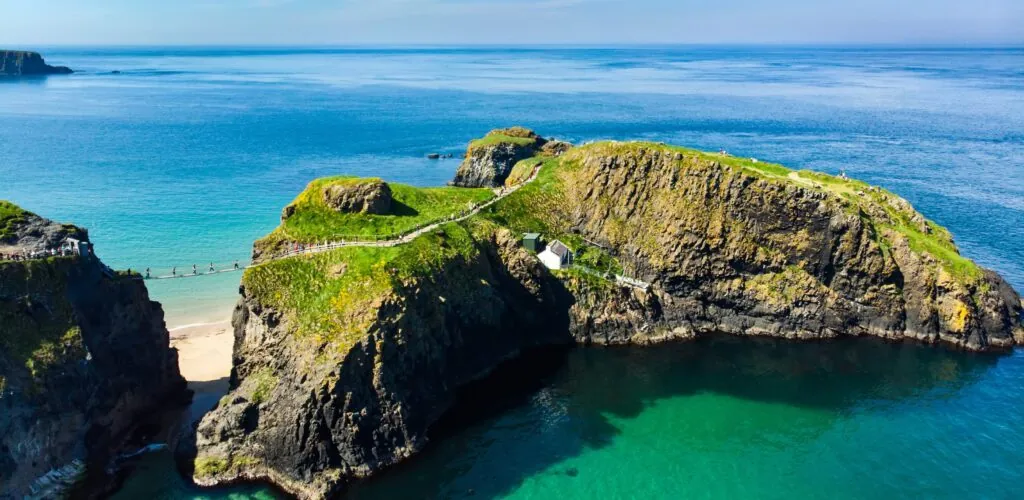
Suspended almost 30 metres above the Atlantic, Carrick-a-Rede Rope Bridge links the cliffs of County Antrim to a small rocky island once…
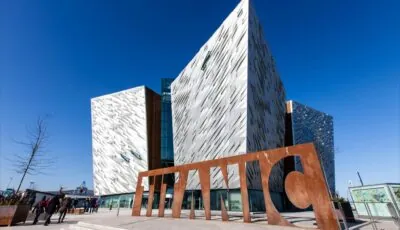
Built on the former shipyards where history’s most famous ocean liner was constructed, Titanic Belfast is far more than a museum dedicated…
Perched on a rocky headland overlooking the Atlantic Ocean, Dunluce Castle is one of Northern Ireland’s most spectacular castles. Its ruined walls…
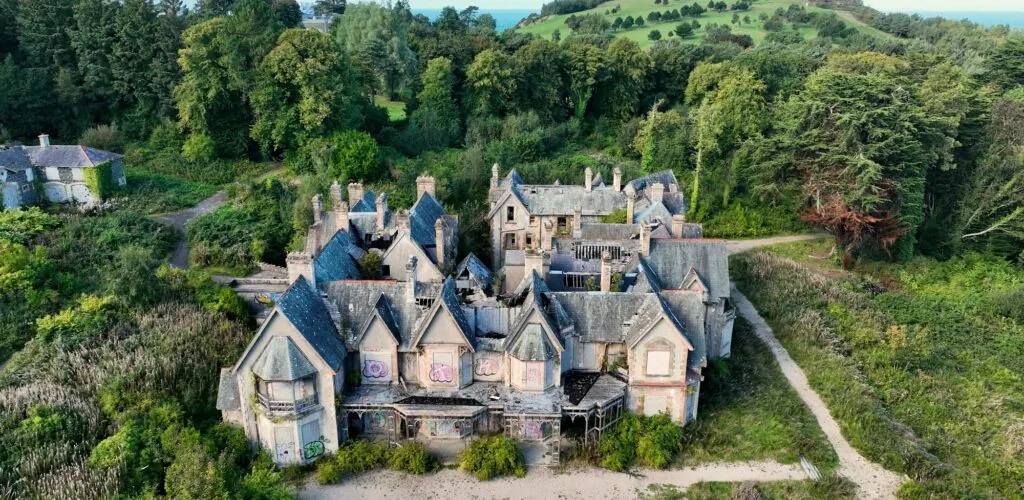
There are places in Ireland that remain as impressive as they are terrifying. And one of the most intimidating places to visit…
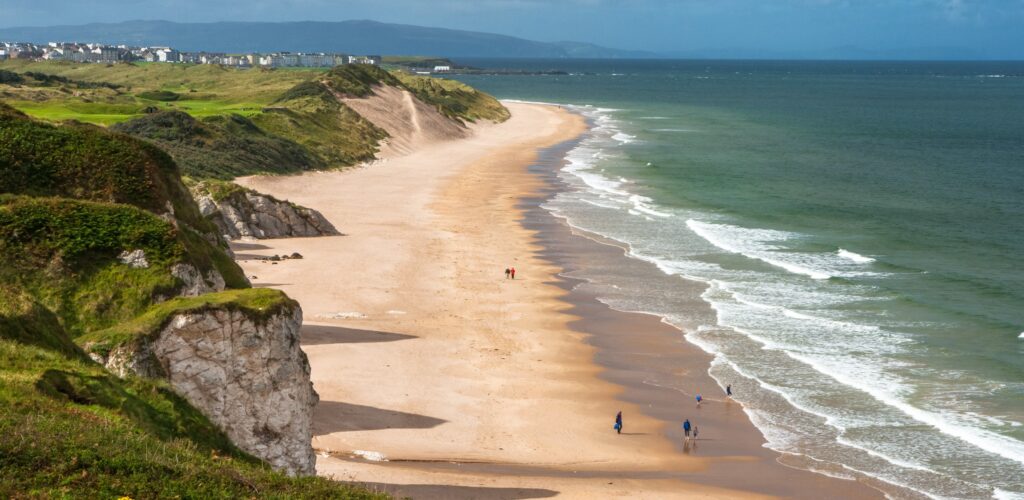
White Rocks Strand is a beach at Portrush in County Antrim, Northern Ireland. Its distinctive feature is its sparkling white rock cliffs,…
Dark Hedges is a strange avenue of trees in Northern Ireland, used for the filming of the Iron Throne series! A magnificent…
At the heart of Belfast, a green dome rises above the buses, shopfronts and constant bustle of Donegall Square. Belfast City Hall,…
The Causeway Cliffs on Ireland’s north coast are one of Europe’s most remarkable natural wonders. Located close to the Giant’s Causeway, these…

George Best (1946-2005) was a Northern Irish footballer, considered one of the greatest footballers in the history of the game. Admired by the likes…

Thirteen years after his address to Northern Ireland’s young people, Barack Obama is expected back in Belfast. This Tuesday, 13 October, the…
The historic County Antrim covers much of north-eastern Northern Ireland, between Belfast Lough, the Causeway Coast, the Glens of Antrim and the shores of Lough Neagh. It includes some of the best-known landscapes in the north of the island, but no longer corresponds to a single contemporary administrative authority.
The historic territory of Antrim is now divided between several districts. It is therefore important to distinguish the cultural and geographical county from current administrative structures.
The north coast brings together cliffs, beaches, villages and major geological sites. The Giant’s Causeway is the best-known landmark, but the region extends well beyond this single site towards Ballycastle, Rathlin Island and neighbouring coastal landscapes.
The verdant valleys of the Glens of Antrim shape the east of the county and offer a marked contrast with the basalt coast of the north.
The south of the historic county meets the Belfast urban area, while the interior opens out towards Lough Neagh and more agricultural landscapes.
Two to four days allow you to combine the north coast, the Glens and an area around Belfast Lough. A car remains the most flexible option.