Kilkenny Castle
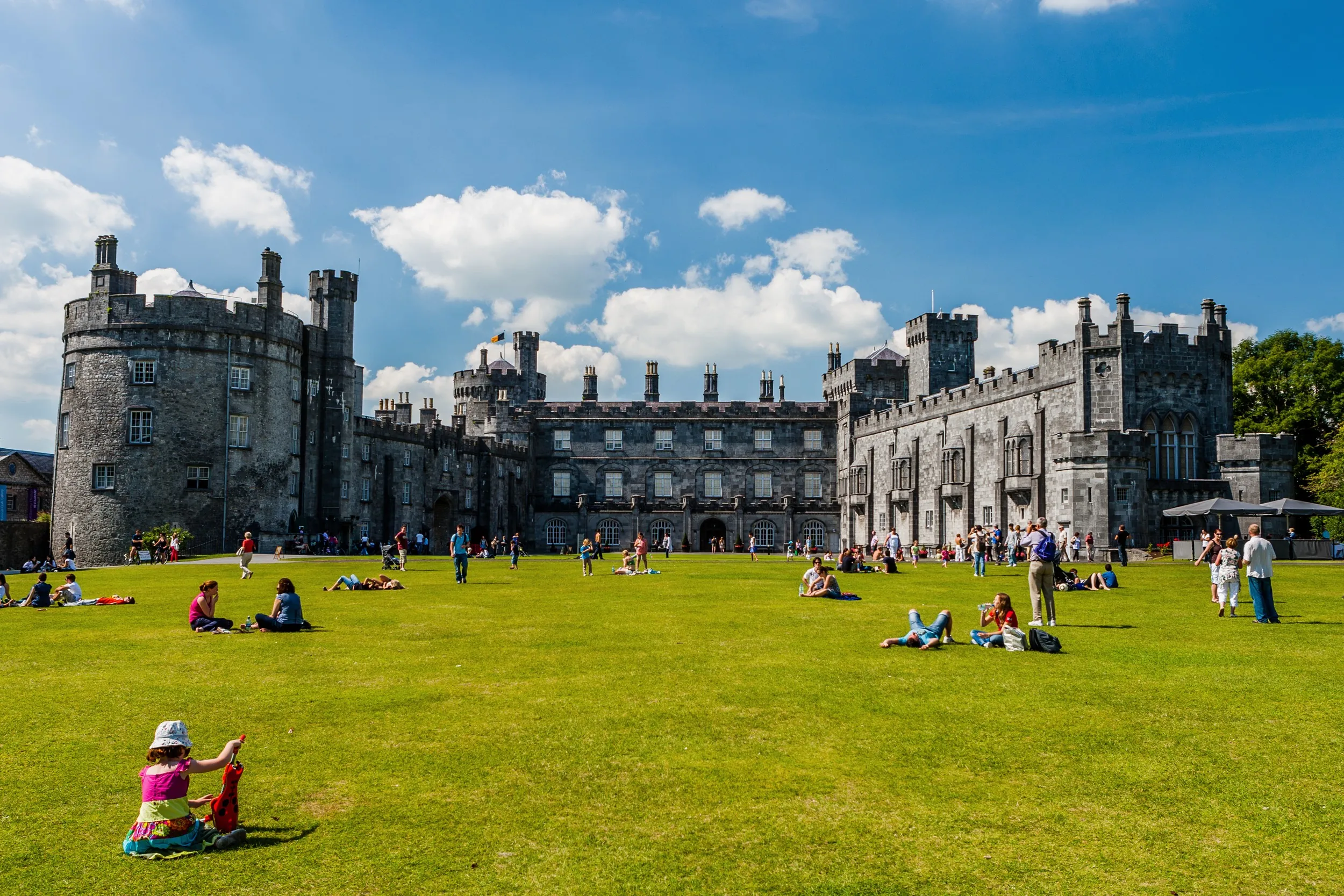
At the heart of the medieval city of Kilkenny, a massive silhouette dominates the banks of the Nore. With its three round…


 Tourist attractions
 Irish Restaurants and Pubs
 Partner Accommodations
 Campgrounds and Lodging
At the heart of the medieval city of Kilkenny, a massive silhouette dominates the banks of the Nore. With its three round…
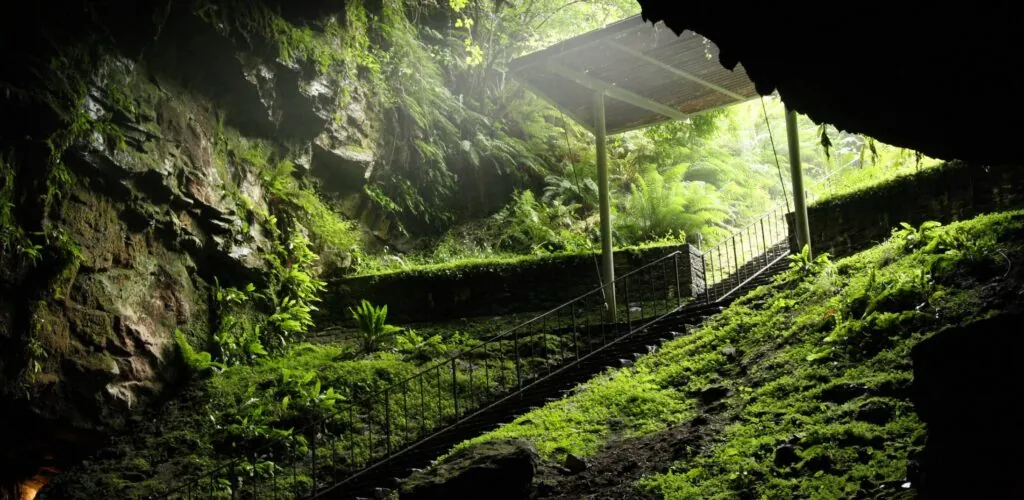
Discover Dunmore Cave, less than 10 km from Kilkenny town! On the programme, a succession of rocky chambers and cavities plunged into…
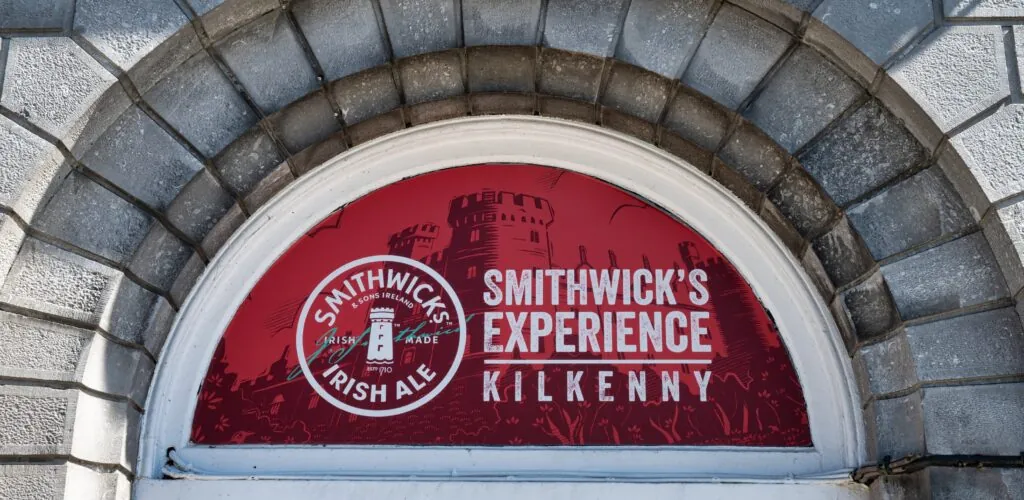
On Parliament Street, in the heart of Kilkenny’s Medieval Mile, a former brewery tells more than three centuries of Irish history. The…
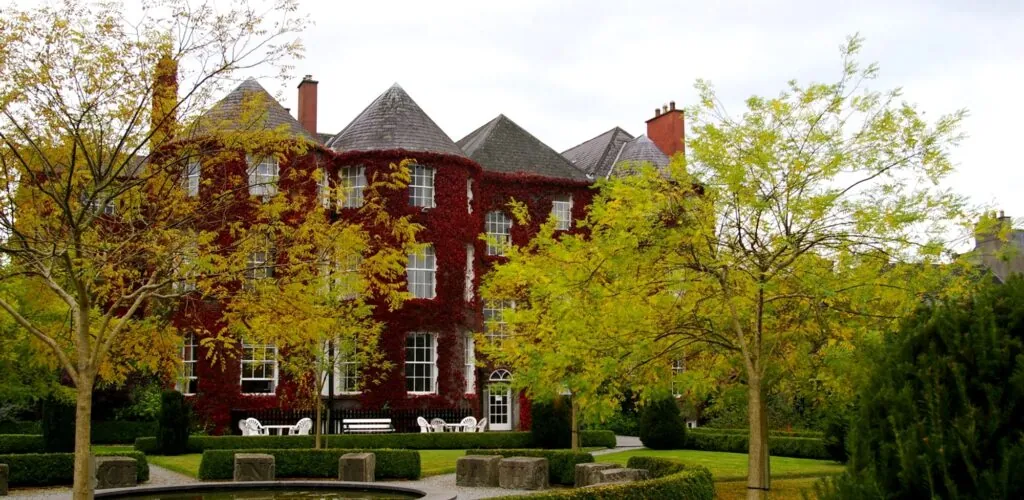
Butler House is a sumptuous Georgian manor house in Kilkenny. Now converted into a bed and breakfast, he opens his garden to…
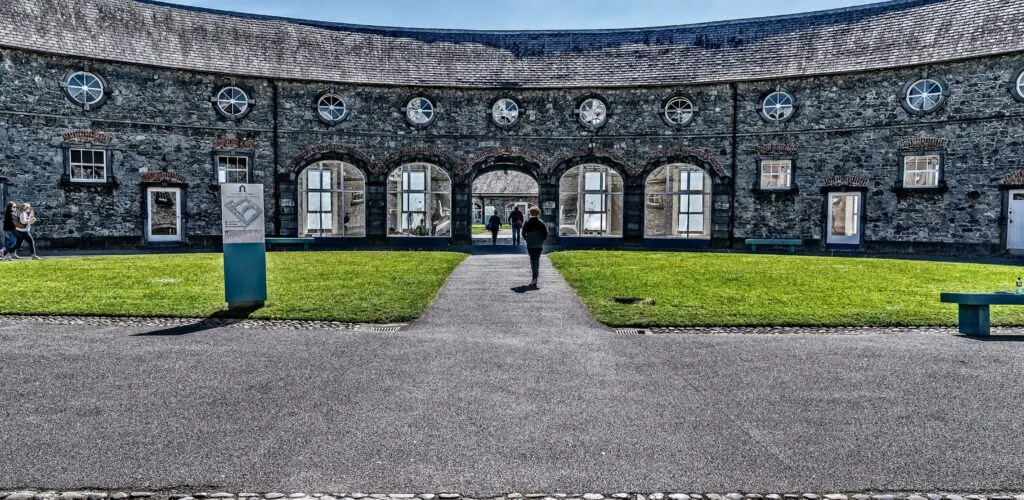
If you like local crafts, then don’t miss the Kilkenny Design Centre. Located near Kilkenny Castle, you can visit the artisanal workshops…
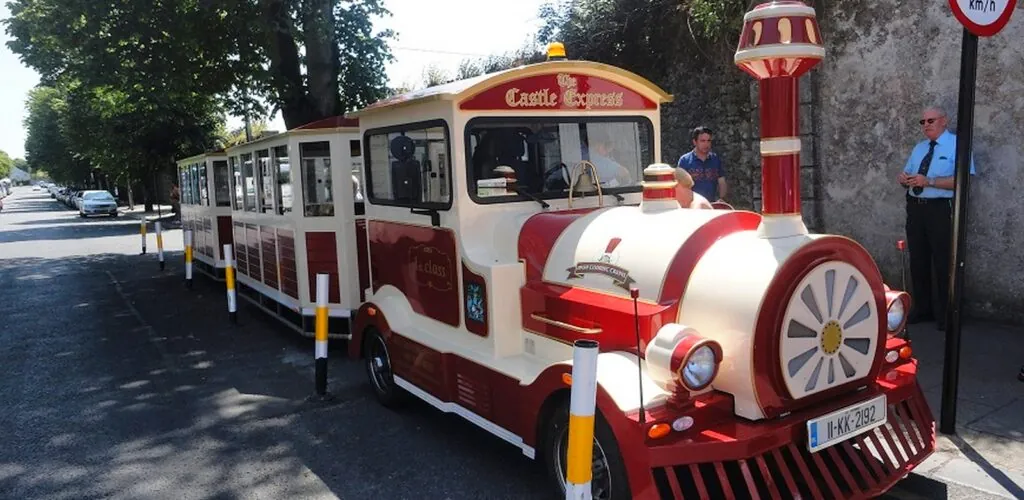
The Castle Express is a small tourist train that will show you the best of Kilkenny! A fun ride! [...]
The Kilkenny Way is undoubtedly one of Kilkenny's star attractions! Here's a chance to try out a typically Irish sport: hurling, and…
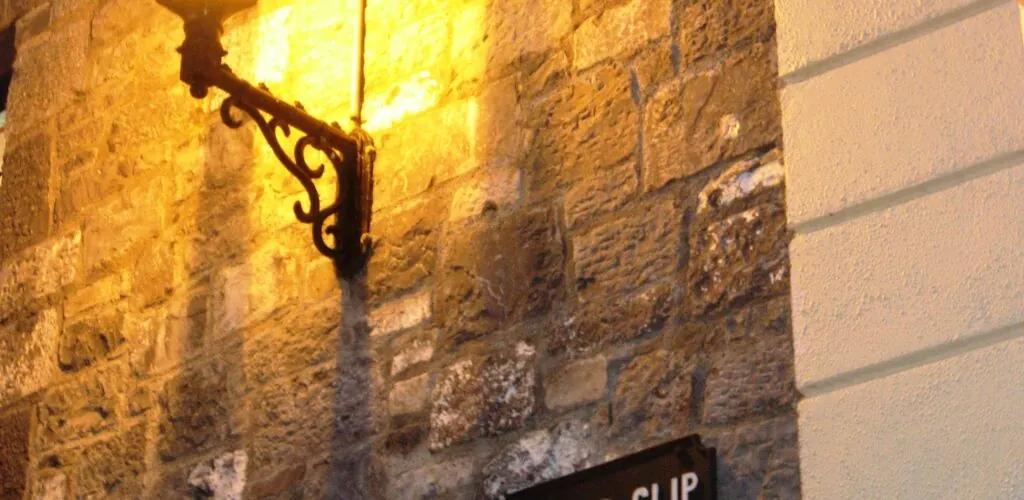
Butterslip is a medieval street in Kilkenny, crossed by a few stone arches. Picturesque, it will plunge you into the heart of…
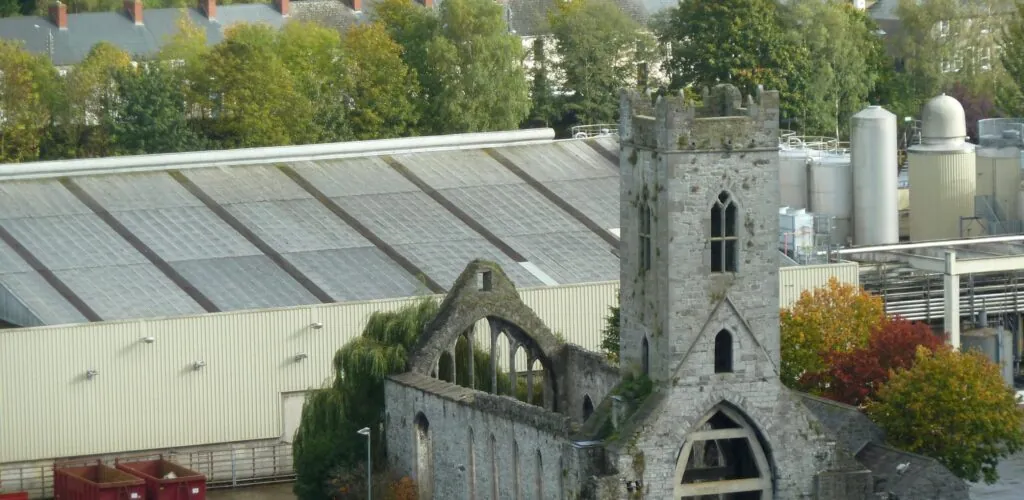
St Francis Abbey is a magnificent Irish abbey founded in 1231. Although abandoned during the reign of Elizabeth I, the abbey is…
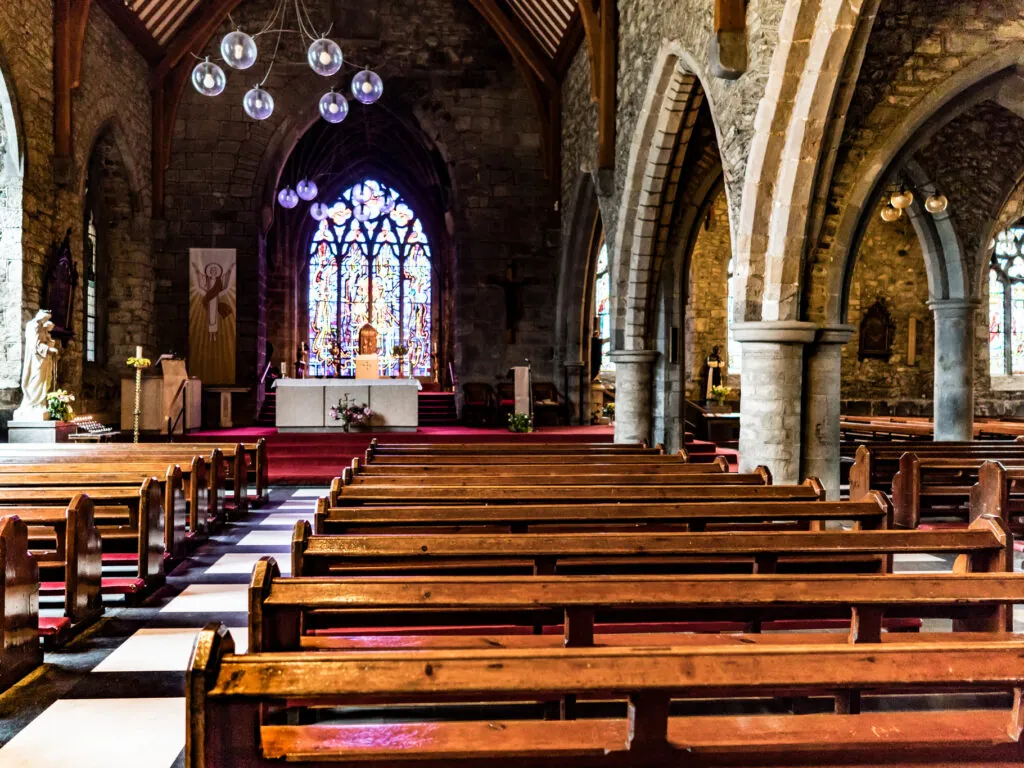
The Black Abbey is a Dominican abbey located in Kilkenny town center. Built in 1225, it was confiscated by the English, then…
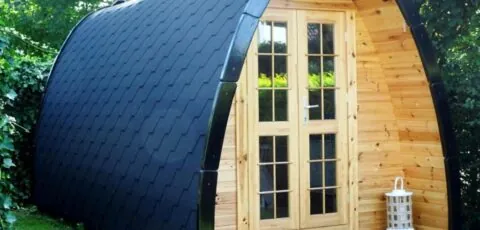
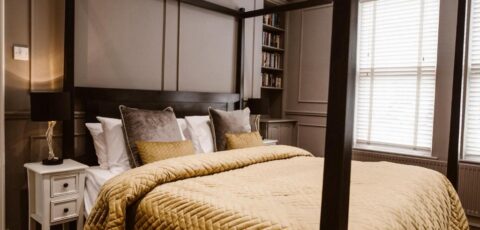
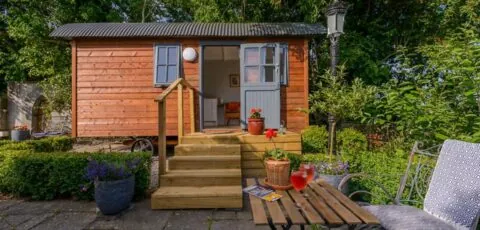
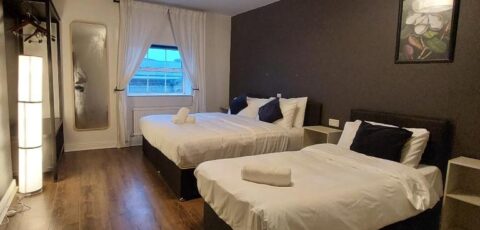
Find a comfortable place to stay and make the most of your trip to Ireland.
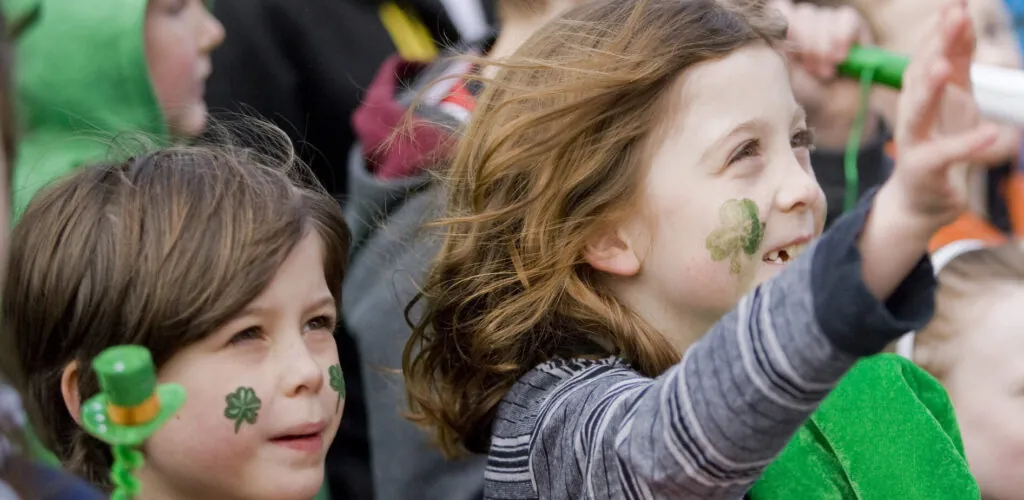
Every year on March 17, Ireland erupts in an explosion of music, parades and celebrations in honor of its patron saint. In…
County Kilkenny, Contae Chill Chainnigh in Irish, is located in the south-east of the Republic of Ireland, at the heart of Ireland’s Ancient East. Its county town, Kilkenny City, contains a remarkable share of the region’s medieval heritage, but the area extends far beyond its walls: the Nore Valley, historic villages, abbeys, farmland, low hills and craft workshops make up a particularly coherent county that is easy to explore.
With a population of 104,160 in the 2022 census, Kilkenny remains a human-scale county. Its position between Dublin, Waterford and the Midlands makes it a natural stop on an itinerary through south-east Ireland, but it deserves more than a brief halt in its main town. Several days allow visitors to understand how its medieval history, river landscapes and craft expertise complement one another across the county.
The River Nore is one of the county’s main threads. It runs through Kilkenny City before accompanying a succession of towns and rural landscapes southwards, notably around Bennettsbridge, Thomastown and Inistioge. This valley gives the area a geographical unity that is especially apparent away from the main roads.
The landscape is less spectacular than the mountains of Kerry or the cliffs of western Ireland, but it has a very different identity: farmland, woodland, rivers, old bridges, stone villages and monastic remains are set within a green landscape that has been inhabited for centuries.
This relatively compact scale is a real advantage for travellers. Kilkenny City can serve as a base, but staying in or stopping at the villages of the Nore Valley reveals a more rural side of the county and avoids reducing Kilkenny to its medieval centre alone.
Kilkenny City is naturally the county’s main tourist hub. Its castle, religious buildings, former merchants’ houses and the Medieval Mile bear witness to its political and commercial importance in the Middle Ages and the modern era.
Guide-Irlande nevertheless has content dedicated to these monuments, the city’s history, its museums, breweries and activities. The county page is therefore not intended to reproduce their visits in detail. At county level, Kilkenny City should above all be understood as an anchor point: a historic town from which visitors can explore the Nore Valley, villages, monastic sites and surrounding countryside.
This distinction is important when planning a stay. A day focused on the city follows an urban sightseeing approach; spending two or three days in the county, by contrast, makes it possible to combine heritage, rural roads, crafts and walks in the valley.
South of Kilkenny City, the Nore flows through one of the county’s most appealing areas. Bennettsbridge is an initial stop in this countryside of narrow roads and farmland. The village is also associated with crafts, particularly ceramics, a sector that occupies an important place in contemporary Kilkenny’s identity.
Further south, Thomastown is one of the county’s main towns outside the county town. Its location on the Nore makes it an interesting base for exploring several historic sites and workshops nearby. The area also provides easy access to Jerpoint, Mount Juliet and the roads leading towards Inistioge.
Inistioge is one of the valley’s most distinctive villages. Its stone bridge, sloping streets and wooded setting on the banks of the Nore create a landscape very different from central Kilkenny City. Rather than accumulating visits, this part of the county is particularly well suited to a leisurely day, punctuated by walks, villages and stops along the river.
Tourism Ireland also presents Bennettsbridge, Thomastown and Inistioge as a string of localities through which to discover County Kilkenny beyond its main town.
Kilkenny’s medieval heritage does not end with the monuments of its county town. The countryside preserves several religious and archaeological complexes that attest to the region’s importance in the Middle Ages.
Jerpoint Abbey, near Thomastown, is among the county’s major monastic sites. Kells Priory is another significant complex, remarkable for the scale of its remains and its setting in a rural landscape. These places make it possible to place Kilkenny’s medieval history within a wider territory shaped by religious communities, Anglo-Norman families, towns and farmland.
The purpose of this page, however, is to provide the keys to understanding the county rather than to detail a visit to every monument. Opening times, architecture, routes and practical information belong on dedicated pages where they exist; here, these sites help explain why medieval heritage is a characteristic of all of Kilkenny, not solely of its county town.
Kilkenny has a long-established reputation for crafts and design. Ceramics, textiles, wood, glass, jewellery and other skills remain visible in workshops, shops and studios spread between the city and several places across the county.
This creative dimension is particularly interesting because it links heritage and the contemporary economy. Craftsmanship is not merely displayed in exhibition spaces: it continues to be produced locally and contributes to the identity of several villages.
Bennettsbridge and Thomastown are among the areas where this tradition is especially noticeable. For travellers, the workshops offer a different way to explore the county, complementing castles and abbeys while giving greater meaning to Kilkenny’s reputation in Irish craft.
Northern Kilkenny presents a different face from the Nore Valley. Around Castlecomer, the landscapes become more rolling and wooded, with a history long marked by coal mining. This mining activity has left a lasting imprint on local memory and identity.
Today, the area is better suited to outdoor activities and family outings. Castlecomer therefore provides an interesting counterpoint to the medieval routes of the south: it is a reminder that the county is not limited either to its county town or its religious monuments.
For a stay of several days, this part of Kilkenny can be combined with northern countryside and back roads rather than treated as an isolated attraction. Its appeal lies as much in the change of scenery as in the destination itself.
To the east, the county reaches the Barrow Valley. Goresbridge and Graiguenamanagh offer a different relationship with river landscapes from that of the Nore. This part of the area also opens towards neighbouring County Carlow and St Mullins.
Graiguenamanagh developed on the banks of the Barrow and retains heritage closely linked to Duiske Abbey. The river and the paths that accompany it now encourage walking, cycling and gentle activities, in an environment where the pace of travel naturally becomes slower.
The Barrow Way extends this logic beyond Kilkenny’s boundaries. It is therefore more relevant to see this area as a gateway to an inter-county river landscape than as a succession of sites to tick off.
Historically, the area of Kilkenny belonged to the ancient kingdom of Ossory, or Osraige, which for centuries occupied a strategic position between several major Irish political entities. The arrival of the Anglo-Normans from the late 12th century profoundly transformed the organisation of the territory, notably around fortresses, towns and religious establishments.
The Butler family subsequently became one of the region’s great powers. Its influence extended far beyond Kilkenny Castle and helped shape part of the county’s political, landholding and economic life for several centuries.
In the 17th century, Kilkenny City played a major political role during the period of the Catholic Confederation. Here again, these events have, or may have, specific historical content: at county level, they chiefly help explain the exceptional density of heritage encountered today in both the city and the countryside.
Hurling occupies a particularly important place in Kilkenny’s identity. The county is among the areas historically most associated with this Gaelic sport, and this culture extends far beyond matches played in Kilkenny City.
Clubs, pitches and county colours are part of life in towns and villages. For visitors, this presence helps them understand an important dimension of local society: hurling is at once a sport, a community network and a marker of belonging to the area.
Activities or facilities devoted to sport have their own content where a detailed visit is needed. On this page, the essential point is to place hurling among the elements that give County Kilkenny its contemporary identity.
Kilkenny City can be visited on a day trip from Dublin, but this format offers only an overview of the area. To truly understand the county, two days are a more worthwhile minimum: one can be devoted to the city and the other to the Nore Valley and the surroundings of Thomastown or Inistioge.
With three or four days, it becomes possible to add monastic heritage, craft workshops, Castlecomer or the Barrow Valley without turning the stay into a succession of journeys. Distances are relatively short, but the narrow roads and villages encourage frequent stops.
A car remains the most flexible way to explore the countryside. Kilkenny City is also accessible by train from Dublin and Waterford, making a car-free urban stay possible; however, to genuinely leave the city and link several rural areas, a vehicle greatly simplifies planning.
The county’s main appeal lies precisely in this balance. Kilkenny has a medieval county town rich enough to justify the journey, but its identity becomes much clearer when placed within the Nore Valley, the villages, abbeys and countryside surrounding it.