Derry
Travel Guide

Derry

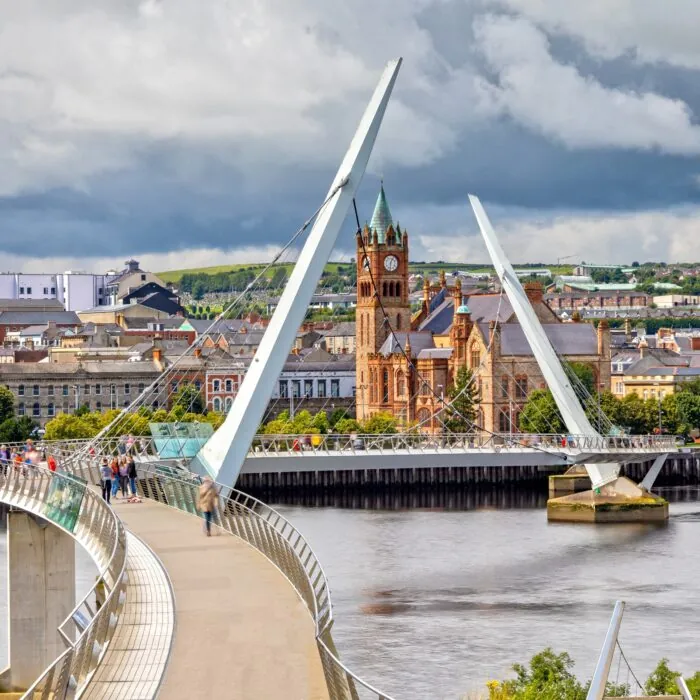
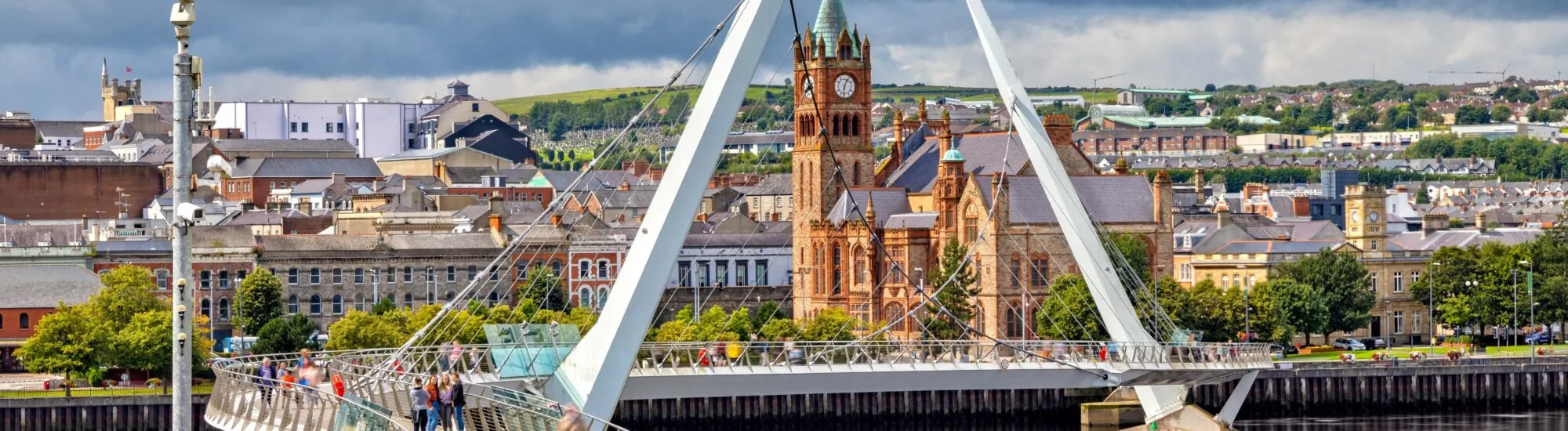
Derry et le Peace Bridge - © susanne2688

Explore Derry

Tourist attractions Irish Restaurants and Pubs Partner Accommodations Campgrounds and Lodging

Derry : Must-See Attractions

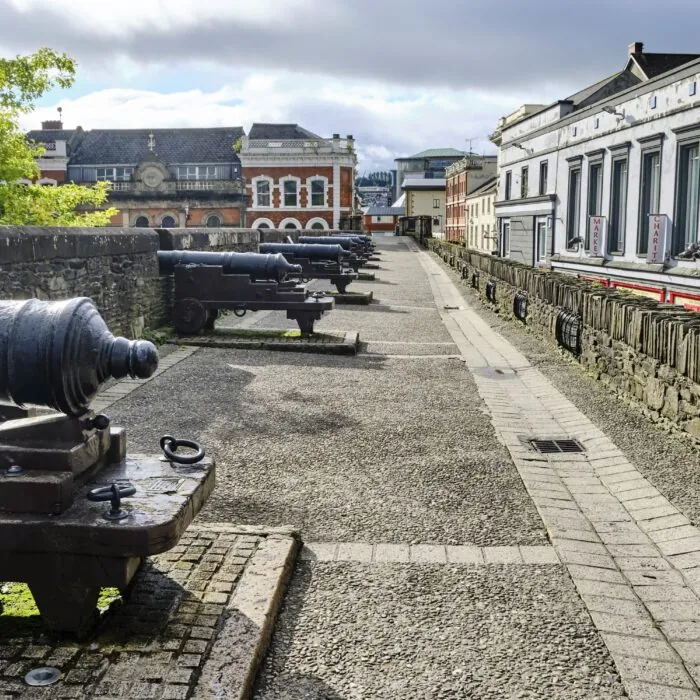
Derry walls - © Davide

Derry Walls

The Derrys Walls are one of the most popular attractions for tourists visiting Derry!
3.47/5 (19 votes)
derry

The Derry Peace Bridge

The Derry Peace Bridge is a brand new bridge spanning the River Foyle in the city of Derry in Northern Ireland... A symbol of the city!
3.90/5 (10 votes)
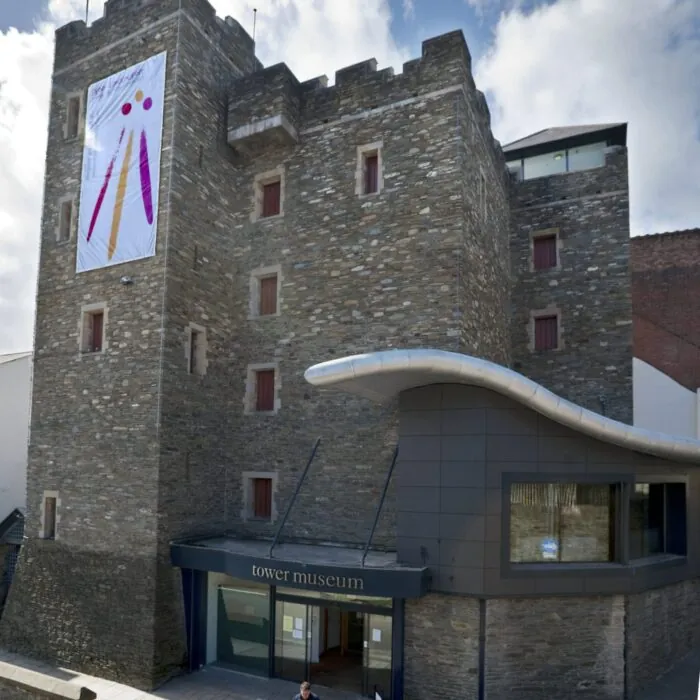
st eugene cathedral

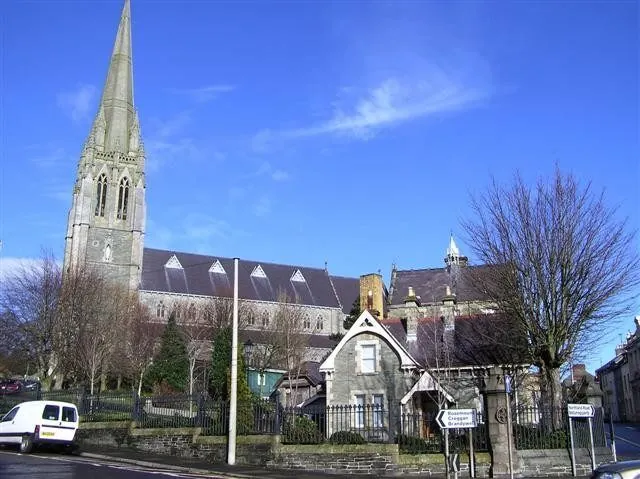
St Eugene’s Cathedral

The largest Catholic cathedral in Derry, Northern Ireland! A place that's still very popular with the locals!
2.80/5 (10 votes)
guildhall

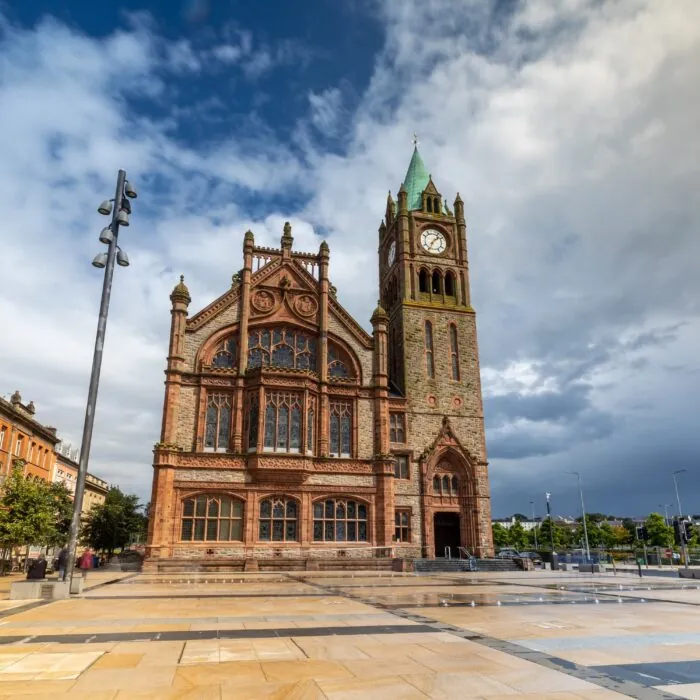
The Guildhall

The Guildhall is a red-brick building in the heart of Derry. Today, it serves as the town hall and can be visited by the general public.
3.29/5 (7 votes)
riverwatch scaled

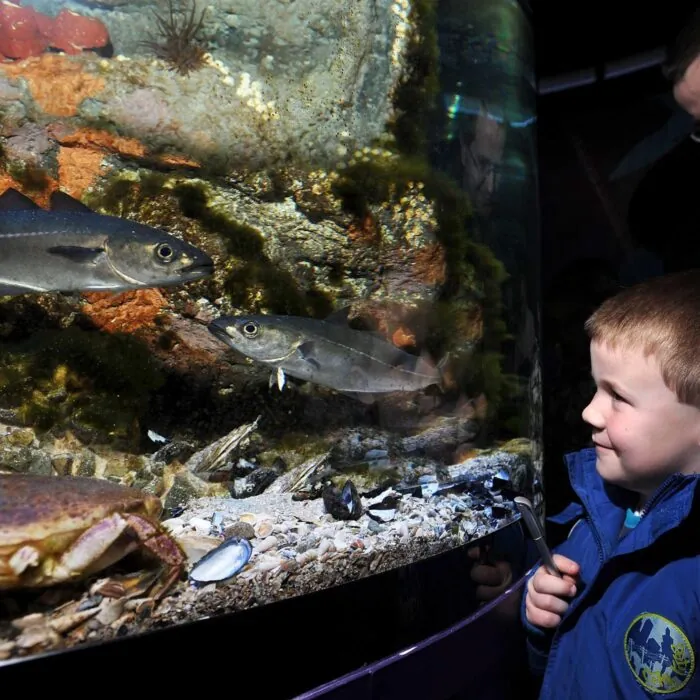
Riverwatch Aquarium

An aquarium for the whole family that tells you all you need to know about the fish that live in the Atlantic and in Ireland's lakes and rivers!
4.00/5 (6 votes)
Le Bloody Sunday Memorial - Sonse - cc

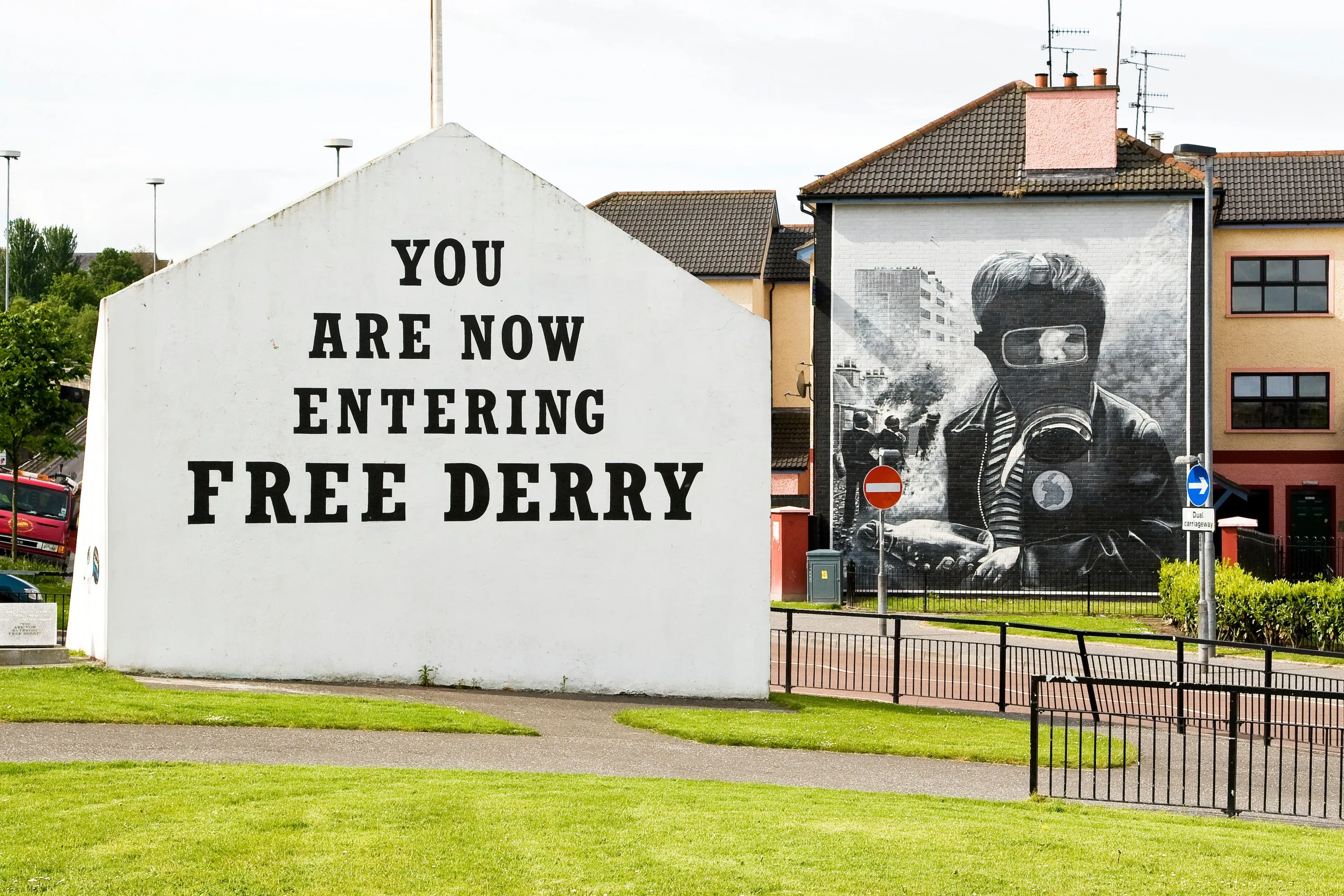
Bloody Sunday Memorial

The Bloody Sunday Memorial is a monument located in Derry, Northern Ireland. It pays tribute to a terrifying episode in history: Bloody Sunday.
5.00/5 (1 votes)
Calendar

Festivals to Check Out: Derry

Music, culture, and traditions: Discover the festivals that shape life in Derry.
Derry Halloween - https://derryhalloween.com/
Halloween festivals Halloween festivals

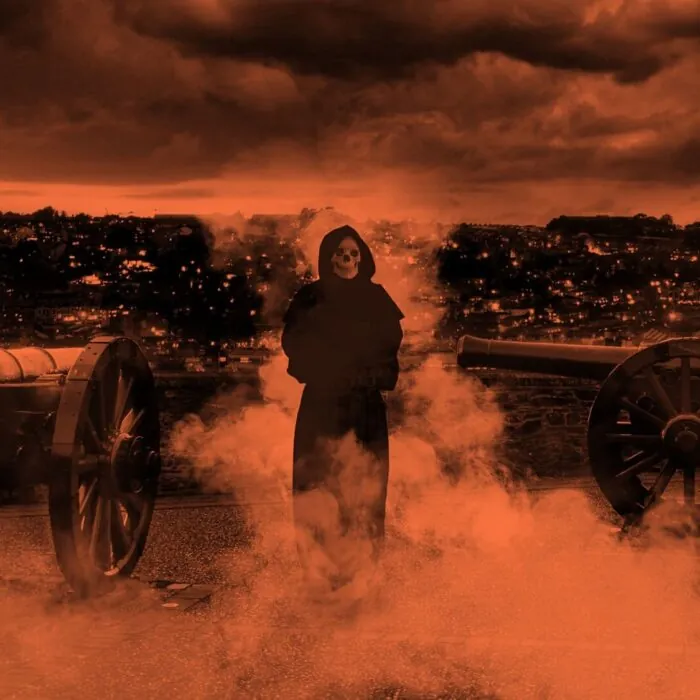
Derry Halloween

When night falls over Derry’s city walls, the city gates seem to open onto another world. Banshees, skeletons, Celtic creatures and costumed characters then…

Explore the festival

Inspiration

Further Reading

Derry

Second largest city in Northern Ireland after Belfast, Derry (or Londonderry) is a walled city located in the county of the same name. An important place in Irish history, the city was the scene of many clashes and political events that have left a lasting mark. Today, it is a multicultural city, known for its festive atmosphere and modernity.

History of the city of Derry (or Londonderry)

Two city names for a centuries-old dispute

Deeply marked by conflicts between the British and the Irish, Derry has repeatedly suffered acts of humiliation and violence. Starting with the very name of the city, which to this day has two distinct appellations: Derry and Londonderry.

More precisely, the city was always called Derry, but it was in the 17th century that the city was sponsored by London guilds and renamed “Londonderry” to humiliate its inhabitants and thus better assert control over the city. Since that day, only Catholics (nationalists) still call the city “Derry,” while Protestants (unionists) call it Londonderry.

Key events in the history of Derry

The history of the city of Derry is full of significant events that have forever shaped the face of the city and the entire country. From the Great Emigration to the tragedy of Bloody Sunday (1972), Derry remains a historic and poignant city. Here is a brief summary of the major events experienced by the city:

  • Late 1600s: the city endured one of the most significant British sieges in Irish history. Lasting 100 days, this siege caused a famine that exclusively decimated the Catholic population.
  • 18th and 19th centuries: Derry was the nerve center for departures to America. Emigration was massive, and the majority of the Irish population traveled to the city’s port to reach the American East Coast.
  • The Troubles (1969-1998): conflicts between the Irish and the British became increasingly violent. Derry became the site of terrible clashes, with many neighborhoods like the Bogside barricaded. Young Irish people tried to defend themselves against the British army with stones and other explosive devices. It took several days for the British to contain the conflict.
  • Bloody Sunday, January 30, 1972: this sadly famous event was the day when a civil rights march turned into a nightmare. This peaceful demonstration being illegal, several British soldiers decided to fire on the crowd fearing IRA gunfire. They killed 14 people that day and injured many others, shocking international public opinion. It is worth noting that this day is commemorated every year with a peaceful march. The Museum of Free Derry, located in the city center, also commemorates this tragic event.