Kilkenny Castle
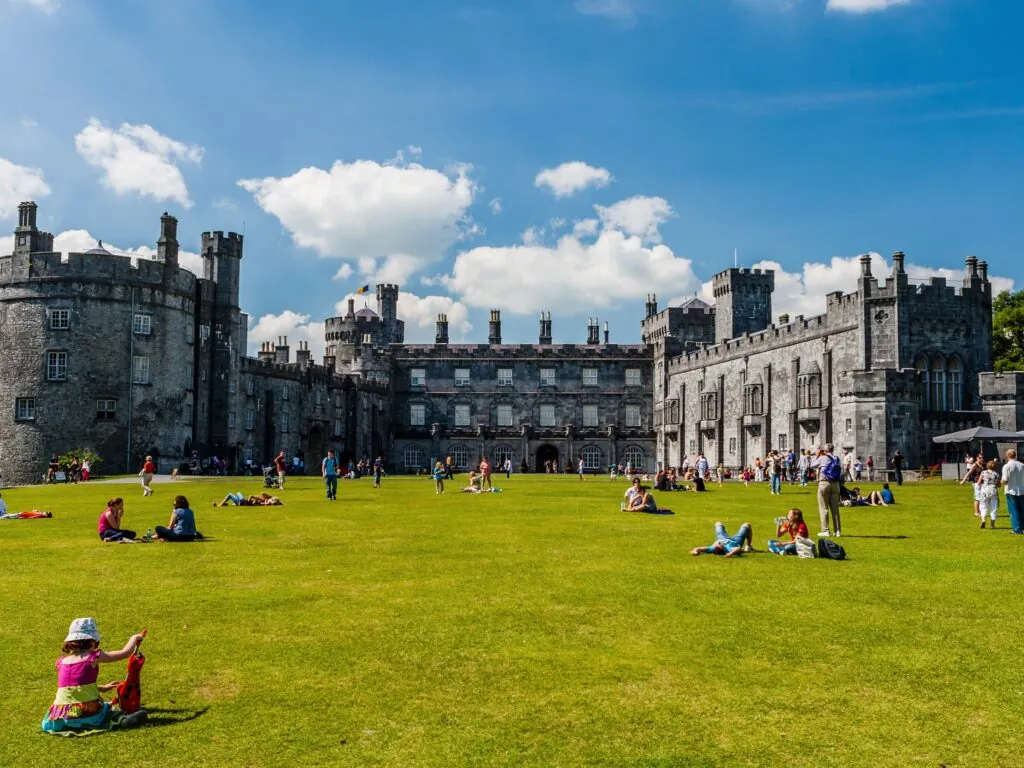
At the heart of the medieval city of Kilkenny, a massive silhouette dominates the banks of the Nore. With its three round…


 Tourist attractions
 Irish Restaurants and Pubs
 Partner Accommodations
 Campgrounds and Lodging
At the heart of the medieval city of Kilkenny, a massive silhouette dominates the banks of the Nore. With its three round…
On Parliament Street, in the heart of Kilkenny’s Medieval Mile, a former brewery tells more than three centuries of Irish history. The…
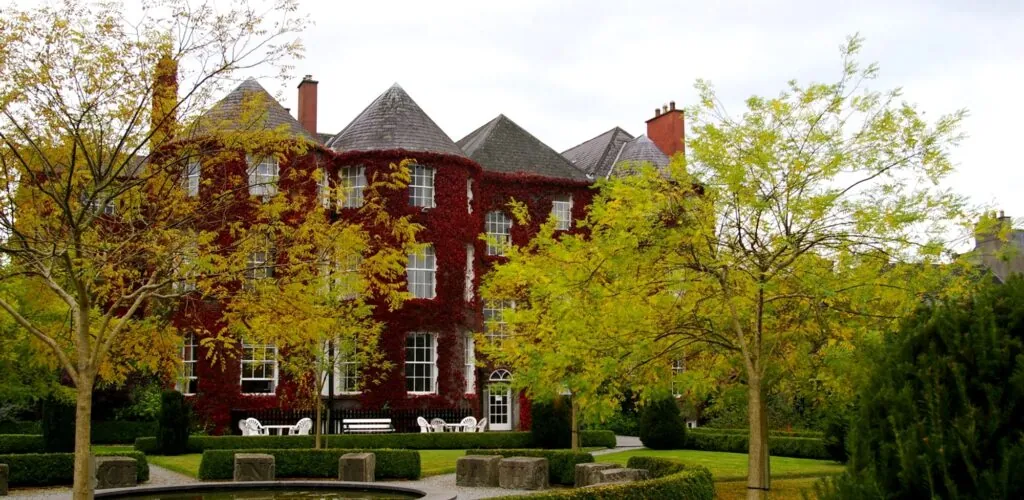
Butler House is a sumptuous Georgian manor house in Kilkenny. Now converted into a bed and breakfast, he opens his garden to…
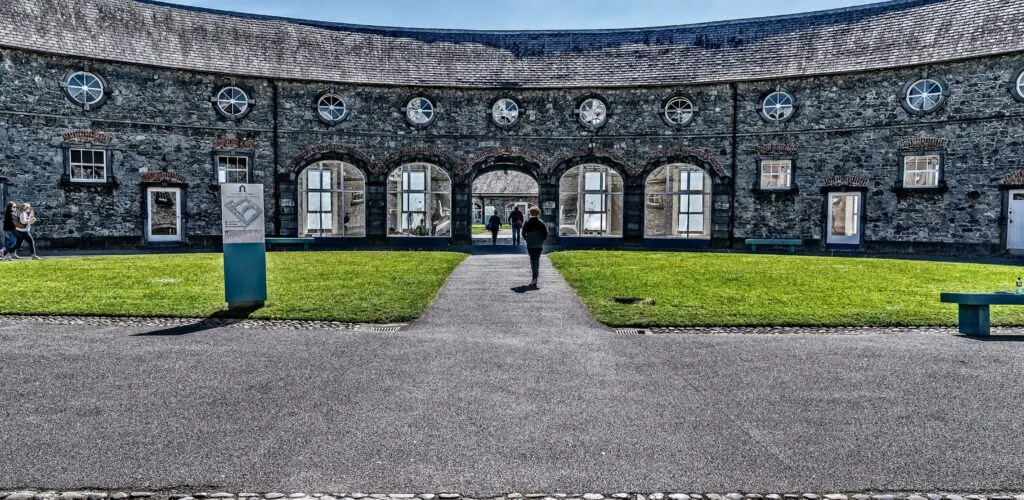
If you like local crafts, then don’t miss the Kilkenny Design Centre. Located near Kilkenny Castle, you can visit the artisanal workshops…
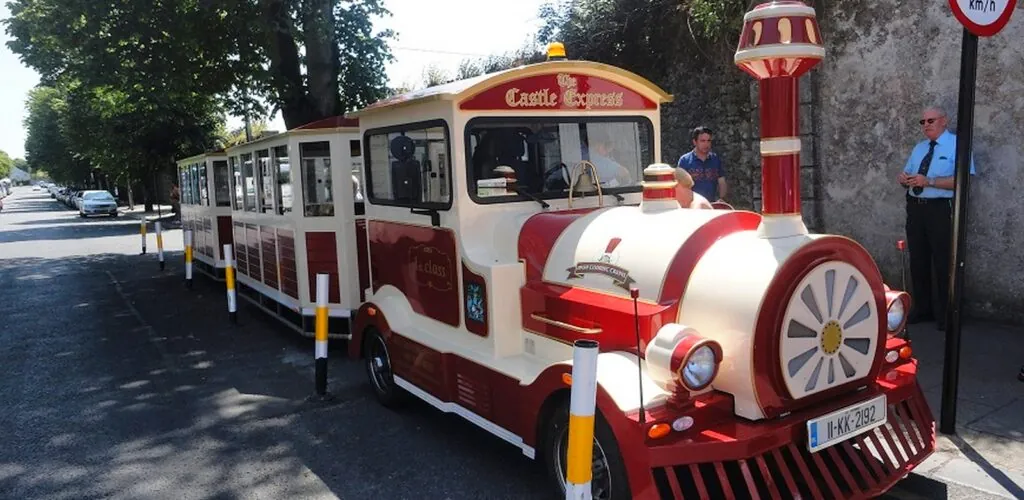
The Castle Express is a small tourist train that will show you the best of Kilkenny! A fun ride! [...]
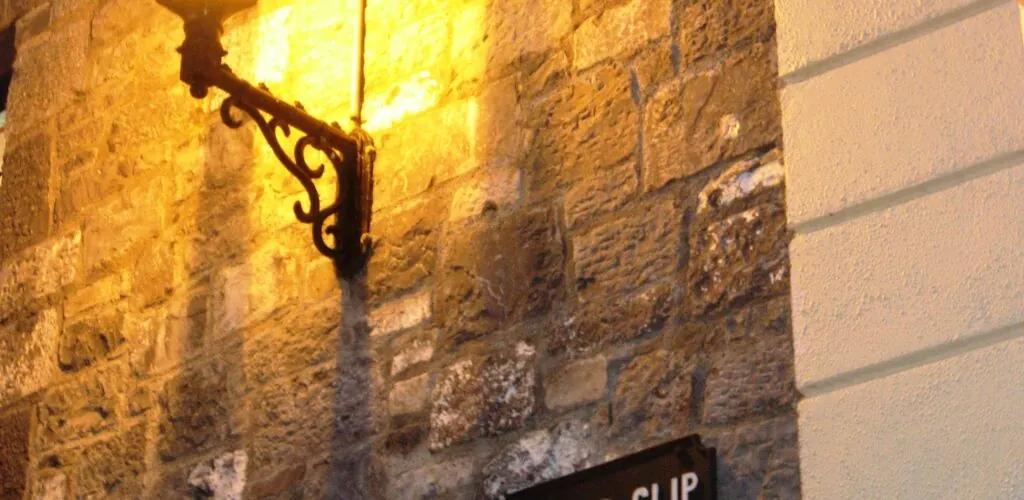
Butterslip is a medieval street in Kilkenny, crossed by a few stone arches. Picturesque, it will plunge you into the heart of…
The Kilkenny Way is undoubtedly one of Kilkenny's star attractions! Here's a chance to try out a typically Irish sport: hurling, and…
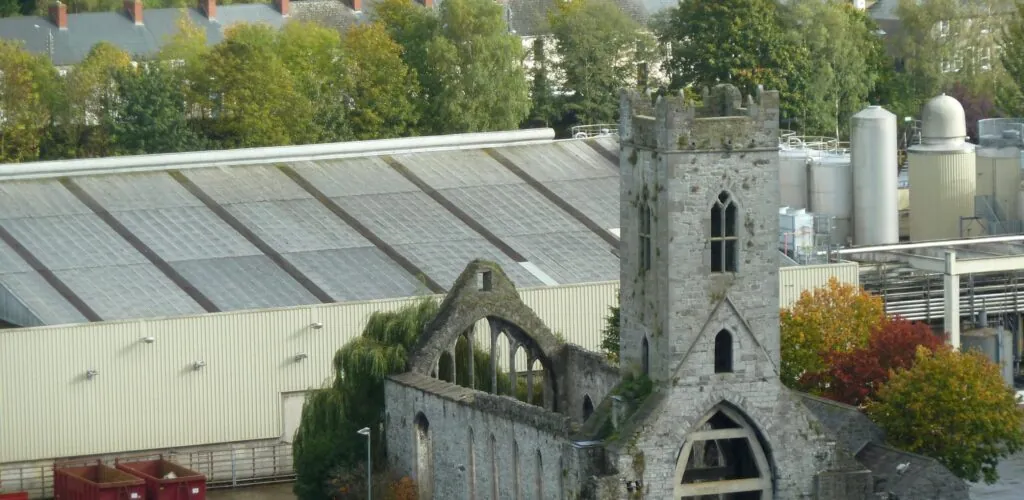
St Francis Abbey is a magnificent Irish abbey founded in 1231. Although abandoned during the reign of Elizabeth I, the abbey is…
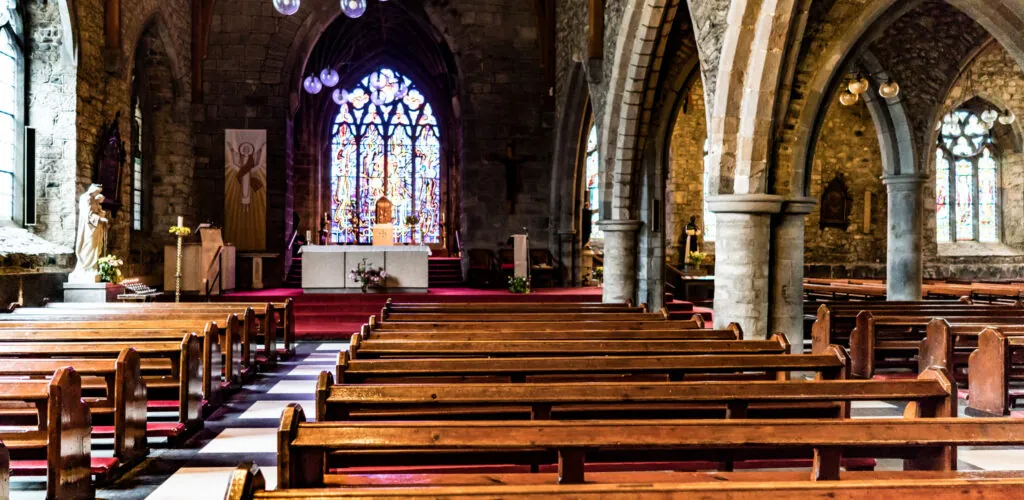
The Black Abbey is a Dominican abbey located in Kilkenny town center. Built in 1225, it was confiscated by the English, then…
Saint-Canice Cathedral is one of Kilkenny's oldest monuments! Built in the 13th century, it is one of the few cathedrals in the…
Find a comfortable place to stay and make the most of your trip to Ireland.
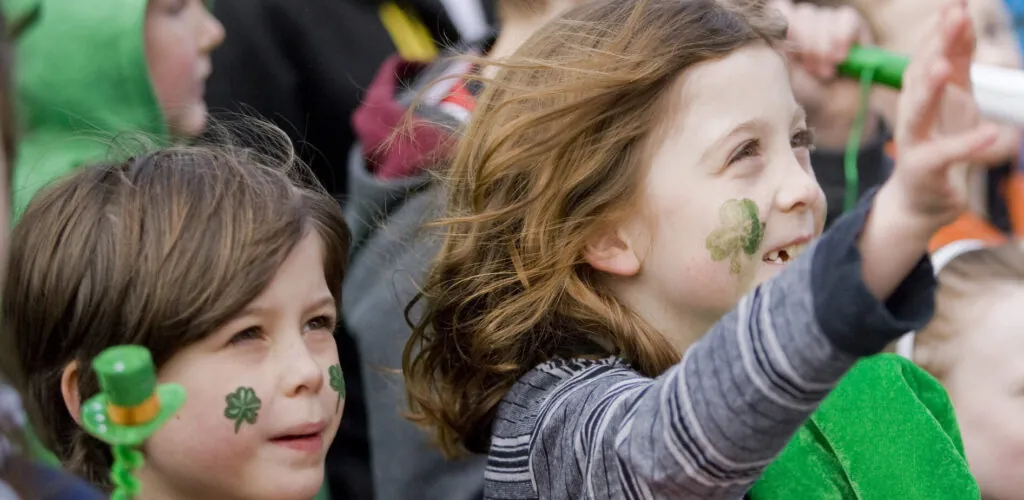
Every year on March 17, Ireland erupts in an explosion of music, parades and celebrations in honor of its patron saint. In…
On the banks of the River Nore, Kilkenny retains one of Ireland’s finest medieval faces. Narrow lanes, merchants’ houses, vaulted passageways, towers and spires make up a historic centre compact enough to explore on foot.
Today, the city is enlivened by its restaurants, pubs, independent shops and festivals, yet its past remains ever-present. Kilkenny developed over centuries around trade, religious power and the great Anglo-Norman families that left a profound mark on south-east Ireland.
Visiting Kilkenny is therefore not simply a matter of moving from one monument to the next. It means entering a city where history continues to shape the streets and everyday life. This atmosphere, together with a strong craft and cultural tradition, makes it an essential stop between Dublin, Waterford and Cork.
Kilkenny’s origins are linked to Saint Canice, or Cainnech, a 6th-century Irish monk after whom the city is named. The Irish name Cill Chainnigh means “the church of Canice”.
A religious community gradually developed around this settlement. The proximity of the River Nore subsequently encouraged trade, craftsmanship and the settlement of a larger population.
The arrival of the Anglo-Normans at the end of the 12th century profoundly transformed Kilkenny. A castle was built to control a strategic crossing on the river, while the city gradually became an important political and commercial centre.
Throughout the Middle Ages, merchants, craftspeople and religious communities contributed to its growth. Wool, grain, agricultural products and various manufactured goods passed through the region, making Kilkenny one of the principal cities in the south-east of the island.
Kilkenny’s urban layout still bears witness to this history. For several centuries, two distinct districts developed: one around the castle and Anglo-Norman power, the other around St Canice’s Cathedral and the religious institutions.
These two centres are now linked by the Medieval Mile, a route of about one mile through the old town. It symbolically connects Kilkenny Castle to St Canice’s Cathedral, passing several monuments, historic houses and medieval lanes.
The city was also dominated for almost six centuries by the powerful Butler family, first Earls and then Dukes of Ormond. Based at Kilkenny Castle from the end of the 14th century, the Butlers exerted considerable influence over the region’s political, economic and cultural life.
This concentration of monuments and old buildings explains why Kilkenny is often presented as one of Ireland’s best-preserved medieval cities.
Kilkenny holds a special place in Irish political history. Between 1642 and 1649, the city became the seat of the Irish Catholic Confederation.
Created amid the turmoil of the Wars of the Three Kingdoms, this organisation governed much of Catholic Ireland. Kilkenny then hosted a general assembly, a supreme council and various institutions responsible for governing the territories controlled by the Confederates.
This political experiment ended during the Cromwellian conquest. In March 1650, Oliver Cromwell’s troops besieged Kilkenny. Weakened by disease and defended by a reduced garrison, the city capitulated after several days of resistance.
This episode is a reminder that behind the peaceful atmosphere of its streets lies a turbulent history, shaped by religious conflict, political rivalries and struggles for control of Ireland.
Kilkenny Castle is the city’s most iconic monument. Built from the end of the 12th century, the former Norman fortress was extensively transformed over the centuries into an elegant aristocratic residence.
At the other end of the historic centre, St Canice’s Cathedral overlooks the city. Its round tower, separate from the cathedral, can be climbed when conditions permit and offers one of the finest views over Kilkenny.
The route between these two monuments reveals several other remarkable sites. Rothe House is a rare early-17th-century merchant’s house, while the Black Abbey, founded in the 13th century, preserves an impressive stained-glass window dedicated to the mysteries of the rosary.
The Medieval Mile Museum, housed in the former St Mary’s Church, traces the city’s development through funerary sculptures, archaeological objects and several tombs of important local families.
Kilkenny is not frozen in its past. Its historic centre is now home to cafés, galleries, independent shops, restaurants and pubs, creating a successful balance between historic heritage and contemporary life.
The city and its county also have a strong reputation in craftsmanship and design. Ceramics, glass, textiles, jewellery and woodwork play an important role in the local cultural economy.
The Kilkenny Design Centre, housed in the castle’s former stables, offers a selection of Irish creations. The Butler Gallery, located in the former Evans’ Home, complements this offering with exhibitions devoted to modern and contemporary art.
This creative vitality keeps Kilkenny from resembling a museum city. Behind the old façades, businesses, residents, artists and a genuinely active community continue to thrive throughout the year.
One of Kilkenny’s main advantages is its size. The centre is compact and the main monuments can be reached on foot.
From the castle, you can walk up High Street and Parliament Street towards Rothe House, the Medieval Mile Museum and St Canice’s Cathedral. Several narrow passageways, known locally as slips, connect the main streets and recall the city’s medieval layout.
This setting encourages visitors to slow down. Kilkenny is particularly enjoyable to discover by occasionally leaving the shopping streets, walking along the Nore or taking the small streets that still retain their historic proportions.
A car is therefore not essential for exploring the centre. It is best to park nearby and continue on foot in order to avoid the narrow streets and the busiest areas.
When the monuments close their doors, Kilkenny gently changes pace. The city has a strong pub culture, with a mix of traditional establishments, contemporary bars and venues regularly hosting concerts or music sessions.
Its name remains closely associated with Smithwick’s, a red ale whose history began in Kilkenny at the beginning of the 18th century. Industrial brewing has since left the city centre, but the local tradition is told through an attraction on the historic site of the former brewery.
Restaurants and cafés also make the most of produce from south-east Ireland. Meat from regional farms, cheeses, vegetables, craft beers, and products from the river or nearby coast regularly appear on menus.
Kilkenny is therefore an appealing stop for travellers wishing to combine heritage, gastronomy and convivial evenings rather than simply rushing through a series of sights.
Every summer, the Kilkenny Arts Festival transforms the city for around ten days. Founded in 1974, it is now one of Ireland’s major cultural events.
Classical music, theatre, literature, dance, visual arts and performances take over venues as varied as churches, gardens, old courtyards and performance halls.
The festival’s appeal lies precisely in this meeting of heritage and contemporary creation. Concerts and performances take place in buildings that are sometimes several centuries old, offering an experience very different from that of a traditional venue.
In 2026, the Kilkenny Arts Festival takes place from 6 to 16 August. The programme and practical information are available on the official Kilkenny Arts Festival website.
The compact centre makes it possible to discover much of Kilkenny in one day. This is enough time to walk the Medieval Mile and visit two or three major monuments.
Staying overnight, however, changes the experience. Once day visitors have left, the streets regain a calmer atmosphere, and there is more opportunity to enjoy the restaurants, pubs and entertainment in the centre.
Two days are recommended for visiting the main monuments without rushing, discovering the galleries and craft shops, and then exploring the surrounding area of Kilkenny.
Spring and early summer are particularly pleasant for exploring the city on foot. The days are long, making it easy to combine cultural visits, terraces and walks along the Nore.
August is livelier thanks to the Kilkenny Arts Festival, but accommodation is also in greater demand. It is best to book in advance if your stay coincides with the event.
September and early autumn often offer an excellent balance between cultural activity and more moderate visitor numbers.
Kilkenny also lends itself to a winter break. Its compact centre, monuments, shops and pubs make it possible to enjoy the city even when Irish weather becomes less cooperative.