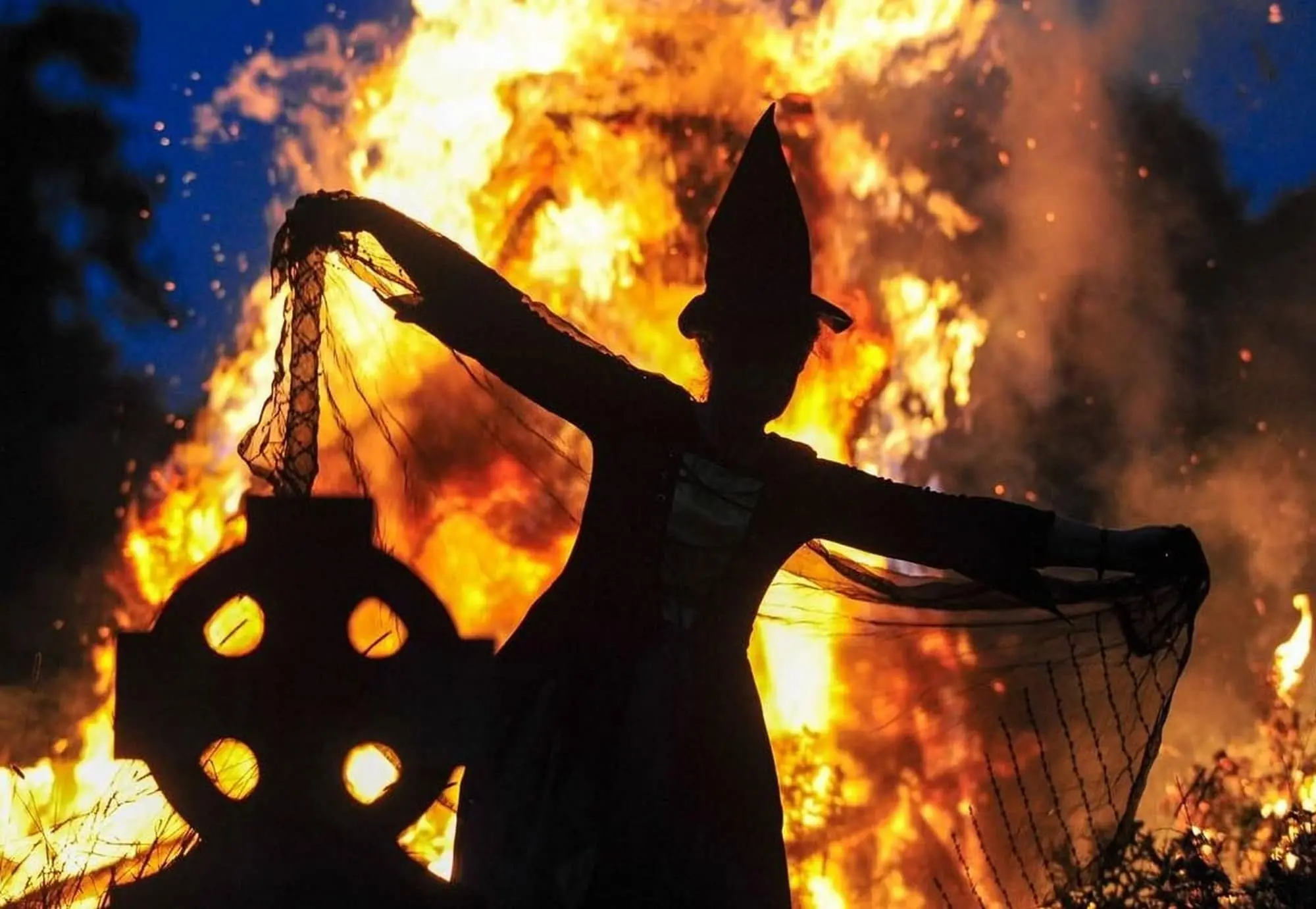
The Púca Festival
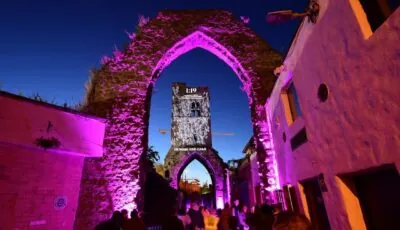
If you love Halloween, scary costumes and scary shows, then don’t miss the Puca Festival, a colorful event entirely dedicated to the…
 5.00/5 (3 votes)
 5.00/5 (3 votes)
 4.50/5 (2 votes)
 5.00/5 (1 votes)
 2.00/5 (1 votes)
 (0 votes)
 (0 votes)
 (0 votes)
 (0 votes)
Did you know? Halloween is a festival of Irish origin! An eagerly awaited annual event, it traces its roots to a Celtic festival known as “Samain“. Dating back to 500 BC, this major event in Celtic life was truly a profound spiritual occasion where the living communicated with the dead for one night… Much less commercial than today, this event was taken very seriously by the Celtic population and was a significant moment in their daily lives. Want to learn more? Here is a complete overview of Halloween in Ireland, from its origins to the present day!
For the Celts, the year was marked by four major stages:
The time of Samain marked the end of the harvest, the arrival of cold, and the famous night when the God of Death allowed the dead to live alongside the living for a few hours.
Samain is nothing less than the Celtic New Year, although it was never fixed. It is placed between October 25 and November 20, corresponding to the 6th day of the waxing moon. On that night, a huge banquet was organized, and everyone had to be present under penalty of death. Fires were lit and sacrifices of horses (Ireland) or bulls (Gaul) were performed. Looking at the great Celtic epic, many events took place on a day or night of Samain: the healing of Cûchulainn, the victory of the Tuatha at the Battle of Mag Tured.
The Christianization of the Celtic peoples temporarily ended this festival, declared pagan in 610 by Pope Boniface IV. In 835, Gregory IV created All Saints’ Day, and Odilon of Cluny fixed the date of November 1 for this feast in 1048. The eve of the holy night, “all hallow even” or “all hallow’s eve” depending on versions, later became Halloween. The migration of the festival to the USA occurred alongside the exodus of the Irish fleeing the Great Famine of the 1840s. However, the rites changed, and nowadays, Halloween has become a commercial festival where children, dressed up, knock on every neighbor’s door to beg for sweets…
Rites
Each household had to extinguish the home fire and plunge into darkness. This act allowed awareness of the state of death: without light, life is impossible. This awareness helped to tame Death and to contact the Ancients (men who had already passed to the Beyond), to ask for advice, kindness, and wisdom. Afterwards, villagers gathered in the dark on the village square, where druids then lit a new fire. This sacred fire symbolized a new beginning, the start of life, the Celtic year, and victory over death.
Only later did the druids light other fires around the village, on the hills, to protect homes from any evil threat. Then, each villager took some embers from the sacred fire and returned home to rekindle their own fire.
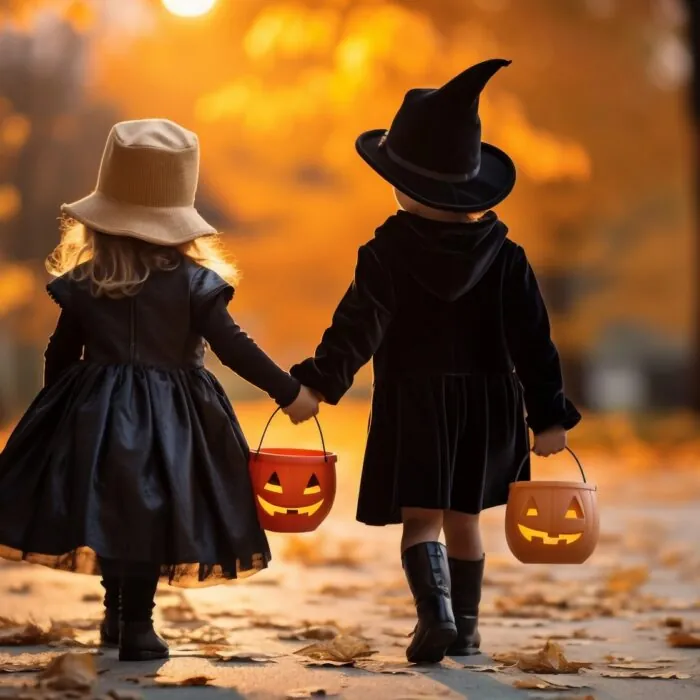
Let’s be clear: Samain has given way today to a more modern version of its festival: Halloween. And in Ireland, this somewhat special day is an opportunity for children to roam the streets in costumes with one goal: to ask neighbors for sweets!
So goodbye to past traditions: welcome a much more commercial and down-to-earth celebration!
On Halloween night, it is above all about scaring oneself, carving Jack ‘O’Lanterns from pumpkins, partying, and especially showering children with all kinds of candies.
You understand: Halloween in Ireland is meant to be cool and festive. But certainly very different from the original Samain.