Emerald Park
Do you like theme parks? We look forward to seeing you at Tayto Park in County Meath, Ireland. A magical place, with…


 Tourist attractions
 Irish Restaurants and Pubs
 Partner Accommodations
 Campgrounds and Lodging
Do you like theme parks? We look forward to seeing you at Tayto Park in County Meath, Ireland. A magical place, with…
In a verdant bend of the Boyne, an immense white mound stands out against the landscape of County Meath. Beneath this almost…
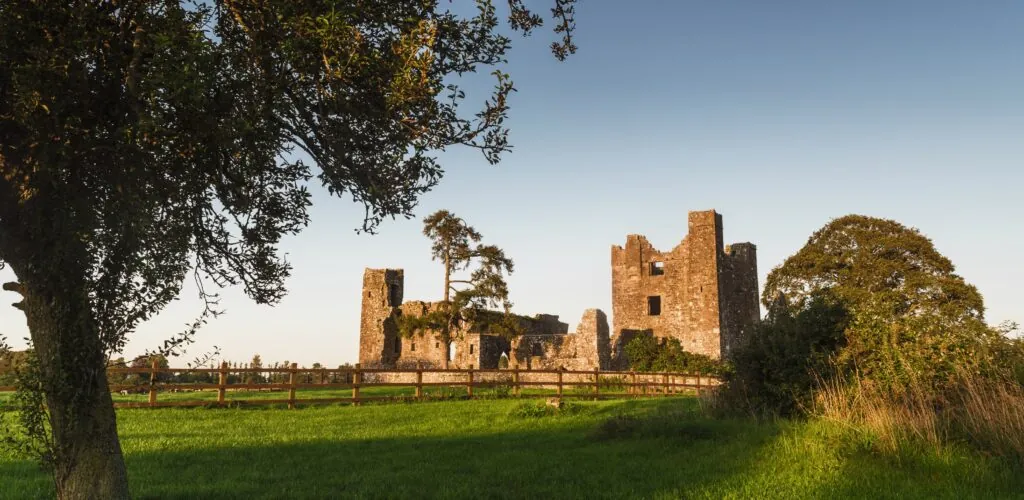
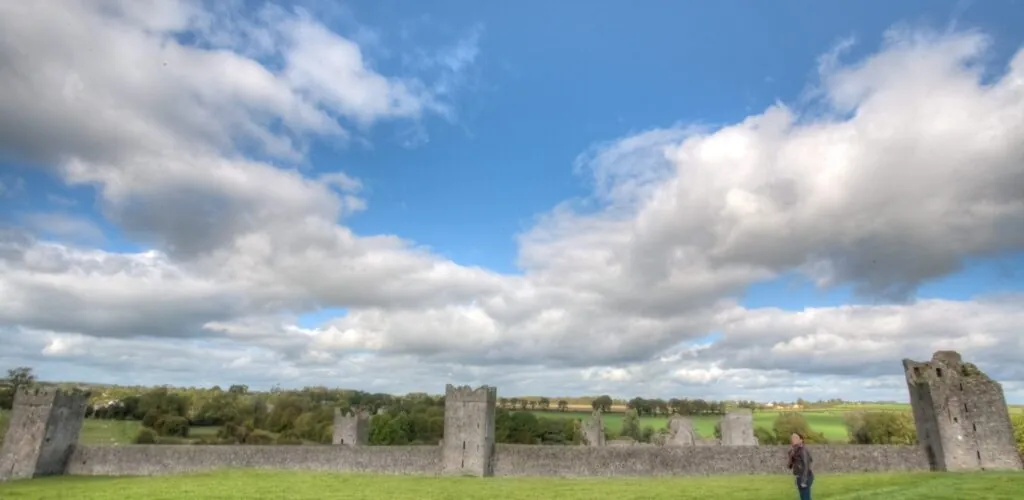
Bective abbey (mainistir Bleightí in Irish Gaelic) is an Irish Cistercian abbey in County Meath, Ireland. Built in 1147, it’s one of…
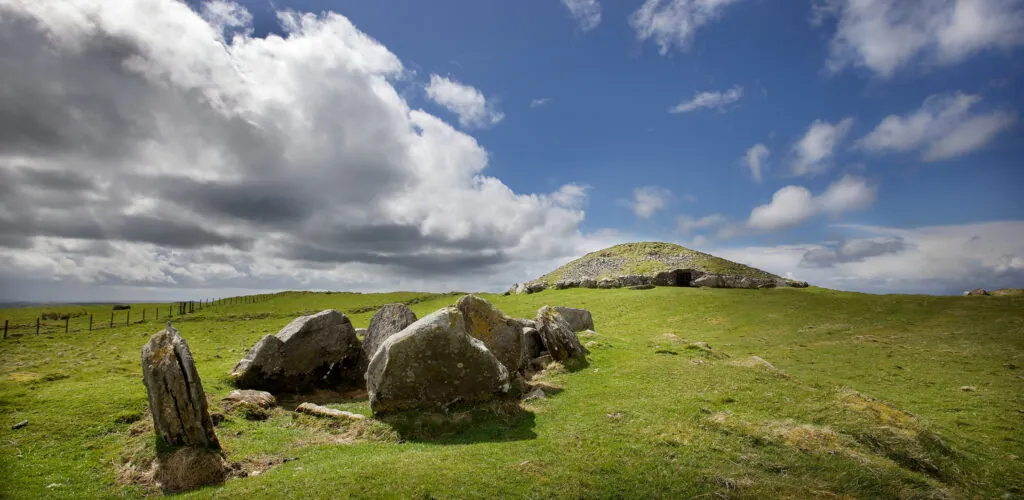
A few kilometres from Oldcastle, in County Meath, the Loughcrew Cairns form one of Ireland’s most fascinating prehistoric landscapes. Built more than…
Discover the ancient capital of Celtic Ireland: Tara. Situated on a hill in County Meath, it was occupied by Ireland's highest rulers.…
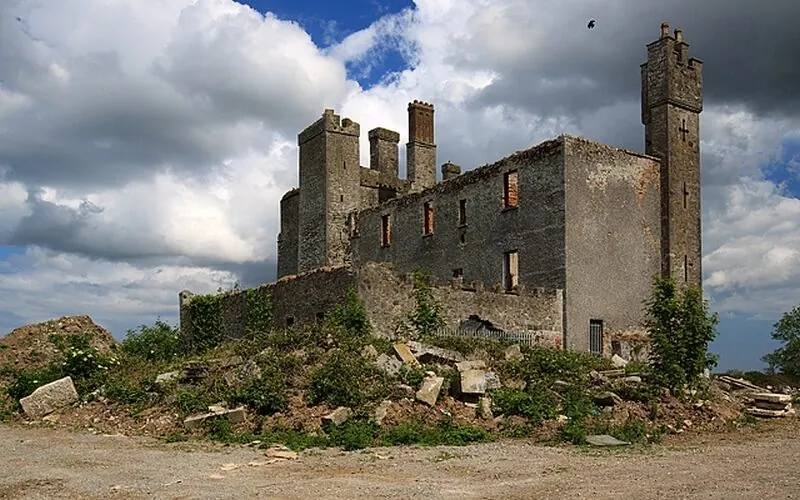
If you love haunted castles steeped in history and mystery, then don't miss Athcarne Castle, a County Meath castle of dark and…
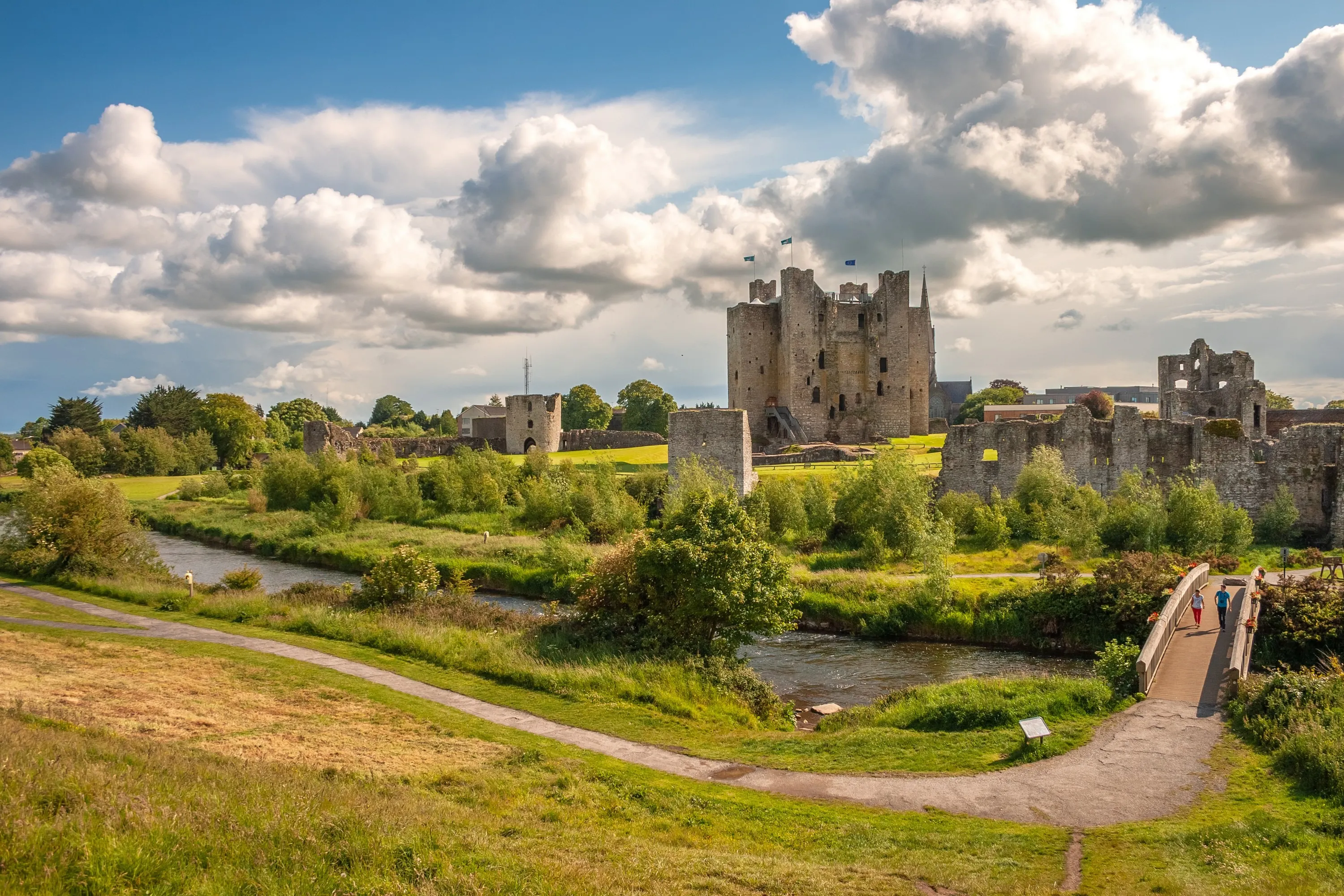
Trim Castle is undoubtedly one of Ireland's most impressive castles! This magnificent building has a charm all of its own, taking you…
Knowth is a prehistoric archaeological site, thought to belong to the Brú na Bóinne complex in County Meath. Dating from the Neolithic…
Kells Abbey is famous for being the site of the famous "Book of Kells" manuscript, a masterpiece of medieval calligraphy and illumination.…
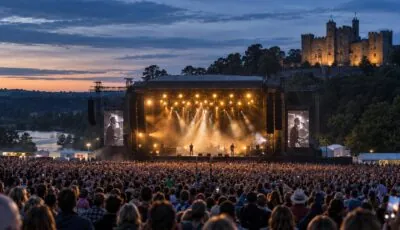
Overlooking a bend in the Boyne, Slane Castle cuts a silhouette that encapsulates several sides of Ireland. The estate has been an…
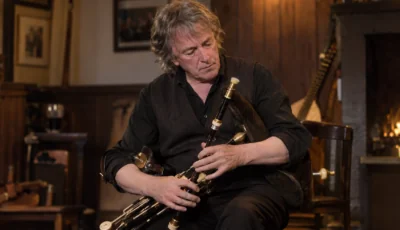
Pierce Brosnan is undoubtedly one of Ireland's most famous actors! With his role as James Bond, he's a true legend!
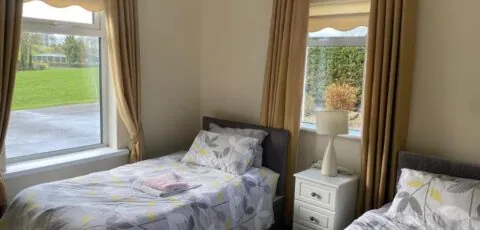
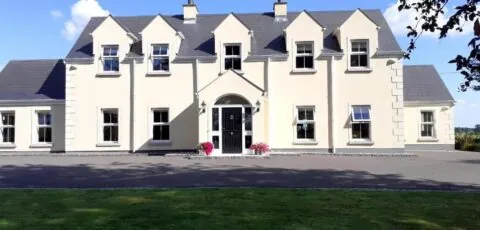
Find a comfortable place to stay and make the most of your trip to Ireland.
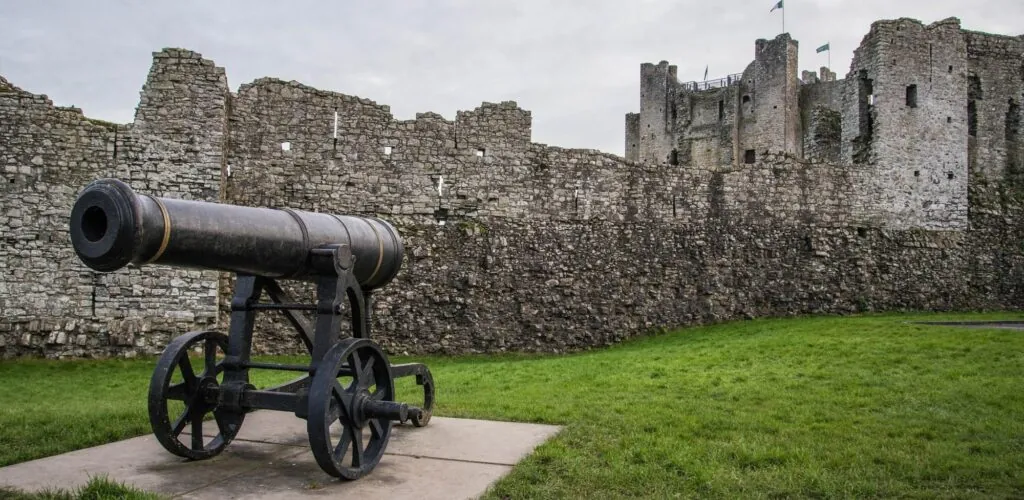
One look at the walls of Trim Castle is enough to understand their evocative power. Narrow openings, the bulk of the keep…
County Meath (An Mhí in Irish) extends north-west of Dublin, at the heart of one of Ireland’s richest historical regions. Nicknamed the Royal County, it brings together, within a relatively compact area, agricultural landscapes crossed by the Boyne, major Neolithic sites, former centres of Gaelic power, monasteries and several of the most spectacular remains from the Anglo-Norman period.
Meath is above all associated with the Boyne Valley and Brú na Bóinne, a UNESCO World Heritage Site comprising Newgrange, Knowth and Dowth. But the county is not limited to Newgrange: the Hill of Tara, Trim and its imposing castle, Kells, Bective Abbey, and the rural landscapes around the Boyne offer a journey through several millennia of Irish history over relatively short distances.
Meath belongs to the province of Leinster and borders, among others, the counties of Dublin, Louth, Cavan, Westmeath, Offaly, Kildare and Monaghan. Its proximity to the capital makes it an easy destination to include in a trip to Ireland: some sites can be explored on a day trip from Dublin, but two or three days provide a better understanding of the region’s historical coherence and connect its different landscapes.
Navan is the administrative county town and Meath’s main town. Trim, Kells, Ashbourne and several smaller towns structure a largely rural area, marked by the valleys of the Boyne and the Blackwater and by extensive farmland.
The nickname Royal County refers to the region’s historical importance and particularly to Tara, traditionally associated with Ireland’s high kings. This royal identity should not, however, obscure Meath’s chronological depth: some of its best-known monuments predate the Gaelic kingdoms, and even the pyramids of Giza, by several millennia.
The Boyne flows through the east of the county before continuing towards Drogheda and the Irish Sea. Its valley forms one of the country’s great historical landscapes. Prehistoric sites, places associated with mythological traditions, monastic settlements, medieval fortresses and battlefields follow one another here, explaining Meath’s central place on the Ireland’s Ancient East visitor trail.
For travellers, this concentration is particularly valuable: rather than viewing Newgrange, Tara, Trim or Kells as isolated attractions, Meath makes it possible to understand how different periods of Irish history have been inscribed within the same territory.
The Boyne Valley visitor area also extends beyond Meath’s administrative boundaries into southern County Louth. Not all sites associated with the Boyne Valley are therefore in Meath, a useful distinction when planning an itinerary.
Brú na Bóinne is the county’s most prestigious archaeological site. Listed as a UNESCO World Heritage Site since 1993, this prehistoric complex is organised around the major monuments of Newgrange, Knowth and Dowth, alongside numerous archaeological structures scattered across the Boyne landscape.
The main monuments date back to the Neolithic period, several centuries before Egypt’s great pyramids. Newgrange is particularly famous for its passage and inner chamber, illuminated by the rising sun around the winter solstice thanks to the monument’s carefully designed alignment.
The importance of Brú na Bóinne goes beyond this astronomical phenomenon, however. The complex represents one of Europe’s most significant concentrations of prehistoric megalithic art and bears witness to societies capable of mobilising considerable resources to build monuments with complex ritual and funerary functions.
This significance justifies spending time at the site rather than treating it as a simple photographic stop. Access to Newgrange and Knowth is organised from the Brú na Bóinne Visitor Centre, and visiting arrangements should be checked before travelling, especially during busy periods.
Around twenty kilometres from Brú na Bóinne, the Hill of Tara offers a very different experience. Here, heritage is read less in a spectacular monument than in a vast archaeological landscape made up of earthworks, enclosures and monuments built or reused during different periods.
Tara is traditionally associated with the kingship of Meath and with the figure of Ireland’s high kings. The site held major political and symbolic importance in ancient Ireland, although the image of a capital where all the “kings of Ireland” supposedly ruled in succession simplifies a much more complex historical reality.
Above all, a visit helps to understand the symbolic dimension of the territory. From Tara’s heights, the view stretches far across the surrounding plains: the landscape itself contributes to the interpretation of the site and helps explain why this hill has retained such importance in Irish history and imagination.
Trim represents the county’s other great historical period. The town preserves a remarkable medieval ensemble dominated by Trim Castle, a vast Anglo-Norman fortress established on the banks of the Boyne from the late 12th century.
The castle bears witness to the political transformation of the territory after the arrival of the Anglo-Normans in Ireland. Other elements of Trim’s medieval landscape survive around it: religious remains, old gates, towers and historic spaces make it possible to understand the town beyond the fortress alone.
Trim is therefore an excellent complement to Tara and Brú na Bóinne. Within a few dozen kilometres, visitors move from the Neolithic period to traditions of Gaelic kingship, and then to Anglo-Norman Ireland. It is precisely this succession of eras that makes Meath one of the country’s most interesting counties for history enthusiasts.
In the north-west of the county, Kells retains an important medieval religious heritage. The town is closely associated with the monastic community of Saint Colmcille and the celebrated Book of Kells, although the manuscript is now kept at Trinity College Dublin.
A round tower, high crosses and St Colmcille’s House still testify to the importance of the monastic centre. Kells thus provides an opportunity to explore a different period in Meath’s history: that of the great religious foundations which were places of worship, learning and artistic production.
Other sites add to this understanding of the county’s religious and medieval heritage. Bective Abbey, set in the Boyne Valley near Trim, preserves the ruins of a Cistercian abbey founded in the 12th century. More broadly, churches, monastic ruins and old graveyards punctuate the Meath countryside and recall the exceptional density of its heritage.
Meath’s landscape is less dramatic than the mountains of Kerry or the coasts of Donegal, but it plays an essential role in the county’s identity. Farmland, river valleys and country roads form the setting for its historic sites.
This relatively gentle terrain makes itineraries combining heritage and walks easy. The Boyne and its tributaries structure much of the area, while the towns of Navan, Trim and Kells provide practical bases for exploring the county.
Meath also has family attractions and contemporary activities that complement its historical heritage. It is therefore possible to create a more varied stay than a succession of archaeological sites, especially when travelling with children.
Dublin’s proximity makes Meath particularly accessible, but it sometimes encourages overly rushed schedules. For a first visit, one day may be enough to combine two major sites; trying to cover Newgrange, Tara, Trim and Kells on the same day, however, leaves little time to understand each of them.
A two-day itinerary is more balanced. The first day can be devoted to Brú na Bóinne and the Hill of Tara, to explore prehistory and traditions associated with Irish kingship. The second can take in Trim, Bective Abbey and possibly Kells to discover medieval and monastic heritage.
A car offers the greatest freedom for linking these different sites, especially those in the countryside. Navan occupies a central position, while Trim is an appealing base for a stay more focused on heritage. Dublin’s proximity also makes it easy to combine Meath with the capital or neighbouring County Louth.
More than a simple excursion around Newgrange, Meath deserves to be considered a coherent historical territory. Few Irish counties allow visitors to move so quickly from a five-thousand-year-old ceremonial landscape to a royal hill, an Anglo-Norman fortified town and a former monastic centre.