Geological formations in Ireland
Giant’s Causeway
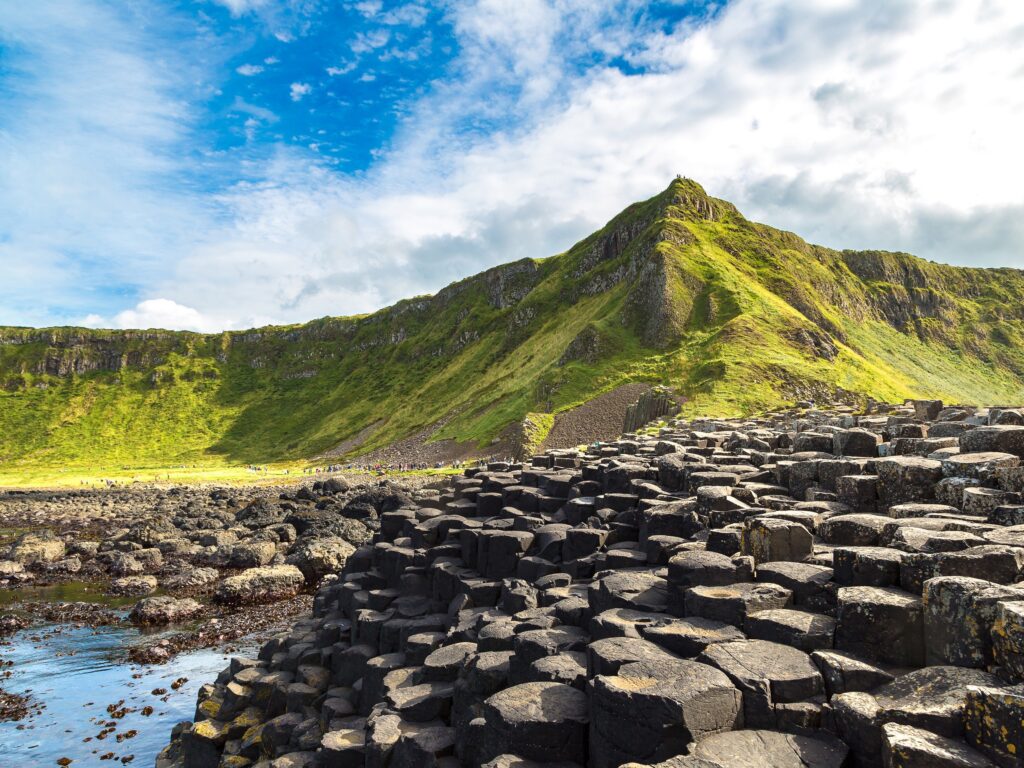
The Giant’s Causeway, known in Irish as Clochán an Aifir, is one of Northern Ireland’s most spectacular landscapes. Located on the County…


 Tourist attractions
 Irish Restaurants and Pubs
 Partner Accommodations
 Campgrounds and Lodging
Geological formations in Ireland
The Giant’s Causeway, known in Irish as Clochán an Aifir, is one of Northern Ireland’s most spectacular landscapes. Located on the County…
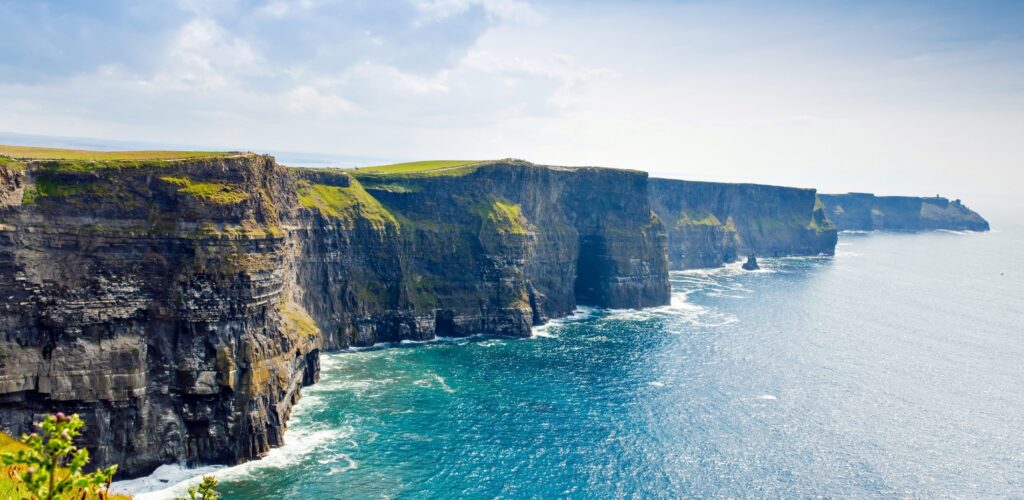
Vertiginous, wild and battered by the Atlantic, the Cliffs of Moher are among Ireland’s most famous landscapes. Located on the west coast…
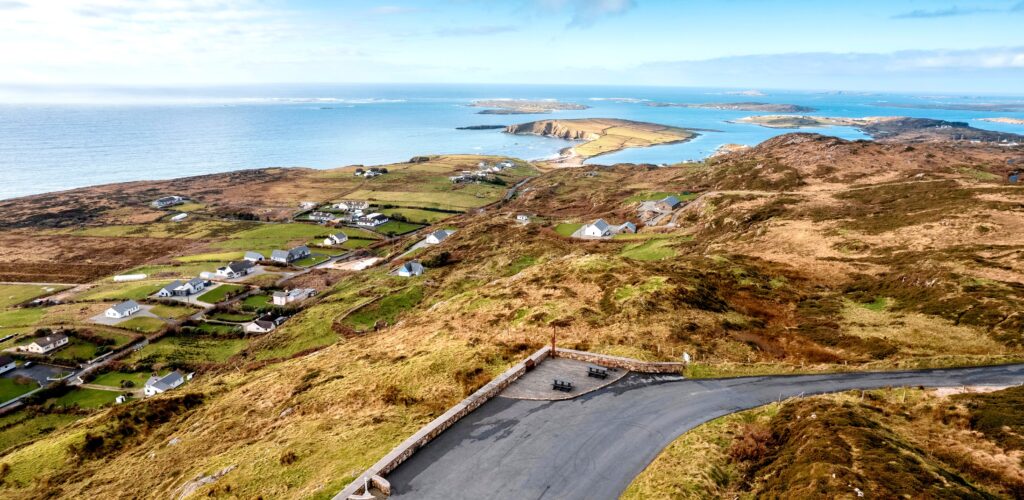
West of Clifden, the Sky Road forms a spectacular loop between the hills of Connemara and the Atlantic Ocean. Over roughly 16…
Recognisable by its white silhouette and delicate arches, the Ha’penny Bridge is one of Dublin’s most iconic landmarks. This pedestrian footbridge spans…
Built on the shores of Lough Pollacapall, amid the wild landscapes of Connemara, Kylemore Castle seems to sit between water, woodland and…
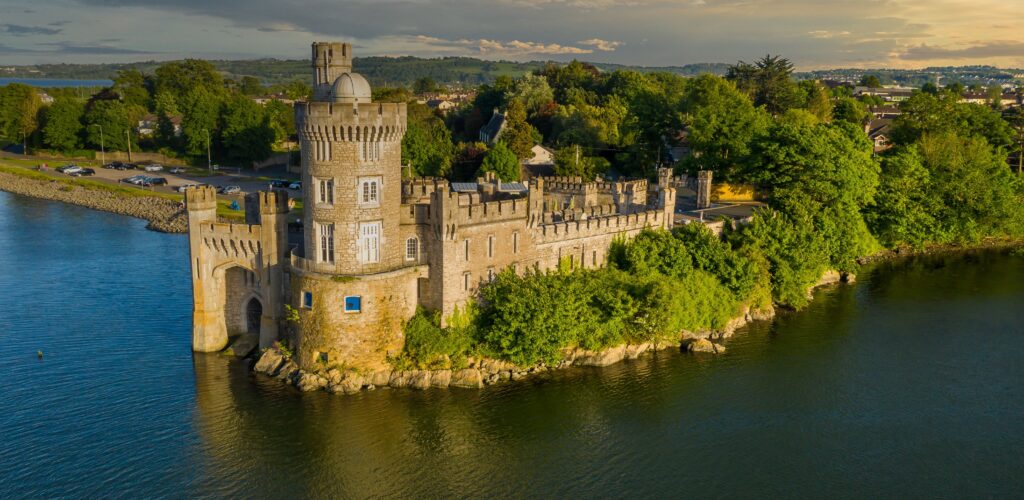
Blackrock Castle Observatory is a magnificent Irish castle built on the banks of the River Lee in Cork. Today, it is a…
Want to explore Connemara on foot? Don’t hesitate to take the Connemara Way, a 78-kilometer circuit that starts in Oughterard in County…
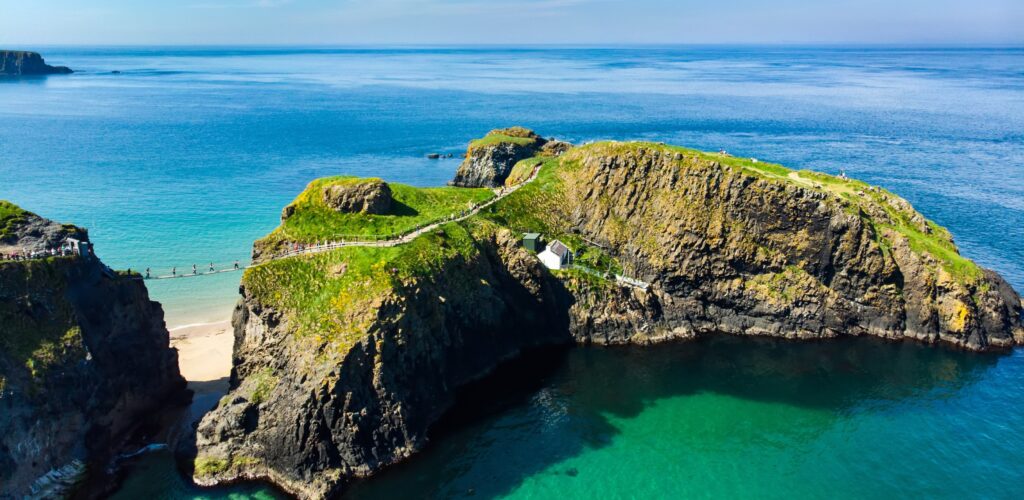
Suspended almost 30 metres above the Atlantic, Carrick-a-Rede Rope Bridge links the cliffs of County Antrim to a small rocky island once…
If you’ve ever wondered where to go to experience a real fairy tale (or maybe even a spooky legend), look no further…
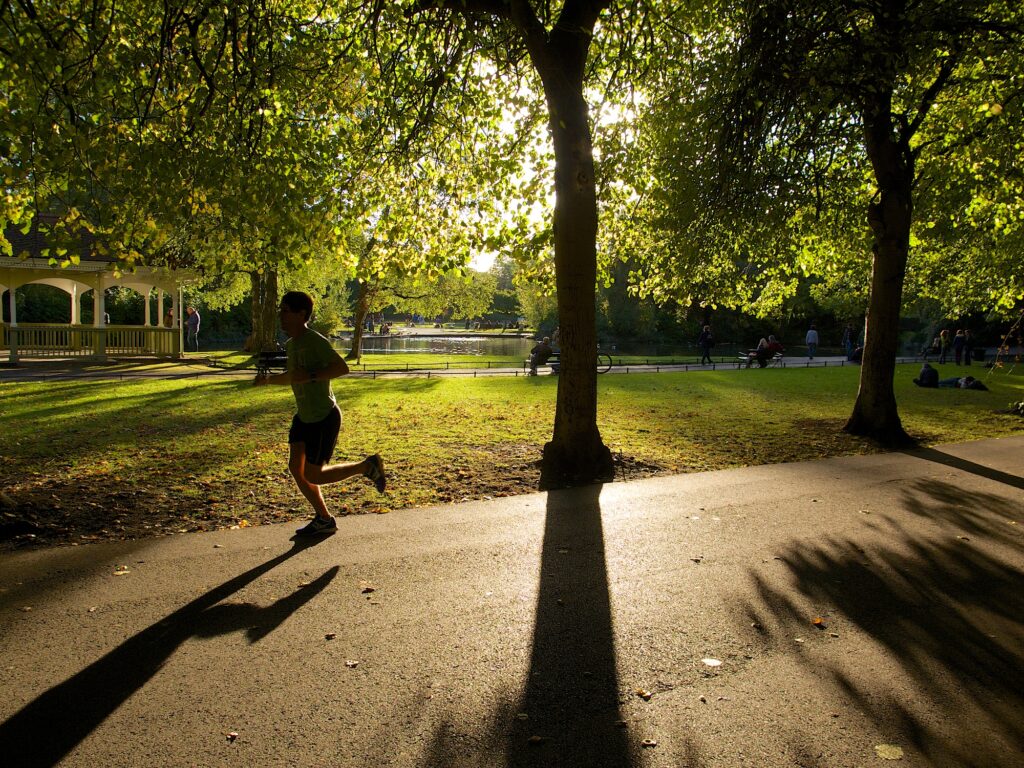
Behind the gates of St Stephen’s Green, Dublin’s bustle seems suddenly to fade away. Buses, passers-by and the shopfronts of Grafton Street…
Discover the fascinating life of Thomas Francis Meagher, the Irish hero whose commitment to freedom left its mark on Irish and American history.
Find a comfortable place to stay and make the most of your trip to Ireland.

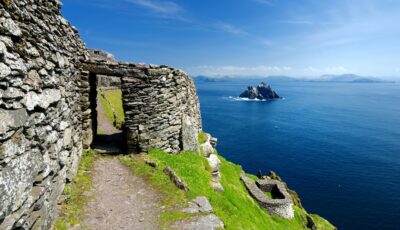
The famous wild Irish island of Skellig Michael will reopen to visitors starting May 14, 2022. This announcement was made by the…
A beach between two headlands, a road curving around a bay, then mountains rising behind the pastures: the Iveragh Peninsula brings together some of Kerry’s most striking scenery. The Ring of Kerry reveals part of it, but the area deserves more than a drive around the circuit. Its villages, walking trails, islands and coastal detours can easily fill several days. To make the most of your visit, choose a few areas and allow time to explore them: driving a scenic loop and discovering a peninsula are two different experiences.
Iveragh lies in south-west Ireland, between Dingle Bay and Kenmare Bay. Its terrain adds depth to the sea views: the mountains remain a constant presence even along the coast. Inland, the MacGillycuddy’s Reeks offer a different landscape to explore, with routes that require suitable preparation. You can still appreciate the scenery from a road or viewpoint without always aiming for a summit.
The Ring of Kerry provides a useful framework for a first visit. However, stops, attractions and minor roads can quickly fill the day. Choose a few places where you can get out and walk rather than stringing together a long succession of photo stops. With several nights, you can spend one day in the south, another in the west and save a mountain outing for favourable weather.
Kenmare and Killarney are convenient gateways, but they are not the only possible bases. Sneem, Waterville, Caherciveen and the Portmagee area place you closer to other landscapes. Compare the location of each accommodation option with your main activities: a boat departure point, beach or walking trail may take longer than expected to reach from the other side of the peninsula.
For the evenings, check whether you can eat in the village or at your accommodation. A secluded house may be appealing for a quiet stay, but it means extra driving if you want to dine out every night. With children, being close to a short walk or beach may matter more than having a central location on the map. Staying in the same accommodation for several nights also makes it easier to change plans when the weather turns.
Choose walks according to the terrain, duration and experience of your group. A coastal stroll, a section of the Kerry Way and an ascent in the Reeks involve very different levels of difficulty. Carrauntoohil, Ireland’s highest mountain, requires thorough preparation; presenting it as an outing suitable for every walker would be misleading. If you are new to the area, choose a suitable waymarked route rather than attempting an unplanned ascent of a summit spotted from the road.
The beaches offer another way to experience the coast, with time to walk, watch the changing light or enjoy a picnic. If you plan to swim, follow local guidance and check the conditions that day: the scenery alone tells you nothing about currents or swell. Keep children close near the water and cliffs. A day by the sea can be rewarding without covering long distances or planning a demanding activity.
Valentia Island, linked to the mainland by a bridge near Portmagee, fits easily into a day in the west of the peninsula. Choose a few places to explore on the island, then allow time for the neighbouring coastline. The Skellig Ring provides an additional scenic drive. It makes more sense to group these outings geographically than to add them to the end of an already packed circuit.
A trip to the Skelligs requires separate planning. Distinguish between a boat trip with no landing and a visit to Skellig Michael, where access is seasonal, regulated and dependent on sea conditions. Little Skellig is not an island where visitors can simply disembark and walk around. Book the type of trip you want, check its requirements and keep an alternative plan in case of cancellation.
One day is enough for a selective first look by road. With three or four nights, you can spend more time in the villages, enjoy an outdoor activity and explore the west of the peninsula. The best pace depends on your interests, whether walking, heritage, the sea or relaxation. Do not add a major excursion simply because it is famous; first check that it suits your transport options and ability level.
If a boat trip is important to you, stay in an area with easy access to the departure point and keep your plans flexible. If walking is your priority, choose accommodation near your selected routes. During high season, book accommodation and popular activities well in advance. Planning a meal in the right place can avoid an unnecessary return journey between outings; a picnic can also simplify a day in a more remote area.
When driving, allow generous journey times: traffic, narrow roads and stops all affect how long the trip actually takes. Park only in designated places and keep access routes clear. A beautiful view is no reason to stop in the middle of the road. A more enjoyable day includes fewer stops and more time to leave the car, walk and have lunch.
Without a car, plan your stay around the transport links that are actually available and any excursions you have booked. Reaching a town or village does not guarantee access to a secluded beach or the start of a walking route. Pack clothing suited to wind and rain, as well as walking shoes. Shorter days outside the main season also mean starting outings early and checking opening times before setting off.