Geological formations in Ireland
Giant’s Causeway
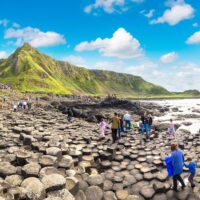
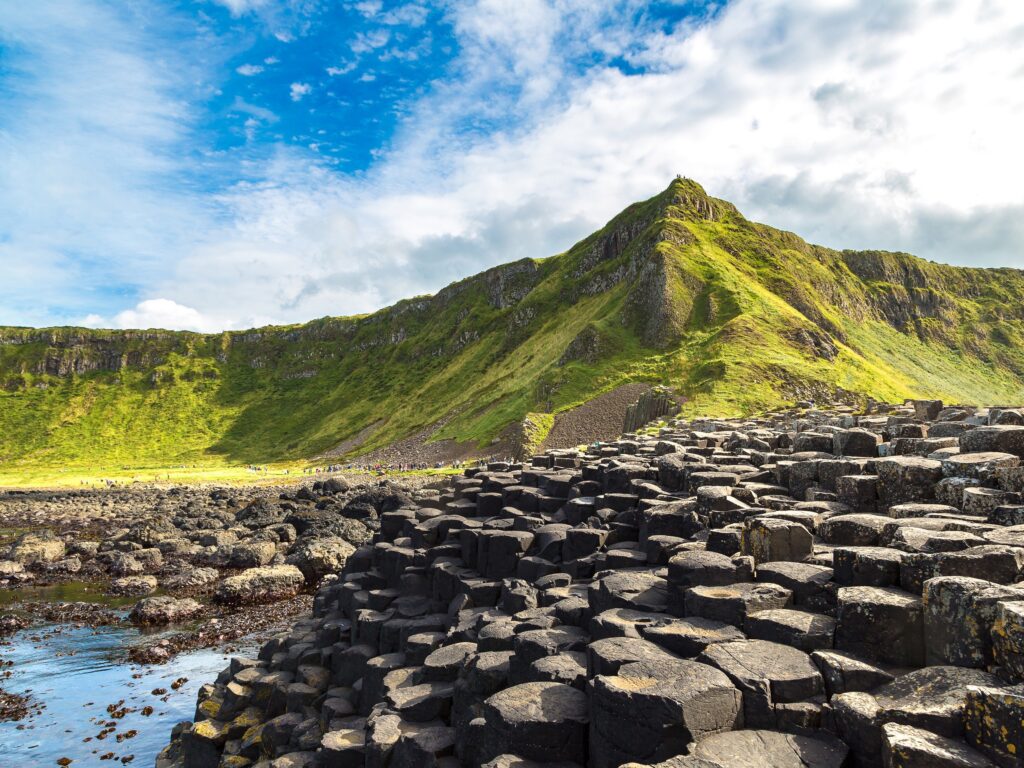
The Giant’s Causeway, known in Irish as Clochán an Aifir, is one of Northern Ireland’s most spectacular landscapes. Located on the County…


 Tourist attractions
 Irish Restaurants and Pubs
 Partner Accommodations
 Campgrounds and Lodging
Geological formations in Ireland
The Giant’s Causeway, known in Irish as Clochán an Aifir, is one of Northern Ireland’s most spectacular landscapes. Located on the County…
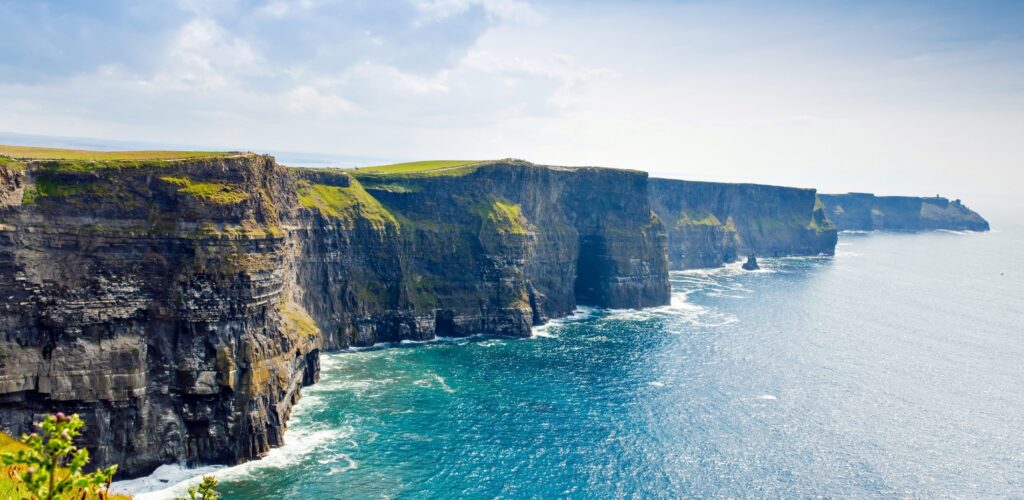
Vertiginous, wild and battered by the Atlantic, the Cliffs of Moher are among Ireland’s most famous landscapes. Located on the west coast…
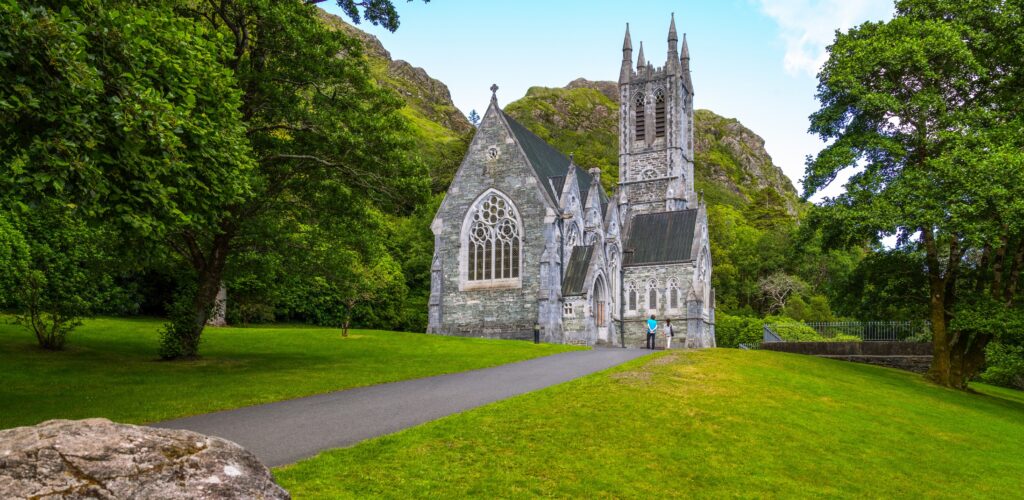
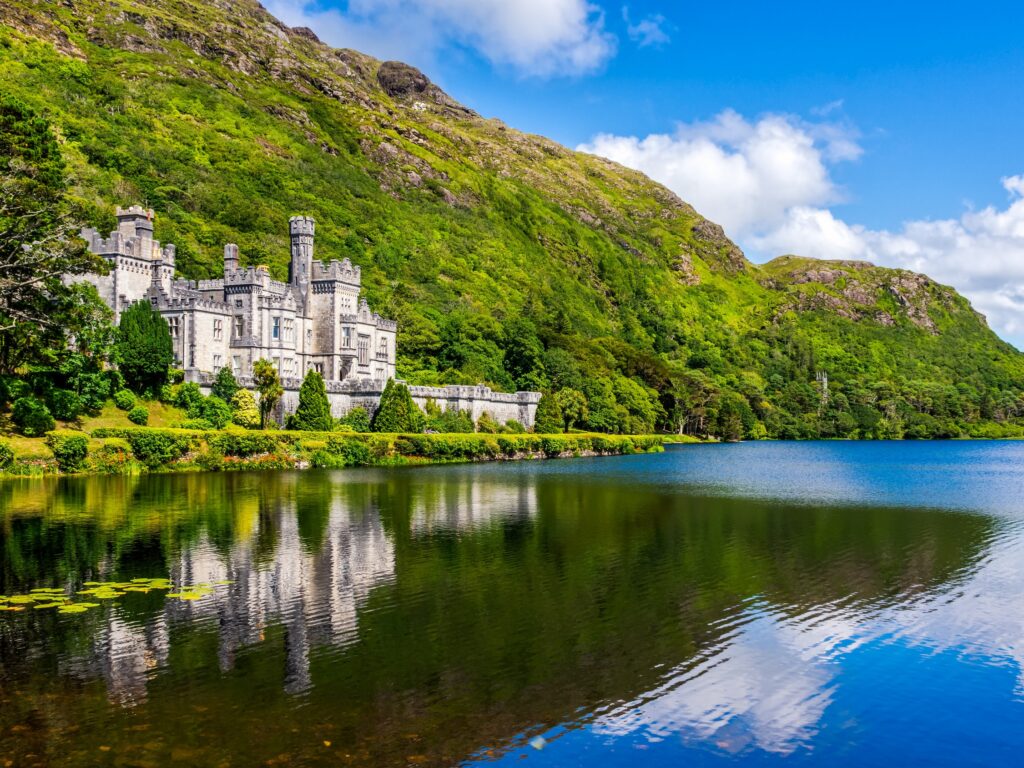
Kylemore Abbey is a Benedictine abbey based in the former Kylemore Castle in the heart of Connemara since 1920. The site remains…
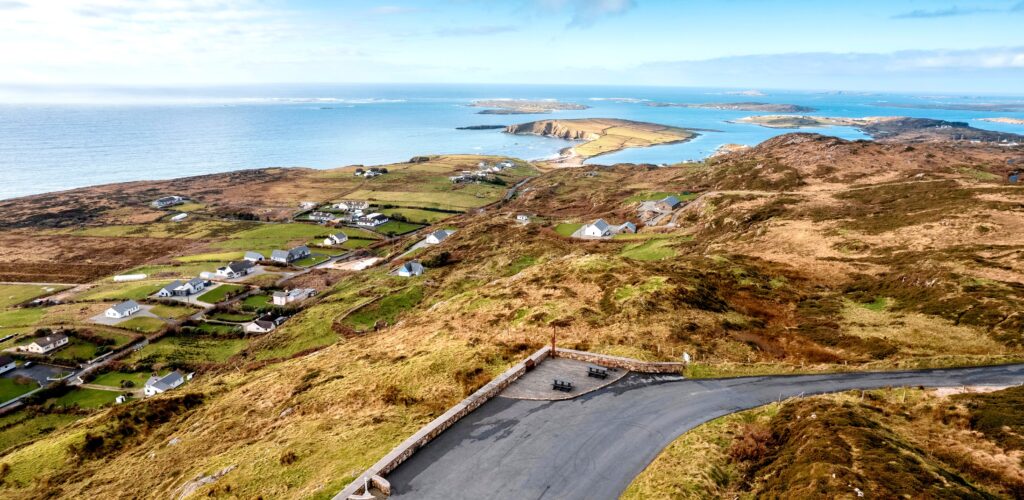
West of Clifden, the Sky Road forms a spectacular loop between the hills of Connemara and the Atlantic Ocean. Over roughly 16…
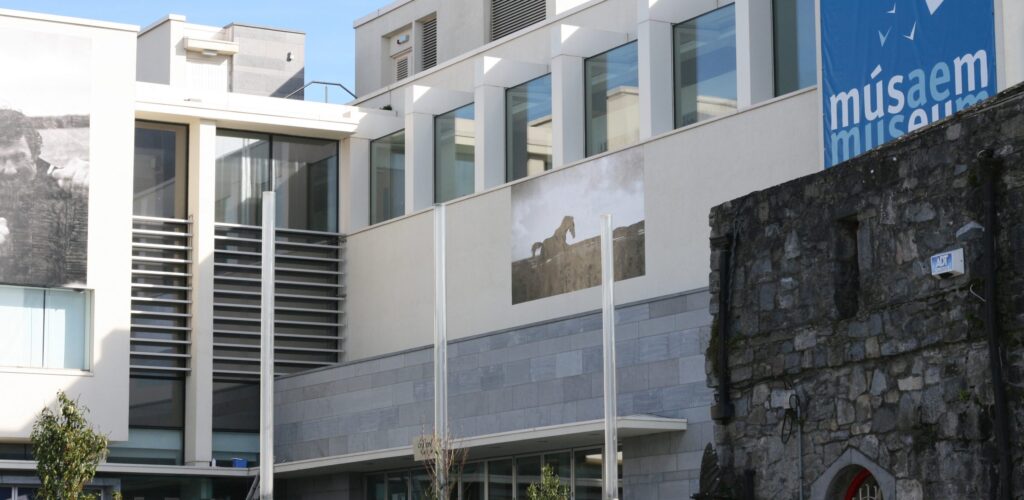
Set against the remains of the medieval city wall and overlooking the mouth of the Corrib, the Galway City Museum tells the…
Recognisable by its white silhouette and delicate arches, the Ha’penny Bridge is one of Dublin’s most iconic landmarks. This pedestrian footbridge spans…
Built on the shores of Lough Pollacapall, amid the wild landscapes of Connemara, Kylemore Castle seems to sit between water, woodland and…
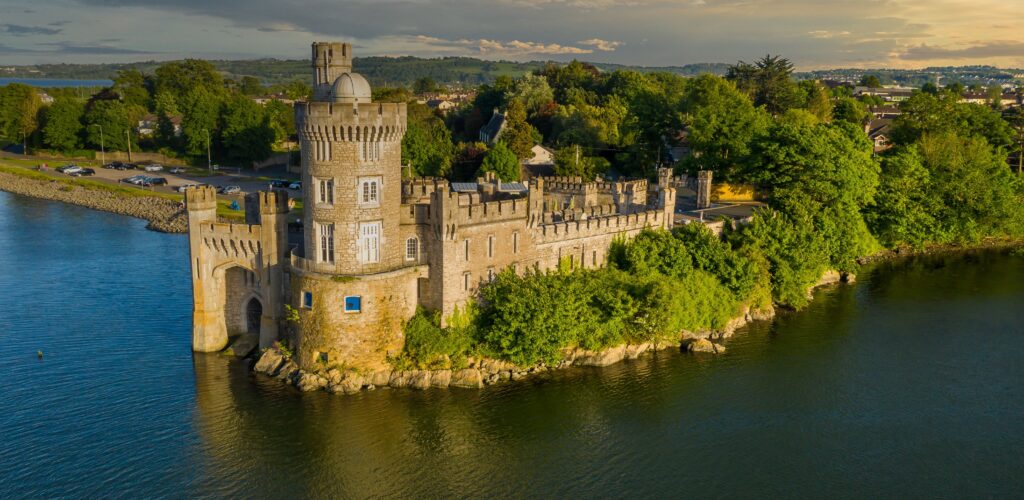
Blackrock Castle Observatory is a magnificent Irish castle built on the banks of the River Lee in Cork. Today, it is a…
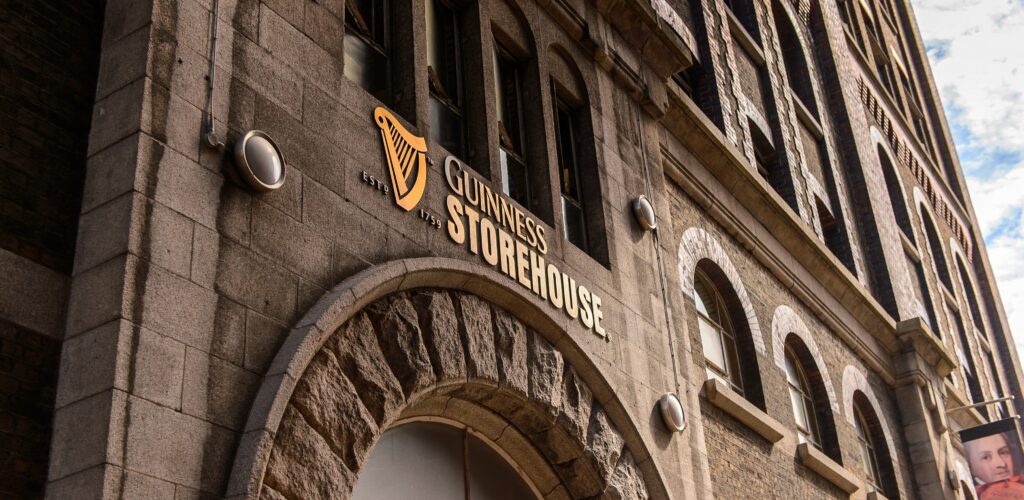
Located in the heart of the historic Liberties district, the Guinness Storehouse tells the story of Ireland’s most famous beer through seven…
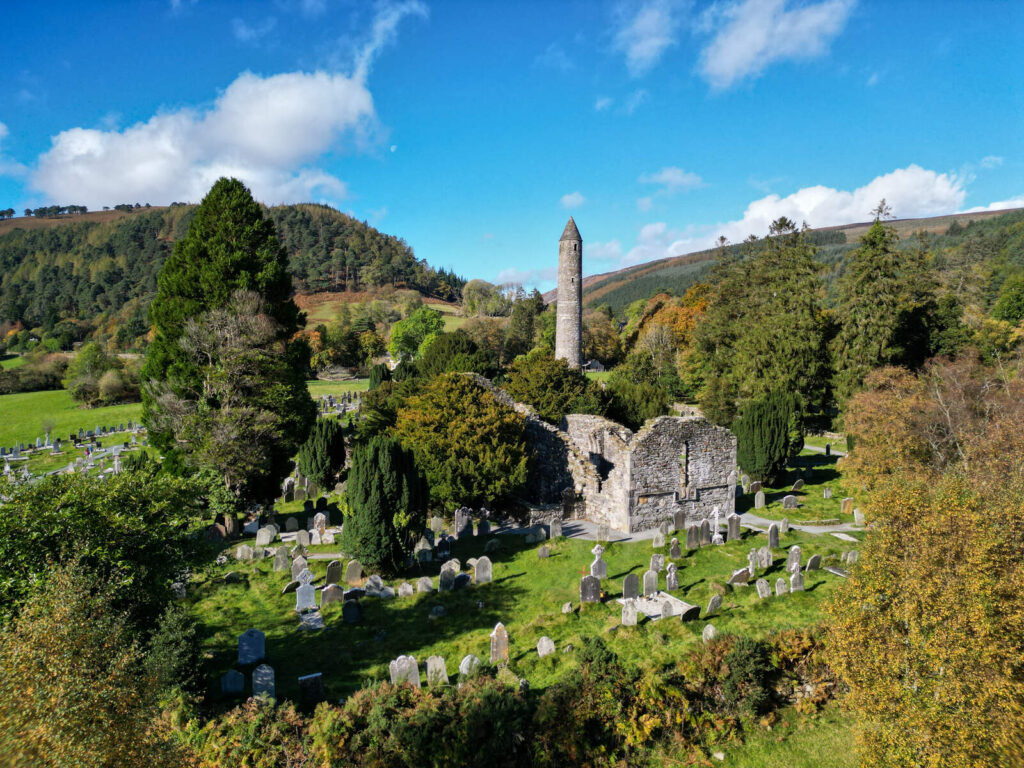
In a glacial valley in the Wicklow Mountains, a round tower rises above the trees and gravestones. Glendalough is home to the…
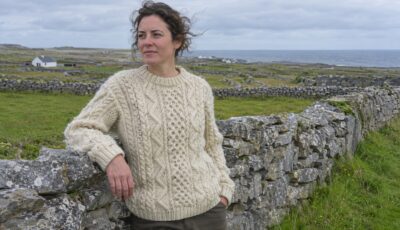
Did you know? The Aran Islands not only created the Irish sweater, but also pampooties, handcrafted leather shoes from the 1800s!
On Dublin’s doorstep, County Wicklow brings together mountains, glacial valleys, historic gardens and an Irish Sea coastline: an ideal area for combining nature, hiking and heritage.
Find a comfortable place to stay and make the most of your trip to Ireland.

Listen to A Rainy Night in Soho, then Bottle of Smoke. In the first, time seems to slow for the length of…
County Wicklow, Contae Chill Mhantáin in Irish, extends immediately south of Dublin, between the Irish Sea and a vast range of mountains, peat bogs and glacial valleys. Nicknamed the “Garden of Ireland”, it owes this reputation as much to its green landscapes as to its great estates and historic gardens. Its proximity to the capital should not, however, reduce it to a day trip: Wicklow is a destination in its own right, whose different areas offer markedly contrasting experiences.
The centre of the county is dominated by the Wicklow Mountains and Glendalough, while the north combines uplands, historic estates and coastal towns near Dublin. To the west, the landscape opens out around Blessington and the agricultural lands of Leinster. The eastern coast links Bray, Greystones, Wicklow Town, Brittas Bay and Arklow. This diversity explains why Wicklow is equally suited to hiking, road trips, nature breaks and getaways combining heritage and coastline.
Wicklow belongs to the province of Leinster and covers just over 2,000 km². The county had a population of 155,851 in the 2022 census, but its population is distributed very unevenly: the north and the coast are more integrated into Dublin’s sphere of influence, while the mountainous centre and parts of the west retain a much more rural character.
This geography should guide the planning of a stay. Distances may appear short on a map, but roads crossing the range are often winding and scenic stops are numerous. It is therefore better to plan by area rather than try to link Bray, Glendalough, Sally Gap, Blessington and the south of the county on the same day.
For a first visit, three areas are particularly easy to distinguish: north Wicklow around Bray, Greystones and Enniskerry; the mountainous heartland around Glendalough, Laragh and the scenic roads; and finally the coast and countryside of the centre and south, from Wicklow Town to Arklow and towards the west of the county.
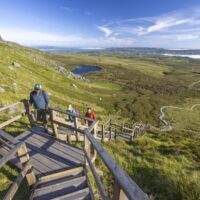
The Wicklow Mountains form the geographical backbone of the county. Heathland, peat bogs, glacial valleys, lakes and rounded summits create an immediately recognisable landscape, all the more remarkable because it begins a short distance from Dublin.
A large part of this territory is protected within Wicklow Mountains National Park. The range includes Lugnaquilla, Wicklow’s highest point at 925 metres, as well as Djouce, Tonelagee and many other hills crossed by hiking routes.
Guide-Irlande has dedicated content on the Wicklow Mountains, several summits, lakes, waterfalls and trails. The purpose of this page is therefore not to detail their routes. At county level, the essential point is to understand that the range both separates and links several areas: Dublin to the north, the coast to the east, Blessington to the west, and the valleys of the centre and south.
The weather also plays a decisive role. Fog, rain and wind can quickly change conditions, while peat bogs make some terrain difficult away from maintained paths. This factor should be included in any itinerary, even in mountains of modest altitude.
Glendalough is the main visitor hub in the interior of the county. The “valley of the two lakes” combines a spectacular glacial landscape with one of the great monastic complexes of medieval Ireland, traditionally associated with Saint Kevin and a community founded in the 6th century.
Its fame sometimes makes it seem like a summary of Wicklow in itself. Yet Glendalough is best understood within its setting: Laragh, Glenmalure, the roads crossing the range and the various walking routes allow visitors to extend their exploration far beyond the monastic site.
The monuments, the history of the monastery and the various routes around the lakes have, or may have, dedicated pages. Here, Glendalough should above all be understood as an anchor point for combining heritage, hiking and discovery of the national park without concentrating an entire stay on a single attraction.
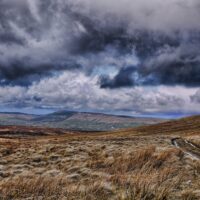
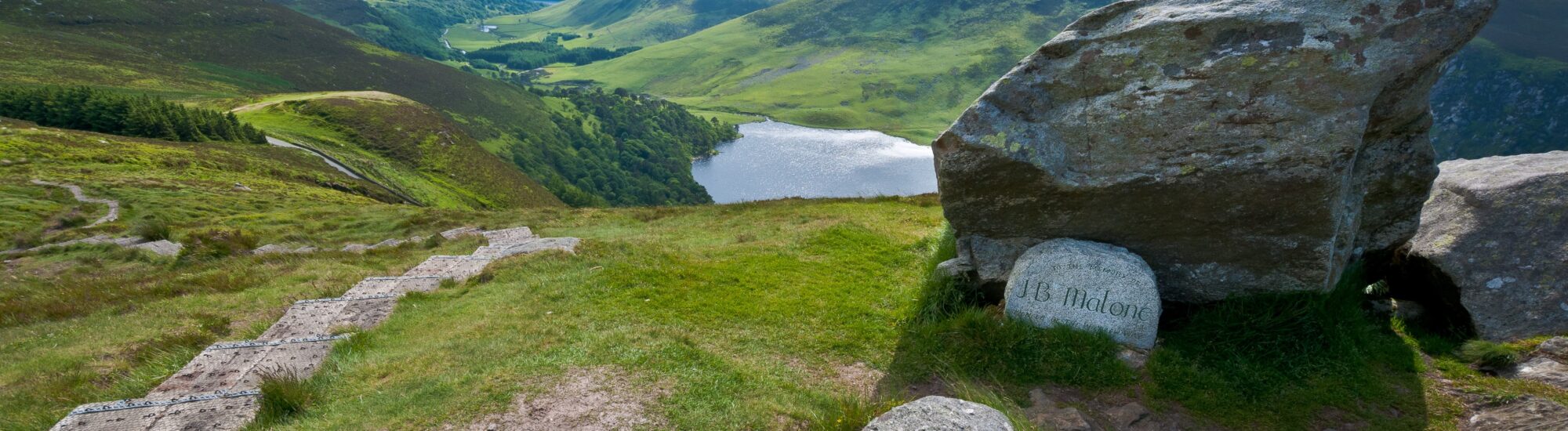
The roads in the centre of the county are an integral part of the experience. Sally Gap, the R115 and the Old Military Road cross open heathland and peat-bog landscapes that are very different from the countryside and coastline. Lough Tay, Glenmacnass and several valleys provide landmarks along these routes.
The appeal lies less in a succession of “spots” than in the continuity of the landscape. Allowing time to cross the range provides a better understanding of Wicklow’s identity and avoids an itinerary built solely around the best-known attractions.
These roads nevertheless require caution: reduced visibility, changeable weather, narrow carriageways and limited parking mean that stops should only be made in suitable areas. During busy periods, particularly around Glendalough and the main viewpoints, setting off early considerably improves the experience.
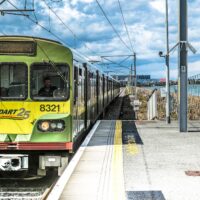
The north of the county is the area most directly connected to Dublin. Bray and Greystones extend along the Irish Sea and benefit from regular rail links with the capital. This accessibility gives them a different character from the inland villages and valleys.
Bray retains the heritage of a 19th-century seaside resort, while Greystones now combines a harbour, coast and lively town centre. These towns are interesting gateways to the uplands of north Wicklow rather than mere extensions of Dublin.
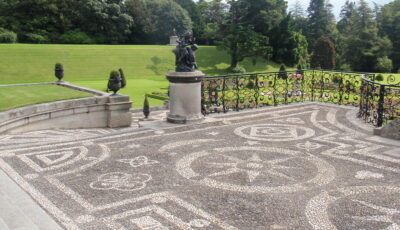
Further inland, Enniskerry lies close to Powerscourt and the first slopes of the range. The great estates and historic gardens fully contribute to the nickname “Garden of Ireland”. Powerscourt, Killruddery, Mount Usher and the Kilmacurragh Botanic Gardens testify to this tradition, each deserving further exploration in the relevant content rather than repetition here.
The mountains dominate Wicklow’s visitor image, but the coast forms its other major landscape unit. From Bray to Arklow, it alternates between towns, harbours, cliffs, beaches, dunes and wetlands.
Wicklow Town occupies a central position on this coast. The county’s administrative capital, it has its own harbour and heritage, while also serving as a practical base for exploring the surrounding beaches and countryside. Further south, Arklow retains an identity historically linked to the sea and the Avoca estuary.
Between the two, Brittas Bay is one of the county’s major seaside landscapes, with its beach and dune system. Other stretches of coast are more discreet and make it easy to alternate a day in the mountains with a walk by the sea.
This complementarity is one of Wicklow’s strengths: there is no need to choose between a coastal stay and a mountain stay, as the two worlds are separated by relatively modest distances.
West of the range, Wicklow changes character again. Blessington is one of the main centres in this part of the county and lies close to the vast Poulaphouca Reservoir, generally known as Blessington Lakes.
The landscape here is more open and agricultural than in the central valleys. Russborough House, the reservoir shores and the roads of West Wicklow make it possible to create an itinerary different from the classic circuits around Glendalough.
Further south-west, Baltinglass and the surrounding countryside open towards the Slaney Valley and the counties of Kildare and Carlow. Archaeological sites, religious heritage and small towns are more widely scattered here. This area is particularly suitable for travellers already familiar with Wicklow’s main sites or wishing to avoid the busiest areas.
Hiking is one of the best ways to understand the area. The county offers everything from short walks to demanding mountain routes and multi-day trails.
The Wicklow Way crosses a large part of the range before continuing into County Carlow. Other paths explore Glendalough, Glenmalure, forests, summits and the areas around Bray and Greystones. Guide-Irlande already has pages devoted to the Wicklow Way and numerous hikes: their distances, difficulty levels and routes should remain covered in this specialist content.
At county level, the main interest is in showing the diversity of possibilities. A single week can combine a high-level hike, a forest walk, a lakeside stroll and a coastal route. Conditions should nevertheless always be suited to walkers’ abilities and the day’s weather.
Wicklow’s landscape identity does not rest solely on wild nature. The county has a remarkable concentration of estates, gardens and parks where generations of owners and gardeners have made use of the relatively mild eastern climate and varied soils.
Powerscourt is the best known, but Mount Usher, Killruddery, Kilmacurragh, Russborough and Avondale show very different approaches to designed landscapes. Some favour formal compositions, others botanical collections, woodlands or large parks.
This aspect creates an interesting contrast with the peat bogs and mountains of the centre. It also makes it possible to adapt a stay when the weather makes the high mountains less favourable, without leaving the landscape world that characterises Wicklow.
The county’s historic heritage is not limited to Glendalough. Prehistoric sites, religious foundations, country houses, former mines, harbours and places associated with Irish rebellions are spread across several areas.
The 1798 rebellion particularly marked the mountains, where insurgents found refuge after the fighting. The construction of the Military Road in the early 19th century was a direct response to the difficulty faced by the British authorities in controlling the range.
Elsewhere, industrial and maritime history appears in the Avoca Valley, in Arklow and in former forest estates. Here again, the county page should serve as a general framework: events, figures and monuments have dedicated content when a detailed historical approach is needed.
Dublin’s proximity makes it possible to discover part of Wicklow in a day, but this format often encourages an itinerary heavily focused on Glendalough. Two or three days already provide a much fairer picture of the county.
For a first stay, one day can be devoted to the north and its gardens, another to the range and Glendalough, and a third to the coast or West Wicklow. Hiking enthusiasts can easily extend their stay, particularly around Laragh, Glenmalure or the different areas of the national park.
A car offers the greatest flexibility for crossing the mountains and reaching rural areas. However, it is not essential everywhere: Bray and Greystones are connected to Dublin by the DART, while several coastal towns have rail or road connections. Public transport becomes more limited once you want to link valleys, trailheads and scenic roads.
Wicklow works particularly well at the beginning or end of a trip to Ireland thanks to its proximity to Dublin. But viewing it solely as the capital’s hinterland would be reductive: between mountains, sea, gardens, valleys and western countryside, the “Garden of Ireland” has enough diversity to justify several days of travel in its own right.