Kylemore Abbey
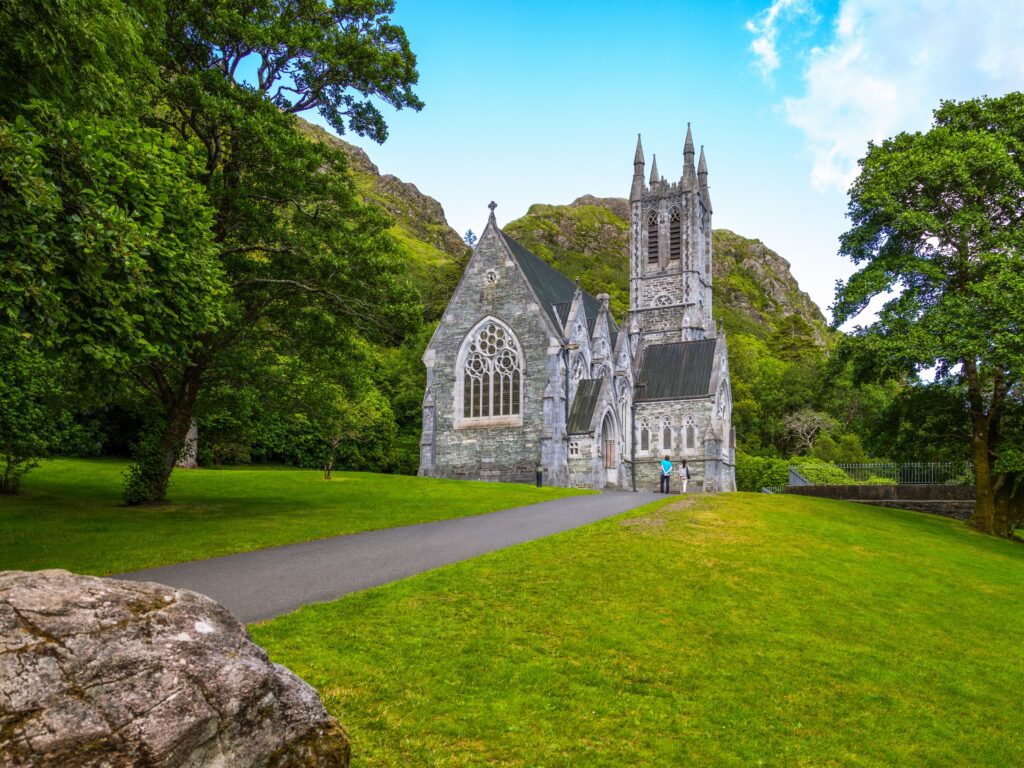
Kylemore Abbey is a Benedictine abbey based in the former Kylemore Castle in the heart of Connemara since 1920. The site remains…


 Tourist attractions
 Irish Restaurants and Pubs
 Partner Accommodations
 Campgrounds and Lodging
Kylemore Abbey is a Benedictine abbey based in the former Kylemore Castle in the heart of Connemara since 1920. The site remains…
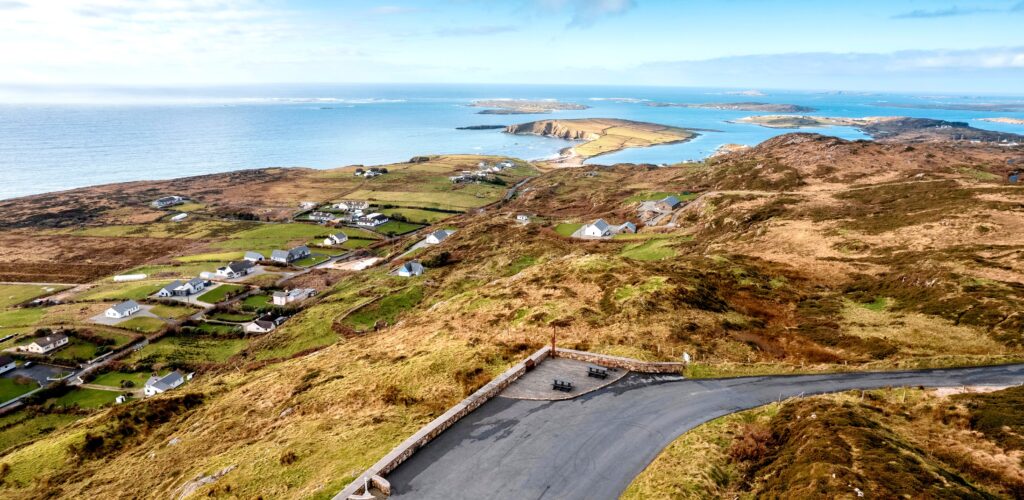
West of Clifden, the Sky Road forms a spectacular loop between the hills of Connemara and the Atlantic Ocean. Over roughly 16…
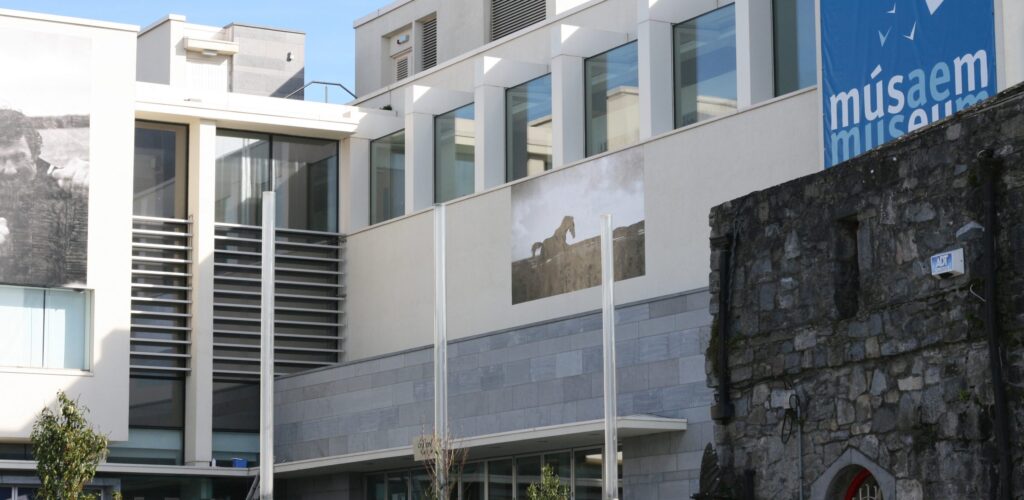
Set against the remains of the medieval city wall and overlooking the mouth of the Corrib, the Galway City Museum tells the…
Built on the shores of Lough Pollacapall, amid the wild landscapes of Connemara, Kylemore Castle seems to sit between water, woodland and…
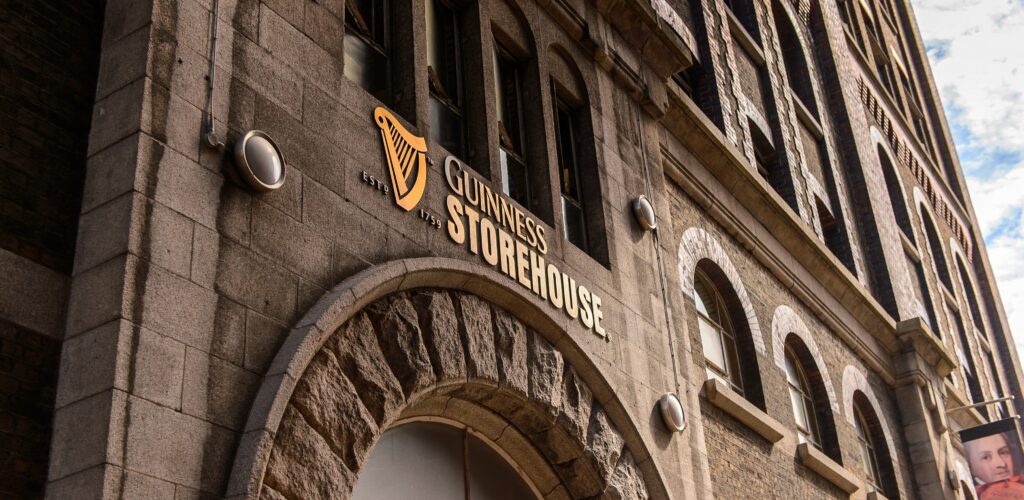
Located in the heart of the historic Liberties district, the Guinness Storehouse tells the story of Ireland’s most famous beer through seven…
Want to explore Connemara on foot? Don’t hesitate to take the Connemara Way, a 78-kilometer circuit that starts in Oughterard in County…
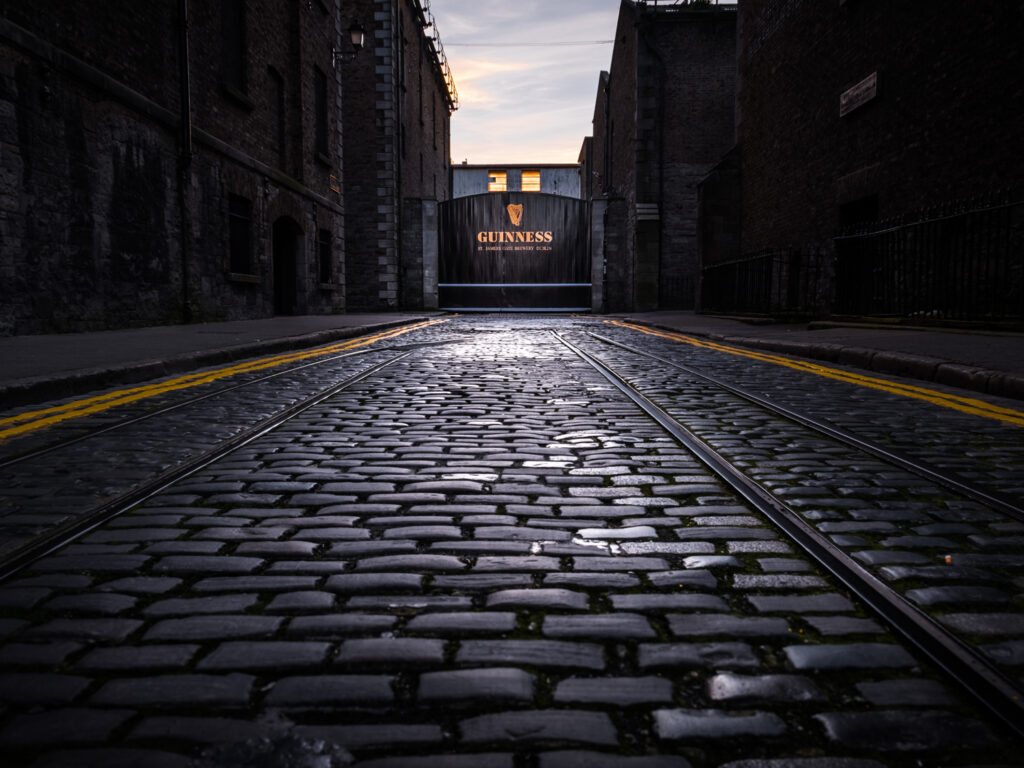
With its tall black pillars, gold lettering and instantly recognisable Guinness name, St James’s Gate is one of Dublin’s most photographed sights.…
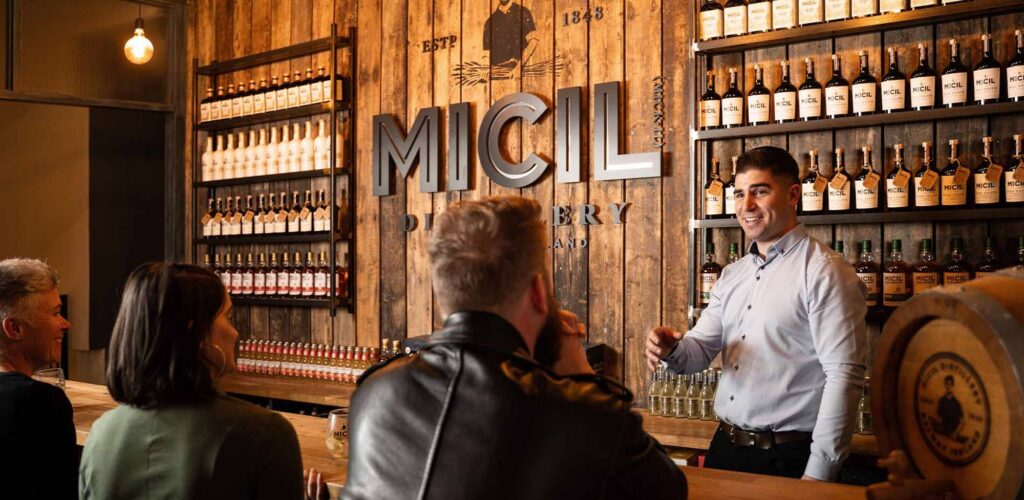
If you love family-run establishments and extraordinary spirits, then we invite you to visit Micil Distillery in Galway! This Irish distillery has…
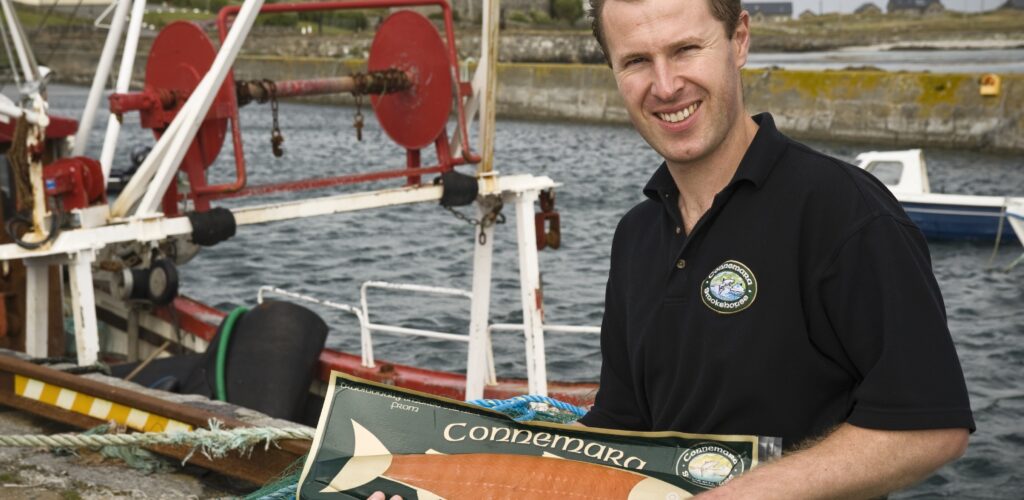
Overlooking the Atlantic, on Bunowen Pier near Ballyconneely, Connemara Smokehouse keeps a rare craft alive. Since 1979, the Roberts family has been…
Right in the heart of Dublin lies the recently opened Dublin Liberties Distillery, a whiskey distillery that opens its doors to the…
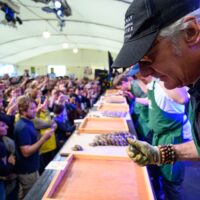
2026 edition: Friday 25 to Sunday 27 September. Friday 25 September: Oyster Trail, farm visits and the Irish Oyster Opening Championship. Timings vary by venue. Saturday 26 September: Oyster Trail, official brunch, Parade of Flags and World Oyster Opening Championship. Sunday 27 September: a family programme devoted to the ocean, sustainable aquaculture and discovering the coast. As the programme is spread across several Galway venues, check the time and address of each activity on the official website before your visit.
The Galway Hooker is a traditional Irish fishing boat, mainly used around Galway. Easy to recognize, it has a single mast, a main sail…
From Galway Bay to the mountains of Connemara, County Galway combines a cultural city, Gaeltacht, islands, lakes and sweeping Atlantic landscapes in one of the most varied areas of western Ireland.
 County Carlow
Discover
 County Clare
Discover
 County Cork
Discover
 County Donegal
Discover
 County Dublin
Discover
 County Galway
Discover
 County Kerry
Discover
 County Kildare
Discover
 County Kilkenny
Discover
 County Laois
Discover
 County Leitrim
Discover
 County Limerick
Discover
 County Longford
Discover
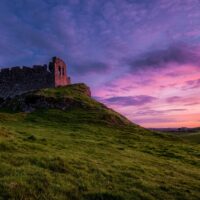 County Louth
Discover
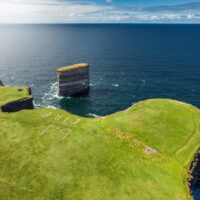 County Mayo
Discover
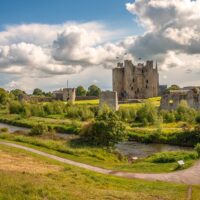 County Meath
Discover
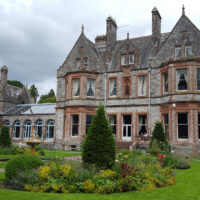 County Monaghan
Discover
 County of Cavan
Discover
 County Offaly
Discover
 County Roscommon
Discover
 County Sligo
Discover
 County Tipperary
Discover
 County Waterford
Discover
 County Westmeath
Discover
Find a comfortable place to stay and make the most of your trip to Ireland.
A new air link between Belfast and London is set to launch this autumn. From 25 October 2026, easyJet is due to…
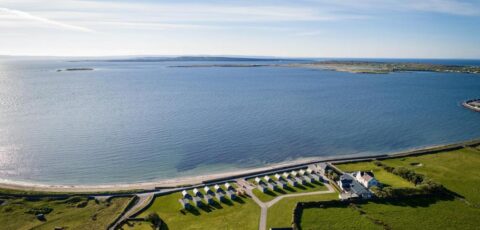
County Galway is one of the great regions of western Ireland. It brings together Galway City, the bay, the landscapes of Connemara, a significant Gaeltacht, the Aran Islands, Lough Corrib and much gentler countryside to the east. This diversity requires a regional approach: the county cannot be reduced either to its main city or to Connemara alone.
Galway had a population of 277,737 in the 2022 census, including Galway City. The city and county fall under separate local authorities, but naturally function as a single tourist area. Galway City is the main gateway; the landscapes of Connemara begin quickly to the west, while the east of the county opens out towards Athenry, Loughrea, Portumna and the Shannon.
This structure is important when planning a stay. Distances may seem modest, but Connemara’s roads, crossings to the islands and detours around the lakes lengthen journey times.
Galway City concentrates a large part of the cultural offering, transport and accommodation. Its historic centre, quays, festivals and nightlife justify a stay in their own right. Guide-Ireland already has many pages devoted to the city and its sites: this taxonomy should therefore not reproduce them.
At county level, Galway City primarily acts as a crossroads. It opens towards Connemara to the west, Lough Corrib to the north, the departure points for the Aran Islands and the eastern countryside.
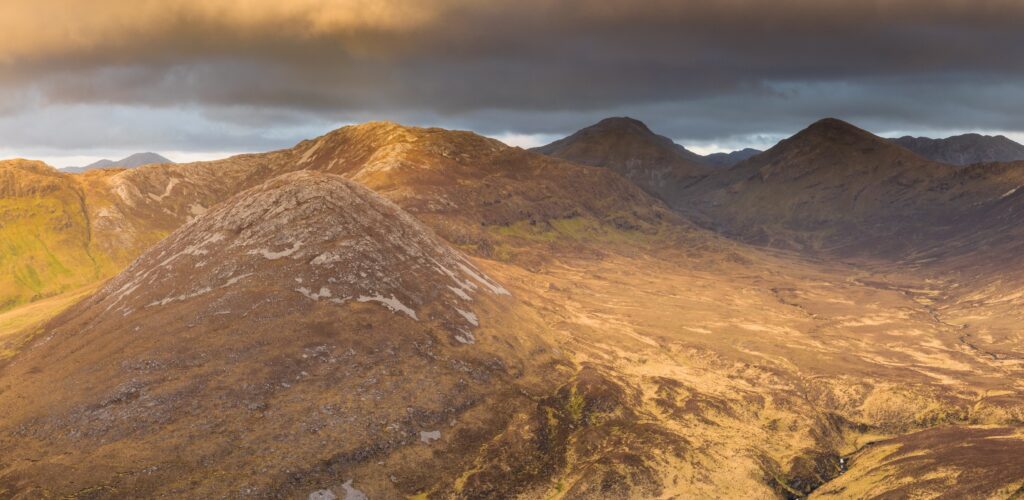
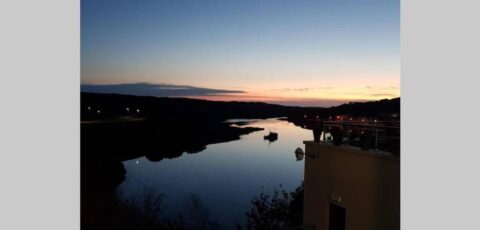
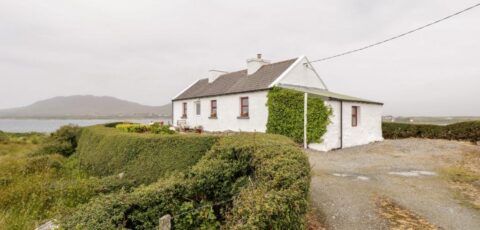
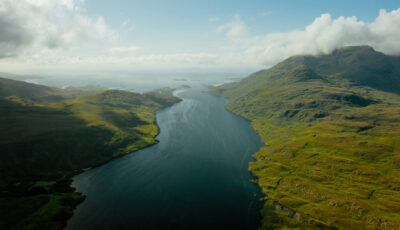
Connemara occupies a large part of western Galway. The Twelve Bens and Maumturks mountains, bogs, lakes, beaches and rocky coasts create a landscape very different from that of the east of the county. Clifden is its main tourist centre, while Roundstone, Letterfrack, Leenane and many small localities structure the area.
Connemara National Park, Kylemore, the Sky Road, beaches and hikes have their own search intent and should remain covered in dedicated content. Here, the aim is to show how these places fit into a wider region, where journeys and changing landscapes are part of the experience.
A large part of the west of the county belongs to the Gaeltacht. Irish is still used in several communities in Connemara and on the Aran Islands, with varying intensity depending on the locality. This linguistic dimension is not merely a folkloric element: it is expressed in education, media, signage, music and contemporary economic life.
It makes a major contribution to distinguishing western Galway from the county’s more urbanised or agricultural areas.
Inis Mór, Inis Meáin and Inis Oírr close off the entrance to Galway Bay. Their limestone landscape, archaeological heritage and island culture generally justify a full day, or even longer. Crossing arrangements and specific sites are covered in content devoted to the archipelago.
At county level, the islands above all help to understand the role of the bay and the cultural continuity between the Connemara coast, the neighbouring Burren and island communities.
Lough Corrib extends north of Galway City and shapes a large part of the county’s interior. Oughterard is one of the main eastern gateways to Connemara, while Cong lies on the border between Galway and Mayo.
The lake, its islands, its villages and the surrounding land offer a quieter side of the county. They also make it possible to create itineraries linking Galway with Mayo without systematically returning to the coast.
East of Galway City, mountains and bogs gradually give way to farmland, small historic towns and landscapes associated with the Shannon. Athenry retains important medieval heritage; Loughrea is organised around its lake; Portumna opens onto Lough Derg and the Shannon valley.
This part of the county receives fewer international visitors, but it is essential to understanding Galway as a complete area. It also forms a natural transition towards the Midlands, Clare and the Shannon.
For two or three days, Galway City can serve as a base for discovering the city and part of Connemara. From four or five days onwards, it becomes more worthwhile to plan an overnight stay in the west in order to limit back-and-forth journeys and add the Aran Islands, Lough Corrib or the east of the county.
A car remains the most flexible option for Connemara and rural areas. However, buses serve several towns and villages, while the islands require a sea crossing or a flight depending on the chosen itinerary.
The purpose of this page is therefore to provide an overview: Galway City, Connemara, the Gaeltacht, islands, lakes and the east of the county complement one another. Child pages can then explore each destination in greater depth without the taxonomy seeking to replace them.