The Guinness Storehouse
Located in the heart of the historic Liberties district, the Guinness Storehouse tells the story of Ireland’s most famous beer through seven…


 Tourist attractions
 Irish Restaurants and Pubs
 Partner Accommodations
 Campgrounds and Lodging
Located in the heart of the historic Liberties district, the Guinness Storehouse tells the story of Ireland’s most famous beer through seven…
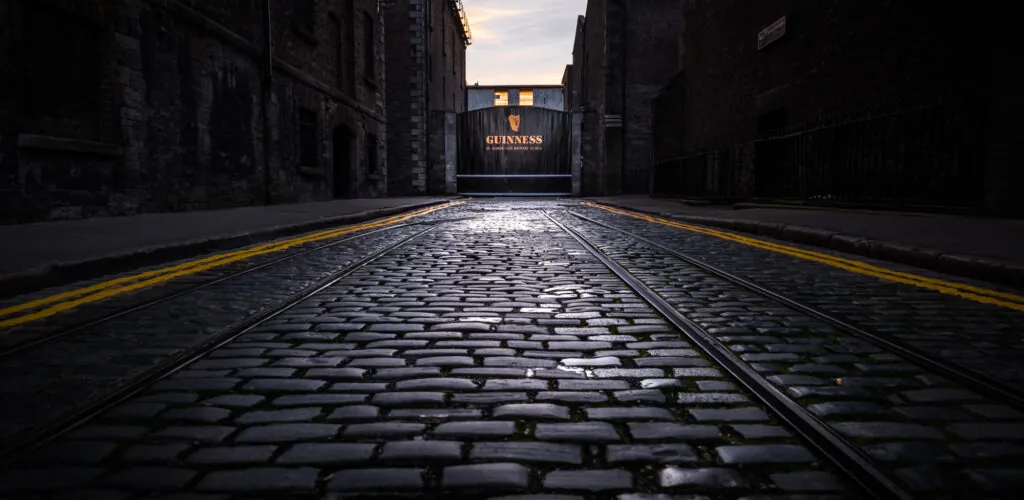
With its tall black pillars, gold lettering and instantly recognisable Guinness name, St James’s Gate is one of Dublin’s most photographed sights.…
Discover one of Ireland's most famous dolmens, the Poulnabrone dolmen! Located in County Clare, in south-west Ireland, in the heart of the…
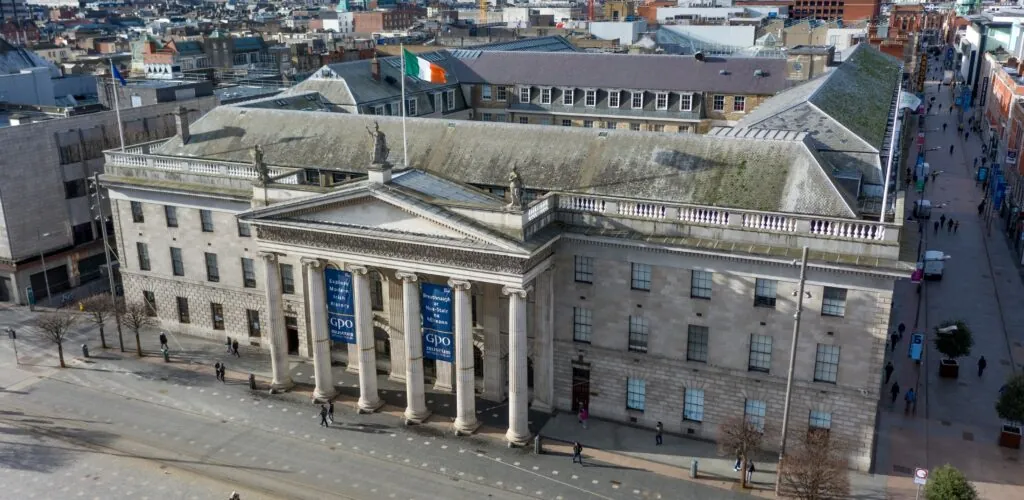
Six monumental columns dominate O’Connell Street. Bullet marks in their stone recall that, in April 1916, Dublin’s General Post Office was far…
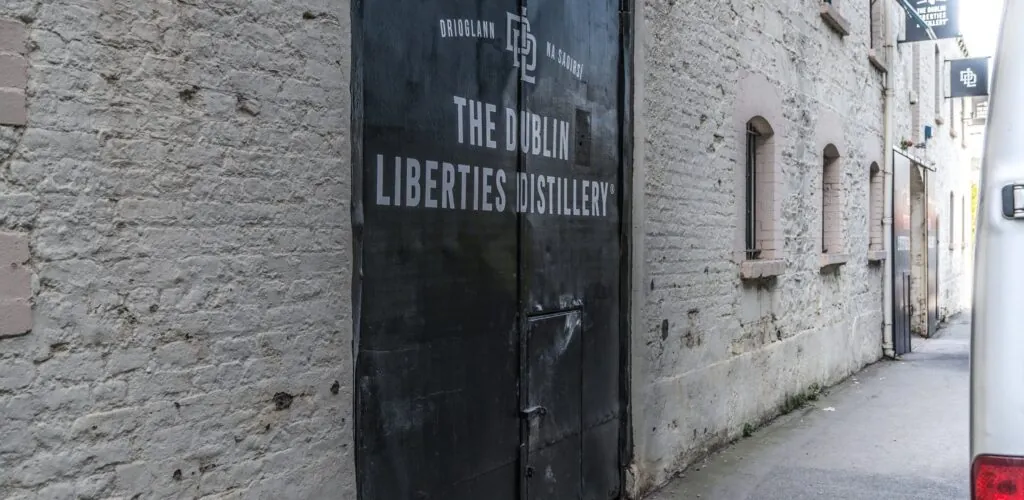
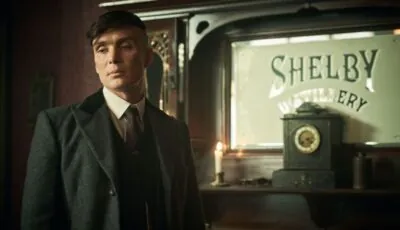
Right in the heart of Dublin lies the recently opened Dublin Liberties Distillery, a whiskey distillery that opens its doors to the…
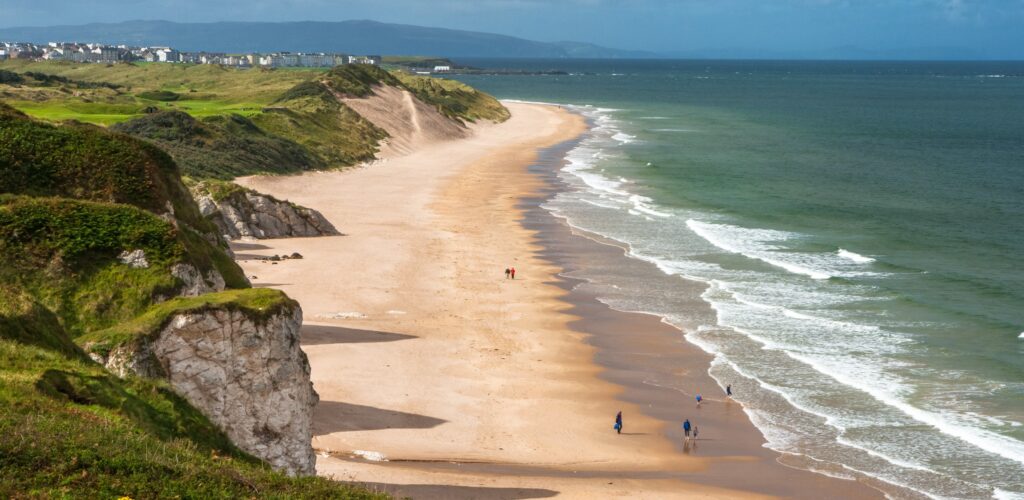
White Rocks Strand is a beach at Portrush in County Antrim, Northern Ireland. Its distinctive feature is its sparkling white rock cliffs,…
At the heart of Belfast, a green dome rises above the buses, shopfronts and constant bustle of Donegall Square. Belfast City Hall,…
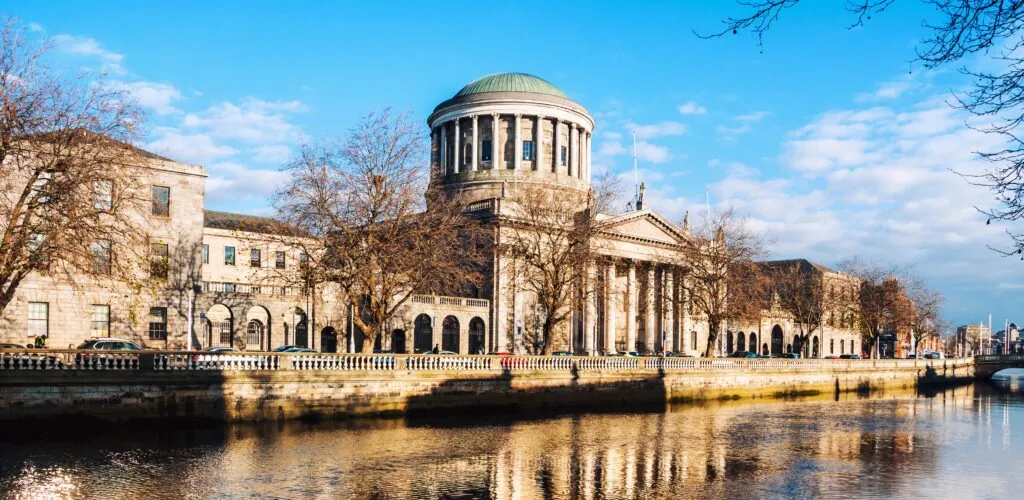
With its green dome, monumental portico and long façade facing the Liffey, Dublin’s Four Courts cut a striking figure in the heart…
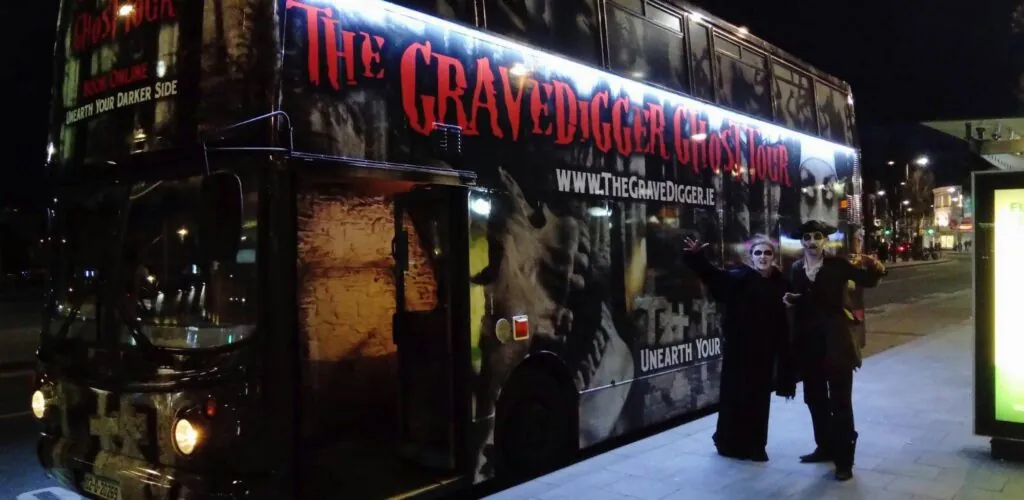
What if you went over to the dark side and explored Dublin’s scariest places? This is the challenge of the Gravedigger Ghost…
Blarney Castle is a must if you want to immerse yourself in Irish medieval history. Don't miss the gardens and the eloquence…
Robert Emmet (1778-1803) was an Irish nationalist who led a revolt against the British government in 1803, in order to emancipate Ireland from the…
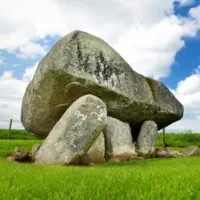 County Carlow
Discover
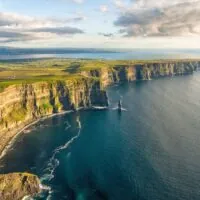 County Clare
Discover
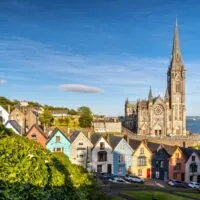 County Cork
Discover
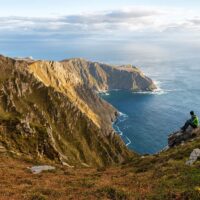 County Donegal
Discover
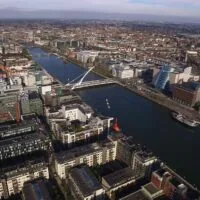 County Dublin
Discover
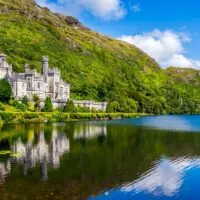 County Galway
Discover
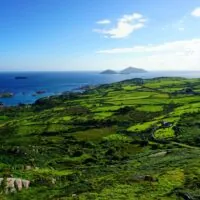 County Kerry
Discover
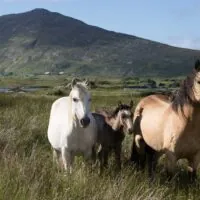 County Kildare
Discover
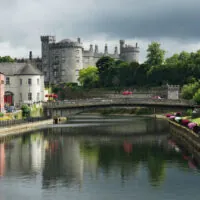 County Kilkenny
Discover
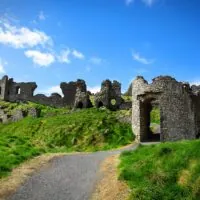 County Laois
Discover
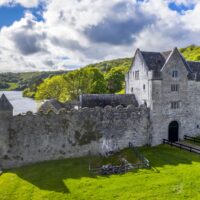 County Leitrim
Discover
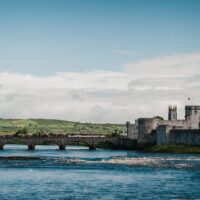 County Limerick
Discover
 County Longford
Discover
 County Louth
Discover
 County Mayo
Discover
 County Meath
Discover
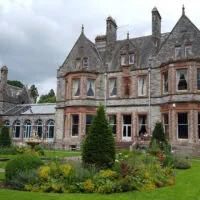 County Monaghan
Discover
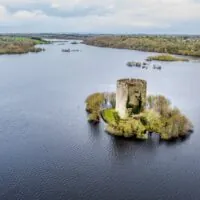 County of Cavan
Discover
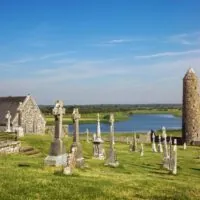 County Offaly
Discover
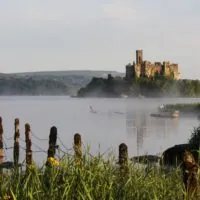 County Roscommon
Discover
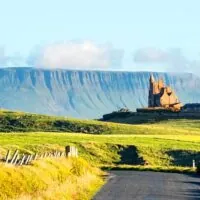 County Sligo
Discover
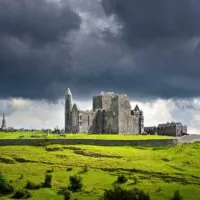 County Tipperary
Discover
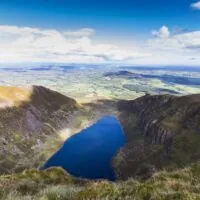 County Waterford
Discover
 County Westmeath
Discover
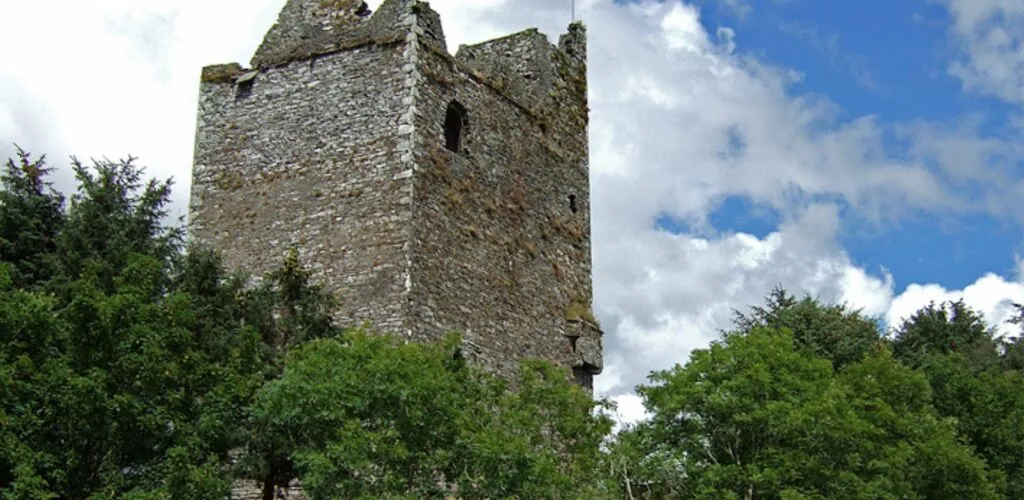
Nearly four centuries after it was made, one of County Cork’s most precious religious objects is symbolically returning to its home territory.…
Embark on a 100% nature experience exploring the breathtaking Mourne Gullion Strangford Geopark. This jewel in the heart of Northern Ireland was recently designated a UNESCO World Heritage Site, thanks to its blend of breathtaking scenery, rich biodiversity and fascinating geological formations dating back over 400 million years.
If you love wild, isolated landscapes that make you feel like you’re living alone away from the rest of the world, then the Mourne Gullion Strangford is one of the adventures to put on your list!
It has to be said that this geopark is a true marvel, with its unique landscapes and identity. There’s no other park like it here in Ireland!
So what exactly are we talking about? Mourne Gullion Strangford is a region where nature reigns supreme. It is the result of natural erosion and the impact of tectonic plates. It was here, over 400 million years ago, that the ocean was formed, before disappearing several million years later. The region was then sculpted by volcanic eruptions, ice ages, and the force of climate and the elements!
It is home to spectacular rock formations that bear witness to the geological forces that sculpted the region millions of years ago.
he Morne Gullion Strangford UNESCO World Geopark is located in the south-east of Northern Ireland, close to the border with the Republic of Ireland. The UNESCO Global Geopark has an area of 1931.62 km² (1637 km² land and 294.12 km² sea) and a population of 180,012 (2018) with over a quarter of the population living in the town of Newry at the heart of the Geopark. The average population density is 106.62 people per square kilometer, but this ranges from the sparsely populated uplands to the urban centers of Newry, Downpatrick, Newcastle and Kilkeel.
The region has three distinct upland areas in the Dromara Hills, Mourne Mountains and Slieve Gullion (and the surrounding ring of hills known as the Gullion Ring). The highest point in the region is Slieve Donard in the Mourne mountains at 850 meters, but the Mournes have seven peaks over 700 meters. The highest point in Gullion is Slieve Gullion at 573 metres (funerary cairn at 575 m).
The Mourne mountains, with their majestic peaks, are the result of glacial erosion, while the Gullion volcanic complex is the result of past volcanic activity.
The result is a fabulous region of valleys and mountains, lakes and forests.
The geology of Mourne Gullion Strangford Geopark is also closely linked to its exceptional biodiversity.
The region’s different rocks and soils offer a wide variety of natural habitats, enabling a wide range of plant and animal species to thrive. From flower meadows to peat bogs and ancient forests, the region is home to a multitude of unique and fragile habitats.
The region is home to a multitude of plant and animal species, many of which are rare or endangered. The region’s varied landscapes, from mountains to lakes to wetlands, offer a wide variety of natural habitats, enabling a wide variety of species to thrive.
The Mourne mountains are home to a rare and unique alpine flora. Plants adapted to the extreme conditions of the summits, such as dwarf alder and purple saxifrage, can be found here. The region’s peat bogs are also of great importance for biodiversity, home to carnivorous plants such as drosera and sphagnum moss. The region’s lakes and rivers are home to many species of fish and amphibians.
The region is also an important wildlife refuge. Emblematic species such as red deer, red fox and peregrine falcon can be seen in the geopark. The region’s lakes and rivers are also home to many species of migratory birds, especially during migration periods. Birdwatchers will be able to observe a wide variety of birds, from majestic swans to small songbirds.
It is essential to preserve these habitats and protect the species that depend on them, in order to maintain the region’s ecological balance.
Outdoor activities and adventure tourism opportunities
The Mourne Gullion Strangford Geopark offers a multitude of outdoor activities and adventure tourism opportunities for all tastes and experience levels. Whether you’re an avid hiker looking for a challenge or a nature lover looking for peace and quiet, you’re sure to find what you’re looking for.
The Mourne mountains offer unlimited opportunities for hiking and trekking. From the 40 km Mourne Way long-distance hiking trail through the mountains to shorter, easier routes, there’s a hike for every level of fitness.
Panoramic views of craggy peaks and verdant valleys are a reward in themselves, and well worth the effort.
For cycling enthusiasts, the region also offers many possibilities. Whether you prefer mountain biking on technical trails or a leisurely ride along country roads, there are routes to suit all levels of experience. Cyclists can enjoy the magnificent scenery while exploring the region at their own pace.
Water sports enthusiasts will also find plenty to do in the geopark. Strangford Lough offers excellent sailing, kayaking and paddleboarding. The calm waters and breathtaking scenery make it an ideal place to enjoy these water sports.
In addition to its outstanding natural beauty, the Mourne Gullion Strangford Geopark is also rich in cultural heritage and historic sites. The region has a rich and complex history, dating back thousands of years. From prehistoric megaliths to medieval castle ruins, there’s plenty to discover for history and culture buffs.
The Gullion volcanic complex is a place of great historical and cultural significance. According to Irish mythology, it was here that the legendary hero Cú Chulainn battled the giant Balor. Slieve Gullion hill, part of the volcanic complex, is considered a sacred and mystical place. Engraved stones and prehistoric tombs have been discovered on the hill, testifying to human presence in the area for thousands of years.
The region is also dotted with interesting historical sites. Greencastle Castle, built in the 13th century, is one of the oldest castles in Northern Ireland. The ruins of Dundrum Castle, built in the 12th century, also offer a fascinating insight into the region’s medieval history. And the region’s picturesque villages, such as Rostrevor and Strangford, offer a charming combination of traditional architecture and local stores.
Mourne Gullion Strangford Geopark is committed to promoting sustainable and responsible tourism. The region is implementing various initiatives to minimize the environmental impact of tourism and preserve the region’s natural beauty for future generations.
Efforts are made to raise visitors’ awareness of the importance of respecting the environment and minimizing their ecological footprint. Facilities and information panels are in place to encourage visitors to recycle, use public transport and respect trails and natural habitats.
The region is also committed to supporting local businesses and promoting a sustainable economy. Visitors are encouraged to buy local products and support local businesses, helping to strengthen the local economy and preserve the region’s cultural heritage.
The Mourne Gullion Strangford Geopark offers numerous hiking trails and lookouts that allow visitors to explore the region’s magnificent landscapes. Whether you’re looking for a leisurely family stroll or a more adventurous hike, there’s a trail for every level of experience.
The Mourne Way trail is one of the region’s most popular itineraries. This 40 km hike crosses the majestic peaks of the Mourne mountains and offers breathtaking panoramic views. The trail is divided into shorter sections, allowing hikers to choose the distance that suits them best.
The Slieve Gullion trail also offers a unique experience. This 10 km trail takes you through the Gullion volcanic complex, passing spectacular scenery and fascinating historical sites. At the top of Slieve Gullion hill is a panoramic viewpoint offering stunning views of the surrounding area.